When I first considered installing a corner stone fireplace in my home, I never imagined how transformative this single element would become. The unique positioning creates an intimate focal point that draws people together naturally. Unlike traditional center-wall installations, corner fireplaces maximize floor space while providing warmth to multiple rooms simultaneously. I discovered that stone materials offer unparalleled durability and timeless aesthetic appeal that complements both rustic and modern interior designs perfectly.
My research revealed that corner fireplaces require careful planning regarding chimney placement and structural support systems. The angled installation demands precise measurements to ensure proper ventilation and safety compliance with local building codes. I learned that professional consultation is essential, as improper installation can lead to dangerous carbon monoxide buildup or inadequate heat distribution. The stone selection process became particularly important, as different materials conduct and retain heat differently.

Natural stone options fascinated me during my selection process. Limestone provides subtle elegance with its soft, neutral tones that age gracefully over time. Granite offers bold patterns and exceptional heat resistance, making it ideal for high-temperature applications. Fieldstone creates rustic charm with irregular shapes that tell stories of geological formation. Slate delivers sleek, contemporary lines with remarkable durability. Each material brings distinct character and maintenance requirements that influence long-term satisfaction.
The design phase challenged my creativity in ways I hadn’t anticipated. Corner placement opens unique opportunities for asymmetrical arrangements that break conventional fireplace rules. I explored raised hearths that provide additional seating while creating visual interest. Mantel designs range from floating shelves to elaborate stone surrounds that extend from floor to ceiling. The interplay between horizontal and vertical elements requires careful balance to achieve harmonious proportions within existing room architecture.

Installation proved more complex than traditional fireplace projects. The corner location requires specialized framing techniques to support heavy stone materials safely. I watched skilled masons carefully construct the firebox using refractory bricks designed to withstand extreme temperatures. The chimney system needed precise angles to navigate around existing structural elements while maintaining proper draft characteristics. Professional installation ensures optimal performance and safety compliance with manufacturer specifications.
Heat distribution patterns differ significantly with corner installations compared to standard wall-mounted units. I noticed warmth radiates at wider angles, reaching more areas of adjacent rooms effectively. The corner position eliminates cold spots typically found behind furniture arrangements. However, I had to adjust my furniture layout to maximize comfort zones while preventing overheating of nearby seating areas. Understanding these thermal dynamics helps optimize both comfort and energy efficiency throughout heating seasons.

Maintenance requirements vary depending on stone type and usage frequency. I established regular cleaning routines using appropriate products that won’t damage natural stone surfaces. Sealing certain stone types annually prevents moisture penetration and staining. Ash removal and chimney inspection became seasonal rituals ensuring safe operation. Professional servicing every few years maintains optimal performance and identifies potential issues before they become costly problems requiring major repairs.
Decorating around corner fireplaces presents exciting opportunities for creative expression. I discovered that asymmetrical furniture arrangements work beautifully with angular fireplace positioning. Built-in shelving units can extend the stone surround while providing display space for books and decorative objects. Lighting design becomes crucial to highlight stone textures and create ambiance during non-burning periods. Color schemes should complement stone tones while maintaining visual cohesion throughout connected living spaces.
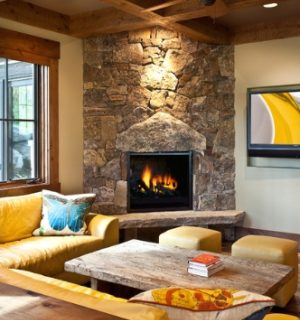
Safety considerations require ongoing attention throughout the fireplace’s operational life. I installed carbon monoxide detectors in adjacent rooms and tested them regularly. Fire screens prevent sparks from escaping while maintaining visual appeal. I keep appropriate fire extinguishing materials nearby and established emergency procedures for my family. Regular chimney cleaning prevents dangerous creosote buildup that could ignite unexpectedly. These precautions ensure peaceful enjoyment without compromising household safety and security.
The investment in a corner stone fireplace has exceeded my expectations in terms of both functionality and aesthetic impact. Property values increased measurably due to this attractive permanent feature. Energy costs decreased as supplemental heating reduced reliance on central systems during mild weather periods. Most importantly, the fireplace became a gathering place where family and friends naturally congregate, creating lasting memories around crackling flames and glowing embers that warm both bodies and hearts effectively.

What are the main advantages of choosing a corner fireplace over a traditional wall-mounted design?
Corner fireplaces maximize room space utilization while providing heat distribution to multiple areas simultaneously. They create unique focal points that naturally draw people together for social interaction. The positioning allows for more flexible furniture arrangements since you’re not limited by center-wall constraints. Installation costs may be lower due to simplified chimney routing options. Additionally, corner placement often provides better traffic flow patterns throughout living spaces, making rooms feel more open and functional.
Which stone materials work best for corner fireplace construction and why?
Natural limestone offers excellent heat retention with subtle color variations that complement most interior designs beautifully. Granite provides superior durability and heat resistance with stunning visual patterns that create dramatic focal points. Fieldstone delivers rustic charm with irregular textures that add character and warmth to traditional settings. Slate works perfectly for contemporary designs with its clean lines and minimal maintenance requirements. Each material offers unique benefits regarding aesthetics, performance, and long-term durability considerations.
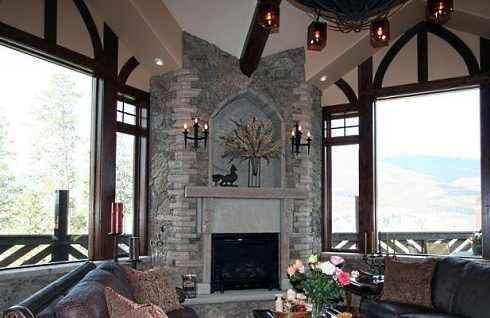
How much space do I need for a corner fireplace installation?
Typical corner fireplace installations require minimum clearances of 36 inches from combustible materials and adequate floor space for safe operation. The actual footprint varies depending on fireplace size and stone surround dimensions, usually ranging from 4 to 8 feet on each wall. Ceiling height considerations include chimney clearance and proper ventilation requirements. Professional measurement ensures compliance with local building codes while optimizing available space for both safety and aesthetic appeal within your specific room configuration.
What maintenance tasks are required for corner stone fireplaces?
Regular ash removal after each use prevents buildup that could affect airflow and combustion efficiency. Annual chimney inspection and cleaning prevent dangerous creosote accumulation that poses fire hazards. Stone surfaces need periodic cleaning with appropriate products to maintain appearance and prevent staining. Sealing certain stone types annually protects against moisture damage and extends material lifespan. Professional servicing every 2-3 years ensures optimal performance and identifies potential problems before they require expensive repairs or safety concerns.

Can corner fireplaces provide adequate heating for large rooms?
Modern corner fireplaces can effectively heat spaces up to 1500 square feet, depending on unit size and efficiency ratings. The corner position improves heat distribution patterns compared to traditional wall installations by radiating warmth at wider angles. Proper sizing calculations consider room volume, insulation quality, and climate conditions for optimal performance. Supplemental heating capability reduces reliance on central systems during moderate weather periods. Professional assessment ensures proper unit selection for your specific heating requirements and expectations.
What building permits and inspections are typically required?
Most jurisdictions require building permits for fireplace installation due to structural and safety considerations involved in the project. Electrical permits may be needed for gas line connections or ventilation fan installations, depending on the fireplace type. Inspections typically occur at multiple stages, including framing, rough installation, and completion, to ensure code compliance. Professional contractors usually handle permit applications and coordinate required inspections throughout the installation process. Local building departments provide specific requirements that vary by location and the fireplace specifications chosen.

Stone Fireplace Design Ideas

Stone Corner Fireplace Designs . . . Vastly Versatile!

Corner Stone Fireplace Designs . . . Cornering The Market!

Love the stone walls! Small living room design, Living room designs, Home

Stone Corner Fireplace Designs . . . Vastly Versatile!

rustic fireplace (41) Cabin fireplace, Log homes, Rustic fireplaces

stone fireplace designs Stone Fireplace Designs Corner Fireplaces Design Ideas Galleries

Related Posts: