During a hiking trip in Ireland, I accidentally discovered the old method of dry stone masonry. Watching native craftsmen lay stones without mortar to build walls that had survived for centuries triggered something deep within me. Their technique appeared deceptively simple, but I could detect the skill necessary. When I got home, I couldn’t get over the picture of those perfectly matched stones. My backyard required a fireplace, and I chose to take the traditional route to the installation.
Learning dry stone techniques proved more difficult than any YouTube guide predicted. I spent weeks experimenting on little garden walls, figuring out how stones wanted to come together naturally. Each rock has a preferred location, which maximizes stability. Fighting against this inherent inclination results in failure, yet collaborating with it produces structures that can last generations. My hands grew calluses as I learned to read stone surfaces and judge weight distribution intuitively.
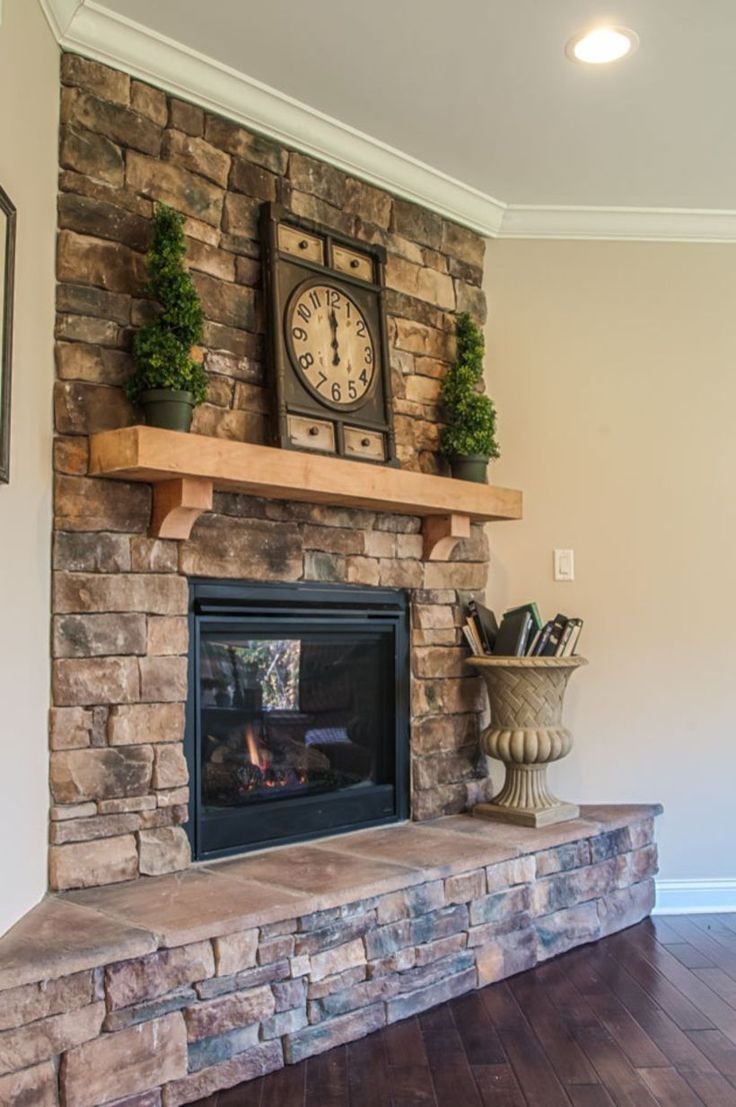
Choosing appropriate stones took more longer than I had anticipated for this big project. Dry stone construction necessitates rocks with reasonably flat surfaces that can provide stable contacts without gaps. I toured several quarries and learned how to recognize limestone, sandstone, and granite characteristics. Local fieldstone was chosen since it comes in a variety of sizes and has natural weathering that will blend in with my surroundings. Each stone required a thorough examination for cracks, soft patches, or other flaws that could jeopardize structural stability.
The foundation design necessitated entirely different thinking than traditional mortared construction would have required. Instead of concrete footings, I excavated eighteen inches deep and built a drainage bed with crushed stone. This permits water to flow freely beneath the building while providing a solid foundation for the tremendous weight above. Proper drainage reduces frost heaving, which is the principal opponent of dry stone masonry in northern regions. I compacted the base material carefully, checking levels several times to provide uniform support across the whole area.

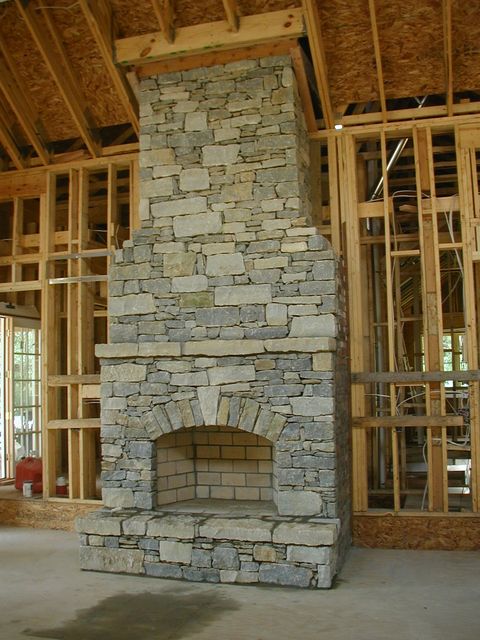
Building the firebox tested every ability I had honed during my practice sessions with smaller tasks. Fire bricks still required mortar for safety, resulting in a hybrid technique that preserved structural principles while providing adequate heat resistance. The throat and smoke chamber need exact angles to function properly, so I used traditional masonry techniques with dry stone processes. This fusion seemed like it bridged decades of construction traditions, combining traditional wisdom with modern safety needs to protect my family.
Construction of the outside walls strained my patience and problem-solving ability more than any previous endeavor. Each course requires choosing stones that fit together like puzzle pieces, transmitting weight downhill while remaining vertically stable. I devised a rhythm, testing several stones until I found the ideal fit for each place. The job progressed slowly but steadily, with each day providing evident progress that encouraged me to keep going despite hurting muscles and occasional aggravation when stones refused to cooperate with my ideas.

The chimney posed the steepest learning curve of the entire construction process, demanding advanced methods that I had not before mastered. Maintaining suitable proportions between the fireplace aperture and flue size was crucial for smoke management. I gradually corbelled the stones inward, achieving the desired taper while maintaining structural integrity. Each stone needs to protrude slightly over the one below while remaining securely secured in place due to the weight of the stones above. This precise balance necessitated close attention to weight distribution and contact points.
To achieve sufficient stability without mortar, one must first grasp the weight distribution and friction laws that govern dry stone construction. Every stone must contribute to the overall strength, either by carrying a load or preventing nearby pieces from moving. I learnt how to make mechanical locks by selecting stones with interlocking forms that resist shifting under stress. Through meticulous arrangement, the entire structure becomes self-supporting, with each piece relying on others for stability, resulting in a cohesive system that is stronger than its individual components.
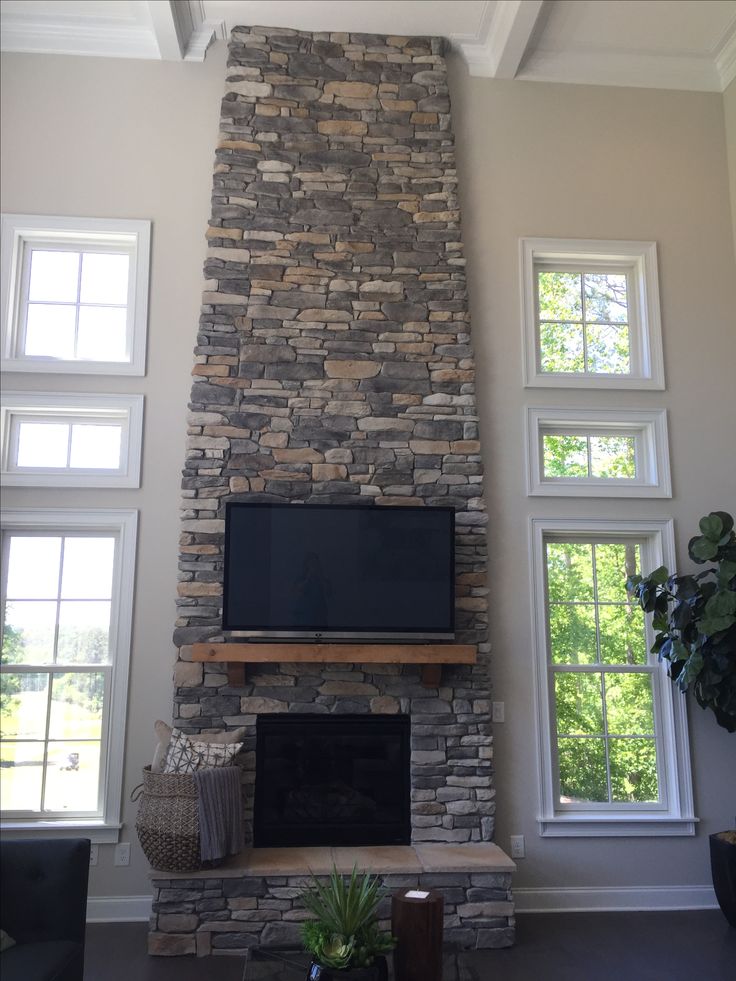
Finishing elements made the practical fireplace into an appealing focal point, considerably improving our outdoor living space. I created wing walls that extended from both sides, providing wind protection and additional seating places. The natural stone steps leading to the fireplace were built using the same dry stone techniques, which ensured visual consistency throughout the project. Careful grading around the base directs water away from the foundation, while native plantings soften the transition between hardscape and natural landscape components that surround the area.
Two years after construction, people are still amazed that this fireplace contains no masonry at all. The structure has endured numerous freeze-thaw cycles without shifting or developing fissures that would indicate structural issues. Every evening spent under its warm glow reminds me why I chose this difficult but gratifying construction approach. The information I received goes well beyond this one project, offering up possibilities for future stonework that will carry on this historic heritage in my modern setting.
How does dry stone construction vary from standard mortar-based fireplace construction methods?
Dry stone masonry uses gravity, friction, and careful stone selection to construct stable structures that do not require any binding agents. Each stone must be exactly aligned with its neighbors, transmitting weight downward via mechanical contact rather than chemical bonding. This ancient technique demands greater skill in stone selection and placement, yet it results in constructions that can bend with ground movement without cracking. The absence of mortar actually improves longevity in freeze-thaw regions, because expanding ice ruins mortared joints over time.
What sorts of stone are suitable for dry stone fireplace construction projects like this?
Sedimentary stones such as limestone and sandstone have generally level surfaces and stack nicely without mortar binding. Granite works nicely, but takes more skill because to its uneven shapes and hardness, which make shaping challenging. Local fieldstone offers the finest value and weather resistance because it is already tailored to your climate. Avoid rounder river rocks or stones with flat surfaces that can’t grab adjacent pieces well. Each stone should have at least one flat face to ensure stable contact with adjacent stones.
How much time should I anticipate to devote to learning and building a dry stone fireplace?
Plan on spending at least six months learning fundamental skills and completing building, including constant weekend effort. I spent two months practicing on smaller tasks before attempting the fireplace. The actual building required four months of consistent weekend work, with weather delays extending my timeframe significantly. Rushing causes structural difficulties, thus patience is necessary for success. Consider this a long-term investment in skills that will help you with future stone projects on your home.
What tools and equipment are required for a successful dry stone fireplace construction without mortar?
Most dry stone work requires only basic hand tools, such as hammers, chisels, levels, and string lines to keep courses straight. When exact fittings are difficult to achieve during building, a stone mason’s hammer comes in handy. Wheelbarrows, shovels, and pry bars are useful tools for safely moving heavy stones. Most importantly, train your hands and eyes to judge weight, balance, and fitness. When working with stones weighing hundreds of pounds each, technique and patience are more important than physical strength.
How do I keep my dry stone fireplace structurally sound after many decades of use?
Proper foundation drainage reduces frost heave, which kills most dry stone structures in cold areas. An annual inspection detects loose stones before they endanger adjacent portions of the structure. I look for settlement or movement following severe weather events that may cause the structure to shift. Maintaining good drainage around the foundation minimizes water intrusion, which can compromise stability. The beauty of dry stone construction is its repairability, which allows individual stones to be relocated without having to rebuild entire sections.
What safety concerns are special to dry stone fireplace construction and maintenance?
Structural stability becomes critical because no mortar bonding can hold stones together if construction processes fail. I used steel reinforcement in essential spots, such as the lintel over the firebox opening, where tensile strength is most important. Fire safety needs adequate throat dimensions and chimney height regardless of the building type utilized. Regular inspections verify that no stones have displaced, which could jeopardize the structure’s stability over time. Always check your local building codes, as some jurisdictions forbid dry stone construction for permanent structures due to seismic issues.

dry stacked stone fireplace Design by Dennis Pinterest Dry stack stone, Stacked stone

Stone Fireplace Surround Bedrock Natural Stone

Related Posts: