When I first envisioned transforming my bland living room into a cozy gathering space, I knew a rustic stacked stone fireplace would be the perfect centerpiece. After months of planning and three weeks of intensive work, my new fireplace has become the heart of our home. The natural stone texture, warm earth tones, and impressive scale create exactly the rustic charm I was hoping to achieve. What started as a way to replace an outdated brick fireplace turned into a complete room transformation that taught me valuable lessons about working with natural stone and creating authentic rustic character that will last for generations.
Selecting the Perfect Stone for Authentic Rustic Character
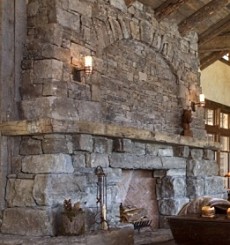
Choosing the right stone became my most important decision in creating an authentic rustic stacked stone fireplace. I visited multiple stone yards and suppliers, comparing everything from local fieldstone to manufactured options. Natural fieldstone won out because of its irregular shapes, weathered surfaces, and color variations that can’t be replicated artificially. Each piece tells its own story through natural weathering and mineral deposits.
The color palette I selected includes warm grays, soft browns, and occasional hints of rust that complement my existing decor beautifully. I learned that mixing different stone types creates more visual interest than using uniform pieces. My fireplace combines limestone, sandstone, and quartzite in similar tones but different textures, creating depth and authenticity that manufactured stone simply can’t match.
Size variation proved crucial for achieving the stacked stone look I wanted. I chose stones ranging from small accent pieces to large anchor stones that provide structural interest and visual weight. The key was maintaining proper proportions, using larger stones at the base and gradually transitioning to smaller pieces toward the top. This natural progression creates stability while mimicking how stones would naturally settle over time.

Planning the Design and Structural Requirements
Designing my rustic stacked stone fireplace required careful consideration of both aesthetics and structural engineering. I started by measuring the existing fireplace opening and determining how much I could expand the surround without affecting the room’s proportions. The final design extends from floor to ceiling and spans eight feet wide, creating the dramatic focal point I envisioned for the space.
The structural requirements surprised me with their complexity and importance for long-term stability. I needed to reinforce the floor beneath the hearth extension to handle the additional weight of natural stone. Working with a structural engineer, we calculated load requirements and added steel reinforcement where needed. This upfront investment prevented future settling and cracking issues.
Building codes became another crucial consideration that affected my design choices significantly. The fireplace surround needed specific clearances from combustible materials, and the hearth required minimum extension distances. I learned that local codes vary, so checking with the building department early in the planning phase prevented costly redesigns later. These requirements actually improved the final proportions and safety of my fireplace.

Installation Techniques and Best Practices I Learned
Installing stacked stone required mastering techniques I’d never used in previous home improvement projects. The dry-stacking method I chose eliminates visible mortar joints, creating clean lines that emphasize each stone’s natural character. This approach requires careful fitting and occasional grinding to achieve tight joints that look effortless but actually require significant skill and patience.
The foundation work proved more involved than I anticipated, requiring a concrete pad that extends beyond the final stone footprint. I learned that proper drainage behind the stone prevents water infiltration and frost damage that could compromise the installation over time. Installing a vapor barrier and weep holes ensures moisture can escape without causing structural problems.
Working from bottom to top, I established level courses using a laser level and adjusted individual stones as needed. The key was maintaining consistent reveals while accommodating the natural variations in stone thickness and shape. I used construction adhesive in addition to mechanical fasteners for extra security, especially on larger stones that create the fireplace’s visual anchors.

Creating Authentic Rustic Details and Character
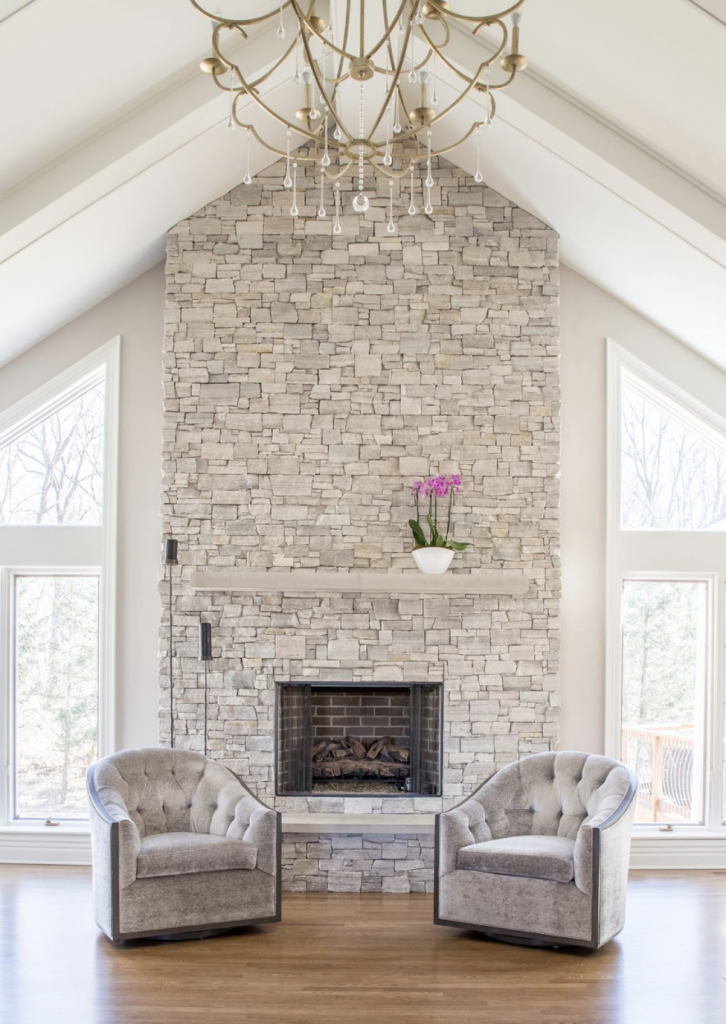
Adding authentic rustic details transformed my stacked stone fireplace from a simple stone wall into a true focal point with character and personality. I incorporated a reclaimed wood mantel from a 19th-century barn that provides a beautiful contrast against the stone while adding horizontal emphasis that balances the vertical stone pattern. The aged wood grain and original nail holes tell their own story.
The hearth design includes slightly irregular edges that mimic natural stone formations rather than perfectly straight lines. I used larger, flatter stones for the hearth surface, selecting pieces with interesting fossil inclusions and mineral veining that create conversation pieces. The subtle color variations and natural patterns make each viewing angle reveal new details and visual interest.
Lighting integration became crucial for showcasing the stone’s texture and character properly. I installed LED strip lights behind the mantel and in recessed areas that graze across the stone surface, emphasizing texture and creating dramatic shadows. These accent lights work with the firelight to create an ambiance that changes throughout the day and evening hours.
Addressing Common Installation Challenges
Working with natural stone presented unique challenges I hadn’t encountered in other renovation projects. The irregular shapes and sizes required constant problem-solving to achieve good fits while maintaining the stacked appearance. I learned to work with each stone’s natural characteristics rather than forcing pieces into predetermined positions, resulting in a more authentic and visually pleasing installation.
Dust control became a major concern during the cutting and fitting process, requiring plastic barriers and constant cleanup to protect furniture and flooring. I invested in a good dust collection system and worked in sections to minimize the mess. The cutting process also required diamond blades and patience, as rushing led to chipped edges and wasted stone that had to be replaced.
Weight management required careful planning and assistance for larger stones that needed precise positioning. I used mechanical aids like stone lifts and rollers to move heavy pieces safely without damaging either the stone or my back. Breaking the work into manageable sections prevented fatigue that could lead to poor decisions or safety issues during installation.
:max_bytes(150000):strip_icc()/8-56a49d435f9b58b7d0d7d841-5c62265446e0fb00014427ca.JPG)
Maintenance and Long-term Care Strategies
Maintaining my rustic stacked stone fireplace requires different approaches than traditional masonry because of the dry-stack construction and natural stone materials. I clean the stone surface monthly using a soft brush and mild detergent solution, avoiding harsh chemicals that could stain or damage the natural stone finish. The key is removing soot and dust buildup before it becomes embedded in the stone’s porous surface.
Seasonal maintenance includes checking for any loose stones or gaps that might have developed as the house settles or experiences temperature changes. I keep a small supply of matching stones and construction adhesive for minor repairs that maintain the fireplace’s structural integrity and appearance. Addressing small issues promptly prevents them from becoming major problems that require extensive repairs.
The reclaimed wood mantel requires periodic conditioning with appropriate wood treatments that preserve its aged character while protecting against heat damage and moisture. I apply a specialized high-temperature wood finish annually, taking care not to over-condition the wood and lose its authentic weathered appearance. This maintenance preserves the mantel’s rustic character while ensuring its longevity.

Rustic fireplace Stone Fireplace Pinterest Rustic Fireplaces, Fireplaces and Rustic

This rustic field stone fireplace has a stone hearth and large timber mantle. Description from

Pin on Stacked stone fireplaces

How to Create the Stacked Stone Fireplace Look on a Budget Martha Stewart
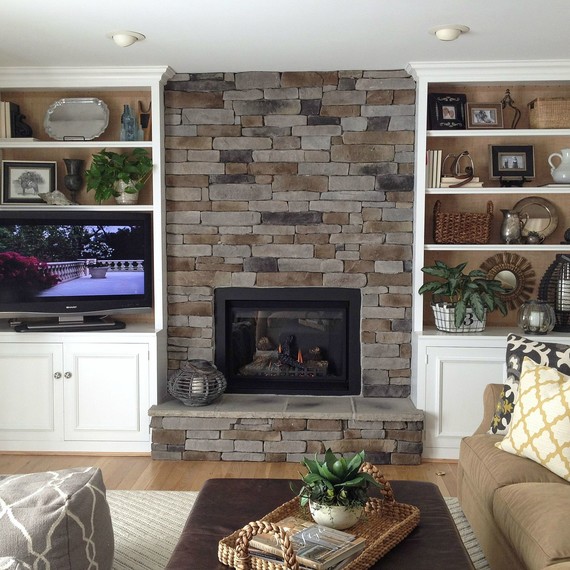
The Cozy Stone FireplaceRest And Relax In A Rustic Setting!
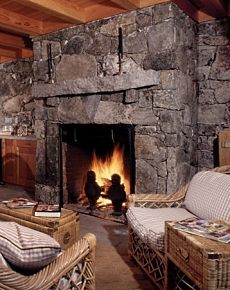
Standout Rustic Stone Fireplaces . . . Rugged & Revered!
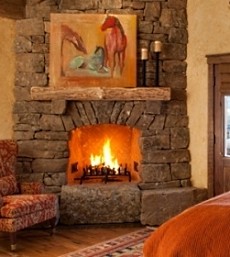
Standout Rustic Stone Fireplaces . . . Rugged & Revered!
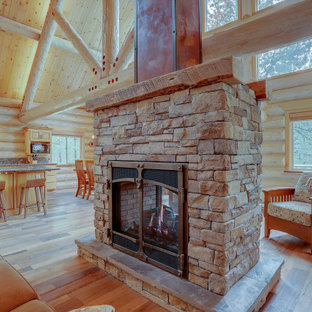
Stacked Stone Fireplace Houzz
Related Posts: