Five years ago, after a life-changing trip through Provence, I returned home obsessed with recreating the romantic charm of French country living. The centerpiece of my vision was a stone fireplace that captured the essence of those centuries-old farmhouses I’d admired in rural France. What began as a Pinterest-inspired dream became a year-long journey of learning about limestone, understanding French design principles, and ultimately building a fireplace that transports me to the French countryside every time I light a fire. The process taught me that authentic French country style isn’t about perfection; it’s about embracing the beauty of age, texture, and natural imperfection.
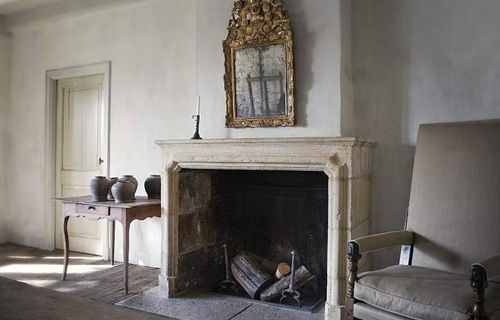
Understanding authentic French country stone became my first deep study. During my travels, I’d photographed countless stone fireplaces in renovated bastides and manoirs, noticing common characteristics that defined the style. The stone was always pale, usually limestone or sandstone in creamy whites, soft grays, and warm beiges. The surfaces showed weathering and age, with rounded edges and subtle erosion patterns that spoke of centuries of use. Unlike the sharp, clean lines of modern stonework, French country stone embraced irregularity. I learned that the French call this aged quality “patina,” and it’s essential to the aesthetic. Back home, I searched for reclaimed limestone that captured this weathered character.
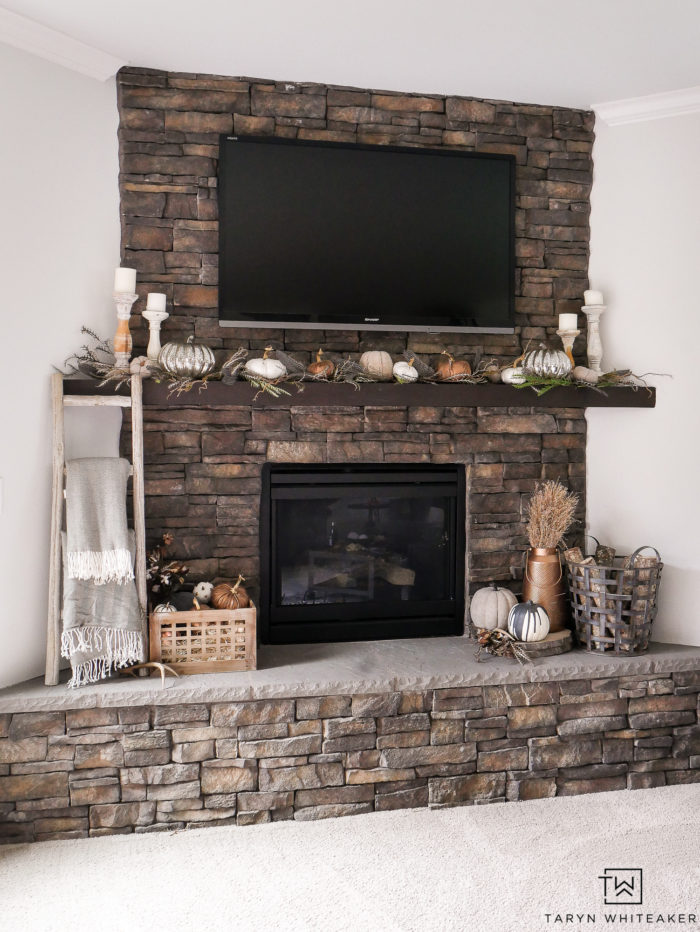
The search for authentic materials took me to unexpected places. Local stone yards offered mostly new cut stone that looked too crisp and uniform for my vision. I finally found a specialty importer who sourced reclaimed limestone from demolished French buildings and old walls. The stone arrived with mortar still clinging to some pieces, chisel marks visible on edges, and the soft, powdery surface texture that only centuries of weathering creates. Each piece was unique in size, shape, and subtle coloring. The cost was significant, nearly double what new limestone would have been, but holding those stones in my hands and knowing their history invested feel worthwhile.
Designing the fireplace surround required understanding French proportions and architectural details. French country fireplaces are typically grand in scale but simple in ornamentation. I sketched various designs, studying how the French use arched openings, thick stone lintels, and deeply recessed fireboxes. The key was creating a substantial presence without fussy decoration. I decided on a large arched opening with a hand-carved limestone lintel as the focal point. The surround would extend floor to ceiling and several feet on either side of the opening, creating the commanding presence I’d admired in France. The rough stone would provide all the visual interest needed without additional embellishment.
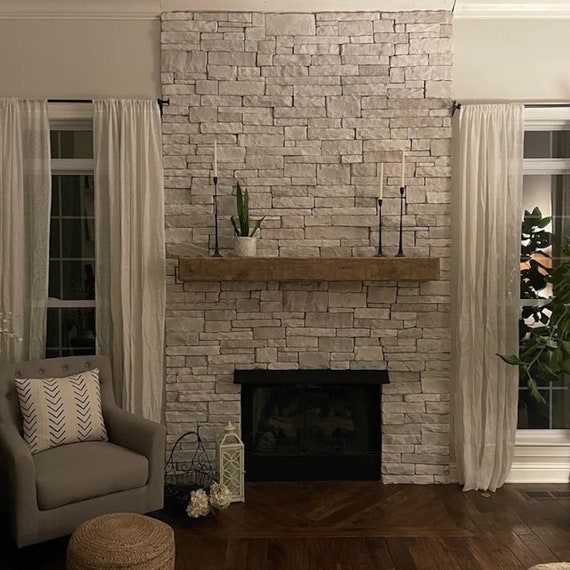
Finding a mason who understood French country aesthetics proved challenging. Many contractors I interviewed wanted to create perfectly uniform joints and smooth surfaces, completely missing the point of the style. I finally connected with a stonemason who had trained in Europe and immediately understood my vision. He explained that French country stone installation uses irregular joint widths and allows stones to sit at slightly different depths, creating organic texture and shadow play. We discussed mortar color extensively, settling on a warm cream that would recede rather than contrast with the stone. His experience and cultural understanding were invaluable in achieving authentic results.
The installation process was mesmerizing to watch. My mason worked almost meditatively, selecting each stone for its unique qualities and positioning it to showcase its character. He used traditional techniques, hand-mixing lime-based mortar that matched historical methods used in French construction. Unlike modern installations where stones are cut to fit precisely, he allowed natural stone shapes to dictate the pattern, filling gaps with smaller pieces and leaving joints deliberately uneven. The arch over the firebox required particular skill, with each voussoir stone carefully positioned to create structural integrity while maintaining the rustic appearance. Watching him work was like witnessing an ancient craft come to life.
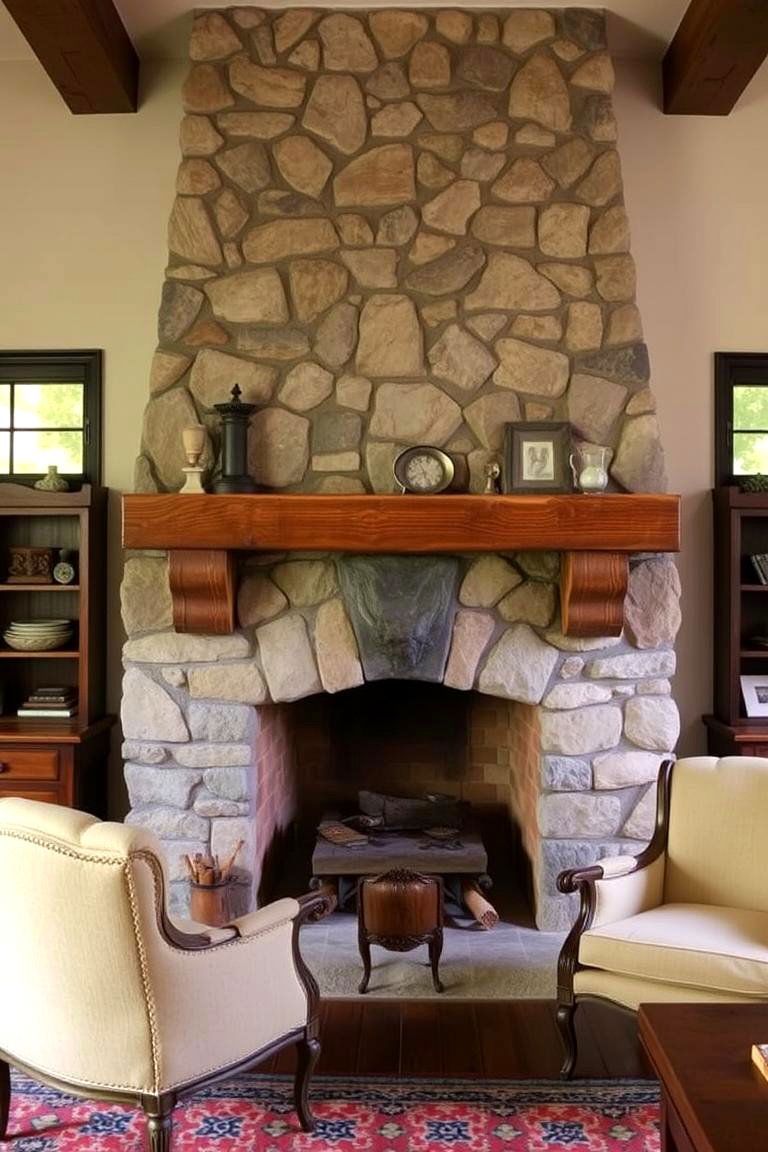
The hearth design complemented the stone surround while serving practical purposes. I chose large rectangular limestone slabs with slightly uneven surfaces and weathered edges. The hearth extends generously into the room, providing both safety from sparks and casual seating space during gatherings. The stone’s natural thermal properties mean it absorbs and radiates heat, warming the room even after the fire dies down. I deliberately avoided perfectly flat surfaces, instead embracing the gentle undulations and worn spots that make the hearth feel like it’s been used for generations. Friends often sit directly on the warm stone, which delights me every time.
Accessorizing the French country fireplace required restraint and careful selection. French country style celebrates simplicity and functionality rather than decorative excess. I installed a wrought iron fire screen with simple scrollwork, chosen for its handcrafted appearance rather than ornate design. On the thick stone mantel, I display a few carefully chosen pieces: an antique copper pot, a weathered wooden bowl, and a simple iron candlestick. I rotate fresh herbs and lavender bunches seasonally, their natural scents enhancing the French countryside atmosphere. The key is editing ruthlessly, allowing the beautiful stone to remain the star rather than competing with excessive decoration.
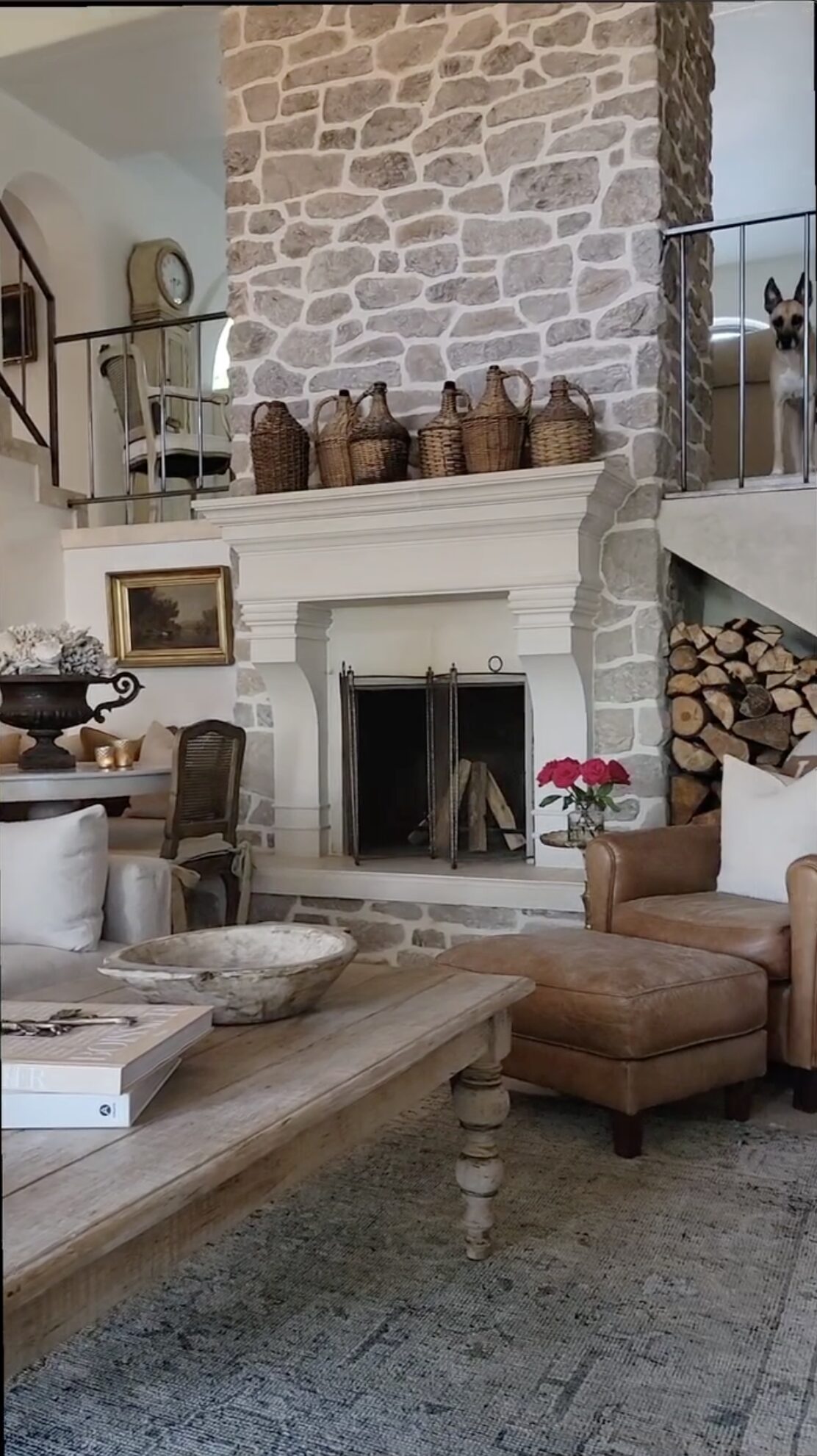
Color palette choices throughout the room honor the French country aesthetic centered around the stone fireplace. I painted walls in soft, chalky whites and warm creams that complement the limestone’s natural tones. Exposed wooden beams overhead echo rustic French architecture and create visual connection between ceiling and fireplace. Furniture in natural linen, faded blues, and weathered wood finishes reinforces the provincial feeling. I’ve learned that French country style succeeds through restraint, using a limited palette of natural colors and materials that feel cohesive and calming rather than busy or contrived.
Living with my French country stone fireplace has exceeded every expectation. The stone’s presence grounds the entire room, creating a sense of permanence and history that makes my relatively new home feel like it’s been here for centuries. Winter evenings spent by the fire, with flames reflecting off the textured limestone and filling the room with warmth, provide the exact ambiance I’d fallen in love with in France. The fireplace has become more than a design feature, it’s the heart of my home where memories are made, guests gather, and I find daily joy in the beauty of natural materials and timeless design.
What’s the typical cost difference between French country stone and standard stone fireplaces?
My French country fireplace, using reclaimed limestone, cost approximately $18,000 total. The reclaimed stone itself was $8,000, nearly double the cost of new stone. Custom masonry work added $7,000, while the arch lintel, hearth slabs, and materials cost $3,000. Standard stone fireplaces typically run $8,000-12,000. The premium reflects authentic materials and specialized craftsmanship. However, the investment created an irreplaceable focal point that defines my home’s entire character and aesthetic.
Can I achieve the French country look with manufactured stone veneer instead of real limestone?
While manufactured stone has improved dramatically, it rarely captures the authentic texture and patina of aged limestone. I considered this option to reduce costs, but decided against it after comparing samples. Real limestone has subtle color variations, natural porosity, and weathering patterns that manufactured products cannot truly replicate. The weight and substance of real stone also contribute to the authentic feel. If the budget is limited, consider using real stone in key visible areas and manufactured veneer in less prominent locations.

How do I maintain and clean a French country limestone fireplace?
Limestone maintenance is simpler than I expected. I dust weekly with a soft cloth and clean seasonally with mild soap and water, avoiding acidic cleaners that can damage limestone. I sealed the stone with a penetrating sealer after installation to protect against staining while maintaining the natural appearance. The weathered character actually hides minor soot stains and marks beautifully. I avoid aggressive cleaning that would remove the patina. The stone requires resealing every 2-3 years, depending on use.
Where can I source authentic reclaimed French limestone in the United States?
Finding authentic materials required extensive research. I worked with a specialty importer who sources directly from France and ships containers of reclaimed building materials. Several companies specialize in European architectural antiques and reclaimed stone. Prices are premium due to shipping, but the authenticity justifies the cost. Domestic alternatives include reclaimed limestone from old American buildings, though it typically lacks the specific patina of French stone. Start by searching for European architectural salvage importers and antique building materials dealers.

Do I need special permits or considerations for installing a large stone fireplace?
Yes, my project required building permits and structural engineering consultation. The massive stone fireplace weighs several tons, requiring foundation support verification. I had a structural engineer assess whether my floor system could handle the load. We also needed proper fireplace certification, chimney liner installation, and inspection by the fire marshal. Local building codes dictated clearances and safety features. The permit process added time and expense but ensured safety and compliance. Always consult professionals before beginning such substantial projects.
How can I incorporate French country fireplace style in a more contemporary home?
I believe French country stone adapts beautifully to various architectural styles. The key is balancing the rustic stone with your home’s existing character. In contemporary spaces, keep the surrounding design clean and minimal, letting the stone provide warmth against modern lines. Use fewer, larger stones for a more streamlined appearance while maintaining texture. Choose pale limestone in cooler tones rather than warmer beiges. Pair with simple modern furniture in natural materials. The contrast between aged stone and contemporary design creates dynamic visual interest.

NEUTRAL HEAVEN – Interior Design and Mood Creation: French Stone Fireplaces

Stacked Stone Fireplace Pictures . . . HIGH and DRY!
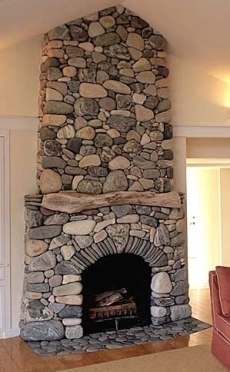
Fireplaces So Large, So Grand, You Can (Almost) Walk Into Them — DESIGNED

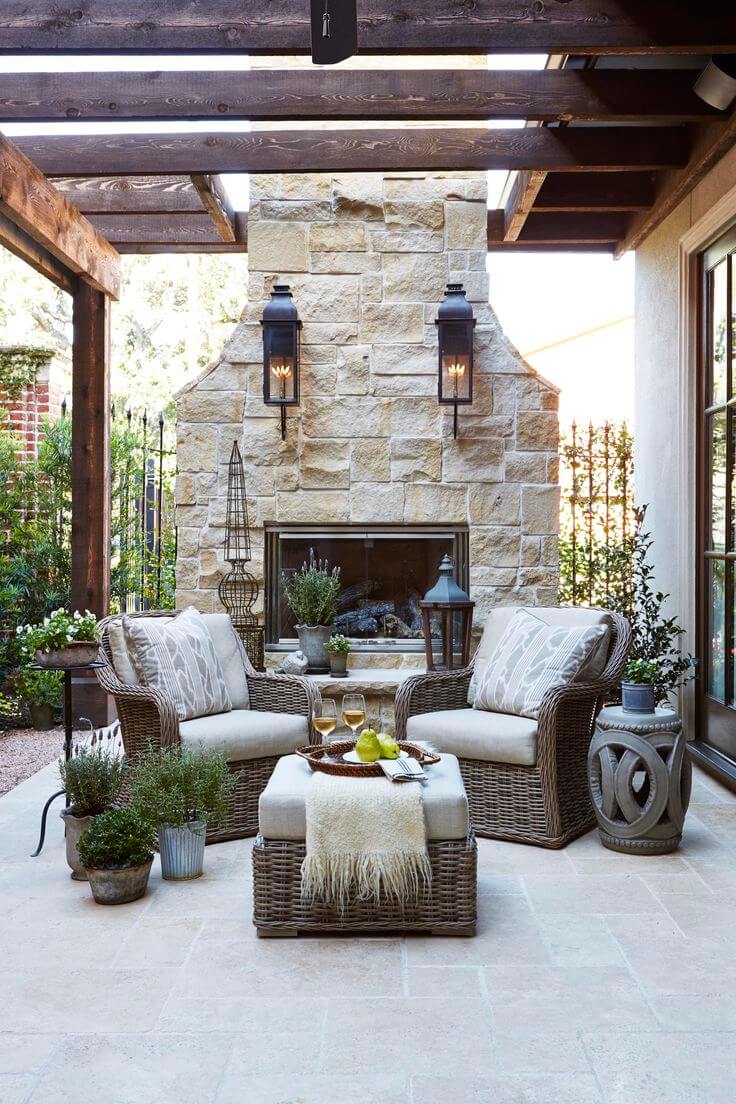
Best Outdoor Living Space Ideas and Designs
Related Posts: