I never expected to become obsessed with vintage fireplace tiles until I bought my 1920s bungalow three years ago. The original hearth was hidden behind layers of paint and neglect, but when I carefully stripped away decades of modifications, I discovered something magical: hand-painted tiles that told stories of craftsmanship from nearly a century ago. Each tile was a small masterpiece, featuring intricate patterns and glazes that modern mass production simply cannot replicate.
The first thing that struck me about these vintage beauties was their incredible variety. Unlike today’s standardized designs, early 20th-century fireplace tiles came in an astounding range of styles, from Arts and Crafts motifs with geometric patterns to elaborate Victorian florals. I’ve spent countless weekends at antique markets and architectural salvage yards, learning to identify different manufacturers and periods. Minton, Pilkington, and American Encaustic Tile Company each had their distinctive signatures, and recognizing these differences became my new hobby.
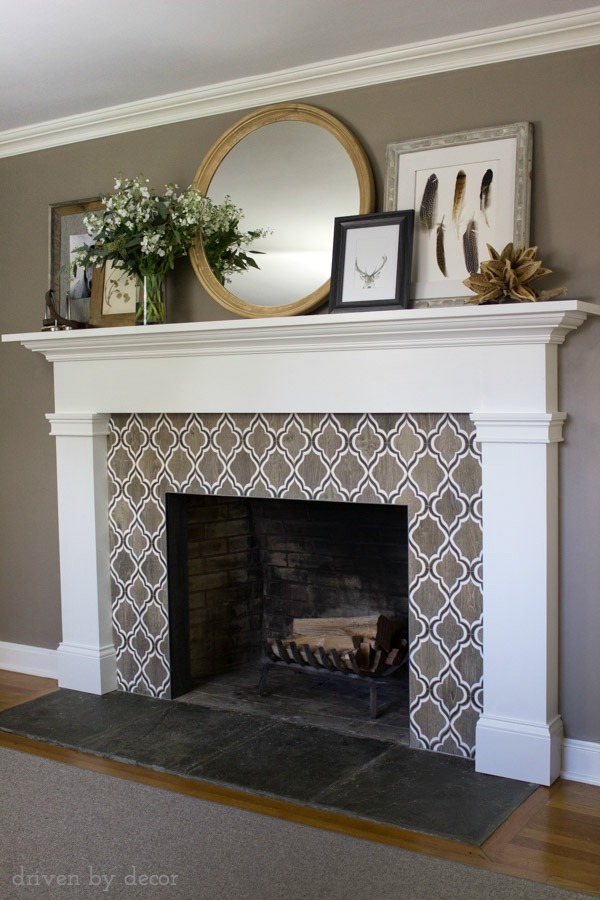
What fascinates me most is how these tiles were originally made. Each piece was hand-pressed or hand-painted by skilled artisans who took genuine pride in their work. The glazing techniques they used created depth and richness that you can feel when you run your fingers across the surface. I’ve learned that many vintage tiles feature relief patterns that were carved into plaster molds, giving them a three-dimensional quality that flat modern tiles simply cannot match. The firing process was also different, often resulting in subtle color variations that make each tile unique.
During my restoration project, I discovered that vintage fireplace tiles weren’t just decorative, they served important practical purposes too. The thick ceramic provided excellent heat retention and protection for the surrounding walls. Many original installations included specially designed corner pieces, borders, and even built-in trivets for keeping kettles warm. I found remnants of an old tile trivet system in my fireplace that I’m now working to restore. These functional elements show how thoughtfully these systems were designed by people who actually used their fireplaces daily.

One of my biggest challenges has been finding matching tiles to replace damaged pieces. I’ve learned that patience is essential in this process. Sometimes I’ll search for months to find a single tile that matches my existing pattern. I keep detailed photos on my phone and have developed relationships with several dealers who call me when they find pieces that might work. The hunt has become almost as enjoyable as the actual restoration, and I’ve met fascinating people along the way who share similar passions for architectural preservation.
The condition assessment process taught me so much about what to look for when evaluating vintage tiles. Hairline cracks aren’t always dealbreakers, especially if they’re stable and not actively spreading. However, I’ve learned to be very careful about tiles with missing glaze or deep chips, as these can be nearly impossible to repair convincingly. The substrate condition is equally important; I discovered that many of my tiles were originally set in lime mortar, which had held up remarkably well compared to some modern adhesives I’ve seen fail in other houses.
Cleaning vintage fireplace tiles requires a completely different approach than modern materials. I made some early mistakes using harsh chemicals that actually damaged the original glazes. Now I use gentle methods: warm soapy water, soft brushes, and lots of patience. For stubborn stains, I’ve found that a paste made from baking soda and water works wonders without damaging the delicate surfaces. I always test any cleaning method on a hidden area first, and I’ve learned that sometimes it’s better to leave certain aged characteristics intact rather than risk damage through over-cleaning.
The installation process for my restoration project was both challenging and rewarding. I decided to work with a craftsperson who specializes in historical tile work, and watching him recreate the original installation methods was like stepping back in time. We used traditional lime-based mortars and hand-mixed grouts that match the original colors. The precision required to maintain consistent spacing and alignment with handmade tiles that aren’t perfectly uniform taught me tremendous respect for the original installers’ skill and patience.

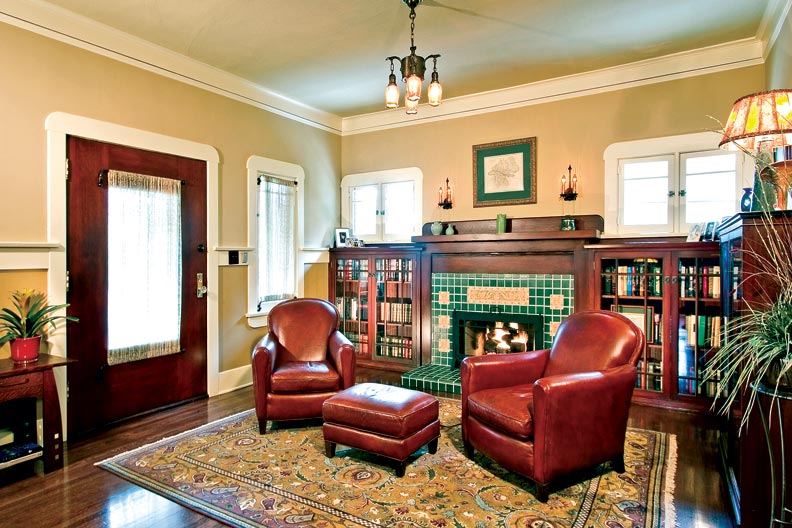
Beyond the technical aspects, I’ve come to appreciate how vintage fireplace tiles reflect the social history of their era. The patterns and colors popular in different decades tell stories about changing tastes, available materials, and cultural influences. My 1920s tiles show clear Art Deco influences with their geometric patterns and rich jewel tones. I’ve seen examples from earlier periods that reflect Victorian sensibilities, and later pieces that show the simplified aesthetic that emerged in the 1930s and 1940s.
Looking back on this journey, I realize that restoring vintage fireplace tiles has connected me to my home’s history in ways I never anticipated. Every evening when I light a fire, I think about all the families who gathered around this same hearth, admiring these same beautiful tiles. The investment in time and money has been significant, but the result is a focal point that brings warmth and character to my home that no modern reproduction could ever match. These tiles will outlast me, and I take pride in being their current caretaker for future generations to enjoy.
How can I tell if my fireplace tiles are genuinely vintage versus modern reproductions?
I’ve learned several key indicators over the years. Genuine vintage tiles typically have slight irregularities in size and thickness because they were handmade. Look for maker’s marks on the back, often impressed into the clay before firing. The glazing on authentic pieces usually shows subtle color variations and depth that modern reproductions rarely achieve. Also, check the mortar: original installations often used lime-based mortars that have a different texture and color than modern cement-based products. When in doubt, consult with an expert who specializes in architectural ceramics.
What’s the typical cost range for vintage fireplace tiles, and is restoration worth the investment?
Pricing varies enormously based on rarity, condition, and manufacturer. I’ve paid anywhere from $5 to $150 per tile, with complete sets commanding premium prices. Common geometric patterns are more affordable than elaborate pictorial designs or tiles from famous makers like Rookwood or Grueby. Restoration costs, including professional installation, can range from $2,000 to $10,000 depending on the size and complexity. For me, the investment was absolutely worthwhile because it created an irreplaceable focal point that adds both beauty and historical value to my home.

Can vintage fireplace tiles handle the heat from regular use, or are they just decorative?
Most vintage fireplace tiles were designed for regular use and can absolutely handle normal fireplace temperatures. The thick ceramic construction actually provides excellent heat resistance and helps protect surrounding materials. However, I always recommend having a professional assess the condition of both the tiles and the underlying substrate before using your fireplace regularly. Loose tiles or deteriorated mortar should be repaired first. I use my restored fireplace regularly throughout the winter without any problems, and the tiles actually help retain and radiate heat more effectively than modern alternatives.
How do I properly maintain and clean vintage fireplace tiles without damaging them?
Gentle cleaning is essential with vintage tiles. I use warm water with a small amount of mild dish soap and soft brushes or cloths. Never use abrasive cleaners, acid-based products, or power washing equipment. For tough stains, I make a paste with baking soda and water, let it sit for a few minutes, then gently scrub with a soft brush. Always test any cleaning method on an inconspicuous area first. Regular dusting and occasional gentle washing are usually sufficient. If you encounter serious staining or damage, consult a professional conservator rather than risk permanent harm to irreplaceable tiles.
Where can I find replacement tiles to match my existing vintage fireplace surround?
Finding matching vintage tiles requires patience and persistence. I’ve had the best luck at architectural salvage yards, antique markets, and estate sales. Online resources like eBay, Facebook Marketplace, and specialized architectural antique dealers can be goldmines. I recommend joining online communities focused on historic home restoration, where people often share leads on tile sources. Keep detailed photos of your existing tiles, including close-ups of patterns and colors. Some dealers specialize in fireplace tiles and will keep you on a list if they find matches. Expect the search to take months or even years for rare patterns.
Should I attempt DIY installation or hire a professional for vintage tile restoration?
While I’m generally a DIY enthusiast, I strongly recommend hiring a professional for vintage tile installation. These tiles are often irreplaceable, and mistakes can be costly. A craftsperson experienced with historical materials will understand proper substrate preparation, appropriate mortars and grouts, and techniques for working with irregularly sized handmade tiles. The investment in professional installation is worthwhile to ensure your vintage tiles are properly supported and will last for generations. However, I did handle much of the cleaning and preparation work myself, which helped reduce overall costs while still ensuring quality results.

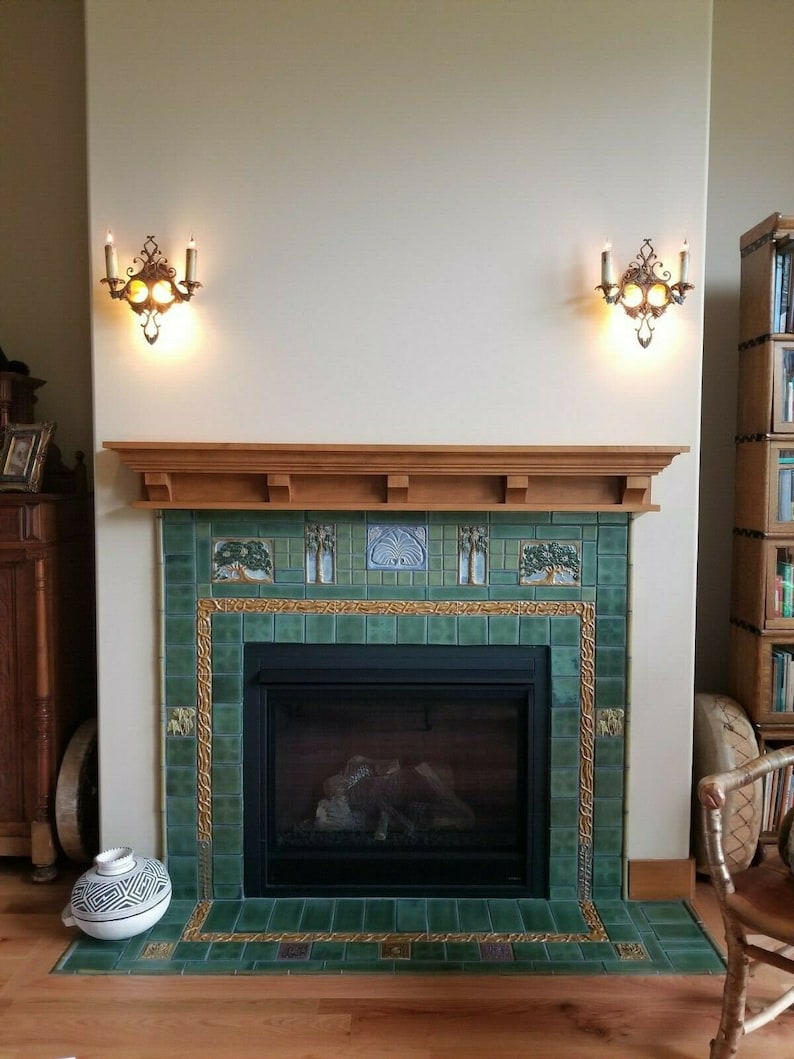
Craftsman Tiles by Feature Tile – Craftsman Tiles Craftsman tile, Arts crafts style, Art and

Sophisticated Antique Mirror Ideas For Your Home
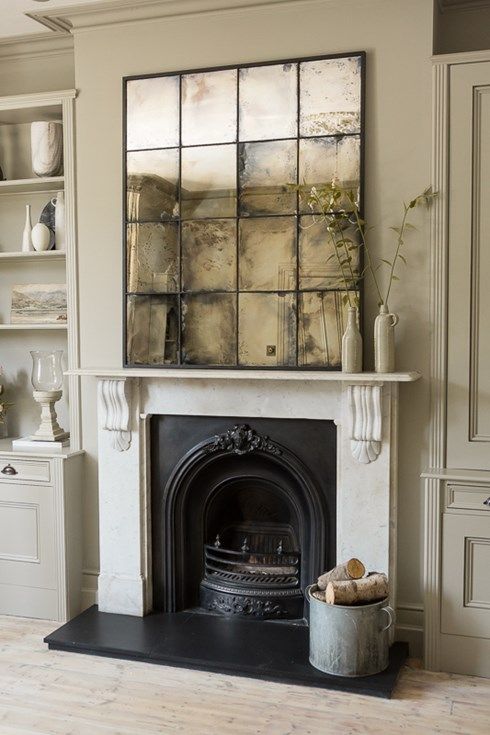
Fireplace floor tiles Fireplace, Home decor, Flooring

Related Posts: