I discovered the convenience and versatility of ventless gas fireplaces when my old wood-burning unit became too much maintenance for my busy lifestyle. The ability to install a beautiful fireplace anywhere in my home without expensive venting systems opened up design possibilities I never considered before. My first ventless gas fireplace transformed a bland corner of my living room into the focal point that anchors the entire space. After installing three different ventless units over the past few years and helping friends with their selections, I’ve learned that these modern marvels offer incredible flexibility for creating cozy, elegant atmospheres in any room configuration.
Safety considerations dominated my initial research when I first considered ventless gas fireplaces for my home renovation project. I learned that modern units include oxygen depletion sensors that automatically shut off gas flow if oxygen levels drop below safe thresholds. Carbon monoxide detectors became mandatory additions to rooms with ventless fireplaces, providing additional peace of mind during operation. Proper room ventilation, though not required for venting, still plays an important role in maintaining air quality. I ensure my fireplace room has adequate air circulation and never run the unit continuously for more than four hours as recommended by manufacturers for optimal safety performance.

Installation flexibility has been the greatest advantage of ventless gas fireplaces in my experience with multiple home improvement projects. Unlike traditional fireplaces requiring chimneys and extensive structural modifications, ventless units need only gas line connections and electrical power for ignition systems. I’ve installed units in bedrooms, bathrooms, kitchens, and even outdoor covered patios without major construction disruption. The variety of mounting options includes wall-mounted, built-in, freestanding, and tabletop designs that accommodate virtually any space constraint. This flexibility allowed me to add warmth and ambiance to rooms that could never accommodate traditional fireplaces due to architectural limitations.
Design styles available in ventless gas fireplaces have evolved dramatically since I began researching options five years ago. Contemporary linear designs with sleek glass fronts complement modern decor perfectly, while traditional styles with realistic logs satisfy classic aesthetic preferences. I particularly love the newer models featuring LED lighting systems that create stunning flame effects even when heat isn’t needed. Some units include remote controls with programmable timers and temperature settings for ultimate convenience. The variety of surround materials, from natural stone to modern metals, allows seamless integration with existing decor themes and architectural elements throughout your home.

Heat output efficiency impressed me immediately when I compared my first ventless gas fireplace to my previous wood-burning unit. These systems convert nearly 100% of gas consumed into usable heat since no energy escapes through venting systems like traditional fireplaces. Most residential units produce between 10,000 to 40,000 BTUs, easily heating rooms up to 1,000 square feet effectively. I can precisely control temperature output with adjustable flame settings, something impossible with wood fires. The instant-on capability means no waiting for warmth, and the consistent heat output maintains comfortable temperatures without the constant attention or fuel additions that wood-burning alternatives require.
Cost considerations make ventless gas fireplaces attractive options for budget-conscious homeowners seeking fireplace ambiance without major renovation expenses. Installation costs typically range from $500 to $2,000, depending on gas line requirements and unit complexity, significantly less than traditional fireplace construction. Operating costs remain low since natural gas burns efficiently and cleanly without wasting energy through venting systems. I spend approximately $30 monthly during peak winter usage compared to $200+ monthly for my previous wood-burning fireplace when factoring in wood purchases, chimney maintenance, and cleaning services. The return on investment through reduced heating bills and increased home value justifies the initial purchase price quickly.

Maintenance requirements for ventless gas fireplaces are minimal compared to traditional wood-burning units, something I appreciate greatly during busy periods. Annual professional inspections ensure safe operation and optimal performance, but daily maintenance is virtually nonexistent. I clean glass fronts monthly with appropriate cleaners and vacuum decorative logs seasonally to remove dust accumulation. No ash removal, chimney cleaning, or wood storage hassles exist with ventless systems. The ceramic logs and decorative elements maintain their appearance for years without replacement needs. This low-maintenance operation allows me to enjoy fireplace ambiance without the time-consuming upkeep associated with traditional alternatives.
Room selection strategies have evolved as I’ve gained experience with ventless gas fireplace placement throughout different areas of my home. Bedrooms benefit from smaller units that provide gentle warmth without overwhelming heat output during sleep hours. Living rooms accommodate larger statement pieces that serve as architectural focal points while providing substantial heating capacity. Bathrooms with adequate ventilation create spa-like atmospheres with carefully sized units appropriate for moisture-rich environments. I avoid installing units in small, poorly ventilated spaces or rooms where people spend extended periods working, following manufacturer guidelines for optimal safety and comfort.
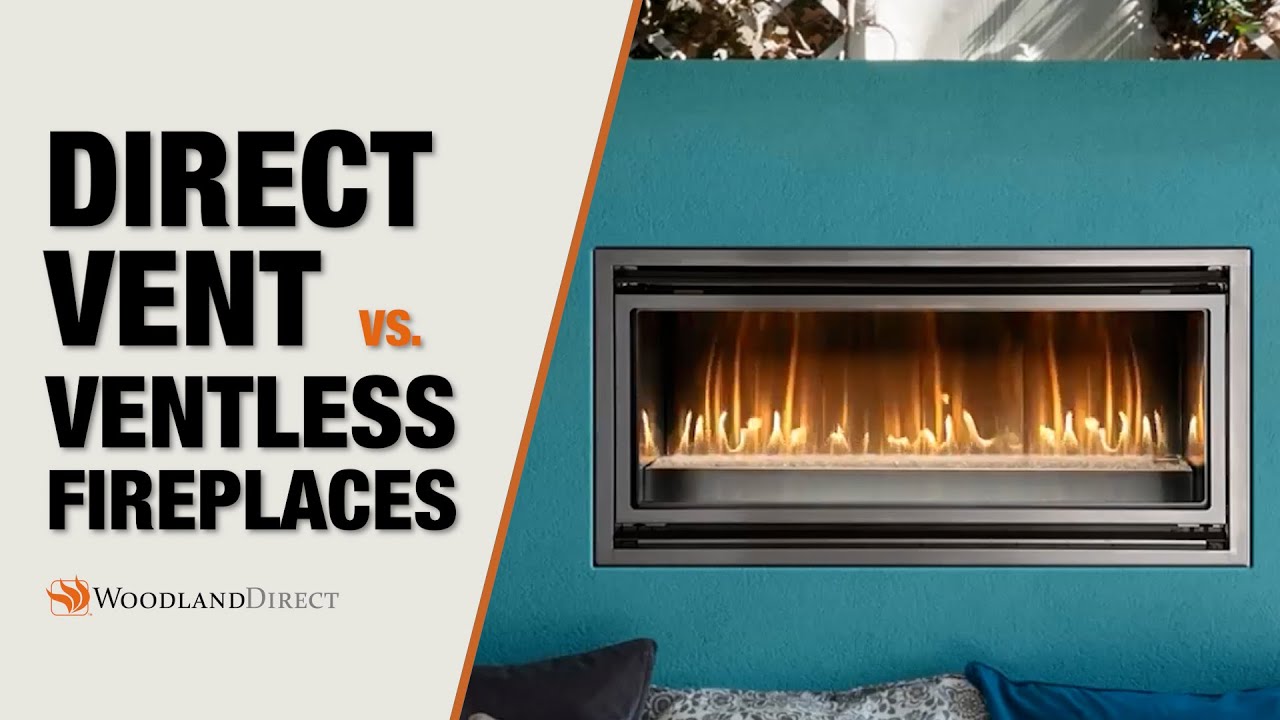
Fuel options for ventless gas fireplaces include both natural gas and propane connections, each offering distinct advantages depending on your home’s existing infrastructure. Natural gas connections provide convenient, continuous fuel supply without storage requirements or refill scheduling. Propane systems offer installation flexibility in homes without natural gas service but require periodic tank refilling and storage considerations. I prefer natural gas for permanent installations and propane for portable or seasonal units. Conversion kits allow switching between fuel types if your circumstances change, though professional installation ensures proper safety compliance with local codes and manufacturer specifications.
My experience with ventless gas fireplaces has convinced me they represent excellent solutions for modern homeowners seeking fireplace enjoyment without traditional installation and maintenance challenges. The combination of installation flexibility, design variety, efficient heating, and low maintenance creates compelling value propositions for various home improvement scenarios. Whether you want to add a romantic accent to your bedroom, create a cozy gathering space in your living room, or enhance an outdoor entertaining area, ventless gas fireplaces offer practical, beautiful solutions. Careful attention to safety requirements, proper sizing, and quality unit selection ensures years of reliable, enjoyable fireplace experiences in your home.

Are ventless gas fireplaces safe to use indoors?
Modern ventless gas fireplaces are designed with multiple safety features, including oxygen depletion sensors that automatically shut off gas flow when oxygen levels drop below safe thresholds. However, proper installation, adequate room ventilation, and carbon monoxide detectors are essential safety requirements that I never compromise on. These units burn gas very cleanly, producing minimal emissions when properly maintained and operated according to manufacturer guidelines. I follow the recommended usage limits of four hours continuous operation maximum and ensure rooms have adequate air circulation. Professional installation and annual inspections maintain optimal safety performance throughout the unit’s lifetime.
How much heat can I expect from a ventless gas fireplace?
Heat output varies significantly based on unit size and design, typically ranging from 10,000 to 40,000 BTUs for residential models in my experience. Smaller bedroom units produce 10,000-20,000 BTUs, suitable for rooms up to 500 square feet, while larger living room models generate 30,000-40,000 BTUs for spaces up to 1,000 square feet effectively. The absence of venting systems means nearly 100% of the generated heat enters your room rather than escaping through chimneys. Adjustable flame controls allow precise temperature management, and many units include thermostats for automatic temperature maintenance. Consider your room size, insulation quality, and desired temperature when selecting appropriate BTU ratings.
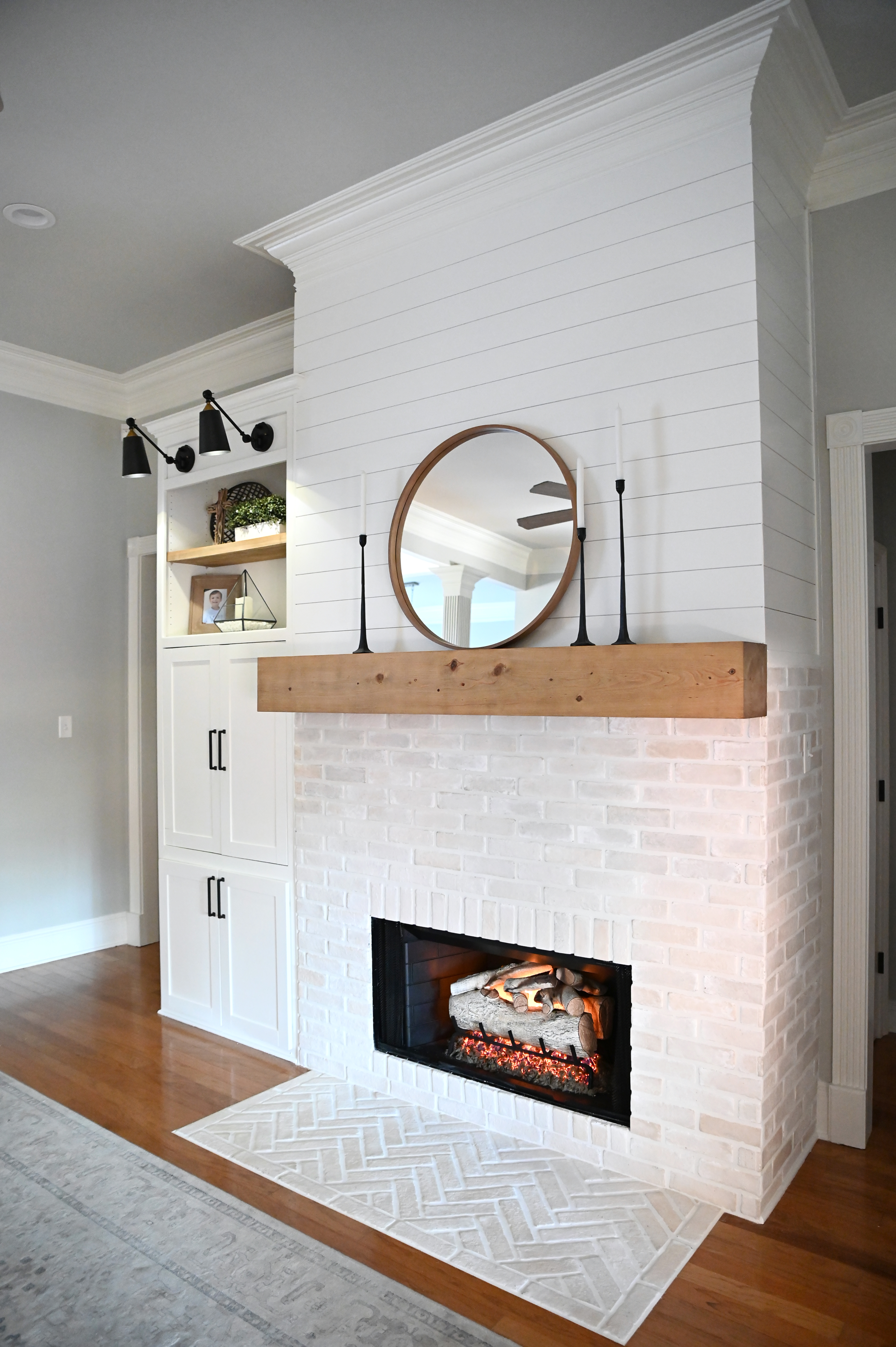
What’s the difference between ventless and vented gas fireplaces?
Ventless fireplaces burn gas so cleanly that no external venting is required, while vented units exhaust combustion gases through chimneys or direct vent systems to the exterior. This fundamental difference affects installation flexibility, heat efficiency, and safety considerations significantly. Ventless units convert nearly 100% of gas into usable room heat, while vented systems lose substantial heat through exhaust systems. Installation costs favor ventless systems since no venting infrastructure is needed. However, ventless units require more attention to room ventilation and safety protocols. I choose ventless for maximum heat efficiency and installation flexibility, vented for continuous operation needs.
Can I install a ventless gas fireplace myself?
While some mechanical skills help with installation, I strongly recommend professional installation for gas line connections and safety compliance with local building codes. Gas work requires proper licensing and expertise to ensure leak-free, safe connections that meet manufacturer specifications. Electrical connections for ignition systems and safety sensors also benefit from professional installation. I handle decorative elements, surround construction, and finishing work myself while leaving gas and electrical connections to qualified technicians. Professional installation typically costs $200-500 but ensures proper operation, warranty coverage, and compliance with local regulations. This investment provides peace of mind and prevents costly mistakes or safety hazards.

What maintenance do ventless gas fireplaces require?
Maintenance requirements are minimal compared to traditional wood-burning fireplaces, making ventless units very attractive for busy homeowners like myself. Annual professional inspections ensure safe operation and optimal performance of all safety systems and gas connections. I clean glass fronts monthly with appropriate cleaners to maintain clear views of flames. Decorative logs and components need occasional dusting or vacuuming to remove accumulated debris. Check and replace batteries in remote controls and carbon monoxide detectors as needed. No ash removal, chimney cleaning, or wood storage hassles exist with ventless systems. This low-maintenance operation allows enjoying the fireplace ambiance without time-consuming upkeep.
Are there restrictions on where I can install ventless gas fireplaces?
Local building codes and manufacturer specifications determine installation restrictions, which vary significantly by location and unit type. Most codes prohibit installation in bedrooms, bathrooms, or spaces smaller than the specified minimum square footage requirements for safety reasons. Adequate ceiling height, room ventilation, and clearance distances from combustible materials are mandatory considerations I always verify before installation. Some areas prohibit ventless units entirely due to air quality concerns. I research local codes thoroughly and consult with licensed professionals before purchasing units. Homeowner association rules and insurance requirements may also affect installation permissions. Always verify compliance with all applicable regulations before proceeding.

Difference Between Vented And Vent Free Gas Fireplaces – Fireplace Ideas

Modern Electric Fireplaces VS Ethanol Fireplace Inserts 𝗗𝗲𝗰𝗼𝗿 𝗦𝗻𝗼𝗯
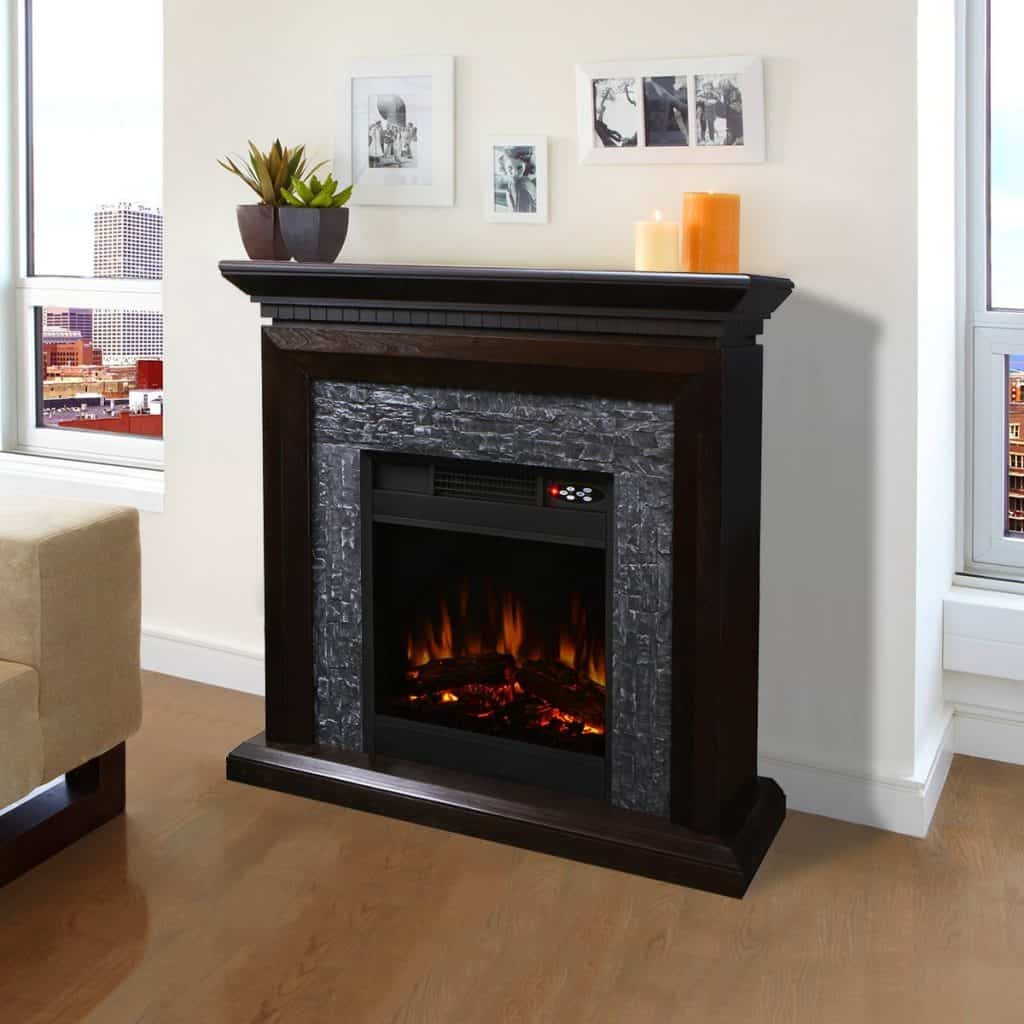
Double-Sided Gas Fireplace Indoor Outdoor – 2 Sided Fireplace Indoor Outdoor Fireplace Design
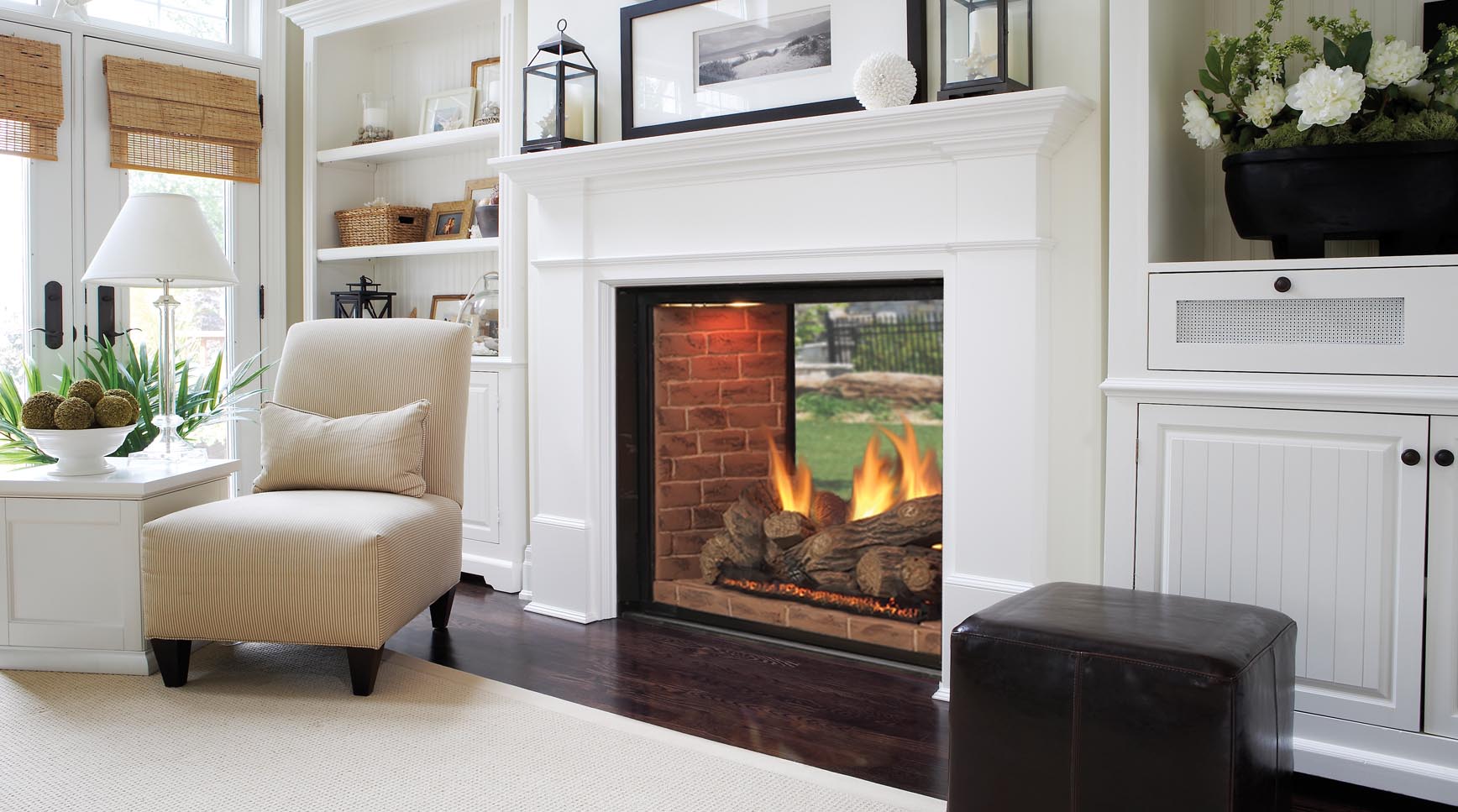
Ventless Gas Freestanding Fireplaces Compact Parlor Fireplaces

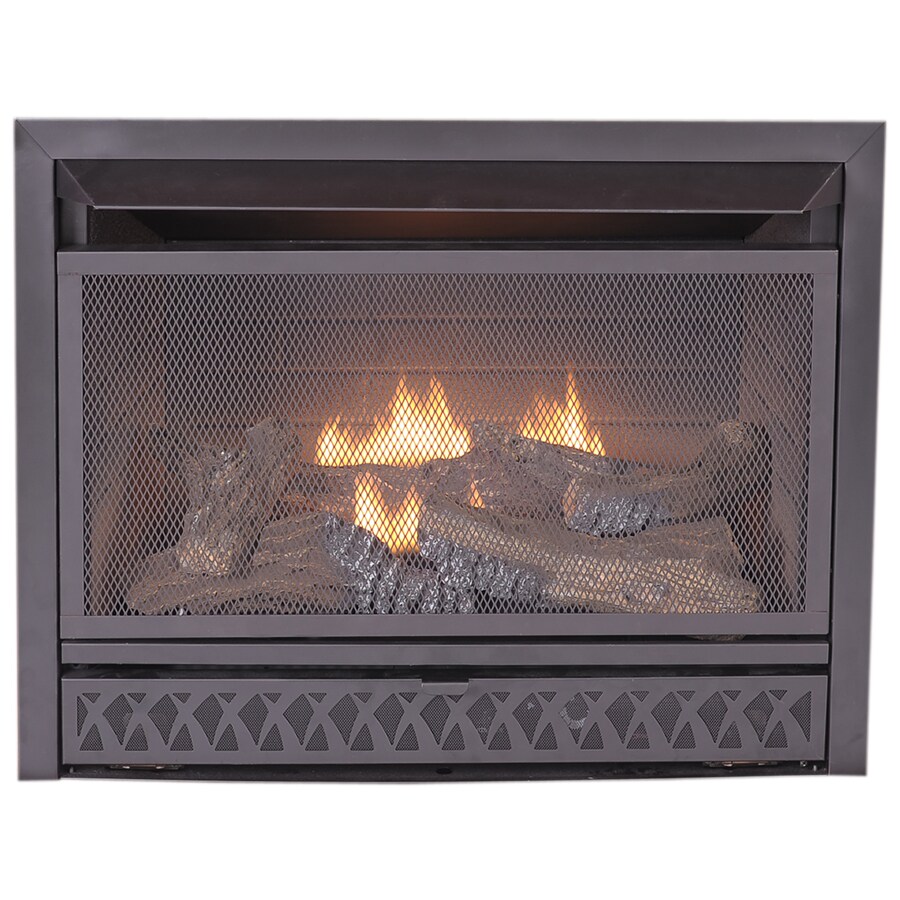
ProCom 28.75-in W 26,000–BTU Black Vent-Free Dual-Burner Gas Fireplace Insert with Thermostat
Related Posts: