A slate tile fireplace surround creates a striking focal point with its natural texture and rich color variations. This metamorphic rock offers durability and heat resistance, making it ideal for fireplace applications. Slate’s layered composition provides a unique surface that ranges from smooth to slightly textured, depending on the finish. Available in hues from deep charcoal to earthy greens and rustic reds, slate complements various design styles from traditional to contemporary. The material’s natural cleft surface adds depth and visual interest, while honed or polished options provide a more refined look. Installation requires proper preparation but results in a long-lasting, low-maintenance feature.
Slate’s natural properties make it exceptionally well-suited for fireplace surrounds. Its heat resistance prevents damage from high temperatures near wood-burning or gas fireplaces. The dense composition resists staining and moisture absorption when properly sealed. Unlike some stones, slate won’t etch from acidic substances or lose its color over time. These characteristics ensure the surround maintains its appearance despite exposure to fireplace heat and occasional sparks. The material’s thermal mass also helps radiate warmth into the room after a fire extinguisher. With proper installation and care, a slate surround can last decades without needing replacement.

Design possibilities with slate tile surrounds allow for creative expression. Large-format tiles create a seamless, modern appearance with minimal grout lines. Mosaic patterns introduce intricate detail and movement to the fireplace wall. Mixing different slate colors in geometric designs adds visual depth. Combining slate with contrasting materials like smooth marble or metal accents produces striking juxtapositions. The natural variations in slate mean each tile differs slightly, ensuring a one-of-a-kind installation. Homeowners can choose between uniform color schemes or embrace slate’s natural color blending for organic appeal. These options make slate adaptable to both rustic cabins and urban lofts.
Installation considerations for slate surrounds ensure proper performance and longevity. A level, stable substrate is essential—cement backer board works best for most applications. Thinset mortar designed for natural stone provides secure adhesion while accommodating slight tile variations. Spacers maintain consistent grout lines, typically 1/8 to 1/4 inch wide. Cutting slate requires a wet saw with a diamond blade to prevent chipping. The fireplace opening needs proper clearance from combustible materials, with non-combustible cement board extending beyond the tile edges. Professional installation guarantees correct techniques for cutting, setting, and sealing the slate properly.

Finish options for slate tiles impact both appearance and functionality. Natural cleft finishes showcase the stone’s layered texture and earthy character. Honed slate offers a smoother surface while retaining subtle mineral variations. Polished slate creates a glossy, more formal look but may be slippery in high-traffic areas. Tumbled slate features softened edges for a weathered, antique appearance. For fireplace surrounds, honed or natural cleft finishes often work best, providing texture without excessive dust collection. Some homeowners select bush-hammered slate for enhanced slip resistance in homes with children or pets. The finish choice affects maintenance requirements and overall aesthetic.
Maintaining a slate tile surround proves relatively simple with proper care. Regular dusting or dry mopping prevents abrasive particles from scratching the surface. pH-neutral stone cleaners preserve the sealant without damaging the slate. Immediate cleanup of spills prevents potential staining, especially with lighter-colored slate. Resealing every 1-3 years maintains protection against moisture and stains, more frequently in high-use areas. Avoid harsh chemicals or abrasive pads that could degrade the surface. With routine maintenance, slate retains its beauty without demanding extensive upkeep. The material’s natural resilience makes it forgiving of occasional neglect compared to more delicate stones.

Cost factors for slate surrounds vary based on quality, origin, and finish. Domestic slate averages 5−5−10 per square foot, while imported varieties may cost 8−8−20. Higher-grade slate with consistent color and minimal imperfections commands premium prices. Installation adds 5−5−15 per square foot, depending on complexity. While more expensive than ceramic tile, slate offers greater durability and natural beauty. The long lifespan often makes slate more cost-effective than materials requiring frequent replacement. Budget-conscious homeowners can use slate as an accent alongside less expensive materials to control costs while maintaining visual impact.
Safety features of slate surrounds provide peace of mind. The material’s natural texture offers better slip resistance than polished marble or granite. Slate doesn’t emit harmful substances when heated, unlike some synthetic materials. Properly installed surrounds maintain required clearances from firebox openings. The stone’s weight and stability prevent shifting or loosening over time. These characteristics make slate suitable for households with children or pets. Ensuring corners are slightly rounded or eased prevents sharp edges in high-traffic areas. The inherent safety of slate contributes to its popularity for residential fireplace applications.

Comparing slate to other natural stone surrounds highlights its advantages. Unlike marble, slate resists etching and staining better. Compared to limestone, it offers greater durability and less porosity. While granite provides similar hardness, slate typically costs less and offers more color variation. Travertine shares slate’s earthy appeal but requires more frequent sealing. Sandstone offers comparable texture but lacks slate’s layering and density. For homeowners seeking natural stone with character, moderate cost, and excellent performance, slate often emerges as the ideal compromise among premium materials.
In conclusion, a slate tile fireplace surround delivers enduring beauty and practical functionality. Its natural variations ensure a unique installation that enhances any decor style. Proper installation and maintenance preserve its appearance through the years of use. The stone’s thermal properties contribute to home comfort while its safety features protect household members. Whether creating a new fireplace or upgrading an existing one, slate offers a sophisticated solution that adds lasting value to your home. With proper selection and care, your slate surround will remain a cherished feature for generations.

How does slate compare to marble for fireplace surrounds?
Slate offers several advantages over marble for fireplace applications. It’s more heat-resistant and less prone to etching from acidic spills or cleaning products. Slate’s natural texture provides better slip resistance than polished marble, while still offering elegant color variations. Cost-wise, slate typically runs 20-40% less expensive than quality marble. Both stones require sealing, but slate’s density makes it more forgiving of minor stains. For high-traffic areas or homes with children/pets, slate often proves more practical while maintaining luxury appeal.
Can slate hearth tiles be used with radiant floor heating?
Yes, slate works well with radiant heating systems due to its excellent thermal conductivity. The stone efficiently transfers heat from the system while retaining warmth effectively. Use a quality thinset mortar designed for heated floors, and ensure the heating elements are properly installed beneath the backer board. Expansion joints are particularly important in heated installations to accommodate temperature-related movement. The system should be turned on gradually to prevent thermal shock to the stone. Slate’s natural warmth makes it ideal for creating cozy spaces when paired with radiant heat.
What’s the best way to clean and maintain a slate surround?
Regular dusting with a microfiber cloth prevents abrasive dirt buildup. For deeper cleaning, use a pH-neutral stone cleaner and soft brush, rinsing thoroughly. Avoid vinegar, lemon juice, or harsh chemicals that can etch the surface. Blot spills immediately, especially oils or colored liquids. Reseal the slate every 1-3 years with a penetrating sealer, more frequently in high-use areas. For natural cleft slate, pay special attention to keeping textured surfaces clean. Periodic professional cleaning can restore the stone’s original luster if it becomes dull over time.
How thick should slate tiles be for a fireplace surround?
Standard thickness for slate hearth tiles ranges from 3/8 inch to 3/4 inch. The thicker option provides greater durability for high-traffic areas or homes with active children/pets. Thicker tiles also offer better heat retention properties. For vertical surround applications, 1/2 inch thickness typically suffices. Always verify local building codes, as some jurisdictions specify minimum hearth thickness requirements for wood-burning fireplaces. Thinner tiles may be acceptable for electric or gas fireplace surrounds, but lack the substance needed for traditional hearths.

Does slate discolor or crack from fireplace heat?
Properly installed slate withstands typical fireplace heat without discoloration or cracking. The stone naturally forms under intense geological pressure, making it inherently heat-resistant. However, direct flame contact should be avoided, and proper clearance must be maintained per the fireplace manufacturer’s specifications. Rapid temperature changes (like cold water on a hot hearth) could potentially cause cracking. Choosing quality slate with minimal existing fissures reduces this risk. Over the decades, some color fading may occur in direct sunlight, but heat from normal fireplace use won’t affect the stone’s hue.
Can slate surround tiles be installed over an existing brick fireplace?
Yes, slate can be installed over existing brick with proper preparation. The brick surface must be clean, sound, and level. Apply a cement-based leveling compound if needed to smooth uneven areas. Use a high-quality polymer-modified thinset mortar for maximum adhesion. For wood-burning fireplaces, verify that adding slate won’t reduce required clearance dimensions below code requirements. This overlay method saves demolition work while completely transforming the fireplace’s appearance. Ensure the additional weight won’t stress the existing structure, especially for raised hearths.

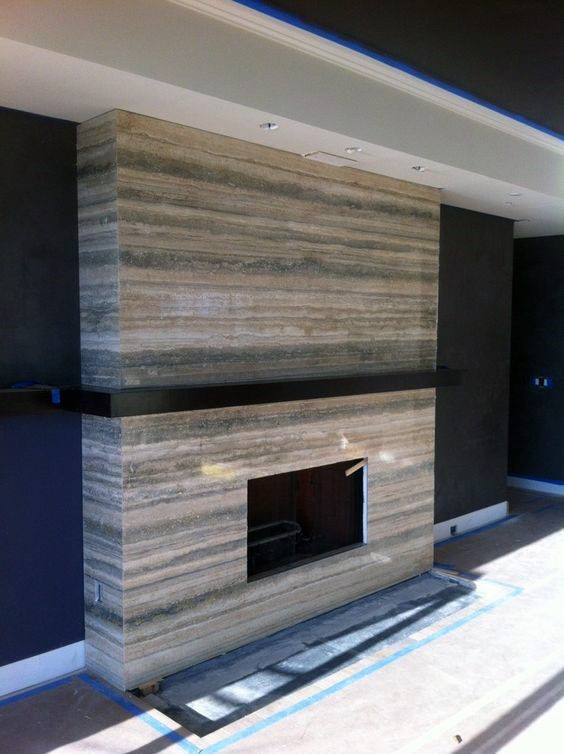
Gallery Artistic Stone Kitchen & Bath, Inc.

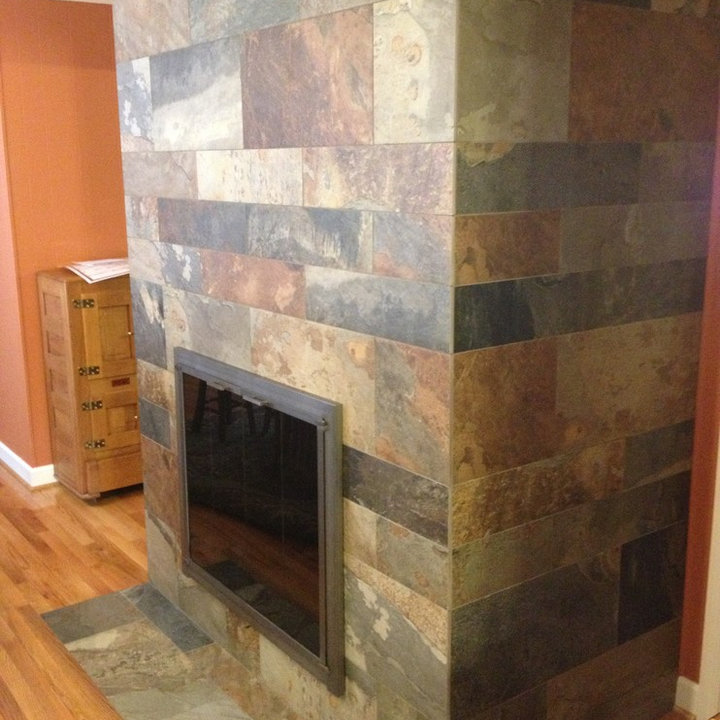
Slate Tile Fireplace
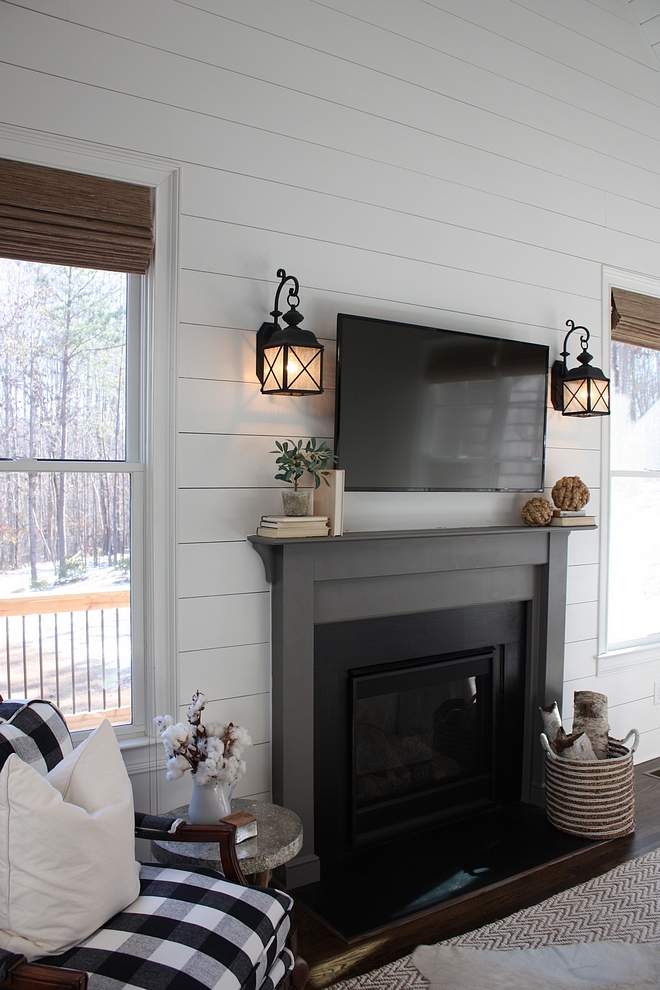
Home Bunch Interior Design
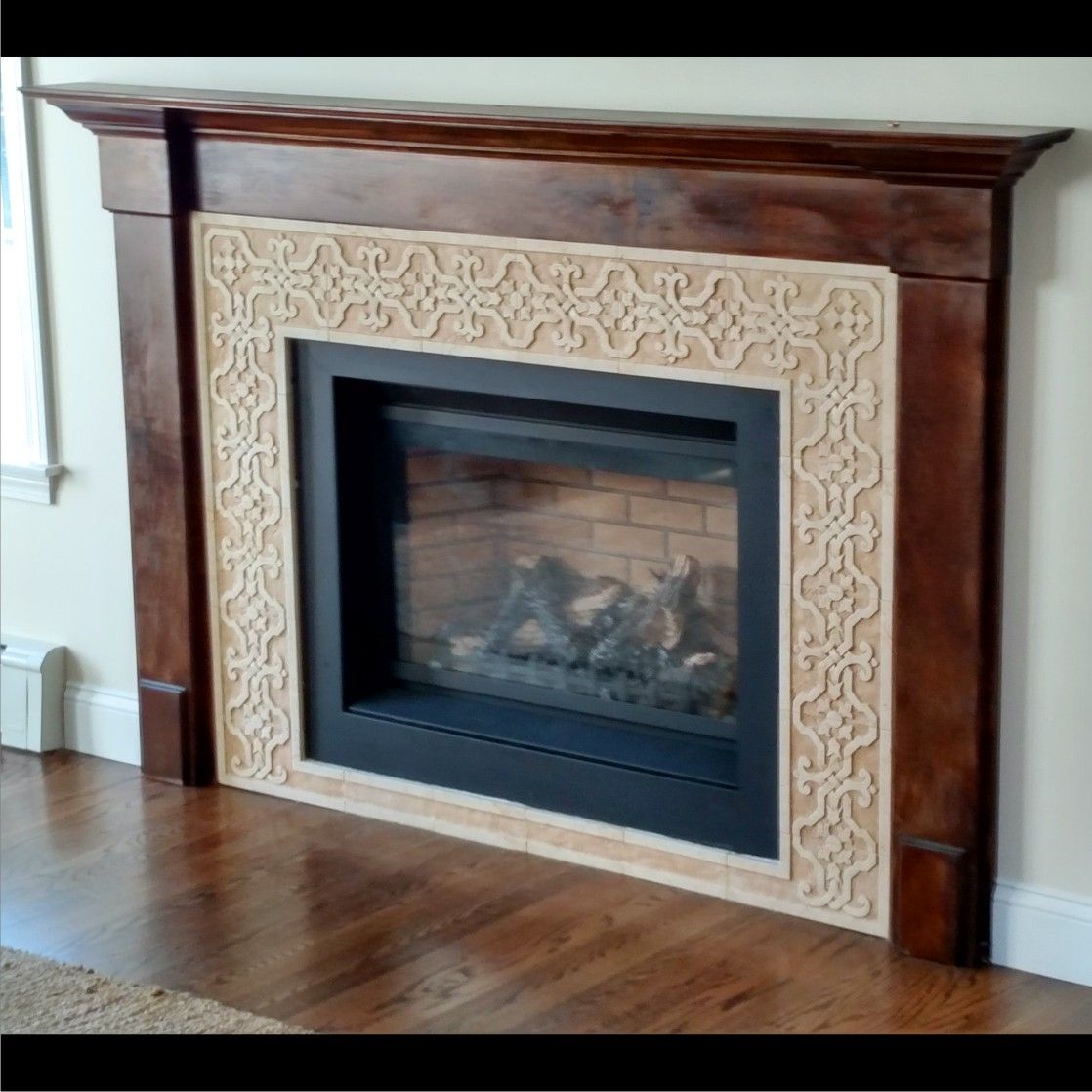
Hand Made Carved Marble Tile Fireplace Surround by Artisan Fabricating, Inc. CustomMade.com
Related Posts:
- Cottage Fireplace Surround
- DIY Rustic Fireplace Surround
- Vintage Cast Iron Fireplace Surround
- Delft Tile Fireplace Surround
- Fireplace Surround DIY Ideas
- Gas Fireplace Surrounds Ideas
- Grey Tile Fireplace Surround
- Modern Fireplace Surround Ideas
- DIY Electric Fireplace Surround Ideas
- How To Redo A Fireplace Surround