When I first considered adding an outdoor gas fireplace to my backyard, I envisioned creating a cozy gathering spot that would extend our living season. The installation process required careful planning, from choosing the right location to ensuring proper gas line access. I opted for a natural gas model connected to my home’s existing supply, eliminating the hassle of propane tank refills. The stone surround I selected complements our home’s exterior while withstanding seasonal weather changes. Now, this feature has become our favorite entertainment area, providing warmth and ambiance from early spring through late fall. Friends and family naturally gravitate toward the fire’s glow during evening gatherings.
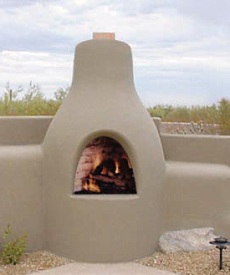
Selecting the right style and materials for my outdoor fireplace involved balancing aesthetics with durability. I chose a rustic stone design that matches our home’s architecture while standing up to harsh winters. The firebox features a ceramic log set that creates remarkably realistic flames without the mess of wood. I made sure the mantel height worked comfortably with our outdoor furniture arrangement. The granite capstone provides a wide surface for drinks and decorations while resisting moisture damage. Seeing the completed structure during our first fire made all the planning worthwhile—it looked like it had always belonged in our backyard landscape.
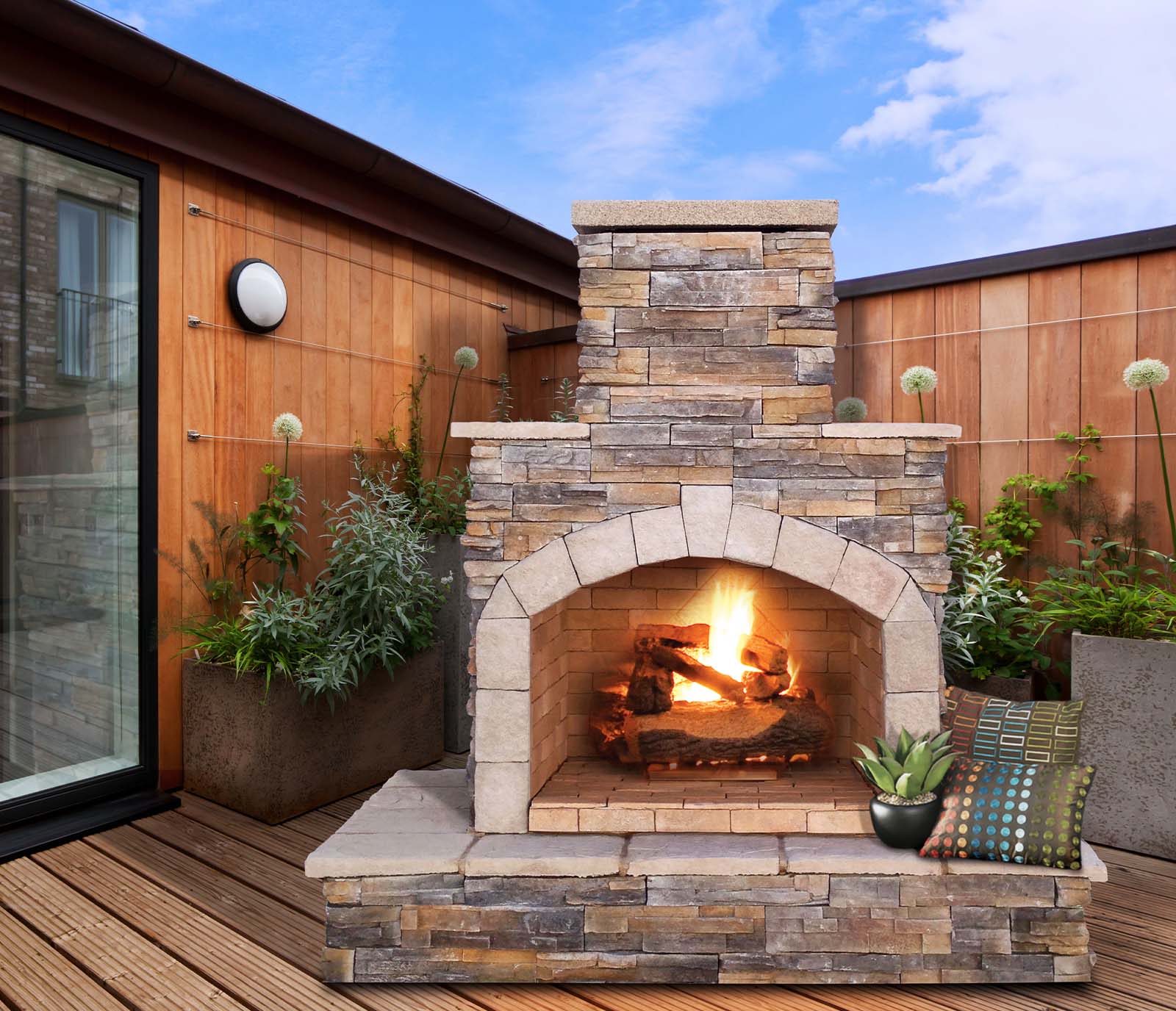
Installation required professional help for the gas line and masonry work, but the results justified the investment. The crew dug trenches for the gas line before pouring a concrete foundation sized for the fireplace’s weight. They constructed the stone surround with proper ventilation and installed a durable stainless steel firebox. The final step involved connecting the gas line and testing all safety features. I appreciated how the installers positioned the fireplace to create a natural conversation area with our existing patio furniture. The entire process took about a week, but the finished product has delivered years of enjoyment.
Living with an outdoor gas fireplace has transformed how we use our backyard throughout the year. We now host gatherings well into autumn, with the fire providing warmth as temperatures drop. The instant ignition means we can have flames dancing within seconds of deciding to use the space. I particularly love quiet mornings with a coffee by the fire, watching steam rise in the cool air. During summer evenings, we often use just the flames for ambiance without heat. This flexibility has made our outdoor area feel like a true extension of our indoor living space rather than just a fair-weather destination.

Maintenance has proven simpler than I expected for an outdoor feature. An annual inspection checks the gas lines, burner, and ignition system for proper operation. I clean the ceramic logs with a soft brush to remove debris and occasionally wipe down the glass doors. The stone surround requires no special care beyond occasional rinsing with a garden hose. Before winter, I cover the firebox with a custom-fit waterproof cover to protect it from snow and ice. These minimal upkeep requirements make the fireplace enjoyable rather than burdensome.
Safety considerations were important in our fireplace design and usage habits. I installed a protective screen to prevent sparks, though gas fires produce fewer embers than wood. The surrounding patio area has non-flammable materials extending several feet in all directions. We always turn off the gas completely when not using the fireplace and keep children supervised near the flames. The professional installation ensured proper clearances from our house and overhead structures. These precautions let us enjoy the fire with complete peace of mind during every use.

Designing the surrounding area maximized our fireplace’s functionality and appeal. I arranged comfortable weatherproof furniture in a U-shape facing the fire, creating an intimate conversation pit. Strategic landscape lighting highlights the stonework while providing safe pathways after dark. Container gardens flank the sides with evergreen plants that maintain interest year-round. A small side table keeps essentials within reach without cluttering the seating area. These elements work together to create a cohesive outdoor room centered around the fireplace’s warmth and beauty.
Cost factors varied significantly based on materials and installation complexity. The stonework and custom firebox represented the largest expenses, while the gas line installation cost less than anticipated. I saved money by choosing locally sourced stone rather than imported materials. When comparing the investment to how much we now use our outdoor space, the fireplace has proven worth every dollar. The added property value and years of enjoyment make it one of our smartest home improvements.

Seasonal use has expanded beyond my initial expectations thanks to the fireplace’s reliable performance. Spring finds us gathered around the fire on chilly evenings, often with blankets and hot drinks. Summer nights see the flames creating ambiance for outdoor dinners and late conversations. Autumn is when the fireplace truly shines, allowing us to extend our outdoor season through October. Even winter offers occasional use during clear, cold days when the sun makes the patio comfortable with supplemental heat. This year-round utility makes the space feel valuable rather than seasonal.
After three years with our outdoor gas fireplace, I consider it an essential part of our home. The convenience of instant fires without wood preparation keeps us using them frequently. The aesthetic appeal enhances our backyard during daylight hours, even when not in use. Most importantly, it has created countless memories with loved ones gathered around its warmth. For anyone considering adding an outdoor fireplace, I recommend viewing it as an investment in lifestyle rather than just a construction project. The returns in comfort and enjoyment far exceed the initial costs.

What’s the difference between natural gas and propane outdoor fireplaces?
Natural gas connects to your home’s supply line, offering unlimited fuel but requiring professional installation. Propane uses portable tanks that need refilling but offer more placement flexibility. I chose natural gas for convenience, though propane works better for remote locations. Conversion kits exist for switching between fuels, but most units are designed for one specific gas type. Consider availability, cost, and placement when deciding between these options.
How much does an outdoor gas fireplace typically cost?
Prices range from $3,000 for basic pre-fabricated units to $15,000+ for custom masonry designs. My mid-range stone fireplace with professional installation costs about $8,000. Factors affecting cost include materials, firebox quality, gas line distance, and labor. Pre-fabricated models offer significant savings but lack the custom look of built-in units. Get multiple quotes and consider long-term enjoyment rather than just initial price.
Can you cook on an outdoor gas fireplace?
While not designed as grills, some models accommodate cooking with optional accessories. My fireplace can hold a pizza oven attachment, though I use it primarily for ambiance. Look for units with wider fireboxes and cooking surfaces if food preparation interests you. Always verify weight limits and heat resistance for any accessories. For serious cooking, a dedicated outdoor kitchen might better suit your needs.
What maintenance do outdoor gas fireplaces require?
Annual professional inspections ensure gas lines and connections remain safe. I clean my burner ports monthly during peak season using a soft brush. The glass doors need occasional cleaning with ceramic glass cleaner. Cover the fireplace when not in use, especially during the winter months. Check for insect nests in the burner area each spring before first use. These simple steps maintain performance and safety.

How safe are outdoor gas fireplaces around children and pets?
Very safe when proper precautions are taken. The glass front stays cooler than wood fire screens, and there are no flying embers. I installed a safety screen as an extra barrier and always supervise young children near the flames. Teach kids to maintain a safe distance, just as with indoor fireplaces. The controlled flame and automatic shutoff features make gas safer than wood alternatives.
Can outdoor gas fireplaces be used under covered patios?
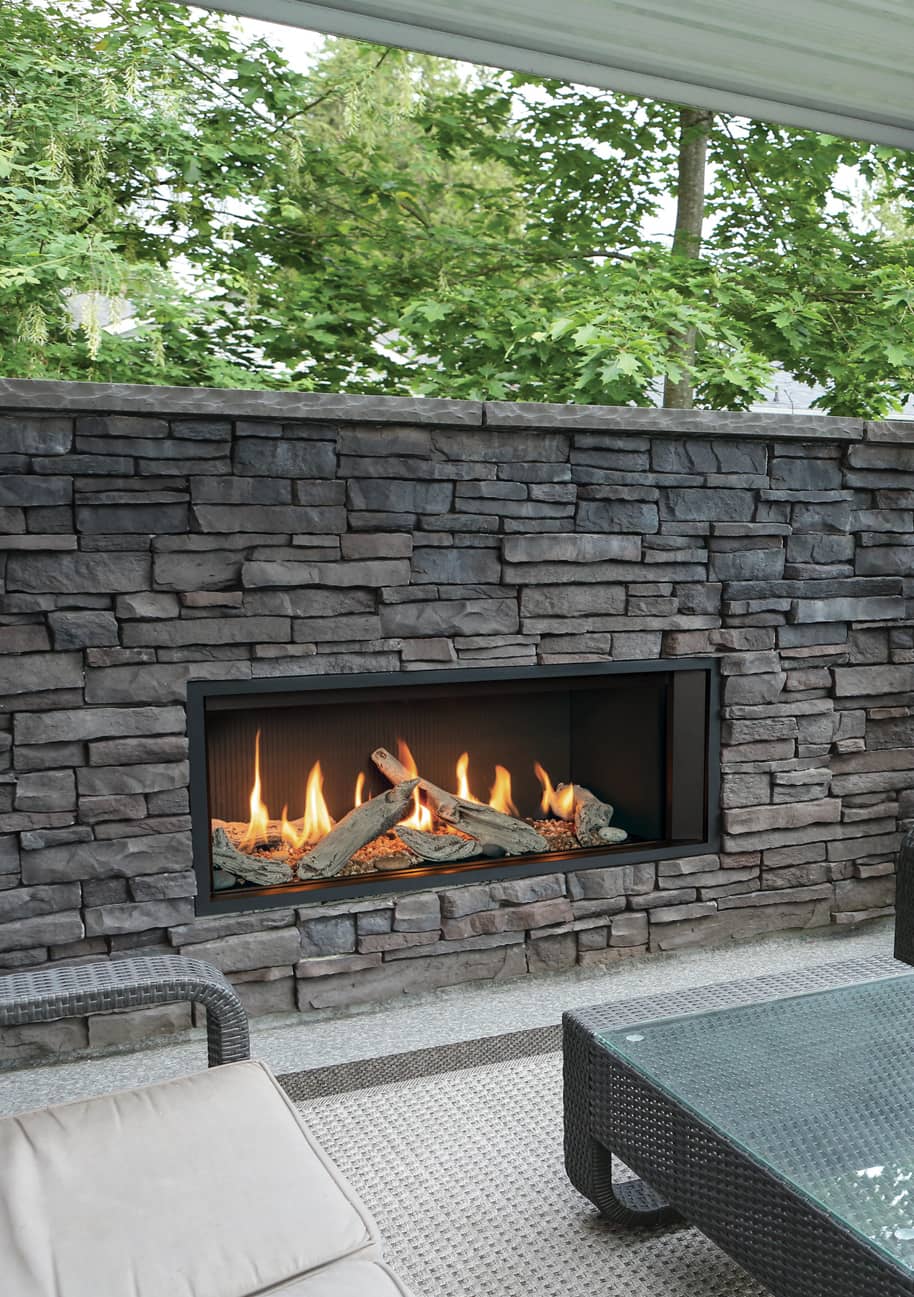
Yes, with proper ventilation and clearance from combustible materials. My covered patio installation required specific height clearances from the roof and used non-flammable materials around the fireplace. Vent-free models exist but aren’t recommended for enclosed spaces. Always follow local building codes and manufacturer specifications for covered installations. Professional installers ensure correct clearances for safe operation.

Reviews for FOOWIN Propane Fire Pit Table,Outdoor Companion,28 Inch 2

Outdoor Gas Fireplace OptionsCustom Looks Without The Costs!
Gas fireplace, outdoor model in black Bioethanol-fireplace
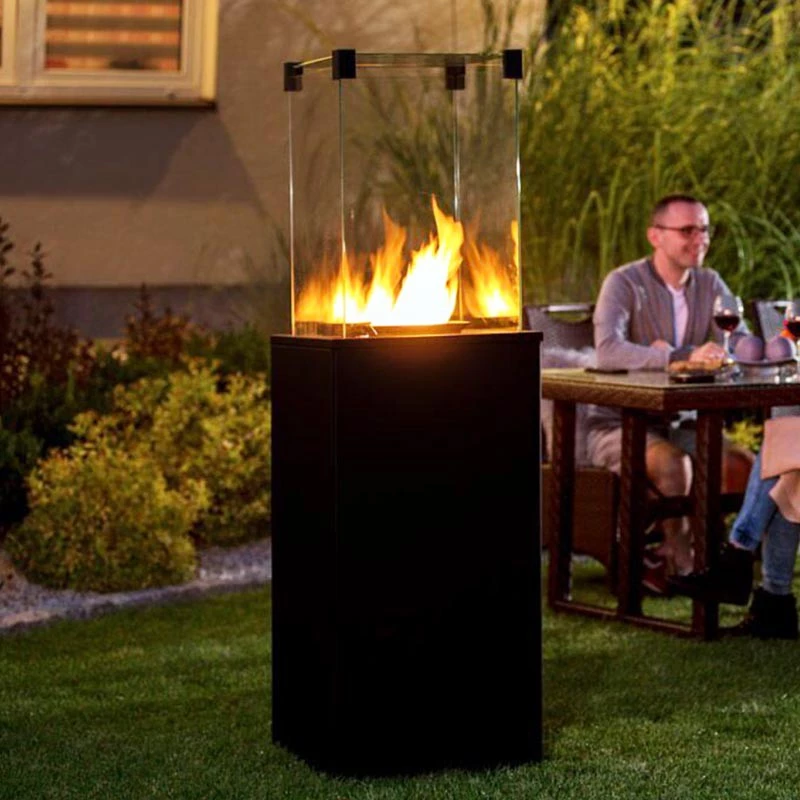
Outdoor Gas Fireplaces . . . Hot Choices!
Kozy Heat Z42 Wood Burning Fireplace Mountain Home Center

Related Posts: