Three years ago, I decided to replace my old wood-burning fireplace with a modern indoor gas unit, and this decision completely transformed my living space. The convenience of instant flames at the touch of a button eliminated the hassle of hauling wood, cleaning ashes, and dealing with smoke. My research revealed that contemporary gas fireplaces offer incredible efficiency ratings, often reaching 80-90% compared to traditional wood fireplaces that lose most heat up the chimney. The sleek designs available today complement modern interior aesthetics while providing consistent, controllable warmth throughout my home.
Shopping for my modern gas fireplace opened my eyes to amazing technological advances in home heating appliances. Direct vent systems impressed me most since they draw combustion air from outside while exhausting gases through the same wall penetration. This sealed system means no indoor air gets consumed, maintaining better indoor air quality than traditional fireplaces. Remote controls, smartphone apps, and programmable thermostats add convenience I never expected from a fireplace. Some models even include LED accent lighting and adjustable flame heights, creating a customizable ambiance for any occasion or mood.

Installation required professional expertise, but the process was surprisingly straightforward compared to traditional fireplace construction. My contractor explained how modern gas fireplaces can be installed almost anywhere with proper venting, not just existing chimney locations. The direct vent system only needs a small hole through an exterior wall, making installation possible in rooms where traditional fireplaces would be impossible. Zero clearance models allow installation directly against combustible materials with proper insulation. This flexibility meant I could position my fireplace exactly where it would have maximum visual and heating impact.
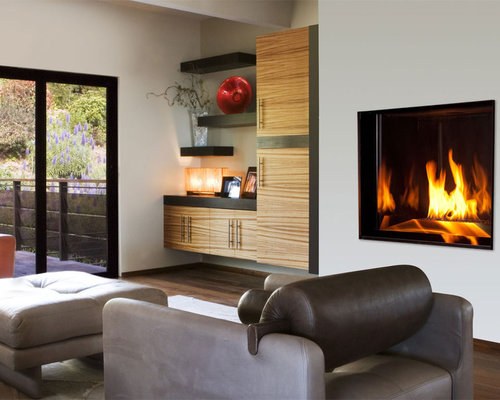
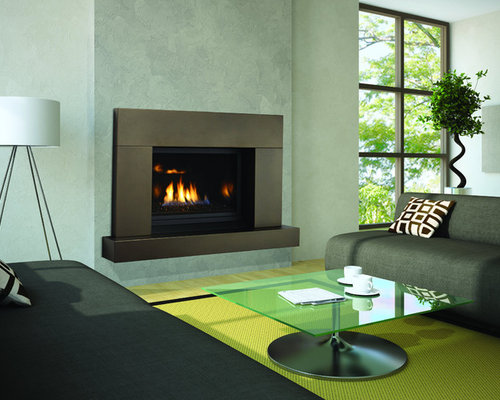
Design options available for modern gas fireplaces amazed me with their variety and sophistication. Linear models create stunning contemporary focal points with wide, horizontal flame presentations. Traditional styles mimic classic wood-burning appearances for homes with period architecture. See-through units can separate rooms while providing warmth to both spaces. Corner installations maximize space efficiency while creating unique architectural interest. My choice of a 48-inch linear model with glass media created the perfect modern centerpiece that complements my minimalist decor while providing substantial heating capacity.
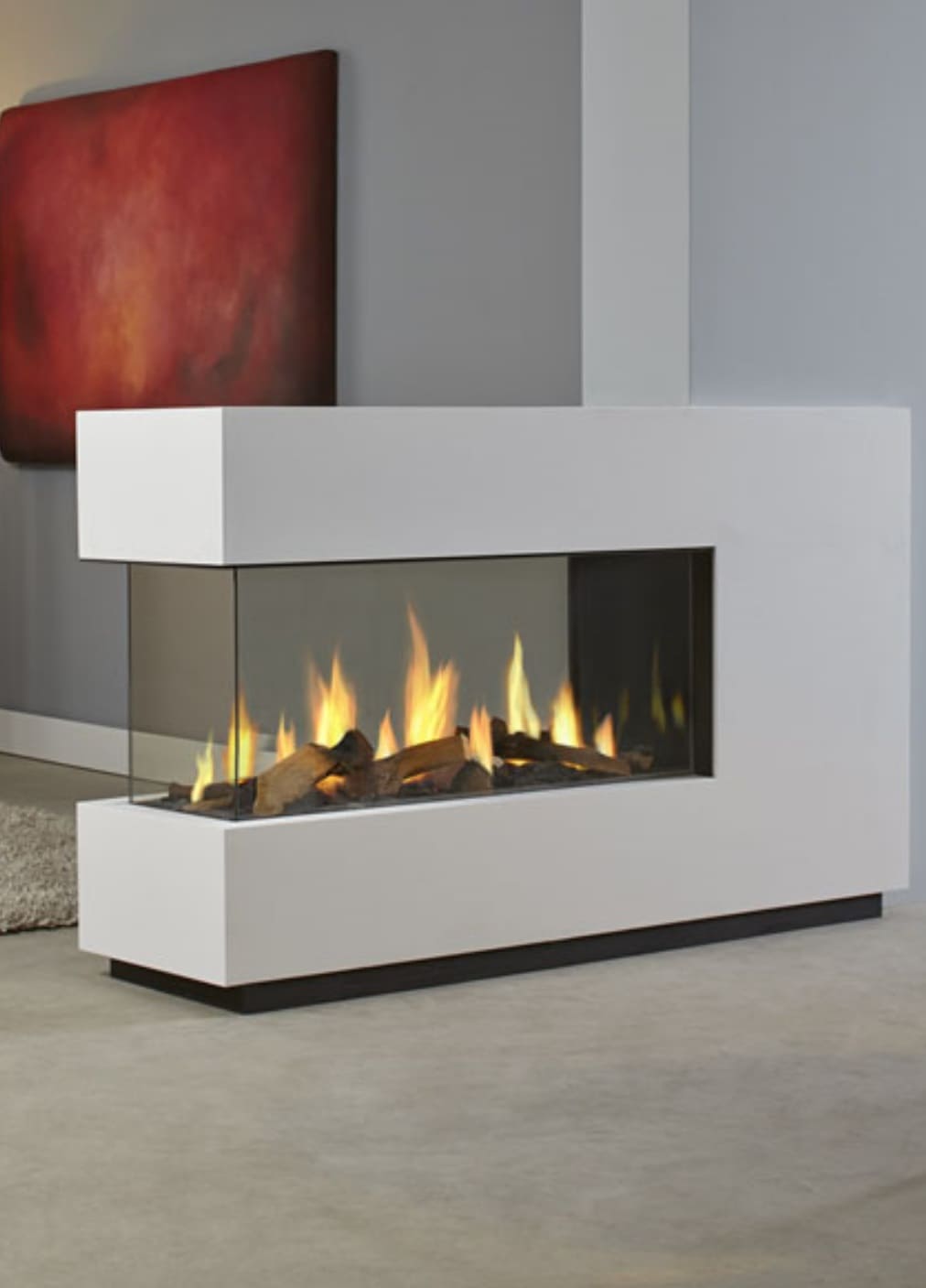
Efficiency became a major factor in my decision to choose gas over other heating alternatives. My new unit heats my 2,000-square-foot main floor effectively while using significantly less energy than my old electric baseboard system. The zone heating capability means I can warm occupied areas without heating my entire house, reducing overall energy costs substantially. Programmable features allow me to schedule operation during peak usage times while maintaining comfortable temperatures. During power outages, my battery backup system ensures continued operation, providing both heat and comfort when I need it most.
Safety features in modern gas fireplaces provide peace of mind that older heating systems couldn’t match. Automatic shutoff mechanisms activate if oxygen levels drop or if the unit overheats beyond safe parameters. Sealed combustion systems prevent carbon monoxide from entering my living space. Tempered glass fronts stay relatively cool while providing clear flame views. Childproof controls prevent accidental operation by curious little hands. My unit includes multiple sensors that continuously monitor operation and shut down the system if any unsafe condition is detected, ensuring my family’s safety.
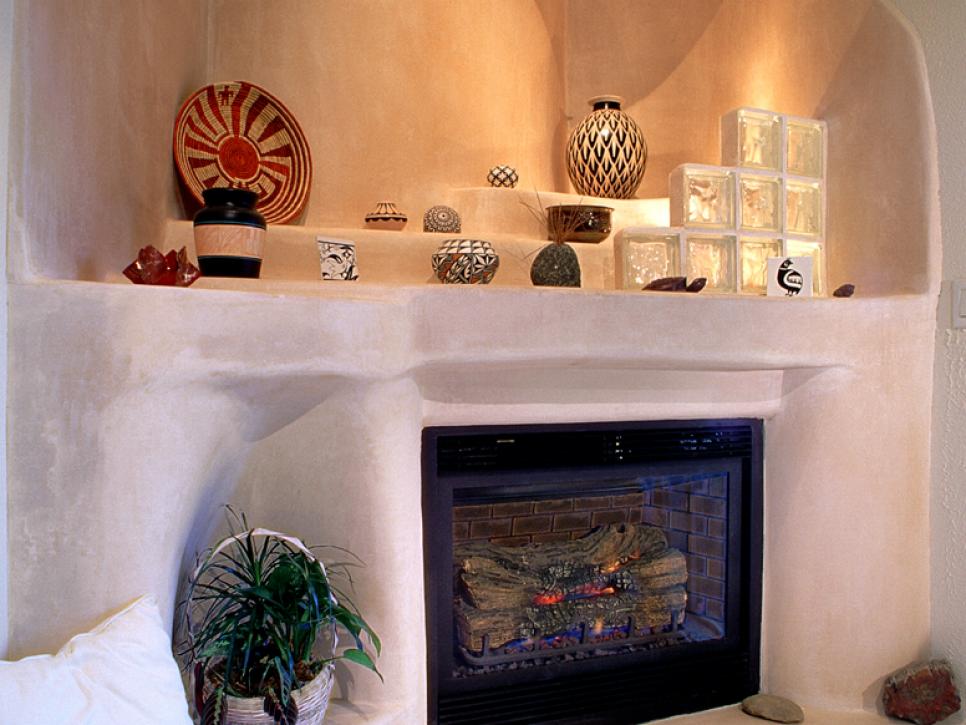
Maintenance requirements proved much simpler than I anticipated when choosing my modern gas fireplace system. Annual professional inspections ensure safe operation and optimal efficiency, but daily maintenance is virtually non-existent. No ash removal, chimney cleaning, or wood storage means I can enjoy cozy fires without the work associated with traditional fireplaces. Occasional glass cleaning and checking remote control batteries represent the extent of regular upkeep required. My technician performs annual gas line inspections and burner adjustments during routine service visits, maintaining peak performance with minimal inconvenience.
Cost considerations initially concerned me, but the long-term savings and benefits justified my investment in modern gas fireplace technology. Purchase and installation costs were comparable to high-end wood-burning inserts, but operational costs proved significantly lower than electric heating alternatives. Natural gas prices remain stable in my area, providing predictable heating expenses. The increased home value and improved energy efficiency create long-term financial benefits beyond immediate comfort improvements. Utility company rebates for high-efficiency appliances helped offset initial costs, making the upgrade more affordable than expected.

Environmental impact was another factor that influenced my decision to choose a modern gas fireplace over traditional alternatives. Clean-burning natural gas produces significantly fewer emissions than wood combustion while delivering superior heating efficiency. No particulate matter or smoke means better air quality both indoors and in my neighborhood. The elimination of wood harvesting and transportation reduces my carbon footprint considerably. High-efficiency ratings mean maximum heat output from minimum fuel consumption, making gas fireplaces environmentally responsible choices for eco-conscious homeowners seeking sustainable heating solutions.
My modern indoor gas fireplace has exceeded every expectation I had when beginning this home improvement project. The combination of convenience, efficiency, and aesthetic appeal transformed my living room into a comfortable gathering space that family and friends love to enjoy. Instant warmth and ambiance enhance both casual evenings and special occasions throughout the year. The reliability and safety features provide confidence that was missing with my old fireplace. This upgrade represents one of my best home improvement investments, delivering comfort, value, and satisfaction that continues to enhance my daily life.
How much does it cost to install a modern indoor gas fireplace?
Installation costs typically range from $3,500 to $8,000 depending on unit type, venting requirements, and local labor rates. My linear model with direct venting cost approximately $5,200 installed, including permits and gas line connections. Factors affecting price include existing gas availability, wall modifications needed, and chosen fireplace style. Zero clearance units often cost less to install than traditional insert models. Get multiple quotes from certified installers, as prices vary significantly between contractors. Quality installation ensures safety and optimal performance throughout the fireplace’s lifespan.
Do modern gas fireplaces provide effective heating for large spaces?
Yes, properly sized gas fireplaces can effectively heat substantial areas. My 40,000 BTU unit comfortably heats my 2,000-square-foot main floor, reducing reliance on central heating systems. Heat output ratings help determine appropriate sizing for your space. Direct vent models typically provide more heating capacity than ventless units. Ceiling fans help distribute warm air throughout larger rooms. Consider your home’s insulation quality and layout when selecting heating capacity. Professional assessment ensures proper sizing for optimal efficiency and comfort in your specific application.

Are there any ventilation requirements for indoor gas fireplaces?
Most modern gas fireplaces require direct venting to exterior walls for safe operation and optimal efficiency. Direct vent systems use sealed combustion chambers that draw outside air for burning while exhausting gases through the same wall penetration. Ventless models exist but have restrictions in many areas due to indoor air quality concerns. My direct vent system maintains excellent indoor air quality while providing maximum heating efficiency. Check local building codes, as some areas prohibit ventless gas appliances in bedrooms or other specific locations.
How often do modern gas fireplaces need professional maintenance?
Annual professional maintenance ensures safe operation and maintains warranty coverage for most modern gas fireplace systems. My technician performs comprehensive inspections including gas line checks, burner adjustments, and safety system testing during yearly service visits. Between professional services, I only need to clean glass surfaces and replace remote control batteries as needed. Regular maintenance prevents costly repairs while ensuring optimal efficiency and safety. Some manufacturers require annual service to maintain warranty protection, making professional maintenance a wise investment for long-term performance.
Can I control my gas fireplace with a smartphone app?
Many modern gas fireplaces offer smartphone connectivity through Wi-Fi enabled control systems. My unit includes app control that allows remote operation, temperature adjustment, and scheduling from anywhere with internet access. Features typically include on/off control, flame height adjustment, and programmable timers. Some apps provide usage monitoring and maintenance reminders. Smart home integration with systems like Alexa or Google Home adds voice control capabilities. Not all models include smart features, so verify connectivity options when shopping if remote control capability is important to your needs.
What’s the difference between direct vent and ventless gas fireplaces?
Direct vent fireplaces use sealed combustion systems that draw outside air for burning while exhausting gases through exterior walls. This design maintains indoor air quality while providing maximum efficiency and safety. Ventless models burn indoor air and release combustion products into living spaces, requiring excellent ventilation and having capacity limitations. I chose direct vent for superior air quality and heating capacity. Ventless units cost less to install but have operational restrictions in many areas. Direct vent systems offer better performance and safety, making them preferable for most applications.
Stunning modern living room. Nice clean lines! #Regram via @alexandra.interi… Living room

Fireplaces
The Kiva Fireplace . . . Steppin’ Up & Out, Southwest Style!
Related Posts: