A brick fireplace adds warmth and character to any home, but over time, the bricks can deteriorate due to heat, moisture, and soot buildup. Sealing the brick is essential to protect it from damage and maintain its appearance. The process involves cleaning, repairing, and applying a high-quality sealant designed for masonry. Proper sealing prevents moisture absorption, reduces soot staining, and makes future cleaning easier. Before starting, gather all necessary materials, including a stiff brush, masonry cleaner, sealant, and protective gear. Planning ahead ensures the job is done efficiently and safely.
The first step is to thoroughly clean the brick surface to remove dirt, soot, and old sealant residues. Use a stiff-bristle brush and a specialized masonry cleaner to scrub the bricks and mortar. For heavy soot buildup, a trisodium phosphate (TSP) solution can be effective. Rinse the area with water and allow it to dry completely, which may take 24 to 48 hours. Avoid using harsh chemicals that could damage the brick. Proper cleaning ensures the sealant adheres well and provides long-lasting protection.
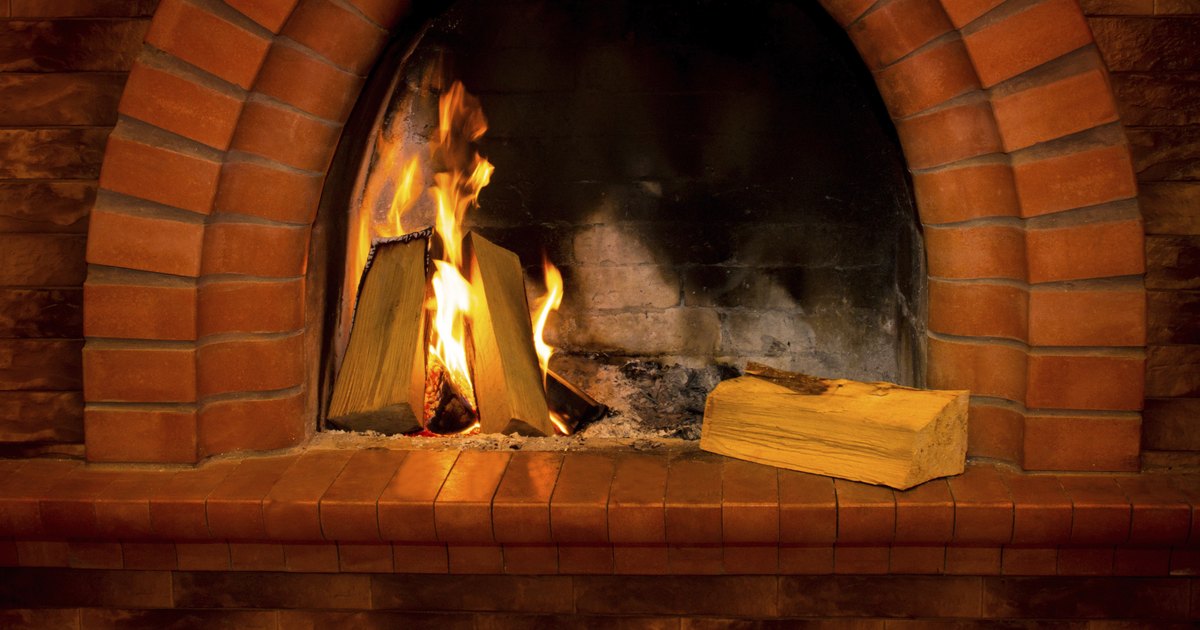
Inspect the brick and mortar for cracks or damage before applying the sealant. Small cracks can be filled with a mortar repair compound, while larger gaps may require professional repointing. Allow repairs to cure fully before sealing. Ignoring damaged areas can lead to further deterioration, even after sealing. A well-prepared surface ensures the sealant performs as intended and extends the fireplace’s lifespan. Take time to address all structural issues before moving forward.
Choosing the right sealant is crucial for effective protection. Look for a heat-resistant, breathable masonry sealer designed for fireplaces. Silane or siloxane-based sealers penetrate deeply and repel water without trapping moisture inside the brick. Avoid acrylic sealers, as they can peel under high heat. Read product labels carefully to confirm suitability for brick fireplaces. Testing the sealant on a small, inconspicuous area ensures compatibility with your brick’s texture and color.

Before applying the sealant, protect surrounding surfaces with drop cloths and painter’s tape. Use a brush or roller designed for masonry to apply an even coat, working in small sections. Focus on one area at a time to prevent streaks or uneven coverage. Pay extra attention to mortar joints, as they are more porous than bricks. Allow the first coat to dry according to the manufacturer’s instructions before applying a second coat if needed. Proper application ensures maximum protection.
After sealing, allow the fireplace to cure fully before using it. This typically takes 24 to 72 hours, depending on the product. Avoid exposing the sealed brick to high heat during this time. Once cured, test the sealant by sprinkling water on the surface—if it beads up, the sealant is working. Regular maintenance, such as dusting and occasional resealing, will keep the brick in excellent condition. Reseal every 2 to 5 years, or as needed, based on wear and exposure.

Safety precautions are essential when sealing a brick fireplace. Work in a well-ventilated area to avoid inhaling fumes from cleaners or sealants. Wear gloves, goggles, and a mask to protect your skin and lungs. Keep flammable materials away from the workspace, and avoid smoking near the fireplace during the process. Following safety guidelines minimizes risks and ensures a smooth project.
Sealing a brick fireplace not only enhances its durability but also improves its appearance. A properly sealed fireplace resists stains and retains its natural look. Unsealed brick can absorb smoke and soot, leading to discoloration over time. Sealing makes cleaning easier, as dirt and soot can be wiped away without penetrating the surface. The effort put into sealing pays off in long-term maintenance savings and aesthetic benefits.

For those unsure about DIY sealing, consulting a professional is a good option. Masonry experts can assess the fireplace’s condition and recommend the best products and techniques. While DIY sealing is cost-effective, professionals ensure flawless results, especially for intricate brickwork or severe damage. Weigh the pros and cons before deciding whether to tackle the project yourself or hire help.
In conclusion, sealing a brick fireplace is a worthwhile investment that protects and preserves its beauty. By following the right steps—cleaning, repairing, selecting the proper sealant, and applying it correctly—you can extend the life of your fireplace. Regular maintenance and occasional resealing will keep it looking great for years. Whether you DIY or hire a professional, a well-sealed brick fireplace remains a stunning and functional centerpiece in any home.

Pin on how to

Removing Fireplace Brick – Masonry – Contractor Talk

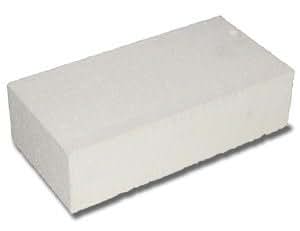
Insulating Fire Bricks 230 x 114 x 76 mm x 10: Amazon.co.uk: Garden & Outdoors
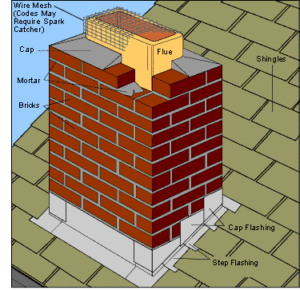
Is a Masonry Fireplace Right for Your Home?
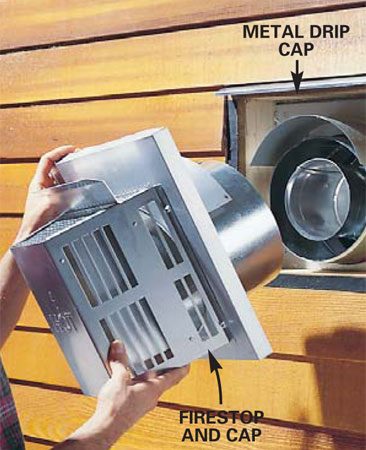
How to Install a Gas Fireplace The Family Handyman
Related Posts: