My love with outdoor gas fireplace kits began three summers ago, when I discovered my backyard lacked a primary meeting area for family and friends. After exploring numerous options and making several pricey mistakes, I realized that selecting the proper kit can transform any outdoor space into a year-round entertainment center. The comfort of quick flames without the effort of chopping wood or cleaning ash altered my entire approach to outdoor life. I now spend evenings by the fire, regardless of the season, making memories that go far beyond the traditional summer barbecues and pool parties.
Installing my first prefabricated gas fireplace kit taught me vital lessons about planning and preparation, which I wish someone had imparted sooner. I purchased a medium-sized linear burner kit that promised easy installation, but I quickly discovered that “easy” still involves careful consideration of gas line placement and suitable venting requirements. The modular design allowed me to properly match the surrounding stonework to the materials on my existing patio. What impressed me the most was how quickly the idea came together after I had properly staged and organized all of the components in my workplace.

Propane versus natural gas became my most important decision point, and I ultimately chose propane for its versatility and freedom from utility hookups in my backyard position. The propane tank is hidden behind decorative screening and connected to the burner via underground wires that I ran during the first installation. This approach allows me to keep fuel expenses under control while also ensuring consistent operation even during power outages that influence local gas pressure. The trade-off is frequent tank refills, but the efficiency and dependability make this tiny annoyance entirely worthwhile for my family’s needs.
After reading about incorrect installations and potential hazards linked with gas appliances in outdoor situations, I focused my research on safety. Despite the kit manufacturer’s suggestion that DIY installation was viable for experienced homeowners, I invested in professional gas line installation and secured the necessary permissions. The local fire marshal’s inspection provided me with piece of mind and confirmed that my insurance coverage for the new outside feature was still good. Proper clearances from combustible objects and appropriate ventilation became non-negotiable requirements, greatly influencing my final design and placement selections.

When I began researching different manufacturers’ approaches to flame pattern and heat distribution systems, I was surprised by the variety of burner types available. I chose a linear burner with adjustable flame height settings to add dramatic visual impact while giving continuous warmth across the seating area. The tempered glass windscreen shields flames from breezes while providing great sightlines from different viewing positions throughout my patio area. Decorative media alternatives like as fire glass and ceramic logs enable seasonal personalization, keeping the feature feeling fresh and exciting all year.
Weather resistance became critical after my first winter with the new outdoor fireplace construction, and I learned firsthand about material durability. I chose marine-grade stainless steel components that can withstand temperature variations and moisture exposure without corroding or losing function over time. Weatherproof housings on the control valve and ignition system ensure reliable operation even in the face of rain, snow, and high temperature fluctuations throughout the seasons. Proper drainage surrounding the installation prevents water collection, which can harm sensitive electronic components or provide a safety risk.

Heat output calculations assisted me in sizing the unit suitably for my specific outdoor space measurements and usual usage patterns throughout the seasons. My 60,000 BTU heater adequately warms a 200 square foot seating area, even on frigid fall evenings when temps drop into the forties. The customizable settings allow you to fine-tune the heat level according on the weather, group size, and personal comfort preferences, all without wasting fuel or generating uncomfortable hot patches. Understanding BTU requirements prevented oversizing, which wastes energy and causes maintenance concerns, while also ensuring acceptable performance for the intended applications.
Installation issues strained my DIY abilities and patience, but meticulously following manufacturer directions yielded professional-looking results that beyond my initial expectations. The most difficult component was running gas lines underground while adhering to proper depth and slope specifications for safety and performance. I rented specialist trenching and pipe fitting tools, which were critical for completing a code-compliant installation that passed inspection on the first attempt. Taking the effort to carefully measure and plan avoided costly mistakes that would have necessitated considerable rework or professional repair services.

Maintenance requirements shocked me because they were so simple in comparison to traditional wood-burning outdoor fireplaces, which require continual cleaning and seasonal preparation. Monthly visual inspections of gas connections and annual professional service ensure that the system runs safely and effectively year after year. The glass windscreen should be cleaned on a regular basis to preserve good visibility, while the burner assembly should be inspected once a year to ensure correct flame pattern and debris removal. Covering the item for extended periods of non-use protects components from weather exposure and considerably increases equipment lifespan with no effort.
Beyond the initial kit purchase, cost concerns included installation, permits, and ongoing operational fees, all of which have an impact on long-term owner satisfaction. My overall cost, including professional gas line installation and permit fees, was around $3,500 for a mid-range kit with high-quality components and appropriate safety features. Annual propane expenses average roughly $200 for frequent use during the spring, fall, and winter months, when the outdoor entertaining season stretches beyond the conventional summer BBQ season. The investment generates benefits in the form of higher property value and extended outdoor living alternatives, which fully justify the expenditure.
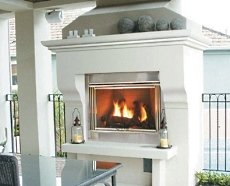
What size outdoor gas fireplace kit is appropriate for my patio space?
Calculate approximately 100 BTUs per square foot of space you want to successfully heat under normal usage settings and weather patterns. My 60,000 BTU unit is ideal for a 200 square foot seating area, providing appropriate warmth distribution during cool evenings. When deciding on the right size for your site, keep ceiling height, wind exposure, and desired temperature increase in mind. Oversized units waste fuel and produce uncomfortable hot patches, whilst undersized units provide insufficient heating performance. Professional assistance assists in determining the best sizing for your specific installation needs and usage expectations.
Can I install an outdoor gas fireplace kit myself, or do I require a professional?
Kit assembly is often a DIY project for experienced homeowners with the necessary skills and time for careful installation work. However, most jurisdictions require certified professionals to install gas lines due to safety laws and permit requirements that maintain code compliance. I strongly advocate expert installation for gas connections, even if you do the beautiful stonework and finishing touches yourself. Local building rules have major variations in permit requirements and inspection methods. Check with your local authorities before doing any installation work to avoid costly blunders.
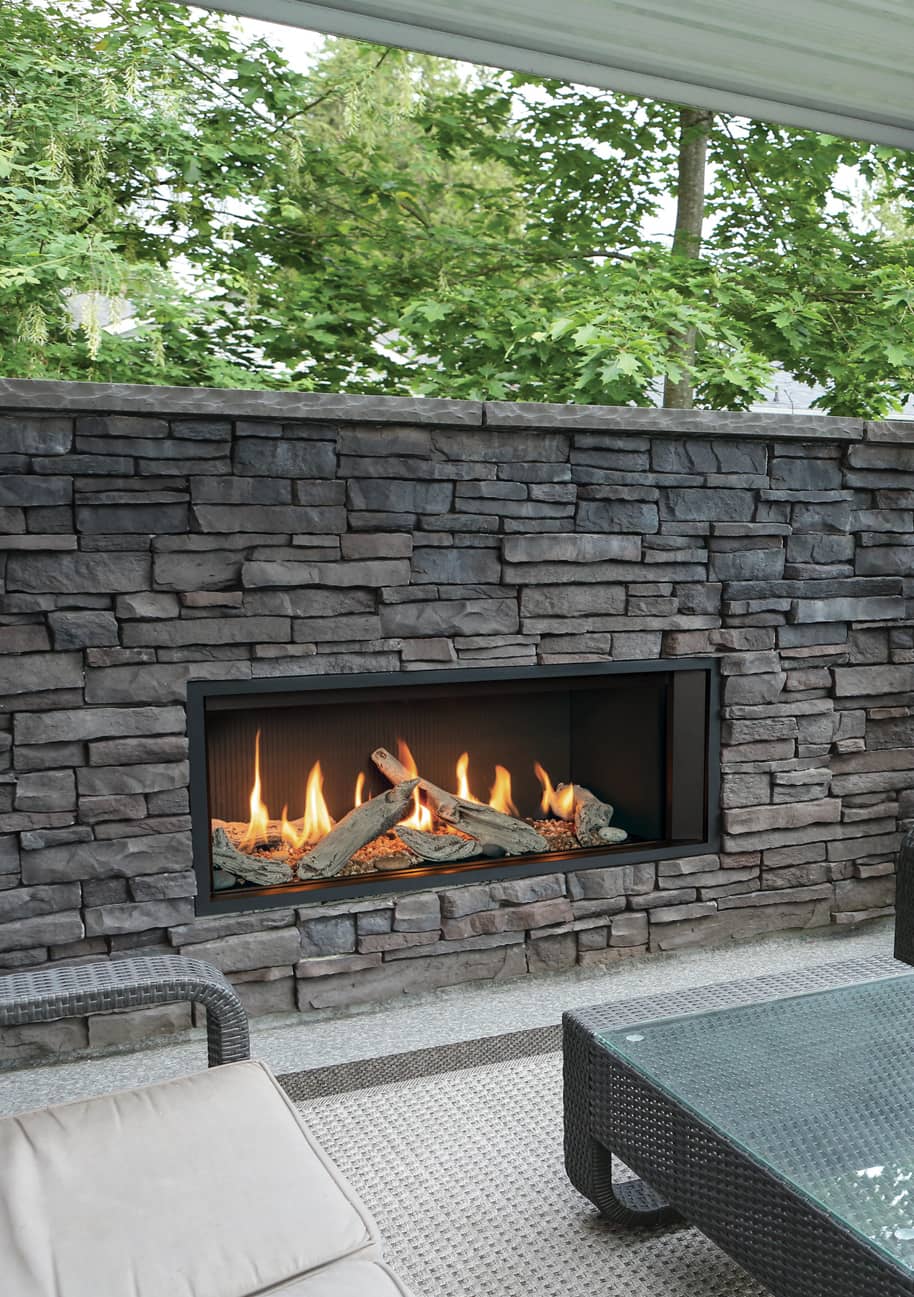
How much does it cost to operate an outdoor gas fireplace all year?
My propane prices range from $15 to $20 per month during peak usage seasons, with annual spending of roughly $200 for regular evening entertainment and weekend parties. Natural gas connections are typically 30-50% less expensive than propane, but they require utility line access and connection costs, which vary by area. Usage patterns have a substantial impact on operational expenses; occasional use costs far less than nightly operation over extended seasons. Efficient burner design and optimum sizing help to reduce fuel use while providing adequate heat output. To set realistic budget goals, start by tracking your usage patterns.
How much upkeep does an outdoor gas fireplace kit require throughout the seasons?
Monthly visual inspections of gas connections, annual expert servicing, and periodic cleaning of glass components ensure that the system operates safely and efficiently throughout the year. I cover my unit during extended periods of inactivity to prevent components from weather exposure and debris accumulation, which could impair performance. Professional servicing includes burner cleaning, gas pressure testing, and safety system verification to assure continuous dependable performance. Most maintenance procedures take little time and money, as opposed to wood-burning options that demand regular attention. Proper installation and use of high-quality components considerably reduce ongoing maintenance requirements.

Are outdoor gas fireplace kits safe to use near children and pets?
Modern kits incorporate safety features such as flame sensors, automatic shutoffs, and protective barriers that, when correctly installed and operated in accordance with manufacturer specifications, reduce risks. I added additional safety screening around my device to prevent inadvertent contact with hot objects during operation. Supervision is still required near any open flame equipment, regardless of built-in safety precautions and preventative measures. Clear safety regulations and good education assist family members in understanding appropriate behavior during the fireplace installation process. Professional installation guarantees that all safety requirements are observed, providing maximum protection.
How do outdoor gas fireplace kits operate under various weather conditions?
My equipment performs reliably in temps ranging from freezing to more than 100 degrees Fahrenheit, with no performance or safety issues interfering with normal usage. Wind can influence flame patterns, however quality windscreens keep combustion consistent during normal breezy circumstances encountered during outdoor entertaining seasons. Heavy rain necessitates a short shutdown for safety, but the unit may readily restart if circumstances improve and surfaces dry fully. Snow accumulation must be removed prior to use, however freezing temperatures do not interfere with typical igniting and heating performance. Proper installation with adequate drainage eliminates weather-related operational issues.
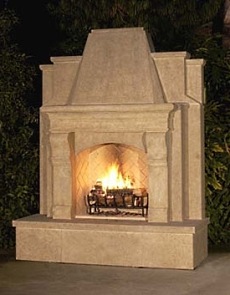
Outdoor Gas Fireplace

Outdoor Gas Fireplaces . . . Hot Choices!
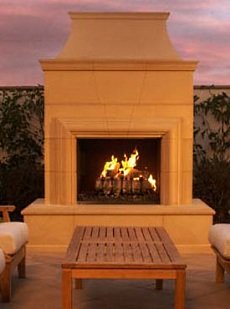
Screened in porch, four seasons room, screened in patio, freestanding patio cover, outdoor

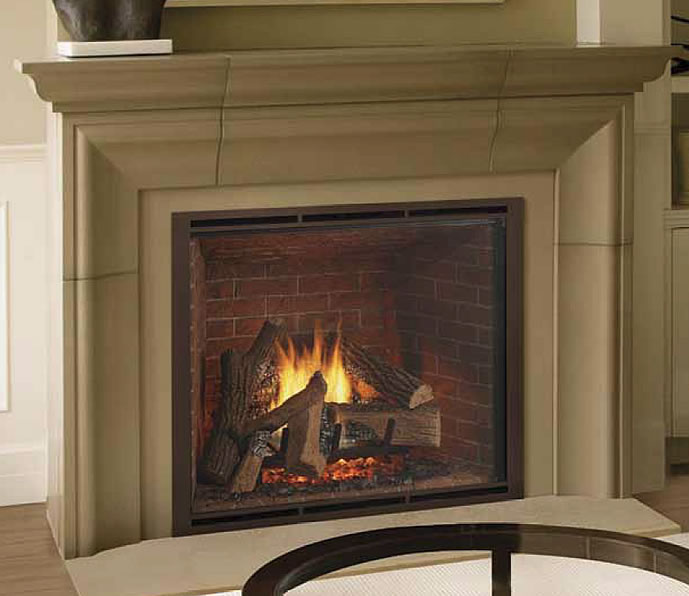
Heat-N-Glo TRUE-42 Gas Fireplace
Related Posts: