I discovered my passion for Delft tile quite by accident during a visit to Amsterdam, where I wandered into a small ceramic shop tucked between centuries-old buildings. The proprietor showed me hand-painted tiles featuring windmills, tulips, and pastoral scenes that seemed to capture the very essence of Dutch heritage. Each piece told a story through cobalt blue pigments on pristine white backgrounds, creating miniature masterpieces that spoke to my soul. When I returned home, my plain brick fireplace looked hopelessly ordinary by comparison. That moment sparked an obsession that would transform my living room into a tribute to traditional Dutch craftsmanship and timeless beauty.
Planning my Delft tile fireplace surround required months of careful consideration, as I wanted to honor the authentic traditions while creating something uniquely mine. I spent countless evenings studying historical patterns, learning about the significance of various motifs, and understanding the difference between genuine hand-painted tiles and mass-produced alternatives. The decision to invest in authentic Delft tiles from a reputable Dutch manufacturer felt daunting financially, but I knew that compromising on quality would diminish the entire project. Each tile would cost significantly more than standard ceramic alternatives, but the artistic value and cultural authenticity justified every penny I planned to spend.

Measuring my fireplace opening and surrounding wall space became an exercise in precision, as traditional Delft tiles come in standard sizes that needed to align perfectly with my existing architecture. I created detailed drawings showing how each tile would fit, accounting for grout lines and ensuring that the pictorial scenes would flow seamlessly from one tile to the next. The challenge lay in selecting tiles that would create cohesive visual narratives while maintaining the scattered, organic feel characteristic of authentic Dutch installations. I chose a mix of landscape scenes, floral motifs, and geometric patterns that would complement each other without appearing overly coordinated or artificial.
Sourcing authentic Delft tiles proved more challenging than I anticipated, requiring communication with artisans in Holland and navigating international shipping complexities. I established contact with a family-run pottery that had been creating handmade Delft tiles for over two centuries, using traditional techniques passed down through generations. The ordering process involved selecting specific scenes from their catalog, approving hand-painted samples, and arranging careful packaging for the transatlantic journey. Waiting for my tiles to arrive felt like anticipating Christmas morning, knowing that each piece had been individually crafted by skilled artisans who took pride in continuing their cultural heritage.

The removal of my existing brick surround created more dust and debris than I expected, but seeing the clean slate underneath filled me with excitement about the transformation ahead. I hired a professional tile installer who specialized in historic restoration projects, understanding that proper installation would be crucial for both aesthetics and longevity. Together, we planned the layout, ensuring that featured scenes would be positioned at eye level where they could be properly appreciated. The installer shared my reverence for the handmade tiles, handling each piece with the care typically reserved for museum artifacts during the meticulous placement process.
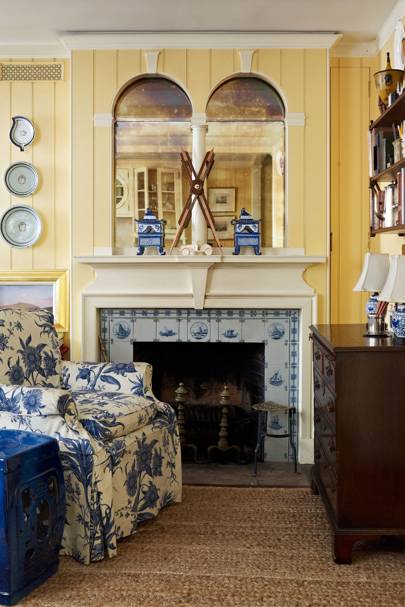
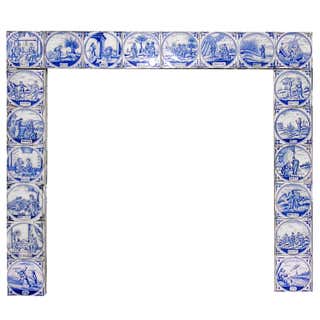
Installing each Delft tile felt like curating a gallery exhibition, as I carefully considered how the individual scenes would interact and complement each other within the overall composition. Some tiles featured sailing ships navigating calm waters, while others depicted farmers working in flower fields or children playing in village squares. The hand-painted variations in each scene created subtle differences that added to the authentic, artisanal quality I sought. As the installation progressed, the fireplace surround began resembling a collection of miniature paintings rather than merely decorative tiles, each piece contributing to a larger narrative about Dutch life and culture.

The grouting process required special attention to maintain the clean, crisp appearance that makes Delft tile so visually striking and appealing to collectors. We used bright white grout that would complement rather than compete with the cobalt blue imagery, ensuring that each tile maintained its individual identity while contributing to the unified design. The installer worked carefully around the delicate hand-painted details, removing excess grout immediately to prevent staining or obscuring the fine brushwork. As the final tiles were set and cleaned, I could hardly believe the transformation taking place before my eyes, watching my vision become a stunning reality.
Living with my Delft tile fireplace surround has brought daily joy that I never anticipated when beginning this ambitious project months earlier. The intricate scenes provide endless entertainment during quiet evenings, as I discover new details in the hand-painted imagery with each viewing. Guests consistently comment on the beauty and authenticity of the installation, often spending considerable time examining individual tiles and discussing their favorite scenes. The blue and white color scheme has influenced my entire living room décor, inspiring me to incorporate other Dutch design elements that complement the fireplace while maintaining the sophisticated, European atmosphere I wanted to create.

Maintenance of my Delft tile surround has proven remarkably simple, requiring only gentle cleaning with mild soap and water to preserve the delicate hand-painted surfaces. The glazed finish resists staining and discoloration, while the quality craftsmanship ensures that the tiles maintain their vibrant appearance despite daily exposure to heat and light. I avoid harsh chemicals or abrasive cleaning tools that might damage the painted details, instead treating each tile with the respect it deserves as a handcrafted work of art. Regular dusting and occasional careful washing keeps the surround looking as pristine as the day it was installed, preserving my investment for years to come.
Reflecting on this project, I realize that creating my Delft tile fireplace surround taught me valuable lessons about patience, craftsmanship, and the importance of preserving cultural traditions through thoughtful design choices. The investment in authentic handmade tiles far exceeded my original budget, but the daily satisfaction and cultural connection I experience make every penny worthwhile. This fireplace has become more than just a functional element in my home; it serves as a conversation piece, a work of art, and a tribute to centuries of Dutch ceramic artistry. I often imagine the skilled hands that painted each scene, continuing traditions that connect my modern living room to a rich cultural heritage that spans generations.

How do I distinguish between authentic Delft tiles and modern reproductions?
Authentic Delft tiles display several distinctive characteristics, including hand-painted irregularities, subtle color variations, and maker’s marks on the reverse side. Genuine pieces show slight imperfections in brushwork that indicate human craftsmanship rather than machine production. The cobalt blue pigment appears deeper and more vibrant on authentic tiles, while the white background has a creamy rather than stark appearance. Look for Dutch hallmarks, artist signatures, or pottery stamps on tile backs. Price often reflects authenticity, as genuine handmade Delft tiles cost significantly more than mass-produced alternatives due to skilled labor and traditional techniques.
What are the typical costs associated with installing a Delft tile fireplace surround?
Costs vary significantly based on tile authenticity, installation complexity, and project scope, typically ranging from fifteen hundred to eight thousand dollars for complete surrounds. Authentic handmade Dutch tiles cost fifty to two hundred dollars each, while quality reproductions range from ten to forty dollars per piece. Professional installation adds thirty to fifty percent to material costs. Additional expenses include surface preparation, removal of existing materials, specialized grout, and sealing treatments. Custom layouts with intricate patterns or pictorial scenes require higher labor costs due to precise placement requirements and extended installation time.

How should I arrange different Delft tile patterns for the most appealing visual effect?
Successful Delft tile arrangements balance pictorial scenes with geometric or floral patterns, avoiding overly repetitive layouts that appear monotonous or artificial. Place featured scenes at eye level where they receive maximum attention, using simpler border patterns above and below focal points. Mix tile orientations and motifs randomly rather than creating rigid geometric patterns, mimicking traditional Dutch installations. Consider the room’s lighting when positioning detailed scenes, ensuring adequate illumination for appreciation. Group complementary themes together while maintaining enough variety to create visual interest throughout the entire surround installation.
Can Delft tiles withstand the heat and conditions around an active fireplace?
High-quality Delft tiles handle fireplace heat excellently due to their ceramic composition and high-temperature firing process during manufacturing. The glazed surface resists thermal shock, moisture, and temperature fluctuations typical in fireplace environments. Proper installation with heat-resistant adhesive and appropriate grout ensures long-term durability. However, avoid placing tiles directly in the firebox where extreme temperatures could cause damage. Most installations position Delft tiles on surrounding walls rather than inside the actual fire chamber. Quality tiles maintain their appearance and structural integrity for decades when properly installed and maintained around active fireplaces.

What maintenance is required to preserve Delft tile’s appearance and longevity?
Delft tile maintenance involves gentle cleaning with mild soap and soft cloths to preserve delicate hand-painted surfaces and prevent damage. Avoid abrasive cleaners, harsh chemicals, or scrubbing tools that could scratch glazed surfaces or fade pigments. Regular dusting prevents buildup that could obscure painted details. Clean grout lines carefully to maintain the crisp white appearance that highlights blue imagery. Inspect tiles periodically for chips or cracks that might require professional repair. Seal grout annually in high-moisture areas. With proper care, quality Delft tiles maintain their beauty and value for generations, requiring minimal intervention beyond routine cleaning.
Are there specific design considerations when incorporating Delft tiles into modern homes?
Modern homes benefit from Delft tiles when designers balance traditional motifs with contemporary aesthetics, avoiding overly busy or cluttered appearances. Consider room scale and proportion when selecting tile sizes and quantities, ensuring the installation complements rather than overwhelms existing architecture. Neutral surrounding colors allow blue and white tiles to serve as focal points without competing with other design elements. Lighting plays a crucial role in highlighting painted details and creating ambiance. Mix traditional Dutch scenes with geometric patterns for versatility. Consider the room’s function and traffic patterns when planning layouts, positioning detailed scenes where they can be properly appreciated and protected.

Fireplace Surround – Fireplace ideas and fireplace designs House & Garden
Delft Tile Fireplace Surround at 1stdibs
Delft fireplace tiles Fireplace tile, Fireplace surrounds, Delft

Delft Tile Fireplace Surround
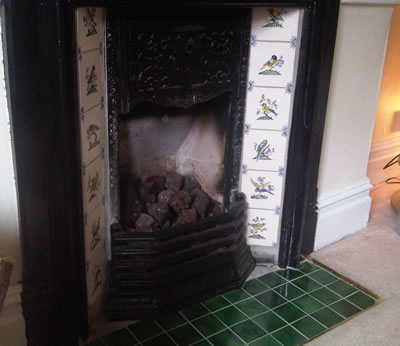
Delft Tile Fireplace Surround
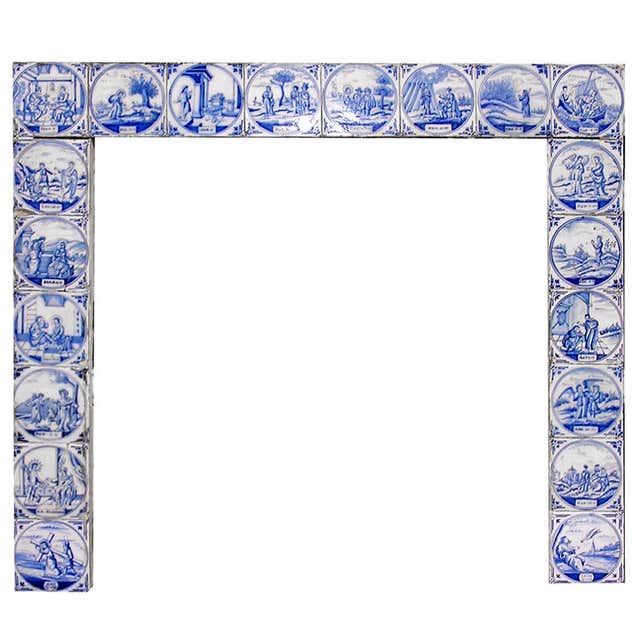
Pin by Josef Deda on tiles people

Related Posts:
- Cottage Fireplace Surround
- DIY Rustic Fireplace Surround
- Vintage Cast Iron Fireplace Surround
- Delft Tile Fireplace Surround
- Fireplace Surround DIY Ideas
- Gas Fireplace Surrounds Ideas
- Grey Tile Fireplace Surround
- Modern Fireplace Surround Ideas
- DIY Electric Fireplace Surround Ideas
- How To Redo A Fireplace Surround