When I inherited my grandmother’s cottage five years ago, the fireplace was the first thing that captured my attention. The surround was dated and tired, with yellowed tile and dark wood trim that made the entire room feel cramped and gloomy. I knew I wanted to honor the cottage’s character while modernizing the space enough to make it feel livable for the next generation. That single fireplace became the starting point for understanding authentic cottage style and how to blend historical authenticity with practical comfort. What I’ve learned through renovating this space has fundamentally changed how I approach cottage design.
My initial research into cottage fireplace surrounds revealed that authentic cottages rarely followed strict design rules. Instead, they reflected what was available locally and what the family could afford. I visited historic cottages in England and Ireland, studied photographs in design books, and interviewed older homeowners who grew up in similar spaces. I discovered that cottage surrounds typically featured simpler materials than grand homes, often natural stone, basic brick, or simple tile work. The charm came from authenticity and modest proportions rather than elaborate ornamentation. This understanding shaped every decision I made for my own project and freed me from trying to achieve perfection.

Choosing materials for my cottage fireplace surround involved honest assessment of what would actually work in this space. The original surround used simple glazed tile in a peachy tone popular in the 1970s. Rather than trying to replicate that look, I decided to go with something more timeless. I selected handmade ceramic tile in soft cream with subtle variations in tone and glaze. These tiles aren’t perfectly uniform, which is exactly why they work. The irregularities give them character and echo authentic cottage materials where tiles were made locally and often by hand. I found a craftsperson who creates tiles using traditional methods, and the difference between these and industrial tiles is immediately apparent.
The installation process taught me that cottage authenticity extends to construction methods. I hired a mason familiar with historic restoration rather than a general tile contractor. He explained that modern thin-set mortar and grout weren’t appropriate for this aesthetic. Instead, he used traditional lime mortar with sand that matched the tile color. The joints are slightly wider than contemporary standards, which is more historically accurate and creates a softer appearance. Watching him work, I realized that the details matter enormously. A cottage fireplace surrounded by modern grout joints and thin-set installation would look wrong, no matter how nice the tile itself.

The color selection for my surround required careful consideration because it needed to complement the cottage’s overall palette. The walls are finished in soft whitewash over plaster, creating a warm, slightly textured background. I initially selected a pure white tile, but it felt too stark against the off-white walls. After testing samples, I chose cream tile with subtle peachy undertones that echo the brick chimney and warm wood trim. This color feels intentional but not bold, which is exactly right for cottage style. The softness allows the fireplace to feel like a natural part of the room rather than a design statement screaming for attention.
Creating a cottage fireplace surround that felt appropriately proportioned required rethinking conventional design. In my grandmother’s cottage, the fireplace opening is modest compared to modern expectations. The surround extends about three feet on each side of the opening with a mantel height of about four feet above the hearth. Rather than trying to make it grander or more imposing, I embraced these proportions. I kept the surround design simple with the tile running straight up and around the opening, accented with a slightly more decorative border tile in a complementary shade. The simplicity felt right and reinforced the cottage’s unpretentious character.

The hearth and floor treatment proved equally important to the overall effect. The original hearth was a mismatched collection of different materials that looked like it had been repaired multiple times. I installed a new slate hearth in a soft gray tone that complements the tile surround without matching perfectly. Slight variations in color and texture are essential to authentic cottage aesthetics. I extended the slate into the room by about three feet in front of the fireplace, which provides practical heat protection while creating visual grounding for the entire feature. The informal edges of the slate were left slightly rough rather than precisely cut, which maintains the honest, handcrafted quality I was after.
Integrating the fireplace surround with the existing cottage interior took time and patience. The wood trim around the room is uneven, handmade, and full of character. Rather than trying to match it exactly, I worked with what existed. The mantel shelf is the original wood, now beautifully aged to a soft gray-brown. I carefully removed old paint and protective coatings, then let the wood show its true patina. Connecting new tile work to this aged wood required careful detailing and planning. My mason built a transition that respects both the historic wood and new materials, creating something that looks unified rather than obviously restored.

The transformation of this space exceeded my expectations in ways I hadn’t anticipated. The fireplace is now the visual anchor for the entire room, drawing people in with its warm, inviting appearance. The soft cream tile reflects firelight beautifully on winter evenings. The proportions feel right, neither too grand nor too minimal. Most importantly, the fireplace now honors the cottage’s history while making the room feel comfortable and lived-in. I’ve realized that successful cottage design isn’t about achieving perfection or following strict rules, it’s about understanding the bones of a space and enhancing them with respect and authenticity.
Living with this cottage fireplace surround has taught me that good design is about harmony between past and present. I haven’t erased the history of this space, I’ve acknowledged it and thoughtfully evolved it. The cottage feels more itself now, not modernized or trendy, just properly cared for and ready for another generation. Every time I sit by the fire, I’m grateful for the process of learning to listen to what the space needed rather than imposing my vision. The fireplace reminds me daily that authentic cottage style comes from understanding where we are and honoring what came before while creating something that serves our lives today.

What materials are most authentic for a cottage fireplace surround?
From my experience, handmade ceramic tile, natural stone, or simple brick are the most authentic choices for cottage surrounds. I chose handmade ceramic tile because it feels historically appropriate and has beautiful variations that industrial tiles lack. Natural stone works wonderfully and develops character over time. Avoid highly uniform, perfectly manufactured materials that look too polished for cottage style. Visit historic cottages in your region to see what materials were traditionally used locally. The authenticity comes from simplicity and materials that feel honestly made rather than perfectly engineered.
How do you choose colors that work with an older cottage aesthetic?
I selected soft, muted tones that complement both the cottage’s existing palette and natural aging. Soft creams, warm whites, pale blues, and gentle grays work beautifully for cottage surrounds. Test samples against your existing walls and trim in different lighting conditions throughout the day. Cottage color should feel calm and understated rather than bold or trendy. I avoided pure white because it felt too modern, instead choosing cream with subtle warmth. The color should blend into the room rather than demanding attention.
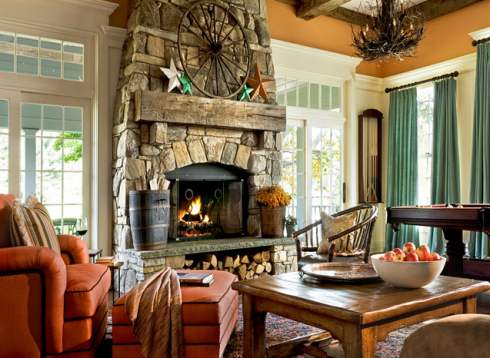
Can you install a cottage-style surround in a modern home without looking out of place?
Absolutely, I’ve seen beautiful cottage surrounds work in contemporary homes when executed thoughtfully. The key is letting the cottage fireplace feel intentional rather than anachronistic. Use it to establish a gathering space with an intimate scale. Pair it with complementary architectural elements like wood beams or traditional window treatments that help it feel like a considered design choice. I’d avoid placing a cottage surround in a minimalist modern space, but in homes with traditional or eclectic design sensibilities, it works wonderfully and adds genuine character.
What’s involved in restoring an old cottage fireplace surround versus starting from scratch?
Restoration involves carefully assessing what’s salvageable, which requires experienced hands. I consulted a historic preservation specialist who examined the original materials and construction. Some original tile was worth saving; other sections needed replacement. Restoration meant working around existing elements while making improvements. Starting fresh allows more design flexibility but requires matching the cottage’s character intentionally. I chose partial restoration, keeping the original slate hearth and wood mantel while replacing the tile surround. This honored the history while making the space functional for modern living.

How do you maintain a cottage fireplace surround to preserve its character?
I keep maintenance minimal and avoid harsh treatments that can damage historic materials. I dust regularly and wipe the tile with a barely damp soft cloth. For deeper cleaning, I use a neutral pH cleaner appropriate for ceramics. I never use abrasive scrubbers or strong chemicals. The wood mantel gets occasional gentle polishing with soft wax. I allow the surround to age naturally, appreciating developing patina rather than constantly refreshing it. This approach maintains both the material integrity and the authentic cottage aesthetic that improves with gentle use over time.
What’s the typical cost for installing or restoring a cottage fireplace surround?
My project cost significantly because I used handmade tile and hired a restoration mason, probably in the higher range. Basic tile surround installation might start around two thousand dollars, while quality handmade tile and historically appropriate installation could reach five to eight thousand dollars. Restoration of existing surrounds varies widely depending on what’s salvageable. I recommend getting multiple quotes from contractors experienced with historic homes rather than general contractors. Don’t just chase the lowest cost; quality craftsmanship matters significantly for achieving authentic cottage character.
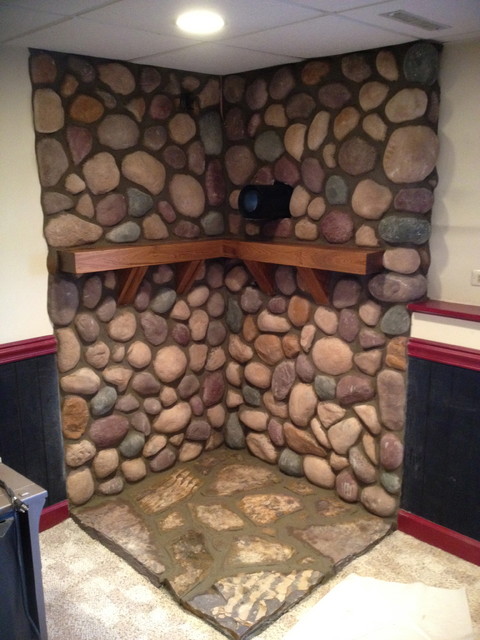
Best Painted Fireplace Ideas – Interior Designs
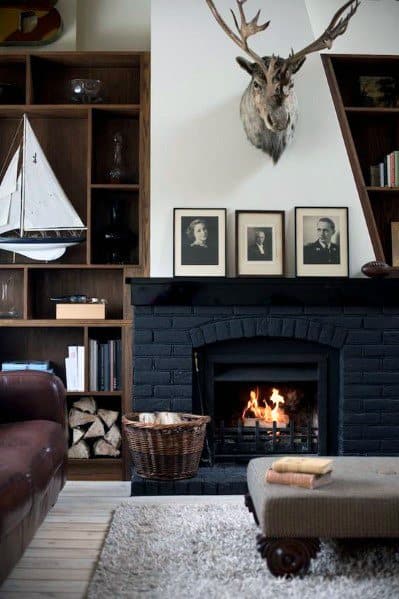
Fieldstone Fireplace flanked

Fireplace 2:Cottage style decorating, renovating and entertaining Ideas
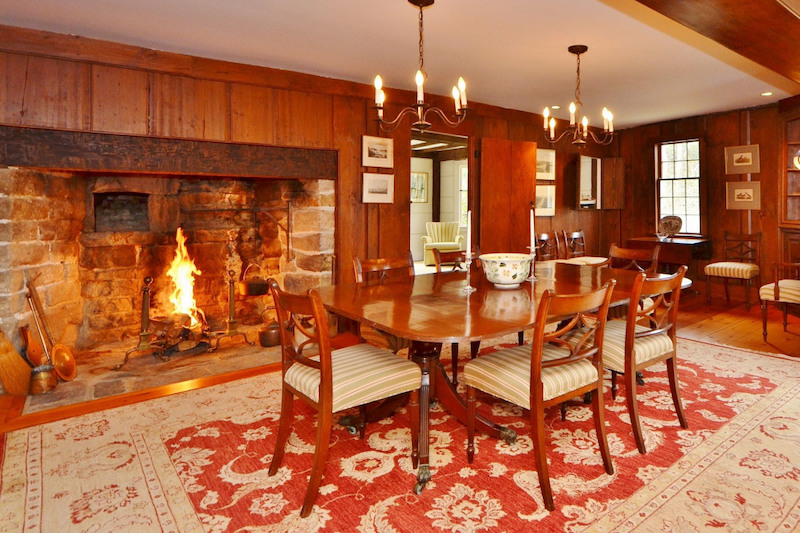
Decor I Love

Black Chevron Shiplap Fireplace Fireplace remodel, Living dining room, Living room with fireplace

Related Posts:
- Cottage Fireplace Surround
- DIY Rustic Fireplace Surround
- Vintage Cast Iron Fireplace Surround
- Delft Tile Fireplace Surround
- Fireplace Surround DIY Ideas
- Gas Fireplace Surrounds Ideas
- Grey Tile Fireplace Surround
- Modern Fireplace Surround Ideas
- DIY Electric Fireplace Surround Ideas
- How To Redo A Fireplace Surround