My living room’s centerpiece, the ancient marble fireplace surround, tells stories without saying anything. Its cool, smooth surface carries the faint markings of time, a tribute to the generations that have gathered around its warmth. For me, it’s more than just a decorative frame; it’s a link to history, a concrete reminder of bygone generations’ skill. Each vein of color in the marble is distinct, a natural artwork created by geological processes over millennia. I frequently find myself tracing these patterns, picturing the craftspeople who meticulously carved and polished this stone.
Acquiring this surround was a trip in and of itself. I spent months combing antique shops and architectural salvage yards in quest of a piece that matched the essence of my home. Many were either too ornate or too basic, lacking something I couldn’t quite describe. Then I came across this one, tucked away in a corner, its beauty partially veiled by dust. When I saw it, I knew it was the one. The subtle carvings and smooth curve of the mantelpiece all spoke to the timeless beauty that I was looking for.

The installation was a thorough process. I sought the assistance of a qualified mason who understood the fragile nature of old stone. Each component was carefully handled and precisely placed to maintain the integrity of the surround and the safety of the fireplace. Watching it come together was like seeing a piece of history revived in my own home. The weight of the marble, the strength of its construction—all imparted a sense of stability and enduring character that modern materials frequently lack.
One of the things I like best about this antique marble surround is its adaptability. It acts as a focal point all year, not just during the winter months when the fire is lighted. In the spring and summer, I decorate the mantelpiece with flowers and artwork, and the chilly marble provides a refreshing contrast. During the fall and winter, the warm glow of the fire on the stone provides a nice and appealing ambiance. It adapts easily to the changing seasons, bringing a sense of refinement to the space.
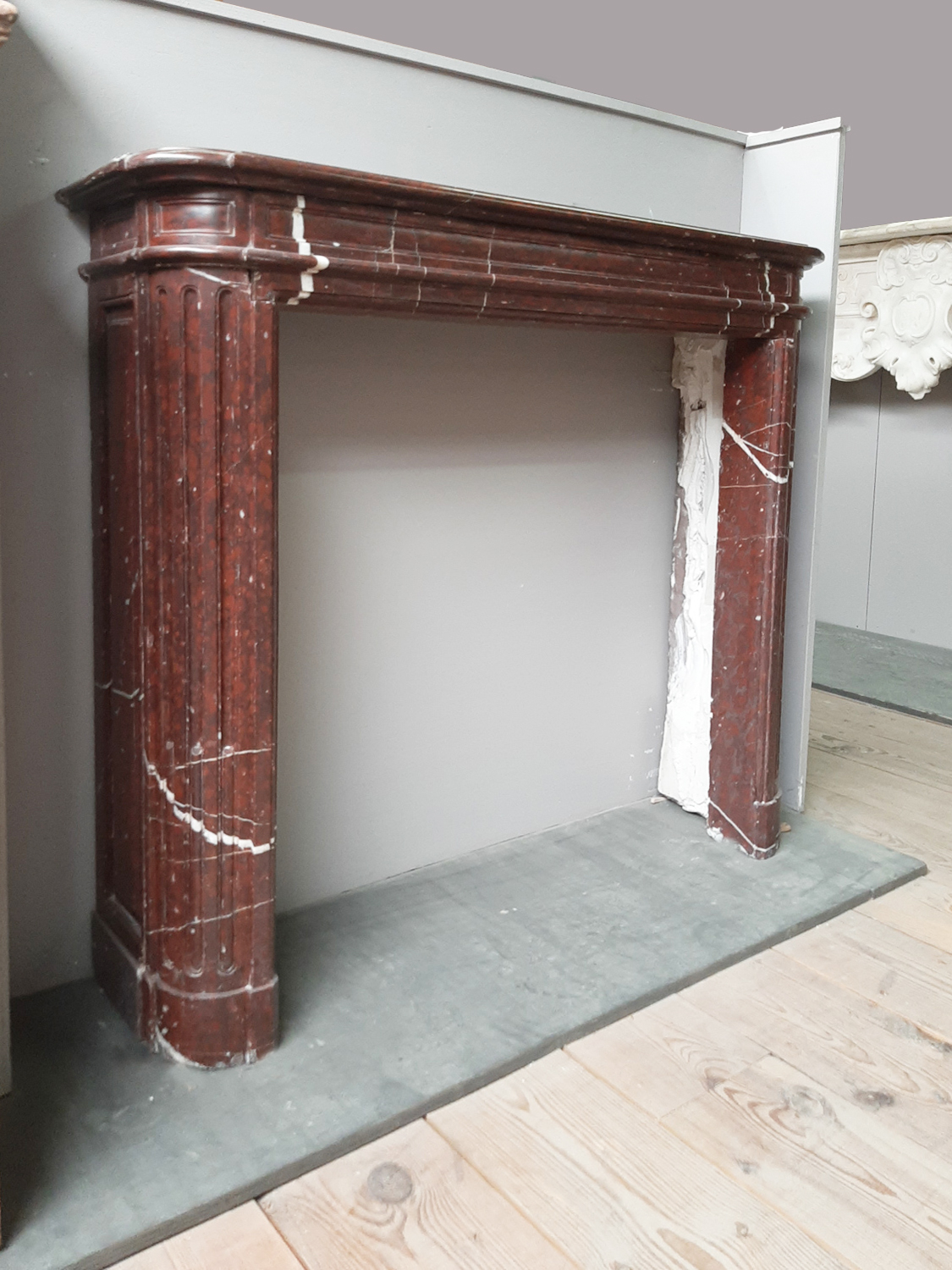
Maintaining the marble demands a delicate touch. I avoid harsh chemicals and instead use soft cloths and professional stone cleaners. The occasional polishing brings out the marble’s inherent brilliance, enhancing its beauty and protecting its integrity for future generations. It’s a tiny price to pay for having such an incredible piece of history. This maintenance feels less like a duty and more like an act of stewardship, ensuring that this lovely object continues to adorn my home.
The marble’s slight variances in color and texture give the surround depth and character. No two portions are identical, giving visual intrigue that shifts with the shifting light in the room. Sometimes I see specks of mica that shimmer gently in the sunlight. Other times, the deeper veins of color appear to absorb light, resulting in shadows and highlights. The continual interplay of light and shadow gives a dynamic feel to what would otherwise be a static architectural feature.

Guests frequently comment on the fireplace, drawn to its distinct beauty and feeling of historical significance. It becomes a natural conversation starter, a topic of interest that piques curiosity about its origins and potential stories. Sharing the journey of discovering and fixing the surround adds to your appreciation for the artwork. It’s more than just a fireplace; it’s a shared experience, a part of my home’s history that I enjoy telling others about.
Living with an antique marble fireplace surround has improved my daily life in subtle but significant ways. It creates a sense of stability, a link to the past that is both reassuring and inspiring. The craftsmanship reminds me of the importance of long-lasting quality and the beauty found in natural materials. It’s a constant source of visual enjoyment, a focal point that enriches the overall design of the area without being overtly showy.
The hardness of the marble provides a sense of permanence in an ever-changing environment. It feels like a constant presence, a mute witness to the ebb and flow of daily existence. This sense of stability and connection to history is something I treasure. It elevates a modest fireplace to something more deep, a hearth that symbolizes both warmth and heritage.
In essence, my antique marble fireplace surround is more than just an architectural feature; it is a work of art, a piece of history, and a source of everyday enjoyment. Its timeless beauty and enduring quality continue to captivate me, and I am honored to be its present custodian, ensuring that its tale unfolds within the walls of my home. It demonstrates the timeless attraction of craftsmanship and the beauty of natural materials.

What distinguishes an antique marble fireplace surround as a distinctive and appealing element for a home?
An antique marble fireplace surround stands out because of its historical significance and beautiful craftsmanship from previous ages. Each item often has distinctive veining and delicate patterns that have developed over time, offering a silent story. The inherent beauty of the marble, combined with excellent carving and molding by artisans, results in a focal point of unparalleled character and refinement, providing a touch of timeless sophistication that modern copies frequently lack.
How can I identify the authenticity and approximate age of an antique marble fireplace surround that I am thinking about buying?
An antique marble fireplace surround’s authenticity and age can be determined through thorough investigation. Look for evidence of age, such as slight wear, discoloration, or minor flaws that are common with older items. Investigate the styles and carving techniques used during various historical periods. Consulting with antique dealers or architectural salvage experts can provide useful insights and authentication, allowing you to better grasp the piece’s history and value.
What are some crucial factors for the installation and structural stability of an antique marble fireplace surround in my home?
Due to the weight and fragility of the stone, installing an antique marble fireplace surround necessitates meticulous planning and skilled knowledge. Make sure your fireplace’s structure can sustain the additional weight. A qualified mason with experience working with antique stone should undertake the installation, ensuring that each piece is properly and securely fitted to protect structural integrity and safety. Proper anchoring and attention to building requirements are essential for a long-lasting and secure installation.
How should I clean and maintain an antique marble fireplace surround to keep it beautiful and prevent damage over time?
Cleaning and maintaining an antique marble fireplace surround requires meticulous care. Avoid using harsh chemicals or abrasive cleansers, which can damage the marble’s surface. Dust and clean your marble surfaces on a regular basis with soft cloths and specialized cleaners. For more tenacious stains, seek professional stone cleaning services. Periodic sealing can help protect the marble from moisture and stains, keeping its natural beauty and extending its life for future use.

Can I adapt or modify an antique marble fireplace surround to fit a modern fireplace insert or a different size aperture in my home?
It is possible to adapt or modify an antique marble fireplace surround to fit a modern fireplace insert or a different sized opening, but this needs careful planning and excellent construction. A competent stonemason can examine the feasibility of adjustments, such as cutting, resizing, or adding features, while maintaining the ancient piece’s visual integrity. This procedure should be conducted with caution to avoid destroying the historical value and beauty of the surroundings.
What historical styles and design aspects can I come across while studying antique marble fireplace surrounds?
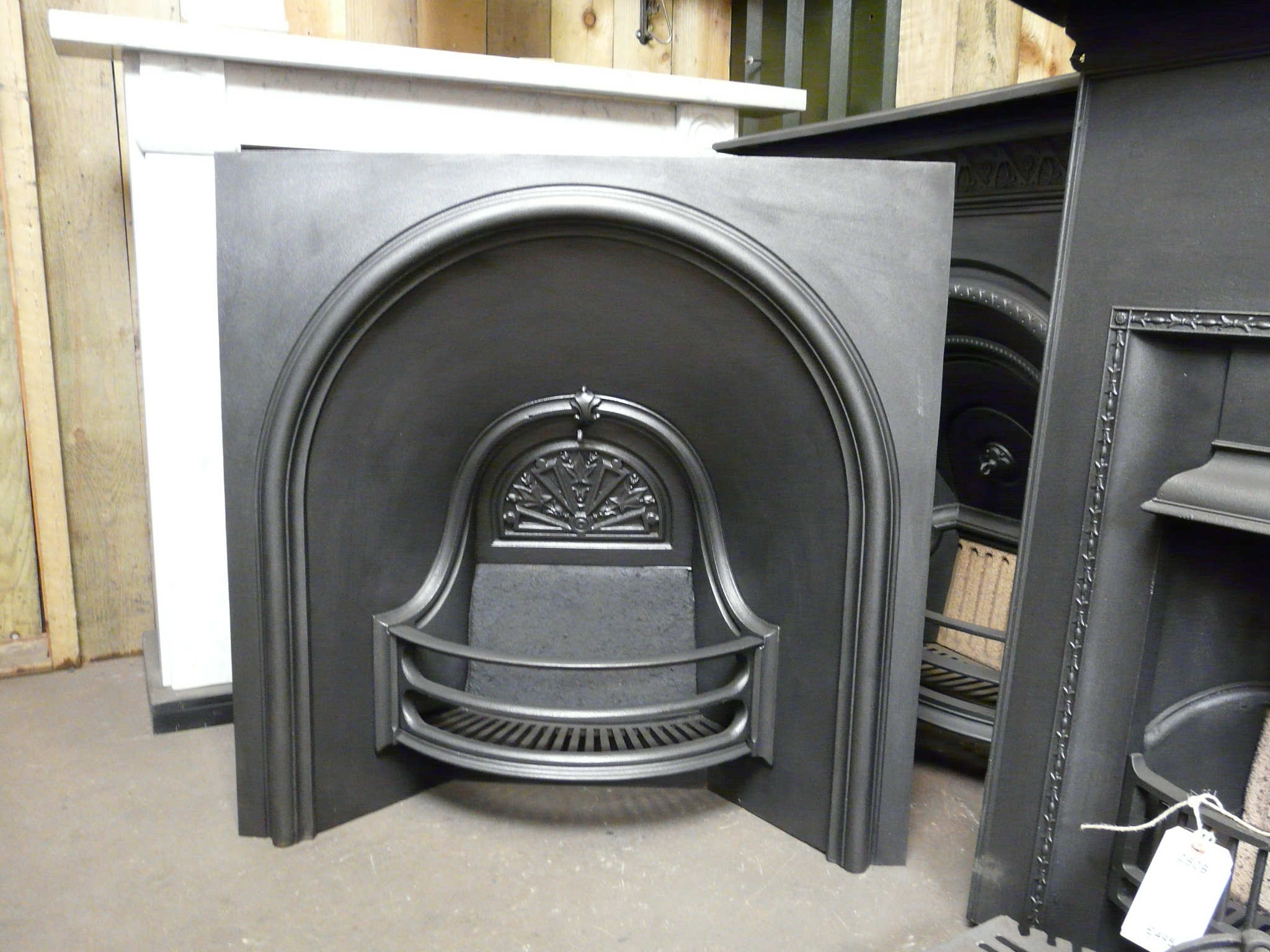
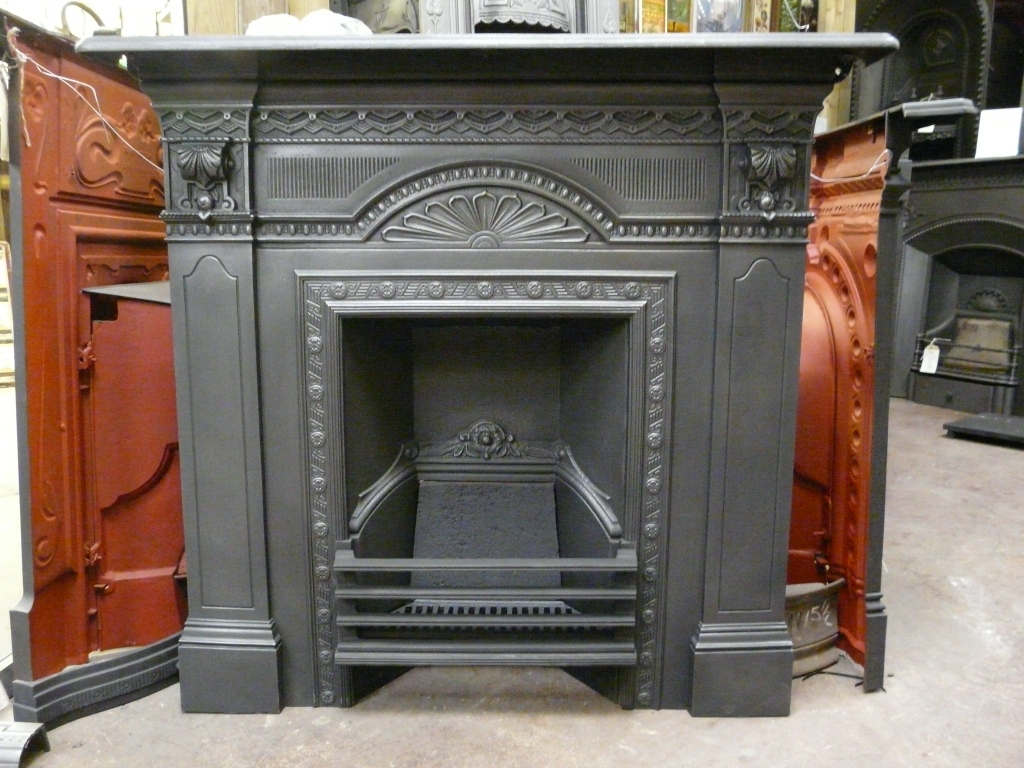
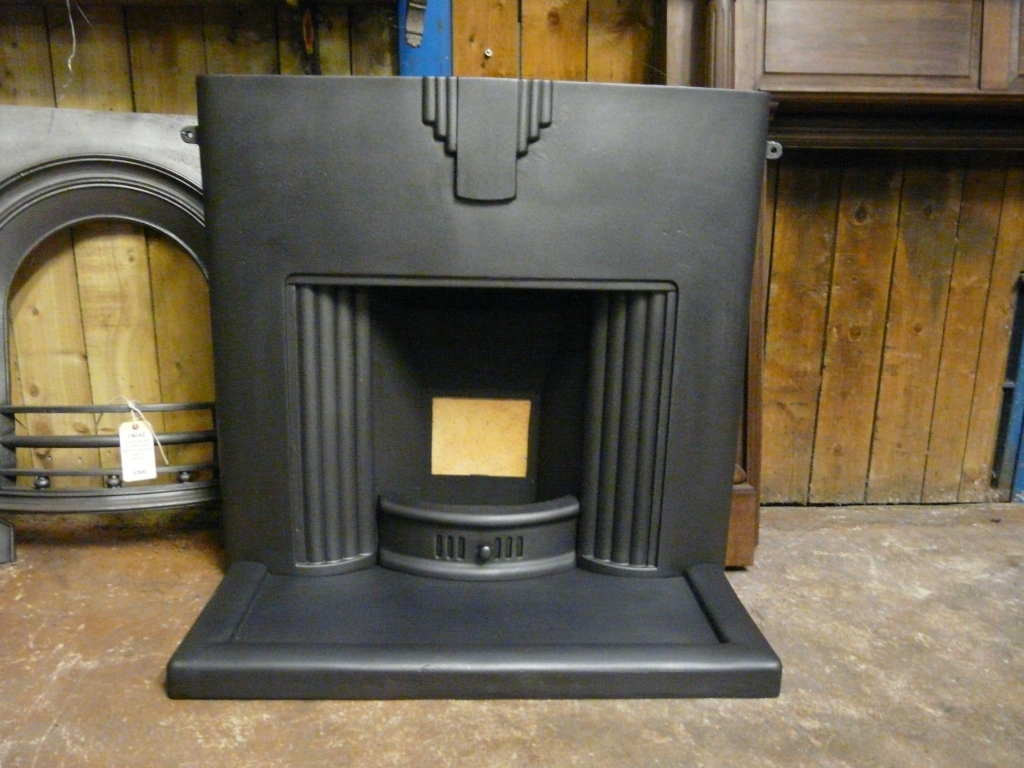
When researching antique marble fireplace surrounds, you may discover a variety of historical styles, each with its own set of design qualities. Clean lines, harmonious proportions, and classical elements like as columns and friezes are common features of Neoclassical forms. Victorian designs can be more extravagant, featuring intricate carvings of flowers, scrolls, and figures. Art Deco surroundings use geometric motifs and streamlined designs. Understanding these stylistic aspects can help you identify a piece’s age and origin, as well as choose one that complements the architectural style of your home.
Related Posts:
- Cottage Fireplace Surround
- DIY Rustic Fireplace Surround
- Vintage Cast Iron Fireplace Surround
- Delft Tile Fireplace Surround
- Fireplace Surround DIY Ideas
- Gas Fireplace Surrounds Ideas
- Grey Tile Fireplace Surround
- Modern Fireplace Surround Ideas
- DIY Electric Fireplace Surround Ideas
- How To Redo A Fireplace Surround