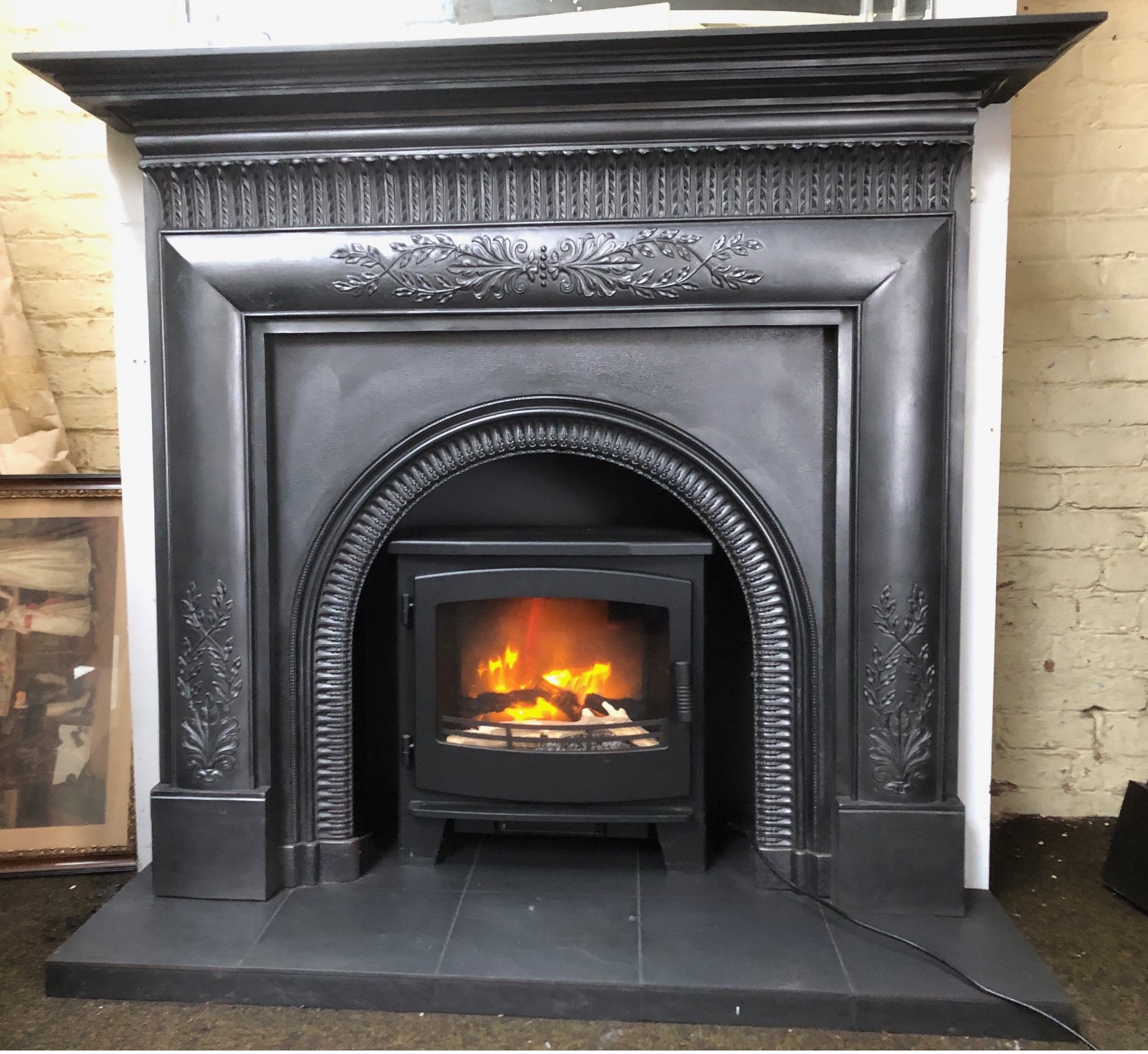
When I first spotted the Victorian cast iron fireplace surround at an architectural salvage yard, it looked like something the previous owner had tried to forget. Layers of white paint obscured intricate floral details, rust stains bled through the finish in several spots, and one of the decorative tiles had cracked down the middle. The dealer wanted $450 for what appeared to be a restoration nightmare, but something about the proportions and remaining visible details convinced me this piece had good bones. That impulsive purchase became a two-year restoration project that transformed my living room and taught me more about Victorian craftsmanship than any book ever could.
The first challenge was simply getting the surround home and assessing what I’d actually bought. Cast iron fireplace surrounds are deceptively heavy, often weighing 200-300 pounds even for modest-sized pieces. My supposedly helpful brother and I learned this the hard way while loading it into my truck. Once home, I spent hours with a flashlight and magnifying glass, cataloging every detail beneath the paint layers. What emerged was a complex pattern of botanical motifs, geometric borders, and maker’s marks that suggested this piece dated to the 1880s.

Paint removal became an education in both chemistry and patience. My initial attempts with standard paint strippers barely scratched the surface of what turned out to be six different paint layers accumulated over more than a century. I eventually invested in a professional-grade chemical stripper specifically designed for multiple paint layers on metal surfaces. The process required multiple applications, careful scraping with plastic tools to avoid damaging cast iron details, and constant ventilation due to the harsh fumes involved.
Discovering the original finish underneath all that paint felt like unwrapping a Christmas present. Victorian cast iron surrounds were typically finished in black japan paint, a durable lacquer that provided both protection and an elegant appearance. Traces of this original finish remained in protected recesses, giving me a target for restoration. However, decades of heat exposure had caused some sections to flake away completely, requiring careful research to match both color and sheen for an authentic restoration.
The decorative tiles presented their own unique challenges during the restoration process. My surround featured six ceramic tiles with hand-painted botanical designs typical of the Aesthetic Movement period. Two tiles had hairline cracks, one was missing entirely, and all showed significant crazing from age and thermal cycling. Finding period-appropriate replacement tiles required months of searching through antique dealers, online auctions, and architectural salvage specialists before I located a suitable match.
Rust treatment required more aggressive intervention than I initially anticipated. Cast iron’s porous nature means surface rust often extends deeper into the material than visible inspection reveals. I used naval jelly rust remover for heavily affected areas, followed by mechanical removal with wire brushes and steel wool. The process revealed some pitting that couldn’t be eliminated, but I learned to view these imperfections as character marks rather than flaws that detracted from the piece’s authentic vintage appeal.

Reassembly taught me about Victorian engineering and the importance of proper hardware. The surround consisted of multiple cast sections held together with period-appropriate bolts and brackets. Some hardware had corroded beyond use, requiring replacement with similar vintage pieces or carefully selected reproductions. Getting alignment perfect proved crucial since any gaps or misalignment would be obvious once installed. I spent entire weekends test-fitting pieces and adjusting hardware placement.
The refinishing process required research into historically appropriate methods and materials. I chose a high-temperature black paint designed for fireplace applications, applied in thin coats to preserve fine details. The tiles received careful cleaning with appropriate solvents and protective clear coating to prevent future crazing. Each step had to respect the piece’s age while ensuring it could safely handle the thermal stresses of actual fireplace use.

Installation day brought a mix of excitement and anxiety about whether all my restoration efforts would pay off. The surround had to integrate with my existing brick fireplace opening while maintaining proper clearances for safe operation. Professional help proved essential for final positioning and securing the heavy assembly to the wall framing. The moment we stepped back and saw the completed installation, every hour of tedious paint removal and careful restoration work felt completely worthwhile.
Living with a restored Victorian cast iron surround for the past three years has been pure joy. The intricate details that were hidden under paint now catch firelight beautifully, creating dancing shadows and highlights that modern surrounds simply can’t match. The thermal mass helps distribute heat more evenly than bare brick, and the authentic period character gives my entire living room a sense of historical continuity that new reproductions never achieve. While the restoration required significant time and patience, the result is a unique centerpiece that connects my home to generations of craftsmanship and domestic tradition.

How can I tell if a cast iron fireplace surround is worth restoring or just decorative junk?
After examining dozens of surrounds, I look for several quality indicators. Good pieces have crisp, detailed castings with minimal pitting or structural damage. Check for maker’s marks, which often indicate quality foundries. Victorian and Edwardian pieces typically show superior craftsmanship compared to 20th-century reproductions. Avoid surrounds with major cracks, missing sections, or severe warping that could affect installation. Even heavily painted pieces can be excellent candidates if the underlying casting quality is good.
What should I expect to invest in a complete cast iron surround restoration project?
My project cost about $800 total: $450 for the surround, $200 in stripping and refinishing supplies, $100 for replacement tiles, and $50 for new hardware. Professional paint stripping can cost $300-600 if you prefer not to tackle it yourself. Factor in time investment; mine required about 60 hours spread over several months. Quality restored surrounds sell for $1,500-3,000, so the economics work if you value the process and authenticity over pure cost savings.

Are restored vintage cast iron surrounds safe for actual fireplace use?
Absolutely, when properly restored and installed. Cast iron is incredibly durable and handles thermal cycling better than many modern materials. I use mine regularly with no issues. The key is ensuring proper clearances from combustible materials, secure mounting to prevent movement, and appropriate heat-resistant finishes. Victorian engineers designed these surrounds for daily use with coal and wood fires, much hotter than typical modern usage. Professional installation ensures all safety codes are met.
How do I maintain a restored cast iron fireplace surround?
Maintenance is surprisingly minimal once properly restored. I dust regularly with a soft cloth and occasionally touch up the finish with high-heat paint where needed. The tiles clean easily with mild soap and water. Avoid abrasive cleaners that could damage the finish. Seasonal inspection for any loose hardware or finish deterioration helps prevent minor issues from becoming major problems. The thermal cycling from fireplace use actually helps maintain the proper fit of all components.
Where are the best places to find vintage cast iron fireplace surrounds worth restoring?
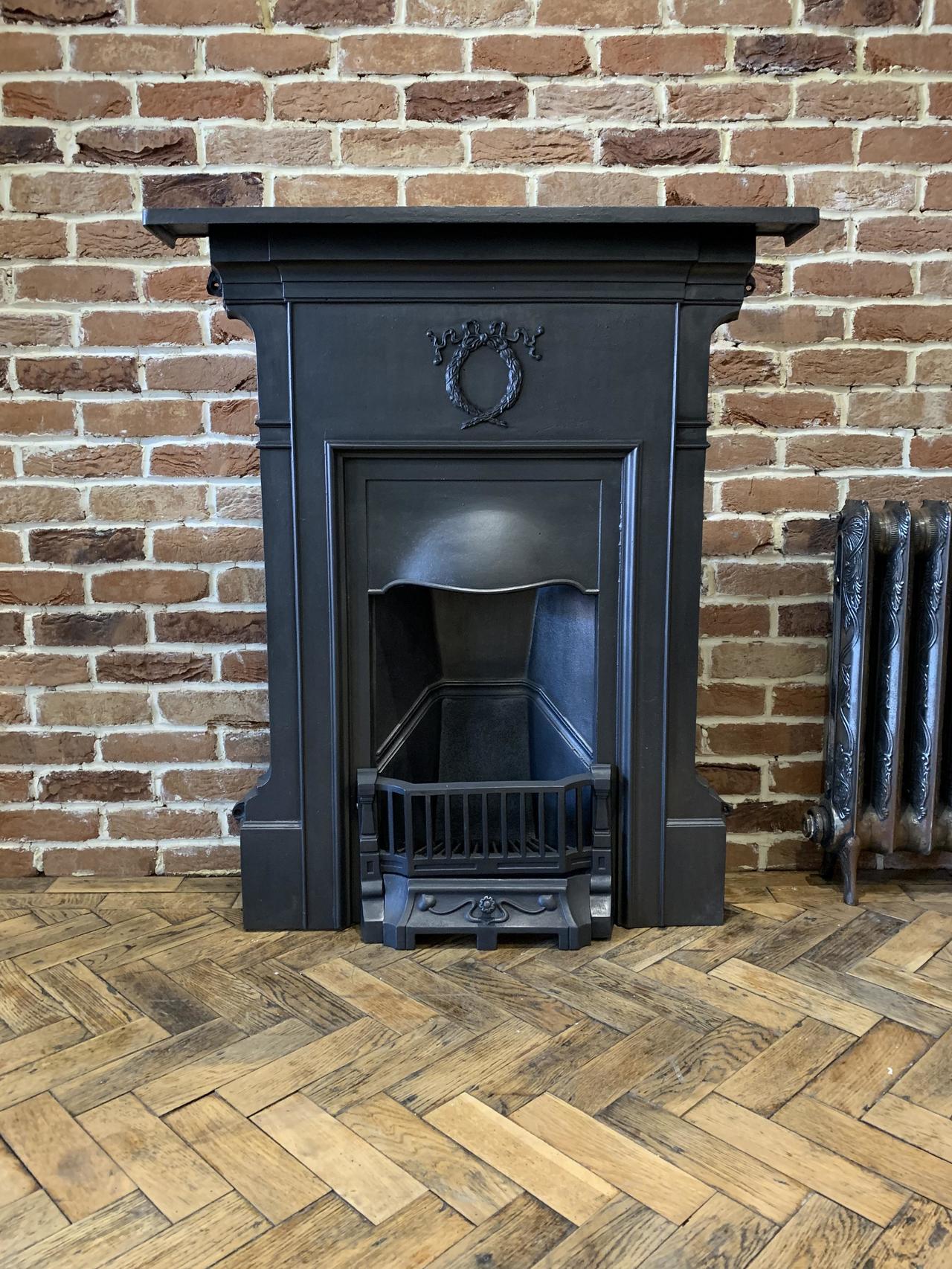
Architectural salvage yards have been my best source, though I expect to pay more for quality pieces. Estate sales in older neighborhoods often yield excellent finds at lower prices. Online marketplaces expand options but require careful photo analysis since shipping costs are prohibitive. Building demolition companies occasionally have surrounds available, though timing is unpredictable. Developing relationships with dealers who understand your interests helps identify pieces before they hit the general market.
Should I attempt paint removal myself or hire professionals for cast iron restoration?
I recommend DIY for patient individuals with a proper workspace and ventilation. The process is tedious but not technically difficult, and you’ll learn every detail of your piece. Professional stripping costs more but saves substantial time and handles hazardous materials disposal. Consider hybrid approach: professional stripping followed by DIY refinishing. Either way, proper safety equipment is essential due to lead paint and harsh chemical exposure. The satisfaction of complete DIY restoration is tremendous if you enjoy detailed hands-on projects.
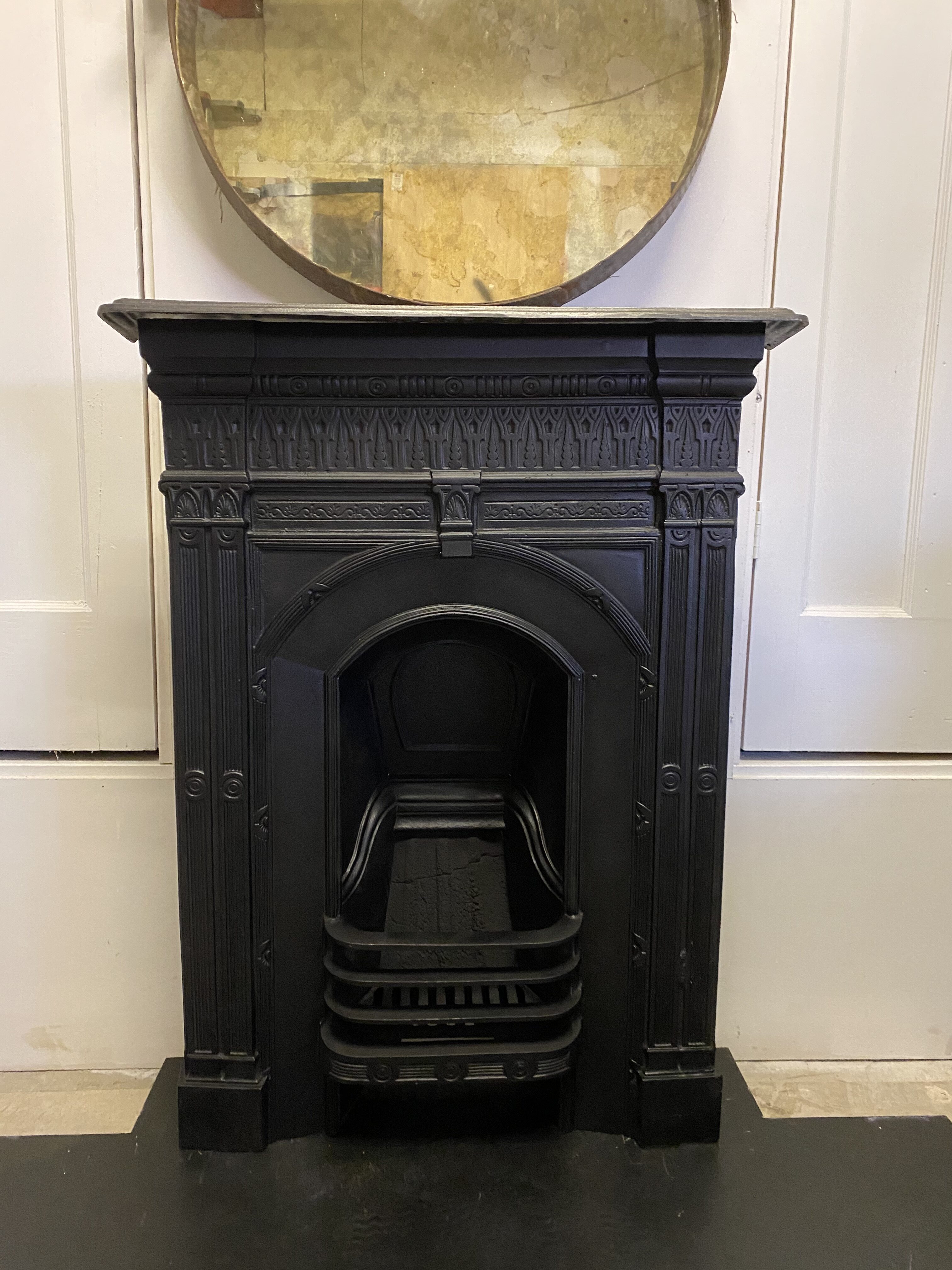
Antique Cast Iron Combination Fireplace Ace Reclamation
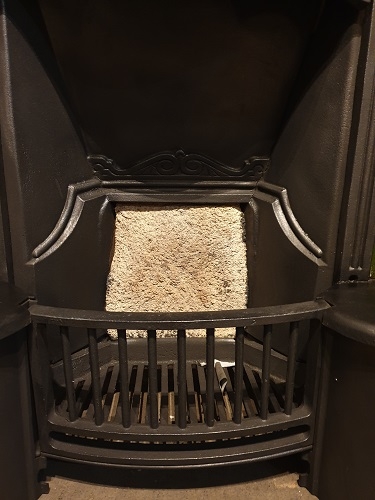
Reclaimed Antique Cast Iron Fireplace
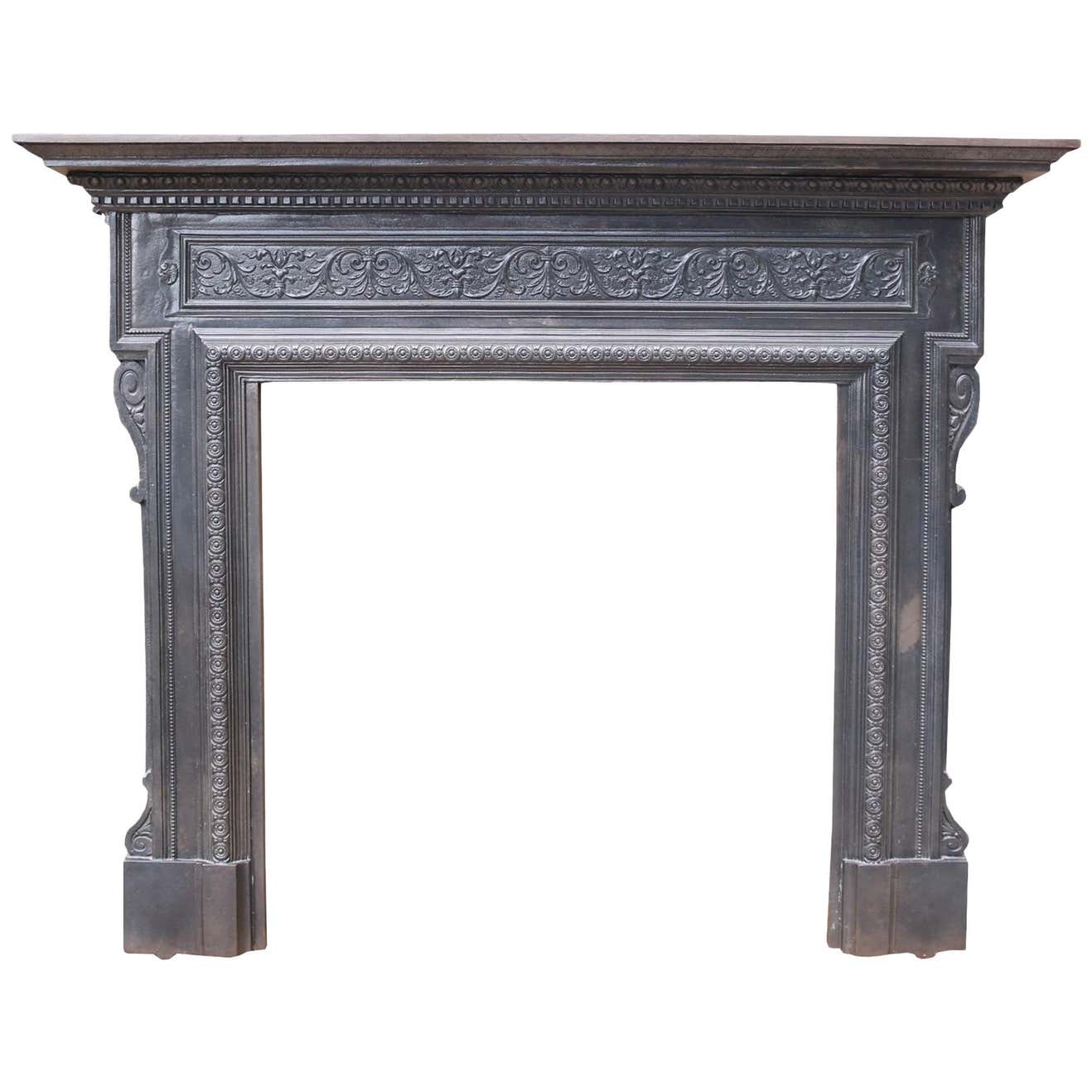
19th Century Victorian Painted Cast Iron Fireplace Surround
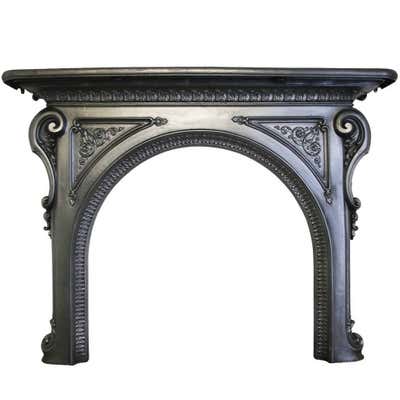
Antique Style Ornate Copper Fire Screen Fireplace accessories, Fireplace screens, Fireplace

Vintage fireplace in Great Barr, West Midlands Gumtree

Items similar to Antique 19th Century Cast Iron Fireplace Surround, Summer Cover & Grate on Etsy
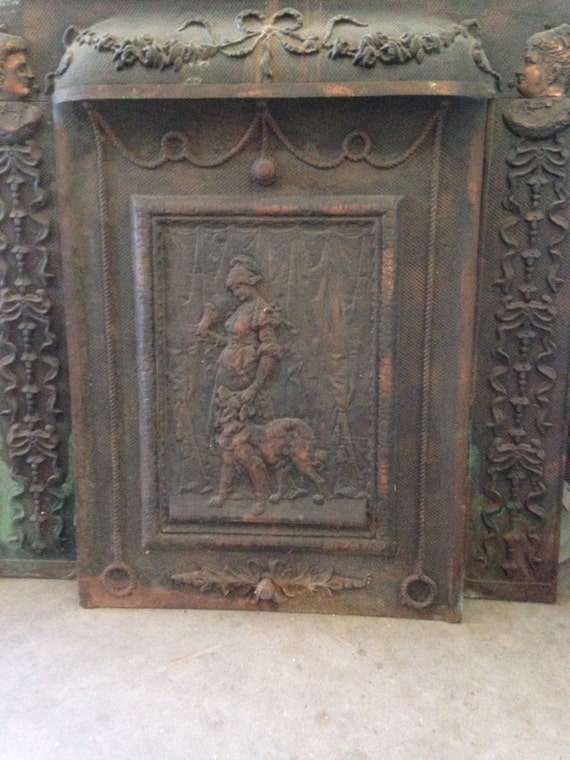
Beautiful iron fireplace with over mantle mirror above Edwardian fireplace, Victorian

Victorian Style Cast Iron Fireplace & Lovely Painted Surround Etsy
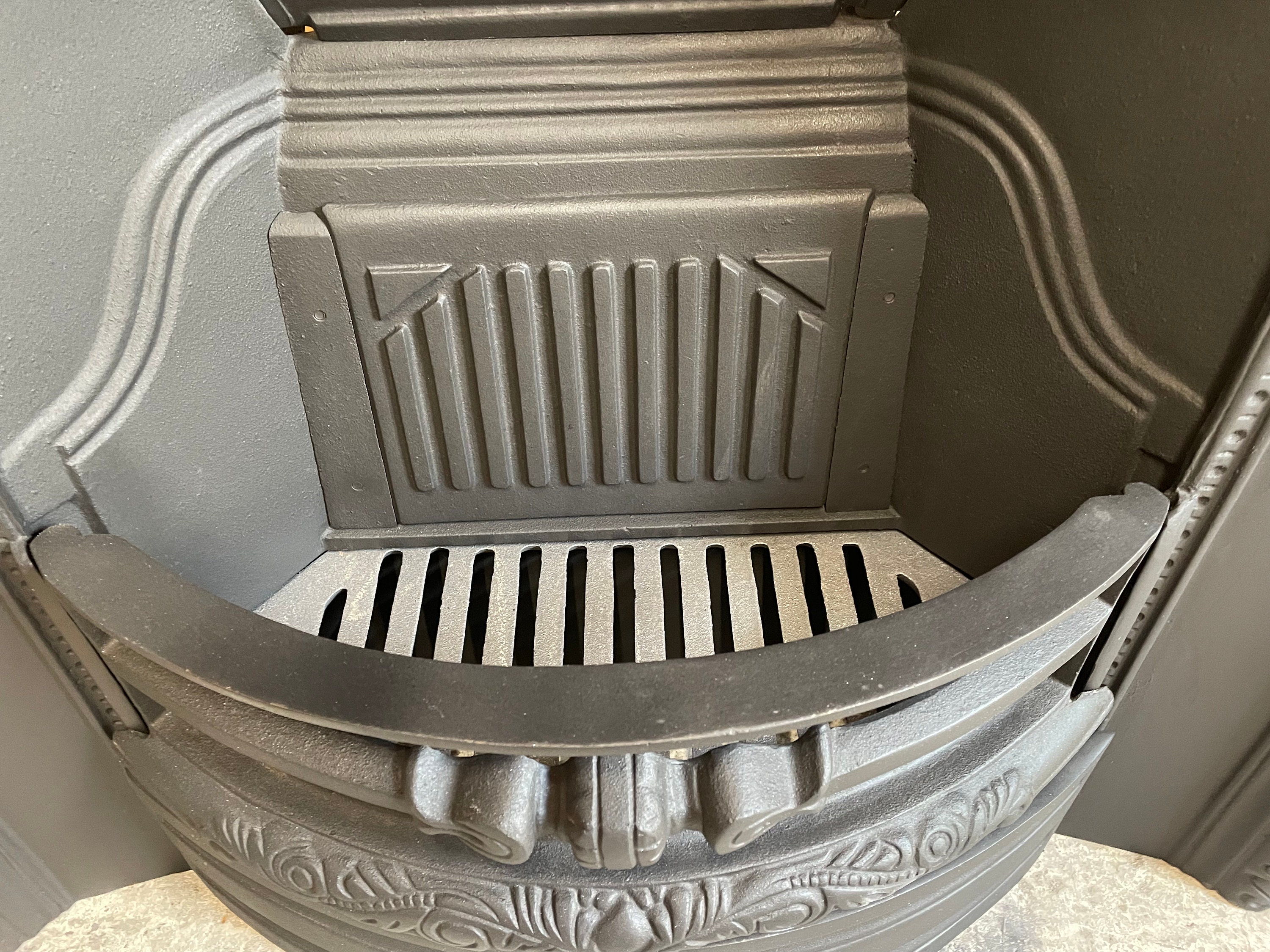
Related Posts:
- DIY Rustic Fireplace Surround
- Vintage Cast Iron Fireplace Surround
- Delft Tile Fireplace Surround
- Fireplace Surround DIY Ideas
- Gas Fireplace Surrounds Ideas
- Grey Tile Fireplace Surround
- Modern Fireplace Surround Ideas
- DIY Electric Fireplace Surround Ideas
- How To Redo A Fireplace Surround
- Fireplace Surrounds Contemporary