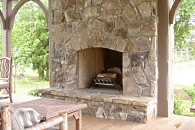
My fascination with cultured stone outdoor fireplaces began during a weekend getaway at a mountain resort, where I discovered the perfect balance between natural beauty and modern convenience. The fireplace’s stunning appearance mimicked expensive natural stone while offering consistent patterns and colors that traditional stone couldn’t match. I spent hours researching the manufacturing process, learning how these engineered stones combine Portland cement, aggregates, and iron oxide pigments to create remarkably realistic textures. The lightweight nature of cultured stone immediately appealed to me, especially considering my deck’s weight limitations and installation requirements.
Planning my cultured stone outdoor fireplace project required careful consideration of local building codes, fire safety regulations, and structural requirements that I initially underestimated. I discovered that my municipality required permits for outdoor fireplaces, along with specific clearance distances from property lines and structures. The foundation requirements proved more complex than anticipated, needing proper drainage and frost protection in my climate zone. Working with a structural engineer helped determine load-bearing requirements for my chosen location. I learned that cultured stone’s lighter weight compared to natural stone reduced foundation costs significantly while maintaining structural integrity.
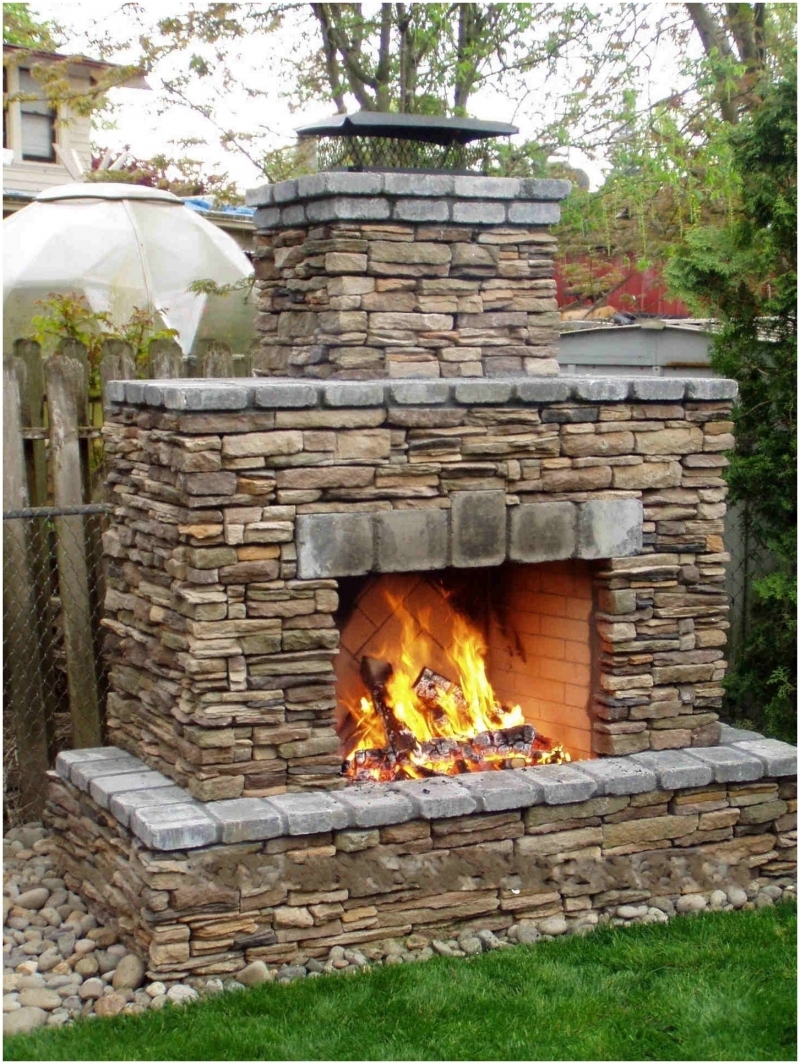
Selecting the right cultured stone style and color became an enjoyable yet challenging process that consumed weeks of research and sample comparison. I visited multiple suppliers, examining texture variations, color consistency, and installation requirements for each product line. The abundance of options, from rustic fieldstone to smooth contemporary designs, made decision-making difficult. I ultimately chose a weathered limestone style that complemented my home’s existing architecture while providing the timeless appearance I desired. Ordering samples and testing them in different lighting conditions helped ensure the final selection would look perfect in my specific outdoor environment.
The installation process for my cultured stone outdoor fireplace proved more involved than I initially expected, requiring specialized tools and techniques for optimal results. I hired experienced masons familiar with cultured stone application, as proper installation techniques differ significantly from natural stone methods. The base preparation involved creating a stable, level foundation with proper drainage to prevent settling and cracking. My contractors used specialized adhesives and mechanical fasteners designed specifically for cultured stone, ensuring long-term durability. Weather conditions during installation became crucial, as temperature and humidity affected adhesive curing times and stone placement accuracy.

Cost considerations for my cultured stone outdoor fireplace extended beyond material prices to include design complexity, installation labor, and long-term maintenance requirements. Initially, cultured stone appeared significantly less expensive than natural alternatives, but specialized installation and quality components increased the total investment. I learned that cutting corners on foundation work or using inappropriate materials could lead to costly repairs later. The fireplace’s size and design complexity directly impacted labor costs, with intricate patterns requiring more skilled craftsmanship. However, the finished product’s value addition to my property justified the investment through increased home value and enhanced outdoor living experience.
Maintenance requirements for cultured stone outdoor fireplaces proved surprisingly minimal compared to natural stone alternatives, making them ideal for busy homeowners like myself. Regular cleaning involves simple soap and water solutions, avoiding acidic cleaners that could damage the stone’s surface or affect coloration. I inspect the mortar joints annually, repairing any cracks or gaps that could allow moisture penetration behind the stone veneer. Sealing isn’t typically required for cultured stone, unlike natural stone that needs periodic protection treatments. The consistent manufacturing process creates stones with uniform density and porosity, reducing maintenance variability and simplifying care routines significantly.
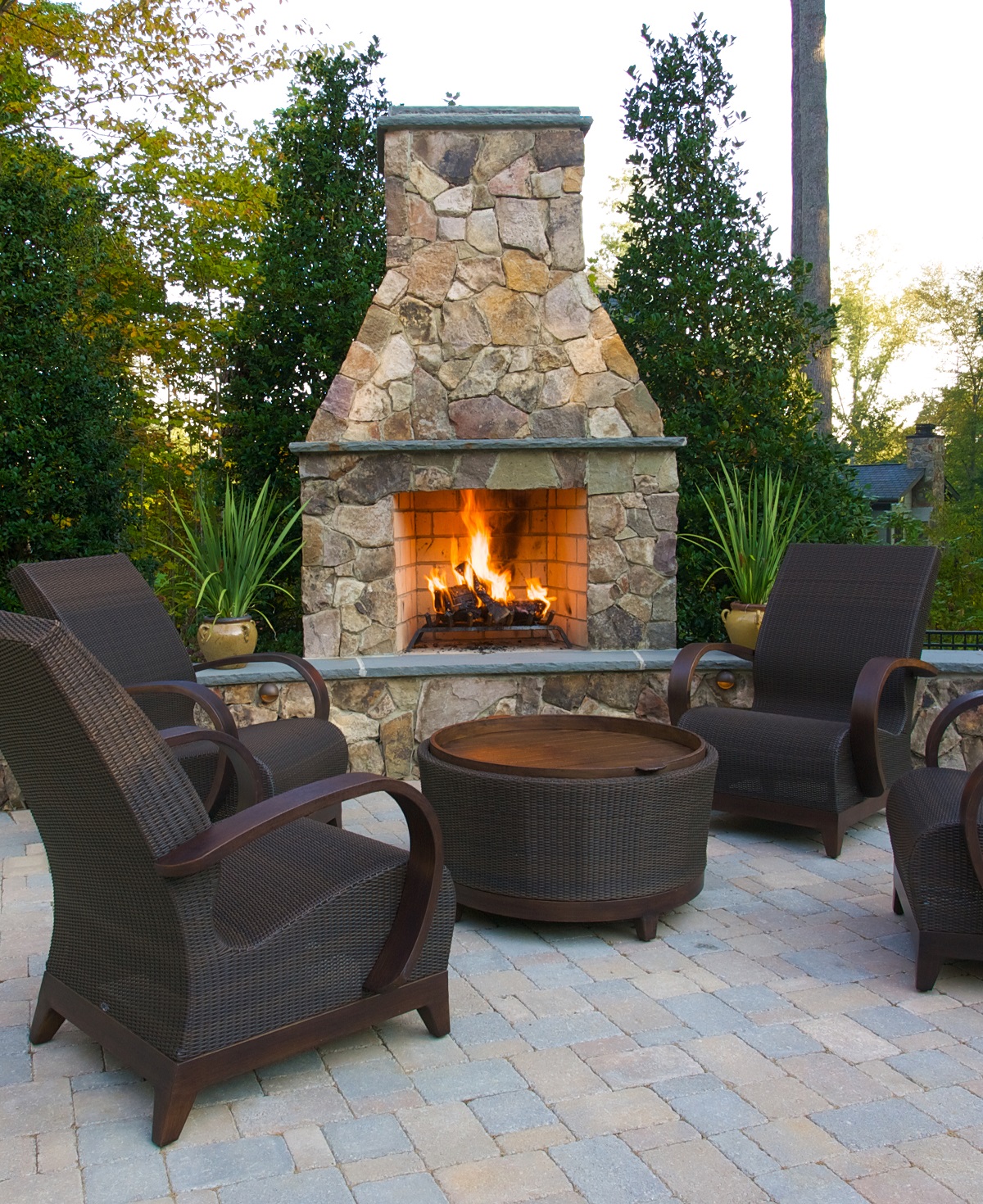
Weather resistance became a crucial factor in my cultured stone selection, as outdoor fireplaces face constant exposure to rain, snow, temperature fluctuations, and UV radiation. I researched freeze-thaw cycle ratings and discovered that quality cultured stone products undergo rigorous testing to ensure durability in harsh climates. The manufacturing process creates stones with controlled porosity, reducing water absorption that causes cracking in natural stone. UV-stable pigments prevent fading and color changes over time, maintaining the fireplace’s appearance for decades. My three-year-old installation shows no signs of weather damage despite harsh winters and intense summer sun exposure.
Design integration with my existing landscape required careful planning to ensure the cultured stone fireplace complemented rather than competed with surrounding elements. I worked with a landscape designer to create cohesive color schemes and material transitions that connected the fireplace to existing hardscaping and plantings. The fireplace’s scale needed to match my outdoor space proportions, avoiding overwhelming smaller areas or appearing insignificant in larger settings. Lighting design became essential for evening ambiance, requiring electrical planning during the construction phase. Strategic placement of seating areas and traffic flow patterns maximized the fireplace’s functional and aesthetic impact.

Safety considerations for my cultured stone outdoor fireplace installation included proper ventilation, spark arrestors, and clearance requirements that protect both property and users. I learned about ember protection zones and required non-combustible materials within specific distances from the firebox opening. Carbon monoxide concerns led me to ensure adequate ventilation and avoid enclosed or partially enclosed installation areas. Fire safety equipment placement became part of the overall design, with fire extinguishers and water sources strategically located nearby. Insurance requirements and liability considerations influenced design decisions and required documentation of professional installation and code compliance.
My cultured stone outdoor fireplace has transformed our outdoor living experience, creating a focal point that extends our home’s usable space throughout multiple seasons. The realistic stone appearance consistently receives compliments from guests who often mistake it for expensive natural stone. Evening gatherings around the fireplace have become treasured family traditions, while the ambient lighting creates magical outdoor dining experiences. The investment has proven worthwhile through increased property value, reduced indoor heating costs during shoulder seasons, and countless memorable moments with friends and family. I frequently recommend cultured stone fireplaces to friends considering similar projects based on my positive experience.

How does cultured stone compare to natural stone for outdoor fireplace construction?
My research and experience demonstrate that cultured stone offers significant advantages over natural stone for outdoor fireplaces, including consistent sizing, lighter weight, and lower installation costs. Natural stone requires more skilled labor due to irregular shapes and sizes, while cultured stone’s uniform dimensions simplify installation. Weather resistance is comparable or better with cultured stone due to controlled manufacturing processes. The cost savings are substantial, typically 30-50% less than natural stone projects. However, natural stone provides unique character and potential long-term value that some homeowners prefer despite higher costs.
What maintenance is required to keep a cultured stone outdoor fireplace looking its best?
Maintaining my cultured stone outdoor fireplace requires minimal effort compared to natural stone alternatives, making it ideal for busy homeowners. I clean the surface twice yearly with mild soap and water, avoiding acidic cleaners that can damage the finish. Annual inspection of mortar joints helps identify any cracks needing repair before moisture penetration occurs. No sealing is required, unlike natural stone that needs periodic treatment. I remove any organic growth immediately and check for loose stones after severe weather. This simple routine has kept my fireplace looking new for three years.
Can I install a cultured stone outdoor fireplace myself, or should I hire professionals?
While I considered DIY installation initially, I strongly recommend hiring experienced professionals familiar with cultured stone application techniques and local building codes. The foundation requirements, structural considerations, and safety regulations make this project unsuitable for most homeowners’ skill levels. Proper installation techniques differ from natural stone methods, requiring specialized adhesives and fastening systems. Building permits and inspections typically require licensed contractor involvement. The investment in professional installation protects against costly mistakes and ensures code compliance. My contractor’s expertise resulted in a flawless installation that I couldn’t have achieved independently.
What design styles work best with cultured stone outdoor fireplaces?
Cultured stone outdoor fireplaces adapt beautifully to numerous architectural styles based on my observations and research. Traditional designs benefit from rustic fieldstone or weathered limestone patterns that complement classic home styles. Contemporary homes pair well with smooth, linear stone patterns and clean geometric fireplace designs. Mediterranean and southwestern styles showcase textured stones with warm earth tones. Craftsman and rustic designs embrace rough-hewn stone appearances with irregular patterns. The key lies in selecting stone colors and textures that harmonize with existing home materials while considering the overall landscape design and outdoor living space proportions.

How much does a cultured stone outdoor fireplace typically cost to build?
My cultured stone outdoor fireplace project cost approximately $8,000-12,000 including materials, professional installation, permits, and basic landscaping integration. Costs vary significantly based on size, design complexity, foundation requirements, and regional labor rates. Simple designs with standard stone patterns cost less, while intricate patterns and custom features increase expenses. Foundation work, gas line installation, and electrical components add to base costs. Cultured stone materials typically cost 30-50% less than natural stone alternatives. Additional features like built-in seating, lighting, or storage increase total investment but enhance functionality and value.
What should I consider when choosing the location for my cultured stone outdoor fireplace?
Selecting the optimal location for my cultured stone outdoor fireplace required careful consideration of multiple factors including building codes, safety requirements, and functional needs. Local regulations dictate minimum distances from property lines, structures, and overhead obstacles like tree branches or power lines. Wind patterns affect smoke direction and user comfort, requiring observation of prevailing winds throughout different seasons. Access to utilities like gas lines and electrical service influences placement decisions and costs. Proximity to existing outdoor living areas, traffic flow patterns, and views from indoor spaces impact the fireplace’s integration and usability for entertaining and relaxation.
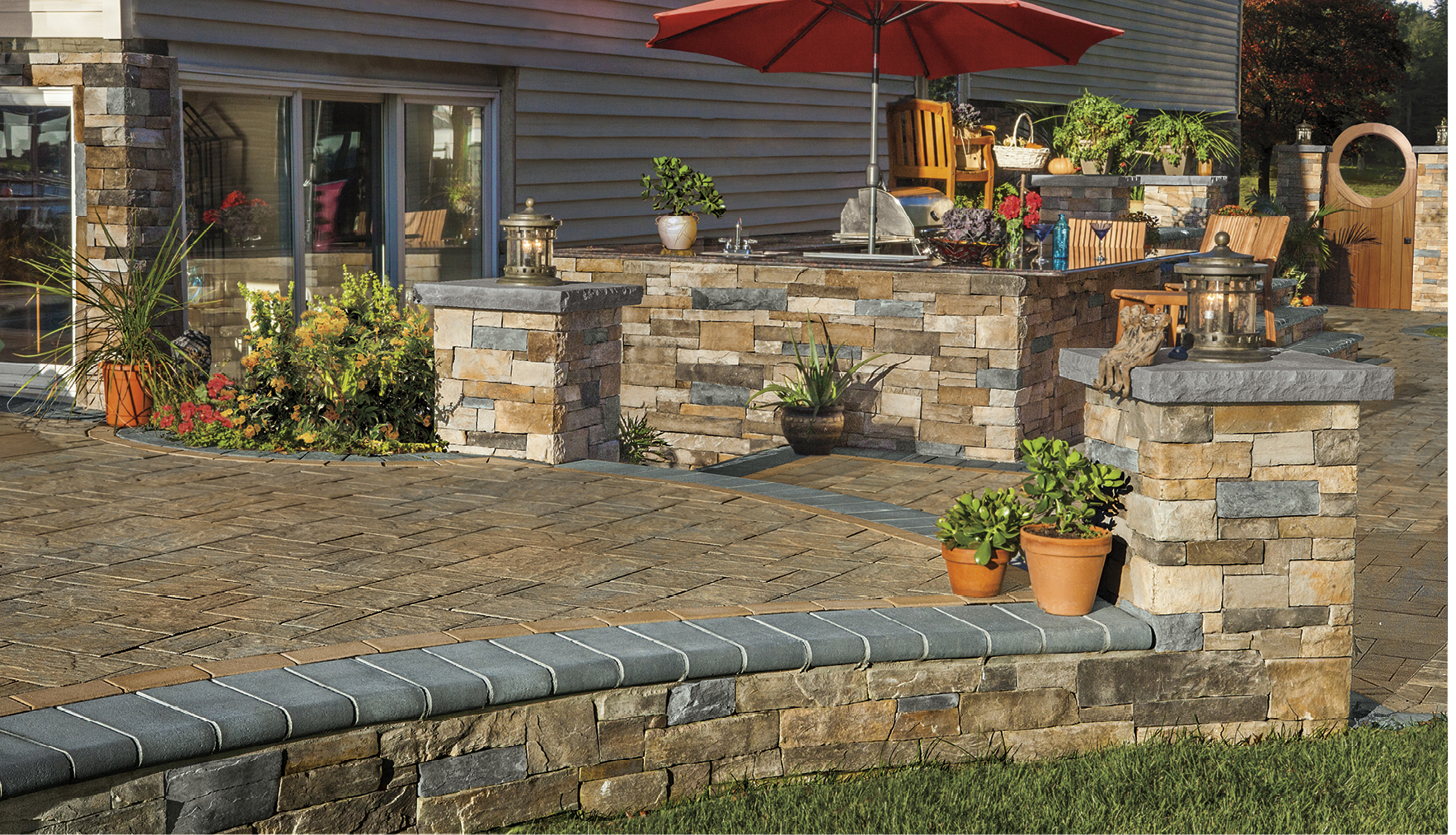
Cambridge Outdoor Kitchen, Patio, Veneer, Wall & Pillar
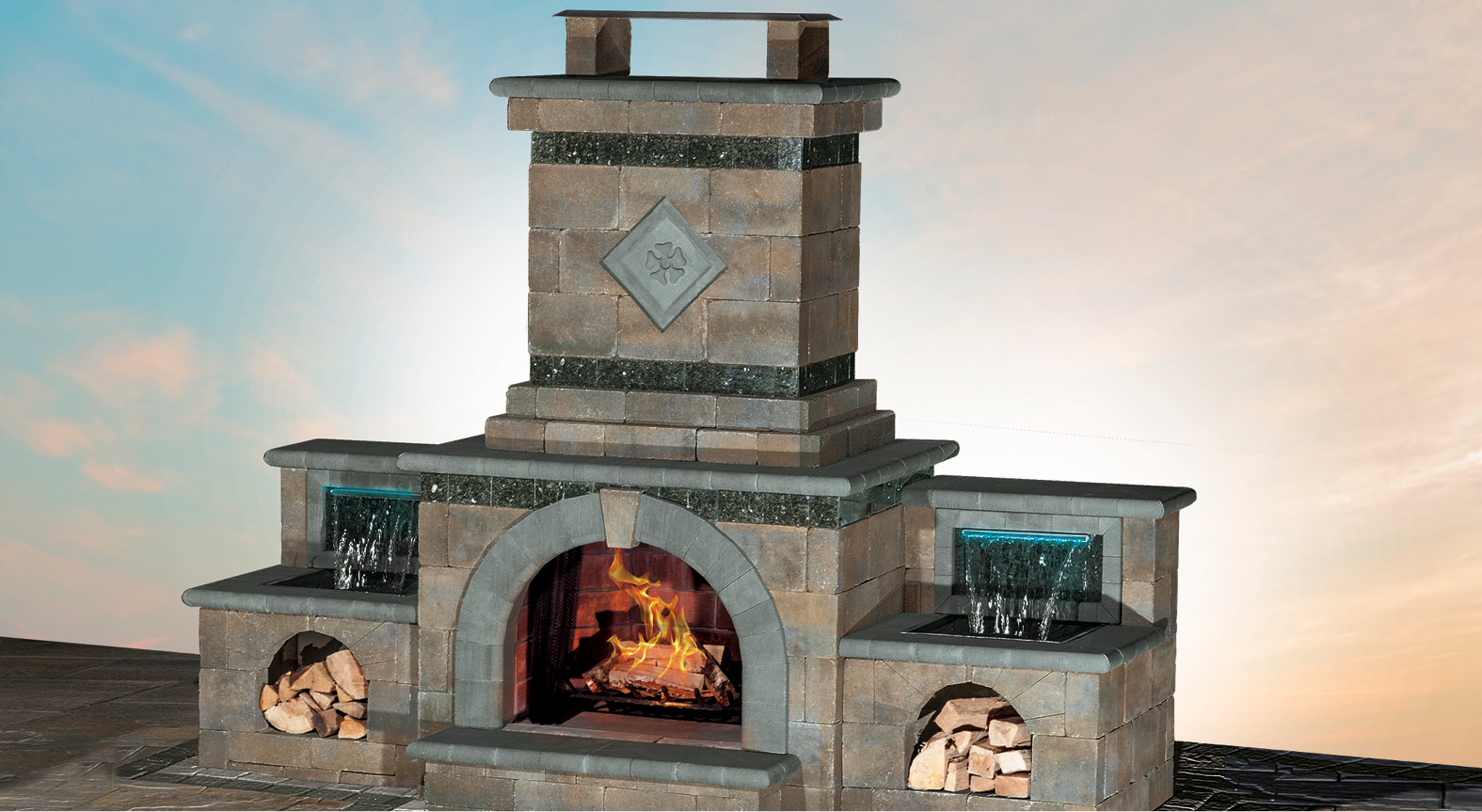
Cambridge Olde English Wall Fireplace in Toffee/Onyx Astro Masonry, Long Island, NY
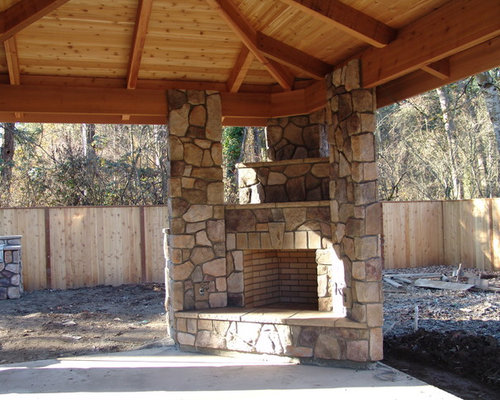
Corner Outdoor Fireplace Ideas, Pictures, Remodel and Decor
Boral Cultured Stone Chester Pro-Fit Alpine Ledgestone Pheasant – South Alabama Brick Company

Concord Brickyard – The Brickyard
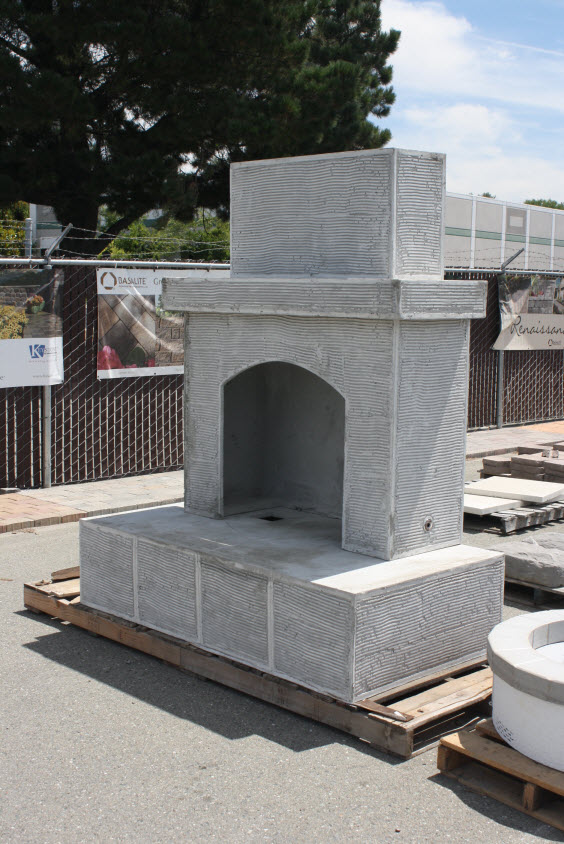
Outdoor Stone Fireplaces – Earthworks Natural Stone

Outdoor Stone Fireplaces . . . Ideal Places for Your Fire Spaces!
Related Posts: