A modern floating gas fireplace creates a striking focal point with its minimalist design and clean lines. Unlike traditional fireplaces, these units appear to hover on walls without visible supports, enhancing contemporary interiors. Gas fireplaces offer instant heat at the flip of a switch, eliminating the need for wood storage or chimney maintenance. The floating installation saves floor space, making it ideal for small apartments or open-concept living areas. Many models feature adjustable flame settings and thermostatic controls for customized comfort. With various sizes and styles available, these fireplaces blend seamlessly into modern homes while providing efficient heating.
The design possibilities with floating gas fireplaces cater to diverse aesthetic preferences. Linear models stretch horizontally, perfect for accentuating long walls or framing media centers. Square or vertical units create dramatic focal points in entryways or bedrooms. Frameless glass fronts maintain an unobstructed view of the flames, while colored fire glass or ceramic logs customize the visual effect. Some high-end models incorporate two-sided designs that can be enjoyed from multiple rooms. The floating illusion is achieved through hidden mounting brackets or recessed installations that conceal all mechanical components. This versatility allows homeowners to match the fireplace to their decor style effortlessly.

Installation considerations for floating gas fireplaces differ from traditional models. Most units require professional mounting to ensure proper gas line connections and venting. Direct-vent models pipe combustion gases outside through a small wall penetration, eliminating the need for a chimney. Vent-free options offer greater placement flexibility but must adhere to local regulations regarding room size and ventilation. Electrical outlets should be positioned discreetly for models with LED lighting or blowers. Proper clearances from combustible materials must be maintained according to manufacturer specifications. The floating design often allows installation at varying heights, enabling creative placement above furniture or as a room divider element.
Energy efficiency sets modern gas fireplaces apart from wood-burning alternatives. Many models boast efficiency ratings above 70%, with advanced units reaching 90% or more. Zone heating capabilities allow warming specific areas instead of entire homes, reducing energy consumption. Programmable thermostats maintain consistent temperatures while minimizing gas usage. Some fireplaces incorporate blowers that distribute heat more evenly throughout the room. Compared to electric fireplaces, gas models provide more substantial heat output, making them practical primary heat sources in moderate climates. The clean-burning technology produces minimal emissions, appealing to environmentally conscious homeowners.
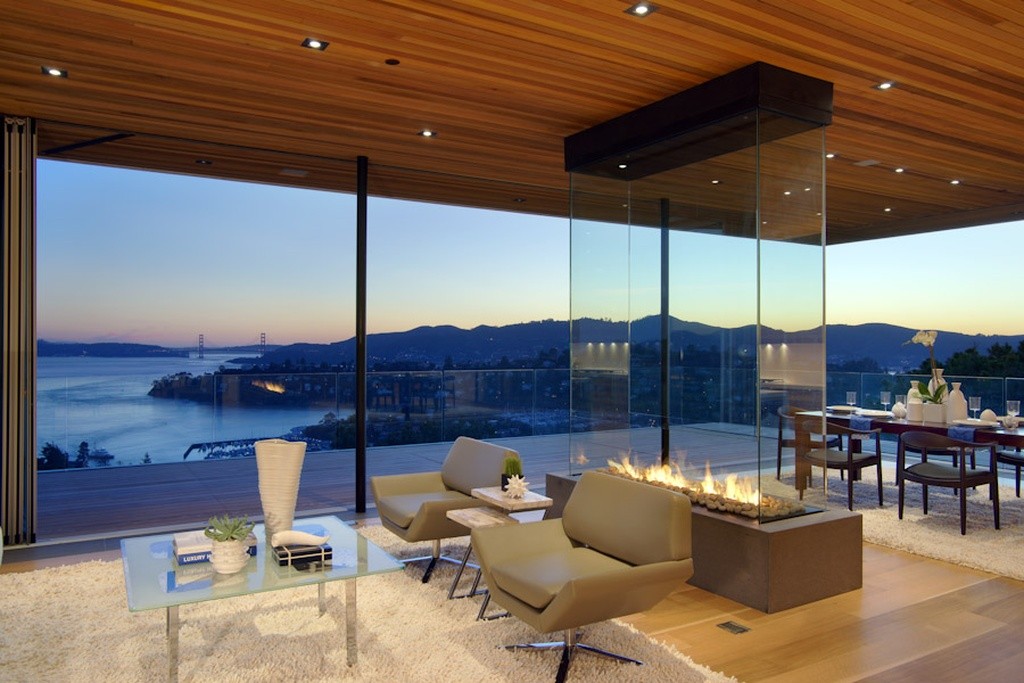
Safety features in floating gas fireplaces provide peace of mind for families. Cool-to-the-touch glass fronts prevent burns, even during operation. Oxygen depletion sensors automatically shut off units if air quality drops below safe levels. Child lock functions disable controls to prevent accidental activation. The sealed combustion systems in direct-vent models ensure no indoor air is used for burning, eliminating backdraft risks. Floating installations keep the firebox safely elevated away from children and pets. Many units include safety screens as optional accessories for households with special concerns. These protections make gas fireplaces safer than traditional wood-burning options.
Maintenance requirements for floating gas fireplaces are minimal compared to wood-burning units. Annual professional inspections ensure proper gas pressure and venting operation. Glass fronts need occasional cleaning with specialized fireplace glass cleaner to maintain clarity. Dust accumulation on internal components can be removed with compressed air. Vent-free models may require more frequent burner cleaning to maintain efficiency. Unlike wood fireplaces, there’s no ash removal or chimney sweeping needed. The simplicity of care makes these units appealing for busy homeowners who want ambiance without labor-intensive upkeep.

Technological advancements have enhanced modern gas fireplace functionality. Wi-Fi-enabled models allow flame adjustment and temperature control via smartphone apps. Some units sync with home automation systems for voice command operation. LED lighting systems create customizable flame colors beyond traditional orange hues. Realistic log sets with glowing ember beds mimic wood fires convincingly. Advanced units even incorporate water vapor systems that produce realistic smoke effects without actual combustion byproducts. These innovations provide the cozy atmosphere of traditional fires with contemporary convenience.
Cost factors for floating gas fireplaces vary based on size and features. Basic models start around $1,500, while high-end designer units can exceed $5,000. Installation costs typically range from $500 to $2,000 depending on venting requirements and gas line modifications. Operating costs average $0.30-$0.70 per hour depending on local gas prices and heat settings. While the initial investment exceeds electric fireplaces, the superior heat output and lower operating costs often justify the premium. Many homeowners find the aesthetic impact alone warrants the expense for their living spaces.
In conclusion, modern floating gas fireplaces combine artistic design with practical heating solutions. Their space-saving floating installation suits contemporary homes where clean lines and functionality are prioritized. The instant warmth and adjustable ambiance create inviting atmospheres without the hassles of traditional fireplaces. With proper installation and minimal maintenance, these units provide years of reliable service while elevating interior design. Whether used as primary heat sources or decorative elements, floating gas fireplaces deliver style and comfort in one sophisticated package.
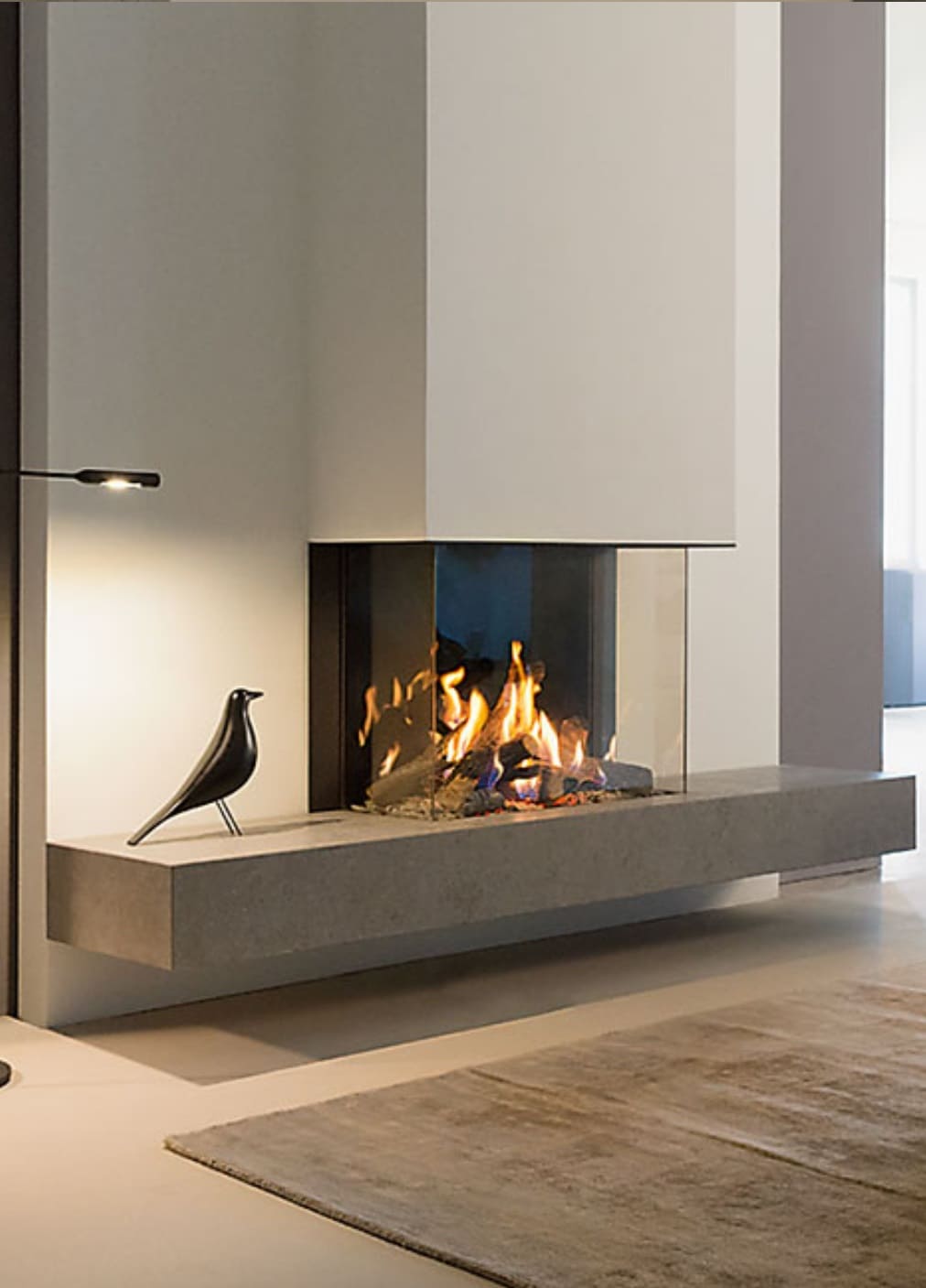
How much wall space is needed for a floating gas fireplace?
Most floating gas fireplaces require at least 36 inches of wall width for safe installation, with larger models needing 60 inches or more. Height clearance depends on the unit design—linear models typically need 18-24 inches vertically, while taller units may require 48 inches. Maintain at least 12 inches clearance from ceilings and 6 inches from adjacent walls unless the manufacturer specifies otherwise. Corner installations may need special angled units. Always check the specific model’s installation manual for exact dimensions and clearances before purchasing.
Can a floating gas fireplace be installed in a bedroom?
Vent-free floating gas fireplaces can be installed in bedrooms if local building codes permit. They must be properly sized for the room’s cubic footage—typically no more than 10,000 BTUs for bedrooms under 500 square feet. Direct-vent models are safer for sleeping areas as they exhaust combustion gases outside. Always ensure the unit has oxygen depletion sensors and meets current safety standards. Some municipalities prohibit all gas appliances in bedrooms, so check regulations beforehand. Proper ventilation is crucial regardless of fireplace type.

How difficult is it to convert a floating gas fireplace to propane?
Most gas fireplaces can be converted from natural gas to propane with a manufacturer-approved conversion kit. This typically involves replacing the burner orifice and adjusting the gas valve settings. However, the work should always be performed by a licensed gas technician to ensure proper combustion and safety. Venting may need adjustment as propane burns hotter than natural gas. Some high-efficiency models cannot be converted, so check the manufacturer’s specifications before attempting any changes.
Do floating gas fireplaces require electricity to operate?
Many modern units require electricity for ignition systems, blowers, and electronic controls. Basic models may use millivolt systems that don’t need external power. Battery backup options are available for areas with frequent power outages. Units with LED lighting or smart features always need electrical connections. Plan for discreet power access during installation—some models allow wiring through the wall mounting bracket. Always verify power requirements when selecting a fireplace to ensure compatibility with your home’s electrical setup.
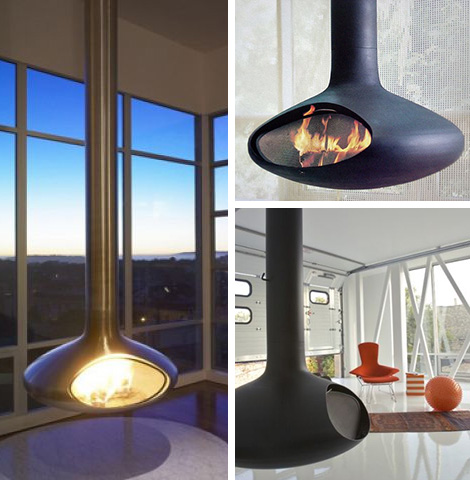
How realistic do the flames look in modern gas fireplaces?
Current gas fireplaces produce remarkably realistic flames through advanced burner technology. Ceramic fiber logs with glowing ember beds mimic wood fires closely. Some models use adjustable flame height controls and multi-port burners for natural-looking variation. Colored fire glass creates contemporary ambiance while maintaining realistic movement. The most convincing units incorporate 3D flame effects with reflective backing for depth perception. While not identical to wood fires, today’s gas flames provide satisfying visual warmth without smoke or sparks.
Can you cook over a floating gas fireplace?
Unlike wood-burning fireplaces, floating gas units are not designed for cooking. The flames are optimized for visual effect rather than consistent heating, and food particles could damage internal components. Some linear models have sufficient heat output for simple tasks like warming drinks, but dedicated cooktops are safer and more effective. Never place cookware directly on the glass front as thermal shock could cause breakage. If cooking capability is desired, consider a separate gas fire pit or outdoor kitchen setup instead.

Build 101modern gas fireplace

Contemporary Gas Fireplaces
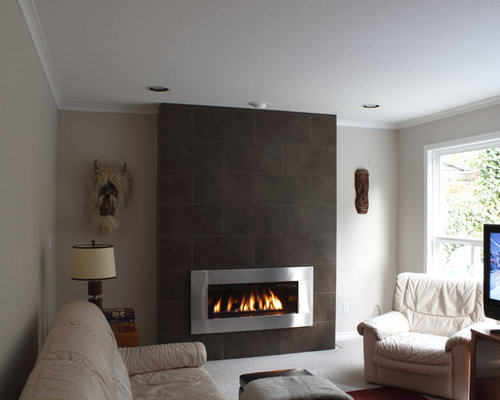
Entertainment wall Led strip lighting, Fireplace tv wall, Strip lighting

Faux Stone Fireplace Home Depot Stone fireplace mantel, Fireplace remodel, Corner gas fireplace

fireplace ceilings, Electric fireplaces and Fireplaces

NEW OUTDOOR GAS FIREPLACE, Modern Linear Design, VentFree FREE Install for Sale in Cedar Falls

Espresso cherry modern beam mantel cherry mantel.

Related Posts: