When I moved to my mountain cabin five years ago, the stark modern gas fireplace felt completely out of place in my rustic retreat. I knew I needed to transform it into something that matched the warm, weathered character of the rest of my home. What started as a simple weekend project became a complete transformation that taught me everything about creating authentic rustic charm with the convenience of gas. The key was learning that rustic doesn’t mean rough or unfinished, it means thoughtfully weathered and naturally beautiful.
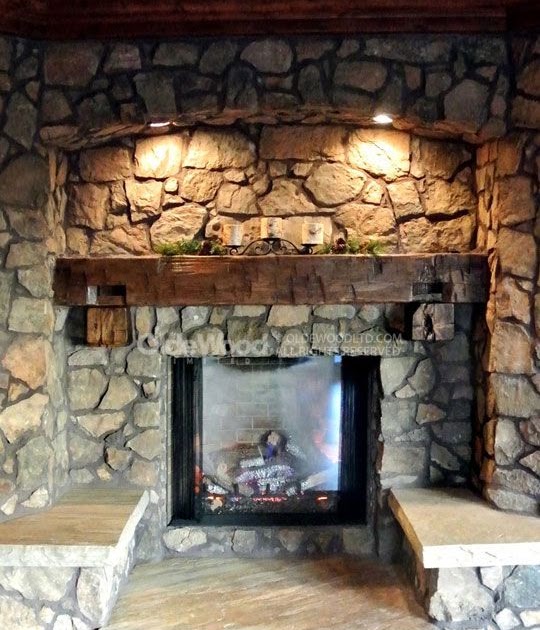
My first major discovery was how much impact the right surround materials could make. I replaced the sleek marble with reclaimed barn wood that I found at a local architectural salvage yard. The wood had decades of natural weathering, nail holes, and color variations that immediately gave my fireplace personality. I learned to embrace imperfections like knots, cracks, and uneven grain patterns because these elements are what make rustic design feel authentic. Installing the wood myself was challenging but rewarding, and I used traditional methods like mortise and tenon joints where possible.

The mantel became the true centerpiece of my rustic transformation. Instead of buying something new, I hunted for months until I found a massive hand-hewn beam from a 1800s barn. The beam still had the original adze marks from when it was shaped by hand, and its twelve-inch thickness gives it incredible presence. Mounting it required some creative engineering since it weighs nearly 200 pounds, but the visual impact is stunning. I often catch guests running their hands along its rough surface, feeling the history embedded in every groove and mark.
Stone elements were my next focus, and I discovered that not all stone works for rustic design. Smooth, uniform stones felt too polished, while rough fieldstone and river rock created the natural texture I was seeking. I used local fieldstone for the hearth extension, carefully selecting pieces with interesting colors and weathering patterns. Each stone tells its own story of exposure to elements over decades. The installation process taught me patience, as fitting irregular stones together is like solving a three-dimensional puzzle that requires constant adjustments and modifications.

The gas insert itself needed some rustic enhancement to blend with my new surround. I replaced the standard glass doors with ones that have wrought iron frames and mesh screens, giving them a more traditional appearance. Inside the firebox, I arranged ceramic logs that look remarkably realistic, avoiding the obviously fake options that would break the illusion. I also added ceramic pinecones and twigs for extra realism. The gas flames dance around these elements in ways that closely mimic a real wood fire, especially in the evening light.
Color choices became crucial for maintaining the rustic aesthetic throughout the entire installation. I used earth tones exclusively: warm browns, weathered grays, and muted greens that reflect the natural palette of the surrounding forest. The mortar between the stones is a custom color I mixed myself, matching it to the natural clay found on my property. I avoided anything too bright or artificial looking, even down to the metal finishes on the gas controls, which I treated with a patina solution to give them an aged copper appearance.
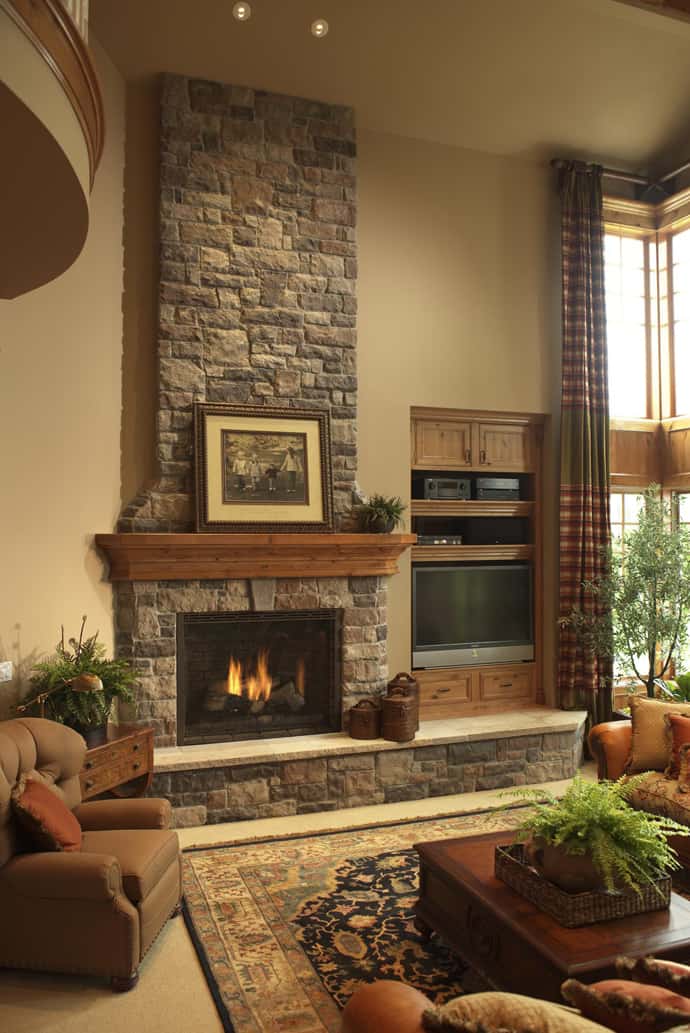
Lighting design around the fireplace required careful consideration to maintain the rustic mood. I installed wrought iron sconces on either side of the mantel, using bulbs that mimic the warm glow of candles rather than harsh white light. These fixtures cast dancing shadows that enhance the texture of the stone and wood surfaces. I also added a dimmer switch so I can adjust the lighting to complement the fireplace flames. During winter evenings, this soft lighting creates an incredibly cozy atmosphere that makes the space feel like a true mountain retreat.
Decorative accessories complete the rustic look and give me opportunities to showcase personal touches. On the mantel, I display vintage cast iron pieces, antler sheds I’ve found while hiking, and old mason jars filled with pine branches. I rotate these elements seasonally, adding pumpkins and gourds in fall, evergreen boughs in winter, and wildflowers in spring and summer. The key is using items that feel naturally weathered or handmade rather than store-bought decorative objects that look too perfect or manufactured.
The seating arrangement around the fireplace became an extension of the rustic design theme. I built a bench using more reclaimed barn wood and topped it with cushions covered in wool fabrics with traditional patterns. An old wooden rocking chair that belonged to my grandfather sits at the perfect angle for enjoying the fire. I added a vintage trunk that serves as both storage and a coffee table, and several handmade quilts are always nearby for extra warmth. The furniture arrangement encourages intimate conversations and comfortable lounging.
Maintenance of my rustic gas fireplace has proven much simpler than I initially expected. The gas system requires annual professional inspection, but the rustic materials actually hide dust and minor wear better than polished surfaces would. The stone and wood develop a natural patina over time that enhances their character. I clean the glass doors monthly and dust the mantel weekly, but otherwise, the fireplace maintains its beauty with minimal effort. The gas convenience means I can enjoy a fire whenever I want without the work of splitting wood or cleaning up ash and debris.

How much does it typically cost to transform a modern gas fireplace into a rustic design?
My complete transformation cost about $3,500, including materials and some professional help for gas line work and heavy lifting. The reclaimed barn wood was $800, the hand-hewn beam mantel cost $600, and the fieldstone ran $400. Labor for stonework and beam installation added $1,200. New gas logs and accessories were $300, with lighting and hardware bringing the total up. You can reduce costs significantly by doing more work yourself and shopping salvage yards for materials. The investment created a dramatic change that feels like a completely new fireplace.
Is it safe to modify the surround materials around a gas fireplace insert?
Safety is absolutely paramount with any fireplace modification. I worked with a certified gas technician to ensure all changes met local building codes and manufacturer clearance requirements. Stone and properly treated wood are generally safe when installed at appropriate distances from the firebox. The key is maintaining required clearances and using materials rated for fireplace applications. Never modify the actual gas insert or venting system yourself. I also installed new smoke and carbon monoxide detectors nearby and have them inspected annually, along with the gas system, for peace of mind.

Where can I find authentic reclaimed materials for a rustic fireplace project?
Architectural salvage yards are goldmines for authentic materials, though prices vary widely by location. I found my best pieces at small family-run yards rather than large commercial operations. Estate sales and farm auctions often have barn wood, stone, and vintage accessories. Online marketplaces can work, but shipping costs for heavy materials are prohibitive. Local Craigslist and Facebook Marketplace have been surprisingly productive. Networking with contractors doing demolition work has yielded some great finds. The key is being patient and checking multiple sources regularly since the best pieces sell quickly.
How do I ensure reclaimed wood is safe and suitable for use around a fireplace?
Wood safety around fireplaces requires careful evaluation and preparation. I had my barn wood tested for lead paint and treated for insects before installation. All wood must be properly dried and treated with fire-retardant products approved for fireplace use. I maintain the required clearances from the firebox and avoid using wood as a direct facing material. Instead, I use it for mantels and surrounds where temperatures stay within safe ranges. Any wood showing signs of rot, extensive insect damage, or structural weakness should be avoided entirely. When in doubt, consult with both a fireplace professional and a building inspector.

Can I achieve a rustic look while keeping my existing modern gas insert?
Absolutely, and that’s exactly what I did with great success. The key is focusing on the surround materials and accessories rather than replacing the insert itself. Most modern gas inserts perform better than older units and are more efficient and safer. I enhanced mine with realistic ceramic logs, wrought iron doors, and rustic facing materials. The contrast between efficient modern technology and traditional aesthetics actually works beautifully. You can add stone, wood, and vintage accessories while keeping the reliable performance and convenience of your current insert. This approach also saves thousands compared to a complete replacement.
How do I maintain the rustic appearance while keeping the fireplace clean and functional?
Rustic materials are actually quite forgiving when it comes to maintenance because they naturally hide dust and minor wear. I clean the stone with a soft brush and mild soap solution monthly, avoiding harsh chemicals that could damage natural materials. The reclaimed wood gets dusted weekly and treated annually with appropriate wood conditioner. Gas components need professional service annually, but I can clean the glass doors and ceramic logs myself. The beauty of rustic design is that it’s supposed to look weathered and lived-in, so perfect cleanliness isn’t necessary or even desirable for maintaining the authentic aesthetic.

Enclosed gas fire or wood burning fireplaces create a wonderful focal point in any room – even

Wood Fire Heating Circular Project

Stove fireplace, Garden houses and Fire places

Fireplace Decorating Ideas
A Room Without Walls

Gas Fireplace Designs – Modern Hearth Ideas
Unique Fireplace Idea Gallery Heat & Glo

Traditional Fireplace Designs on Pinterest Traditional fireplace

Related Posts: