Old fireplace tiles often accumulate layers of soot, grime, and smoke residue over the years of use, dulling their original beauty. Restoring these tiles requires careful cleaning methods to avoid damaging the glaze or underlying material. The process varies depending on the tile type—ceramic, porcelain, or antique encaustic tiles each need specific approaches. Gentle cleaning solutions and soft tools prevent scratches, while stubborn stains may require specialized products. Proper cleaning not only enhances the fireplace’s appearance but also preserves historical details in older homes. With patience and the right techniques, even heavily soiled tiles can regain their luster.
Before cleaning, assess the tile material and condition to determine the safest approach. Glazed ceramic and porcelain tiles withstand more aggressive cleaning than unglazed or porous materials like terracotta. Check for cracks or loose tiles that could worsen during cleaning. Remove loose debris with a soft brush or vacuum attachment, avoiding abrasive scrubbing that might scratch surfaces. Test any cleaner on a small, inconspicuous area first to ensure it doesn’t damage the finish. For antique tiles, research proper conservation methods—harsh chemicals can strip historic patinas. Protective gloves and ventilation are essential when working with strong cleaners in enclosed fireplace spaces.

Simple household solutions often work well for mild to moderate tile discoloration. A paste of baking soda and water gently lifts soot without scratching glazed surfaces. White vinegar diluted with water cuts through grease and smoke residue on ceramic tiles. For tougher stains, hydrogen peroxide or ammonia solutions (never mixed) can be effective. Apply cleaners with soft cloths or sponges, working in small sections to prevent drying streaks. Avoid steel wool or stiff brushes that could permanently damage tile surfaces. Rinse thoroughly with clean water after cleaning to remove residue that might attract more dirt. These methods work particularly well on post-1940s tiles with durable glazes.
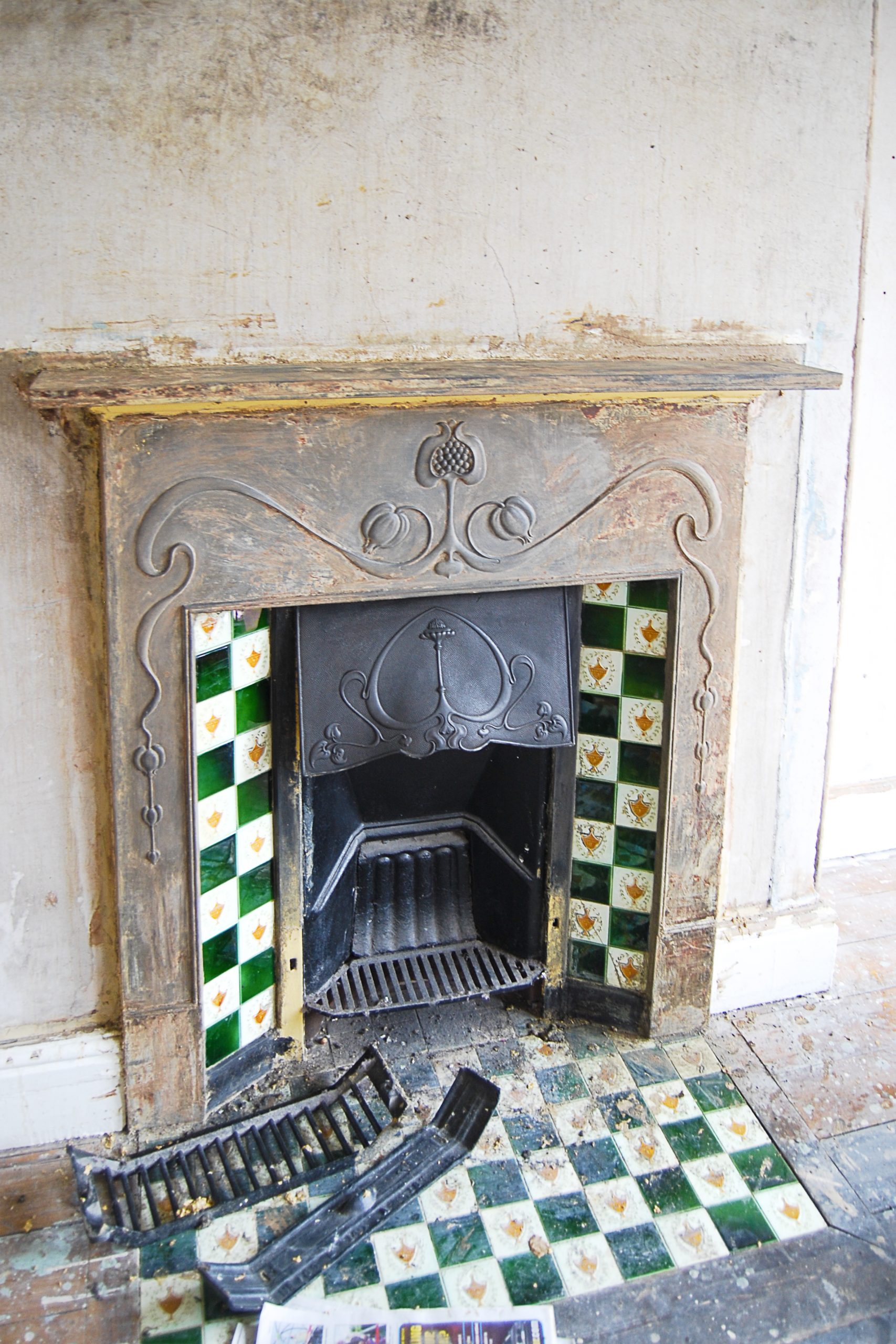
Antique encaustic or Victorian fireplace tiles demand special care to preserve their delicate surfaces. These porous cement tiles absorb stains deeply and can be damaged by acidic or alkaline cleaners. Use pH-neutral stone cleaners specifically formulated for historic tiles. A soft toothbrush helps clean intricate patterns without abrasion. For stubborn soot, kaolin clay poultices draw out stains without harsh scrubbing. Never pressure wash or soak encaustic tiles, as water infiltration causes deterioration. After cleaning, apply a breathable sealer designed for heritage tiles to protect against future staining while allowing moisture evaporation. Professional conservators should handle severely damaged or valuable antique tiles.
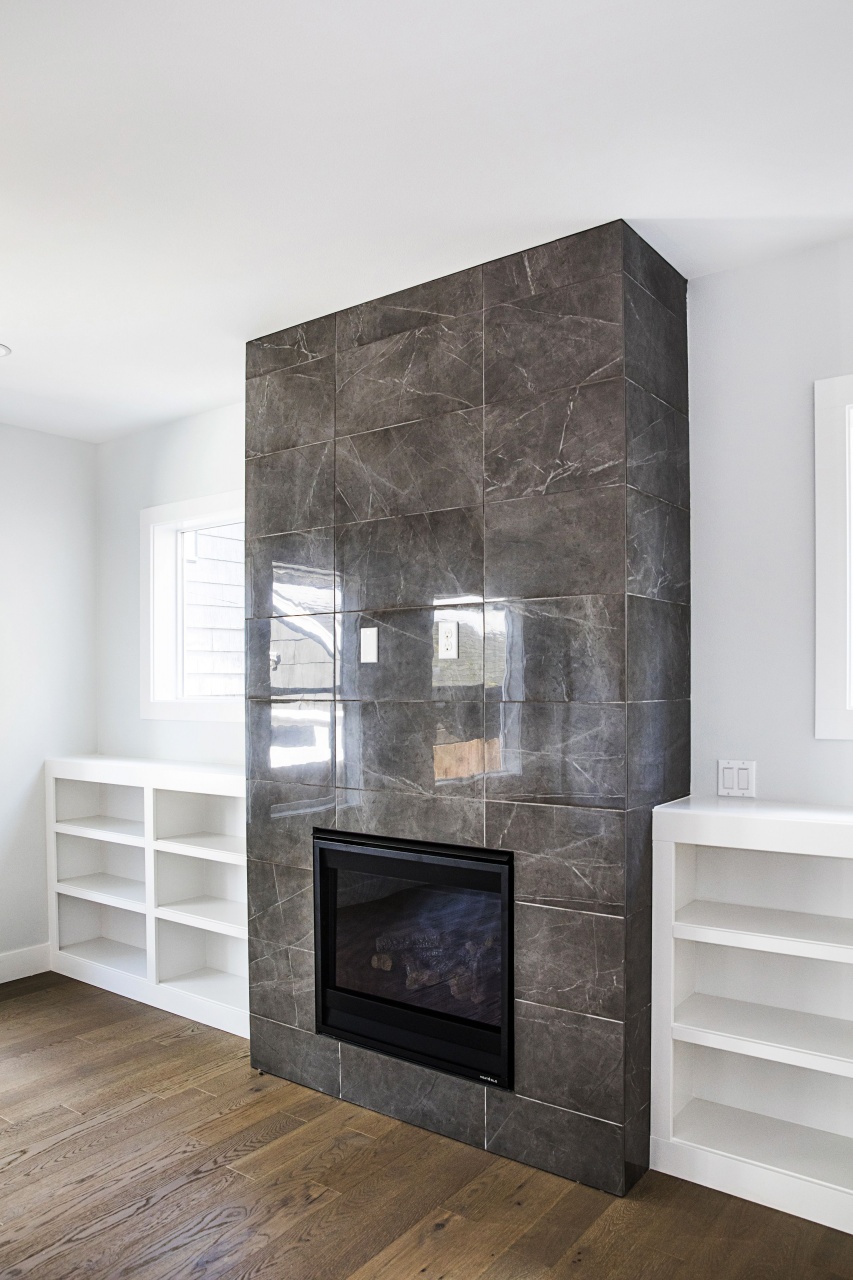
Heavy soot buildup from wood-burning fireplaces requires a more thorough approach. Start by dry-cleaning with a HEPA vacuum to remove loose particles. Chemical soot removers containing trisodium phosphate (TSP) work well but require proper ventilation and protective gear. For glazed tiles, a degreasing dish soap solution with warm water breaks down greasy soot deposits. Work from the bottom up to prevent streaking, changing rinse water frequently. Stubborn areas may need multiple applications with gentle agitation using a nylon brush. Avoid excessive water on unglazed tiles or porous grout, which can lead to efflorescence or cracking in cold weather.
Grout cleaning is equally important for restoring a fireplace’s overall appearance. Discolored grout makes even clean tiles look dingy. Oxygen bleach solutions safely brighten grout without the harsh effects of chlorine bleach. Apply with an old toothbrush, letting it sit for 10-15 minutes before rinsing. For mold or mildew, hydrogen peroxide solutions kill spores without bleaching colored grout. Recoloring products can restore uniform appearance if cleaning doesn’t revive the original color. After cleaning, seal grout lines with a penetrating sealer to prevent rapid re-soiling. This step is especially valuable around wood-burning fireplaces where soot accumulates quickly.

Steam cleaning offers an effective, chemical-free option for glazed fireplace tiles. The high-temperature vapor loosens decades of built-up grime without abrasive scrubbing. Use a handheld steam cleaner with a soft brush attachment, keeping the nozzle moving to prevent heat damage to glazes. The steam also sanitizes tiles, killing mold and bacteria in crevices. This method works particularly well on geometric Edwardian tiles with intricate relief patterns. Avoid steam on unglazed, porous, or cracked tiles where moisture penetration could cause damage. Always test a small area first, as some antique glazes may craze under sudden temperature changes.
For persistent stains that resist conventional cleaning, poultice treatments can be effective. Mix a cleaning powder like diatomaceous earth with an appropriate solvent (water for soot, acetone for grease) to form a thick paste. Apply to stained areas, cover with plastic wrap, and let dry completely—usually 24-48 hours. As it dries, the poultice draws stains out of the tile. This method works well on smoke-damaged Art Deco tiles with stubborn discoloration. Multiple applications may be needed for severe cases. Follow with a gentle rinse and pH-neutral cleaner to remove residue. Poultices are safe for most glazed tiles but should be tested on inconspicuous areas first.
After cleaning, protective measures help maintain restored fireplace tiles. Apply a high-quality tile sealant appropriate for the material—impregnating sealers for porous tiles, topical coatings for glazed surfaces. Use fireplace screens to minimize future soot accumulation. Regular dusting with a microfiber cloth prevents abrasive dirt buildup. Address any chimney issues causing excessive smoke backflow into the fireplace. For homes with frequent fires, quarterly light cleanings prevent heavy buildup. These steps preserve both the tiles’ appearance and their historical value in older properties. Proper maintenance ensures the fireplace remains a beautiful focal point rather than a cleaning chore.
In conclusion, cleaning old fireplace tiles revives their original charm while protecting long-term durability. The right approach depends on tile type, age, and stain severity. Gentle methods often prove most effective, especially for antique or delicate tiles. Regular maintenance after deep cleaning prevents rapid re-soiling. Whether dealing with simple ceramic tiles or intricate Victorian designs, careful restoration brings new life to old fireplace surrounds. The effort pays off in a refreshed hearth that enhances the entire room’s ambiance.
:strip_icc()/708D2B0E-95D1-42DA-B6FA-F5DFF36DAE64_1_105_c-bhg-zellige-1f0b80de759e458697298e2065963bd0.jpg)
Can I use bleach to clean my antique fireplace tiles?
Avoid chlorine bleach on antique tiles, as it can damage glazes and alter colors irreversibly. Oxygen bleach (sodium percarbonate) is safer for old tiles, effectively removing stains without harsh chemicals. For delicate encaustic or hand-painted tiles, use pH-neutral cleaners specifically formulated for historic surfaces. Always test cleaners on small hidden areas first. If unsure, consult a conservation specialist—improper cleaning can significantly reduce valuable antique tiles’ worth.
How do I remove thick soot deposits from glazed tiles?
Start by vacuuming loose soot with a brush attachment. Apply a paste of baking soda and water or a commercial soot remover, letting it sit 10 minutes before gentle scrubbing with a nylon brush. For greasy soot, use a degreaser diluted with warm water. Rinse thoroughly with clean water, repeating as needed. Avoid abrasive pads or steel wool that scratch glazes. Severe cases may require professional steam cleaning or poultice treatments to lift embedded soot.

What’s the safest way to clean cracked or damaged tiles?
Use minimal water on cracked tiles to prevent further damage. Dry clean with soft brushes first, then spot-clean with mild solutions on cloth—never soaking the tile. Avoid pressure or aggressive scrubbing that could loosen fragments. For valuable antique tiles, consult a restoration specialist. Temporary stabilization with archival adhesives may be needed before cleaning. Address underlying moisture issues causing tile damage to prevent future deterioration.
How often should I clean my fireplace tiles?
For active wood-burning fireplaces, light cleaning every 2-3 months prevents heavy buildup. Wipe tiles monthly with a dry microfiber cloth between deep cleanings. Gas fireplaces require less frequent cleaning—annually unless visible soiling occurs. Always clean thoroughly at season’s end to prevent acidic soot from etching glazes over summer. Regular maintenance reduces the need for harsh cleaning methods later.
Can I use vinegar to clean all types of fireplace tiles?
Vinegar works well on glazed ceramic and porcelain but should be diluted (1:4 with water). Avoid vinegar on unglazed, porous, or natural stone tiles as the acid can etch surfaces. Never use vinegar on marble, limestone, or encaustic tiles—it dissolves calcium-based materials. For antique tiles, pH-neutral cleaners are safer. Always rinse thoroughly after vinegar use to remove residual acidity.
How do I restore color to faded fireplace tiles?
Glazed tiles rarely fade, but discoloration may be surface stains. Deep cleaning often restores original colors. For porous tiles, specialized tile dyes can refresh color—test in inconspicuous areas first. Valuable antique tiles should only be treated by conservators. Prevent future fading by minimizing direct sunlight exposure and using UV-protective window films if needed.

Tiling a fireplace surround from Thrifty Decor Chick

fireplace mantel before & afterpainted the mantel June ’15. What a difference!! Fireplace

Tiling Fireplace Advice Needed
Fireplace With Green Tiles and Ornate Wooden Mantel
Related Posts: