A wood and tile fireplace combines natural warmth with artistic craftsmanship, creating a striking focal point in any room. Wood offers rustic charm, while tile provides endless design possibilities through colors, patterns, and textures. This pairing works well in both traditional and modern homes, blending organic elements with refined finishes. Wood mantels frame the fireplace beautifully, while tile surrounds or hearths add durability and visual interest. Whether you prefer hand-painted Moroccan tiles or sleek subway tiles, the combination creates a balanced, inviting aesthetic. The mix of materials also allows for customization to match your home’s style.
Tile choices dramatically influence the fireplace’s overall look. Ceramic, porcelain, and natural stone tiles each bring unique qualities—glossy finishes reflect light, while matte tiles offer subtle sophistication. Geometric patterns create modern appeal, while mosaic designs add intricate detail. For a cohesive design, match the tile to other elements in the room, such as backsplashes or flooring. Wood mantels can be stained, painted, or left natural to complement the tile. The contrast between warm wood and cool tile creates a dynamic yet harmonious effect. Thoughtful material selection ensures the fireplace enhances the room’s atmosphere.

Wood mantels provide a classic, timeless frame for tile fireplaces. Reclaimed wood adds character with its weathered texture, while smooth, stained wood suits more polished interiors. Floating wood shelves offer a minimalist alternative to traditional mantels, allowing the tile to take center stage. Custom carvings or corbels can introduce ornate detailing for a formal look. The wood’s natural grain contrasts beautifully with tile’s structured patterns, creating visual depth. Whether rustic, modern, or transitional, the mantel anchors the design while offering functional display space.
Tile surrounds protect walls from heat while elevating the fireplace’s design. Heat-resistant tiles like porcelain or ceramic ensure safety without sacrificing style. A full-floor-to-ceiling tile surround makes a bold statement, while a smaller framed design keeps the focus on the firebox. Herringbone, chevron, or stacked tile layouts introduce movement and dimension. For a seamless look, extend the same tile to adjacent walls or built-in shelving. The surround’s color and texture should harmonize with the mantel and room decor. Properly installed tile withstands high temperatures while maintaining its beauty for years.
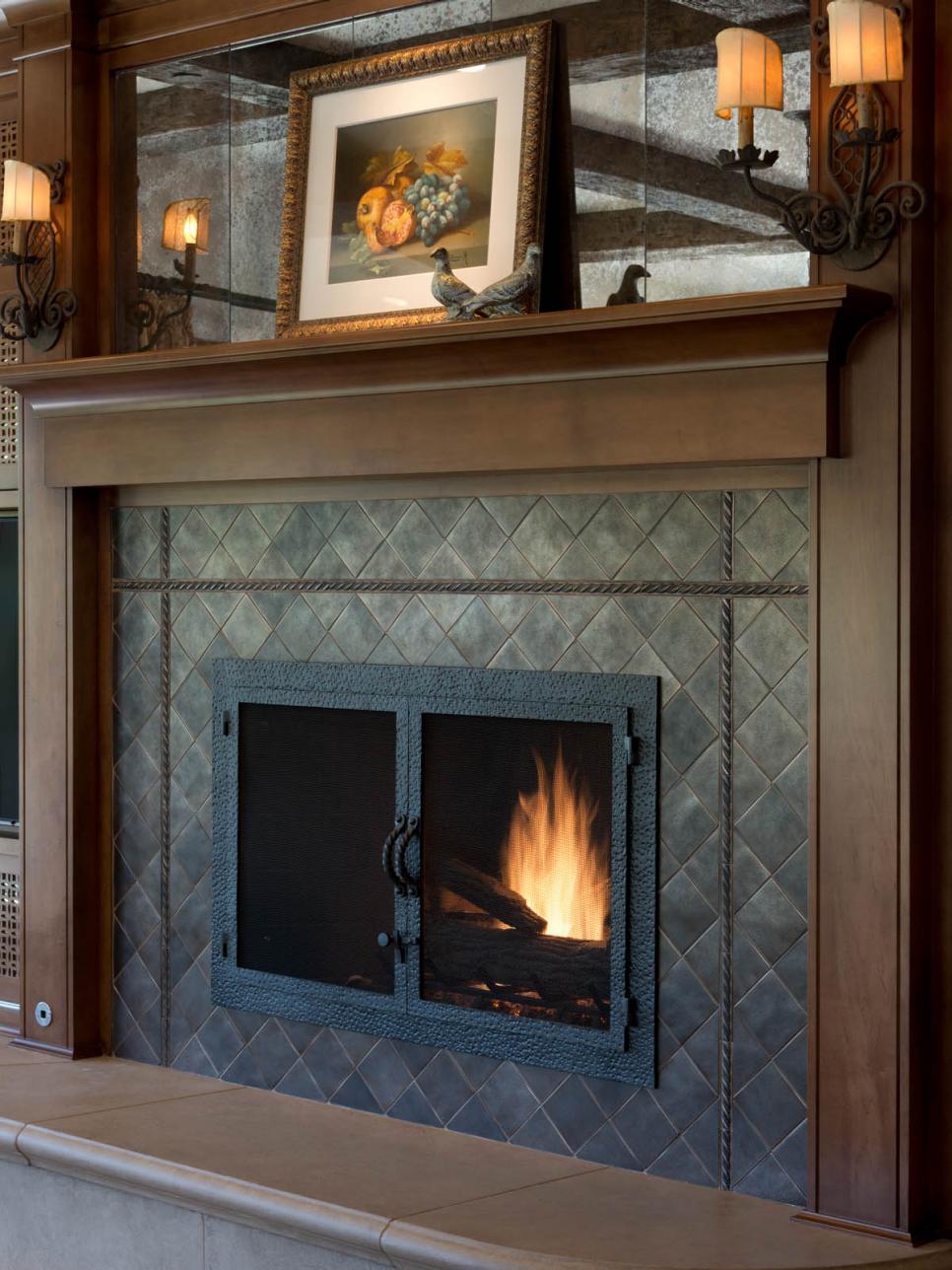
Combining wood and tile allows for creative fireplace designs that reflect personal taste. A shiplap wood surround with a simple tile hearth suits farmhouse aesthetics, while glossy black tiles with a sleek wood mantel create contemporary drama. Mixed-material fireplaces can also incorporate metal or stone for added contrast. The key is balancing proportions—larger tile patterns pair well with thicker wood beams, while delicate mosaics complement slender mantels. Experimenting with samples helps visualize the final look before committing. This flexibility makes wood and tile fireplaces adaptable to any design vision.
Functional considerations are just as important as aesthetics in fireplace design. Wood mantels must be installed at a safe distance from the firebox to prevent heat damage. Non-combustible tile materials are essential for areas near flames. Proper sealing protects both wood and tile from soot, moisture, and wear. If using real wood-burning fireplaces, choose tiles that resist heat discoloration. Gas or electric inserts simplify maintenance while still allowing for beautiful surrounds. A well-planned design ensures safety without compromising style.
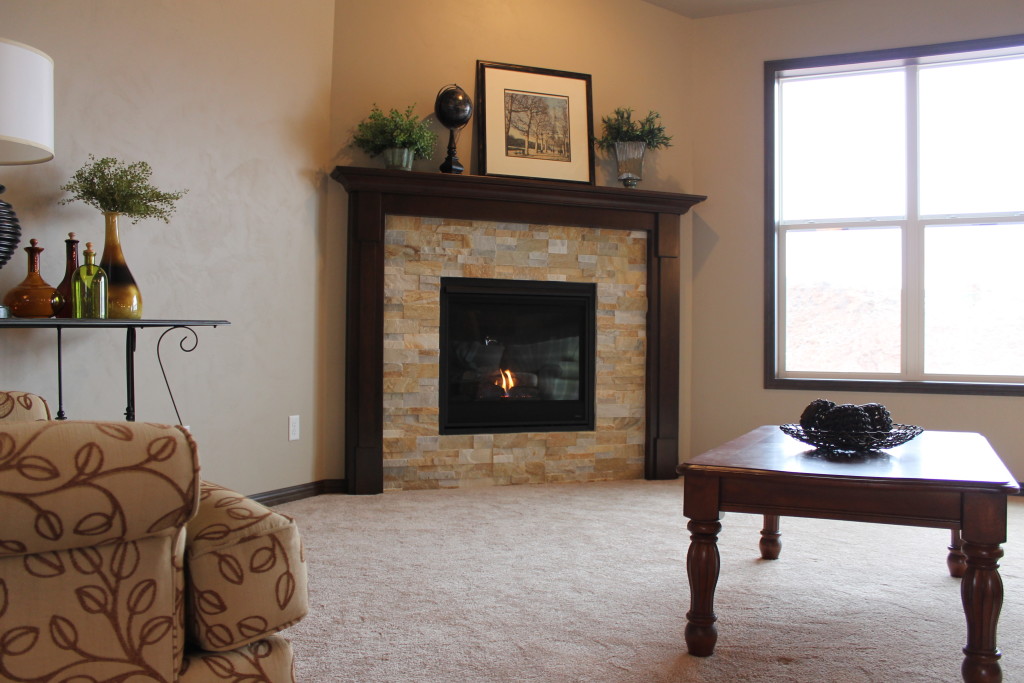
Maintenance keeps wood and tile fireplaces looking their best. Regular dusting and occasional polishing preserve the wood’s finish, while tile requires gentle cleaning to avoid grout discoloration. For wood-burning units, frequent ash removal and chimney inspections prevent buildup. Sealing tile grout annually prevents stains and moisture damage. Touch-up paint or stain can refresh wood mantels over time. With proper care, these fireplaces remain stunning focal points for decades.
Wood and tile fireplaces increase home value by adding character and functionality. Buyers appreciate the craftsmanship and versatility of mixed-material designs. A well-executed fireplace can become a selling point, especially in living rooms or master suites. Even small updates, like retiling the surround or refinishing the mantel, boost appeal. Investing in quality materials ensures longevity and timeless style. Whether for personal enjoyment or resale, this combination delivers lasting benefits.

Budget-friendly options make wood and tile fireplaces accessible. Prefabricated mantels and affordable ceramic tiles offer high-end looks without custom costs. DIY-friendly peel-and-stick tile decals allow temporary updates for renters. Salvaged wood or leftover tiles from other projects reduce expenses. Even small changes, like painting an existing mantel or adding a tile border, refresh the fireplace economically. Creativity and smart material choices achieve luxury effects at any price point.
In conclusion, wood and tile fireplaces merge natural warmth with artistic design for a timeless centerpiece. The interplay of textures, colors, and materials creates depth and personality. From rustic to modern, this combination adapts to any style while offering durability and warmth. Thoughtful planning ensures safety, functionality, and visual harmony. Whether renovating an old fireplace or building new, wood and tile designs bring enduring beauty to any home.
What types of tile are best for wood-burning fireplaces?
Heat-resistant tiles like porcelain, ceramic, or natural stone (such as slate or granite) are ideal for wood-burning fireplaces. These materials withstand high temperatures without cracking or discoloration. Avoid glass tiles unless specifically rated for fireplace use, as they may not handle direct heat. The hearth (floor area) requires durable, non-combustible tiles for safety. Always check manufacturer specifications to ensure tiles meet local fire codes. Proper installation with heat-resistant mortar and grout prevents long-term damage. Pairing these tiles with a well-sealed wood mantel ensures both beauty and safety.
How do I protect a wood mantel from heat damage?
Maintain proper clearance between the firebox and wood mantel—typically 12 inches or more, depending on local codes. Install a non-combustible tile or metal heat shield above the fireplace opening to deflect heat. Choose hardwoods like oak or maple, which resist warping better than softwoods. Applying a high-temperature sealant adds extra protection. For gas or electric fireplaces, heat output is lower, but precautions are still wise. Regular inspections ensure the mantel remains structurally sound and free from heat-related cracks or discoloration.

Can I install tile directly over an existing brick fireplace?
Yes, tile can be installed over brick if the surface is clean, stable, and free of loose mortar. Use a high-quality thin-set mortar designed for bonding tile to brick. A grinder or wire brush helps smooth uneven surfaces for better adhesion. Consider a cement backer board for problematic brickwork. Large-format tiles minimize grout lines, creating a cleaner look. Ensure the brick isn’t damaged by moisture, as trapped water can cause tiles to loosen. Proper preparation ensures a durable, long-lasting tile overlay.
What’s the best way to clean tile fireplace surrounds?
Use a pH-neutral cleaner and soft cloth or sponge to avoid damaging grout or tile glaze. For soot stains, a paste of baking soda and water gently lifts residue without abrasion. Avoid acidic cleaners on natural stone, which can etch the surface. Steam cleaners work well for deep cleaning grout lines. Reseal grout annually to prevent staining and moisture absorption. Regular dusting and prompt spill cleanup keep tiles looking fresh. Always test cleaners on a small, inconspicuous area first.

How do I choose a wood mantel that complements my tile?
Match the wood’s tone and style to the tile’s color and pattern. Light tiles pair well with dark-stained wood for contrast, while earthy tiles suit natural or whitewashed wood. Modern tiles (like geometric patterns) look best with simple, straight-edged mantels. Ornate tiles harmonize with carved or distressed wood. Bring tile samples when selecting wood to compare finishes in person. Proportion matters—thicker mantels balance bold tile designs, while slender profiles suit subtle patterns.
Are wood and tile fireplaces suitable for modern home styles?
Absolutely. For contemporary spaces, opt for sleek, linear tiles (like large-format porcelain) paired with a minimalist floating wood shelf. Monochromatic color schemes—such as white tiles with light oak—create a streamlined look. Metal accents or asymmetrical tile layouts enhance modern appeal. Avoid overly ornate wood carvings; instead, choose clean lines and neutral finishes. The contrast between smooth tile and natural wood grain adds warmth without sacrificing modernity. This combination adapts effortlessly to any design era.

Best Fireplace Mantel Designs – Interior Surround Ideas

Chimney decor living room

Stikwood/ reclaimed wood LOVE images on Pinterest Weathered wood, Wood planks

Related Posts: