Wood burning fireplace inserts offer an efficient way to upgrade traditional open hearths. These steel or cast iron units fit directly into existing fireplaces, improving heat output while reducing energy waste. Unlike open fireplaces that lose most heat up the chimney, inserts feature sealed combustion systems that circulate warmth into the room. Many models include glass doors for viewing the flames while maintaining safety. With proper installation, they can significantly boost heating efficiency, making them ideal for supplementing home heating systems during colder months.
The installation process for wood burning inserts requires professional expertise. Proper sizing is crucial—units must fit snugly within the fireplace opening with appropriate clearance from surrounding materials. A certified technician should handle the installation to ensure proper venting and compliance with local building codes. Many inserts connect to existing chimneys but may require a stainless steel liner for optimal performance. Professional installation guarantees safe operation and maximizes the insert’s heating potential. Homeowners should never attempt DIY installation due to fire risks and ventilation requirements.

Modern wood burning inserts offer impressive efficiency ratings, often reaching 70% or higher. Advanced combustion technology allows for longer burn times with less wood consumption. Secondary burn systems reignite smoke particles, extracting more heat while reducing emissions. Airwash systems keep glass doors clean by directing airflow across the surface. These features make contemporary inserts far more effective than traditional fireplaces. Many models qualify for EPA certification, meeting strict environmental standards for particulate emissions.
Choosing the right wood burning insert depends on several factors. Heating capacity should match the room size—too large a unit overheats small spaces, while undersized models struggle to warm larger areas. Cast iron construction retains heat longer but takes more time to warm up, while steel heats quickly but cools faster. Optional features like blowers distribute warmth more evenly throughout the room. Aesthetic preferences also matter, with designs ranging from classic to contemporary. Viewing window size, door styles, and decorative finishes allow customization to match home decor.

Proper maintenance ensures safe operation and extends the lifespan of wood burning inserts. Regular cleaning removes ash buildup and prevents chimney fires. The glass door requires periodic cleaning with specialized products to maintain clarity. Gaskets around doors and vents should be inspected annually for wear and replaced if damaged. Chimneys need professional sweeping at least once per year to remove creosote deposits. Following manufacturer guidelines for care prevents performance issues and maintains efficiency. Proper upkeep also reduces the risk of hazardous malfunctions.
Wood burning inserts provide significant cost savings compared to other heating methods. While the initial investment may seem high, reduced fuel expenses often offset the price over time. Burning seasoned firewood is typically cheaper than using gas or electric heating systems. In power outage situations, inserts offer reliable heat without depending on electricity. Many homeowners find the ambiance of real wood flames enhances comfort beyond mere warmth. The combination of practical heating and aesthetic appeal makes inserts a valuable home addition.

Safety features in modern wood burning inserts minimize risks associated with wood fires. Heat shields protect surrounding walls from excessive temperatures. Automatic air controls regulate combustion to maintain steady heat output. Cool-to-touch handles prevent burns when adjusting doors or controls. Some models include safety screens as extra protection against sparks. These built-in precautions make inserts safer than open fireplaces, especially for families with children or pets. Always follow safety guidelines regarding clearances and proper operation.
Environmental considerations are important when using wood burning inserts. Burning dry, seasoned hardwood produces less smoke and more heat than wet or soft woods. EPA-certified models emit significantly fewer particulates than older units. Proper burning techniques—like maintaining hot fires rather than smoldering ones—reduce air pollution. Some areas have restrictions on wood burning during poor air quality days. Responsible use ensures homeowners can enjoy their inserts while minimizing ecological impact.
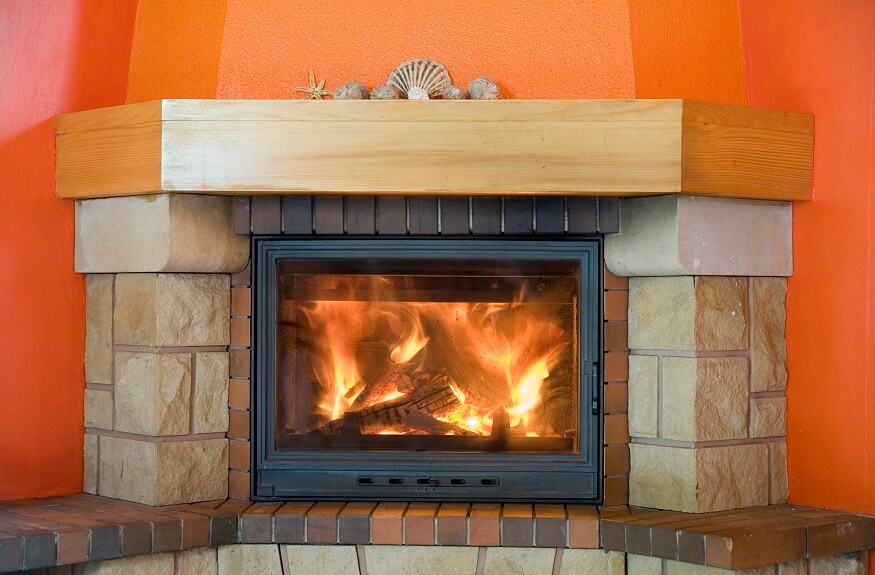
The ambiance created by wood burning inserts is unmatched by other heating options. The crackling sounds and dancing flames provide natural relaxation benefits. Unlike electric or gas alternatives, real wood fires engage multiple senses for a truly immersive experience. Many people find the ritual of building and tending fires therapeutic. This combination of physical warmth and psychological comfort makes wood burning inserts particularly appealing during long winters. The authentic fire experience remains a key reason homeowners choose wood over other fuel types.
In conclusion, wood burning fireplace inserts offer an excellent balance of efficiency, aesthetics, and cost-effectiveness. Their advanced designs maximize heat output while minimizing fuel consumption and emissions. Proper selection, installation, and maintenance ensure years of reliable service. Beyond practical heating benefits, they create a welcoming atmosphere that artificial alternatives can’t replicate. For homeowners seeking to improve their fireplace’s performance, a quality wood burning insert represents a smart investment in comfort and value.

Pin on This and That

Pros And Cons Of Electric Fireplace Wood burning fireplace inserts, Fireplace inserts, Prefab

Wood Burning Modern Fireplace Inserts

Lancaster Vent Free Gas Stove – – Fireplace Mantel

Small Pellet Stoves For RV & Tiny House

Fantastic Free Fireplace Inserts shelves Ideas Wood burning fireplace inserts, Fireplace

Related Posts: