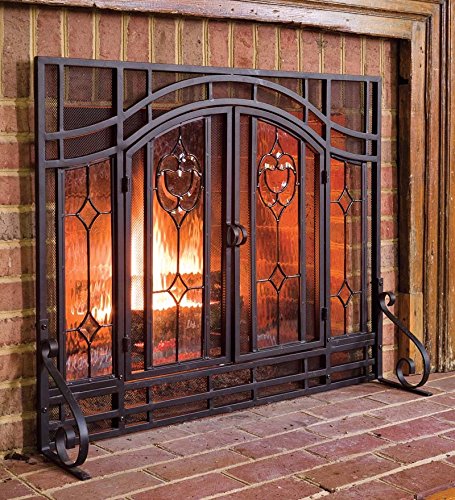
I’ll never forget the moment I first laid eyes on a genuine Victorian cast-iron fireplace door at an estate sale. Something about its ornate scrollwork and weathered patina spoke to me in a way that modern, mass-produced alternatives never could. That discovery sparked what became a years-long passion for collecting, restoring, and installing vintage fireplace doors in my own home and helping friends do the same. There’s something magical about these pieces that transcends mere functionality. They’re portals to another era, conversation starters, and works of art all rolled into one.
When I started researching vintage fireplace doors, I quickly learned that the golden age of fireplace design spanned from the 1880s through the 1940s. During this period, craftsmen poured incredible attention into every detail, from the decorative flourishes to the quality of materials used. I’ve worked with doors featuring everything from Art Nouveau floral patterns to Art Deco geometric designs, and each style tells its own story. The brass and bronze doors from the 1920s have this warm glow that develops over decades, while the heavier cast iron pieces from earlier periods possess an industrial beauty that’s impossible to replicate with modern manufacturing techniques.

My first restoration project was a mess, honestly. I bought a rusty old door from a salvage yard, thinking I could simply clean it up and install it. What I didn’t anticipate was how much work goes into properly restoring these pieces. I spent weeks researching appropriate cleaning methods, testing different products on small sections, and learning about the importance of preserving original finishes versus creating new ones. Through trial and error, I discovered that gentle methods work best. Wire brushing, naval jelly for stubborn rust, and plenty of elbow grease became my toolkit. The satisfaction of seeing that door transform was addictive.
One of my favorite finds was a copper-plated fireplace door from the early 1900s that I discovered buried in the back of an architectural salvage shop. The owner didn’t even know what he had, pricing it at just fifty dollars. After careful restoration, that door became the centerpiece of my living room, its verdigris patina catching the light in the most beautiful way. This experience taught me that the hunt is half the fun. I’ve found incredible pieces at flea markets, online auctions, demolition sites, and even curb alerts. You never know where the next treasure might be hiding, which keeps the hobby exciting and unpredictable.

Installing vintage doors requires a different approach than mounting modern ones. These older pieces weren’t standardized the way contemporary products are, so I’ve had to get creative with mounting solutions. I’ve learned to work with masonry anchors, custom brackets, and sometimes even building new frames to accommodate oddly-sized doors. The weight is another consideration that surprised me initially. Some of my cast iron doors weigh upwards of forty pounds, requiring serious structural support. I always recommend consulting with a professional if you’re unsure about your fireplace’s ability to handle the weight, though I’ve gotten pretty comfortable with the installation process after completing a dozen or so projects.
The aesthetic possibilities with vintage fireplace doors are genuinely endless. I’ve seen people incorporate them into modern minimalist spaces for dramatic contrast, use them as anchors in traditionally-decorated rooms, and even repurpose them as decorative wall art when they don’t have a functional fireplace. In my own home, I mixed a Gothic Revival door with mid-century modern furniture, creating an eclectic look that guests always comment on. The key is confidence. Don’t be afraid to pair seemingly disparate styles. Vintage fireplace doors have such strong character that they can hold their own in virtually any setting, adding depth and history to otherwise predictable spaces.
Maintenance has been simpler than I expected once I learned the basics. For brass and copper doors, I use a gentle polish every few months to maintain their luster, though some people prefer letting the natural patina develop undisturbed. Cast iron doors need occasional checks for rust, especially in humid climates. I apply a thin coat of stove black or high-heat paint when necessary to protect the metal. The glass panels, when present, require careful handling during cleaning since antique glass can be thinner and more fragile than modern equivalents. I’ve cracked one pane by being too aggressive with a scraper, a mistake I won’t repeat. Gentle cleaning solutions and soft cloths are always the way to go.
The investment aspect of vintage fireplace doors surprised me. While I’ve scored amazing deals, I’ve also seen rare pieces sell for thousands of dollars at specialty auctions. Doors with documented provenance, particularly those from famous buildings or created by notable foundries, command premium prices. However, you don’t need to spend a fortune to get started. I’ve assembled a respectable collection on a modest budget by being patient, doing my homework, and being willing to put in restoration work. The value isn’t just monetary either. These doors carry stories and craftsmanship that money can’t buy, making them worthwhile investments regardless of future resale value.

Safety considerations are something I take seriously with vintage doors. While these pieces were built to last, they weren’t always designed with modern safety standards in mind. I always ensure that my installations maintain proper clearances, use heat-resistant materials for mounting, and include appropriate screening to prevent sparks from escaping. Some older doors lack the tight seals of contemporary models, which can affect heating efficiency. I’ve addressed this by adding gasket material or using the doors primarily for aesthetic purposes rather than as primary heat sources. It’s about respecting both the historical integrity of the piece and the safety of your household.
Looking back on my journey with vintage fireplace doors, I’m amazed at how much I’ve learned and how many wonderful pieces I’ve had the pleasure of working with. Each door has taught me something new, whether about historical design trends, metalworking techniques, or creative problem-solving. The community of collectors and enthusiasts I’ve connected with along the way has been equally rewarding. We share tips, trade pieces, and celebrate each other’s finds. If you’re considering incorporating a vintage fireplace door into your home, I encourage you to take the leap. Yes, it requires patience and effort, but the character and beauty these pieces bring to a space is incomparable.

How do I know if a vintage fireplace door is worth restoring?
I always examine the structural integrity first. Check for cracks, severe warping, or missing pieces that would be impossible to replace. Surface rust and tarnish are fine since those are easily addressed, but if the metal is corroded through or the frame is compromised, restoration might not be worthwhile. I also consider the door’s aesthetic appeal and rarity. A common design in poor condition might not justify the effort, while an unusual or particularly beautiful piece is worth saving even if it needs significant work.
What’s the best way to find authentic vintage fireplace doors?
I’ve had the most success at architectural salvage yards, estate sales, and online marketplaces like Facebook Marketplace and Craigslist. Antique stores sometimes carry them, but usually at higher prices. I check demolition companies’ inventories since they often salvage doors from old homes being torn down. Auctions can be hit or miss, but they’re great for high-end pieces. My advice is to cast a wide net, be patient, and jump when you find something special since these pieces don’t stay available long.
Can I use a vintage fireplace door with a modern gas insert?
Absolutely, and I’ve done this several times. The key is ensuring proper ventilation and heat clearances. Gas inserts produce less heat than wood fires, making them actually safer for vintage doors. However, you’ll want to verify that the door’s dimensions work with your insert and that you’re not blocking any necessary vents. I’ve sometimes needed to modify mounting systems or add spacers to accommodate both the vintage door and modern insert. Consulting with an HVAC professional familiar with fireplaces is always wise before proceeding.
How much should I expect to spend on a vintage fireplace door?
Prices vary wildly based on condition, rarity, and where you’re shopping. I’ve found basic cast-iron doors for as little as twenty-five dollars at yard sales, while ornate brass doors from prestigious makers can cost several thousand. On average, expect to pay between one hundred and five hundred dollars for a decent quality door at salvage yards or online. Factor in restoration costs too, which might include cleaning supplies, replacement glass, or professional metalwork. Budget at least another fifty to two hundred dollars for restoration materials if you’re doing the work yourself.
What should I do if my vintage door doesn’t fit my fireplace opening?
This is incredibly common since standardization didn’t exist like it does today. I’ve gotten creative with solutions over the years. Sometimes I build out a new frame around the opening to match the door’s dimensions. Other times, I’ve had metalworkers modify the door itself, though this should be done carefully to preserve its character. You can also use the door decoratively by mounting it in front of the opening on a custom frame. The important thing is ensuring it’s securely mounted and maintains appropriate clearances for safety.
How do I maintain the patina on brass and copper doors without damaging them?
I’ve learned that less is more when it comes to patina. For cleaning, I use mild soap and water with a soft cloth, avoiding harsh chemicals that strip the aged finish. If you want to preserve the patina while removing dirt, try a mixture of lemon juice and baking soda applied gently. For protection, I apply a thin layer of Renaissance Wax, which is what museums use. It protects the metal without altering its appearance. Never use abrasive polishes if you want to keep the patina intact. The natural aging is what gives these pieces their character and authenticity.
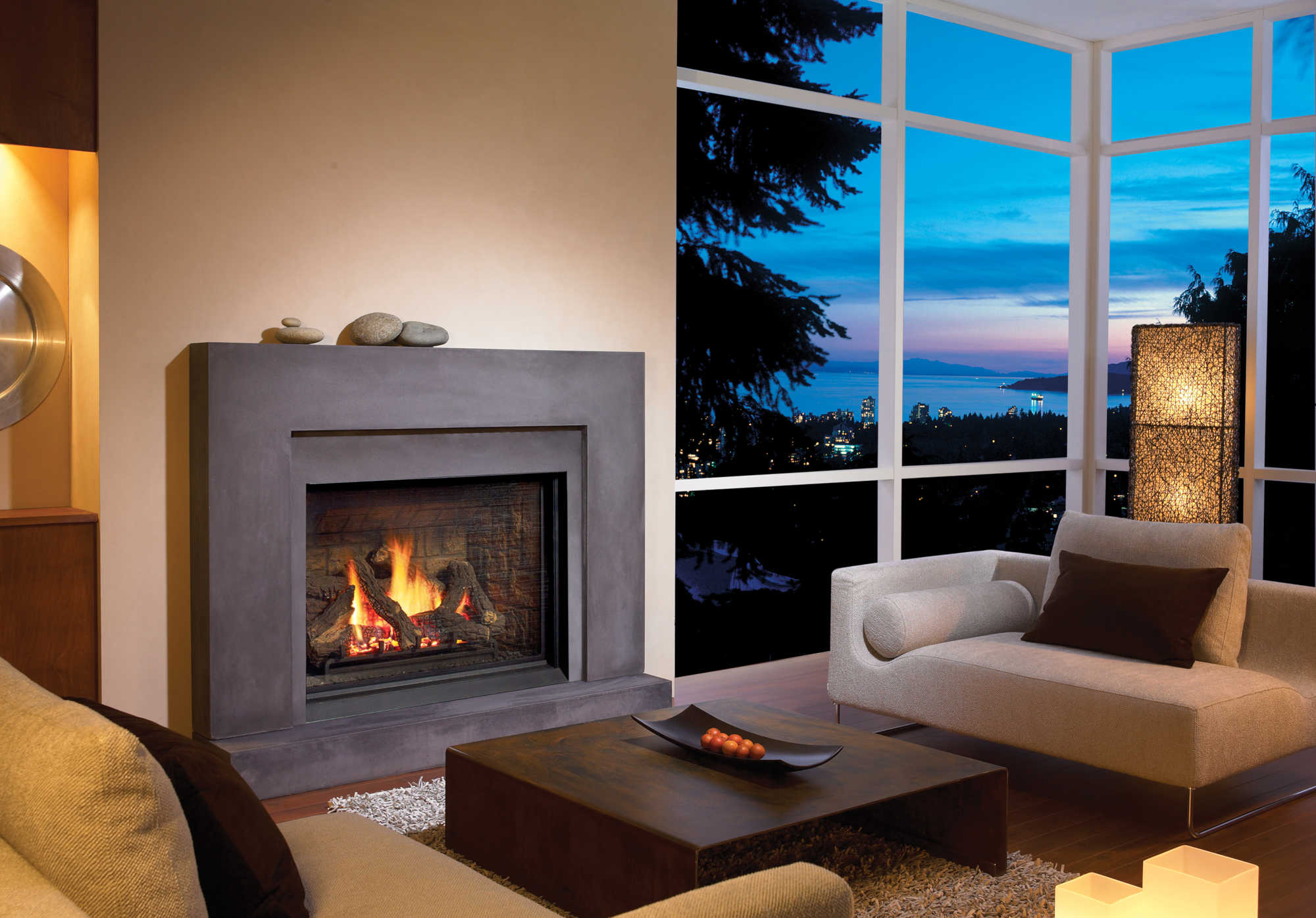
Frasier Crane’s condo reimagined with a modern-day look – Curbed Seattle
:no_upscale()/cdn.vox-cdn.com/uploads/chorus_asset/file/13080507/Camera_004_1__1_.jpg)
Fresh Ways to Incorporate Barn Doors Into Your Home Home fireplace, Fireplace design

Covered Back Porch Backyard patio, Outdoor rooms, Backyard

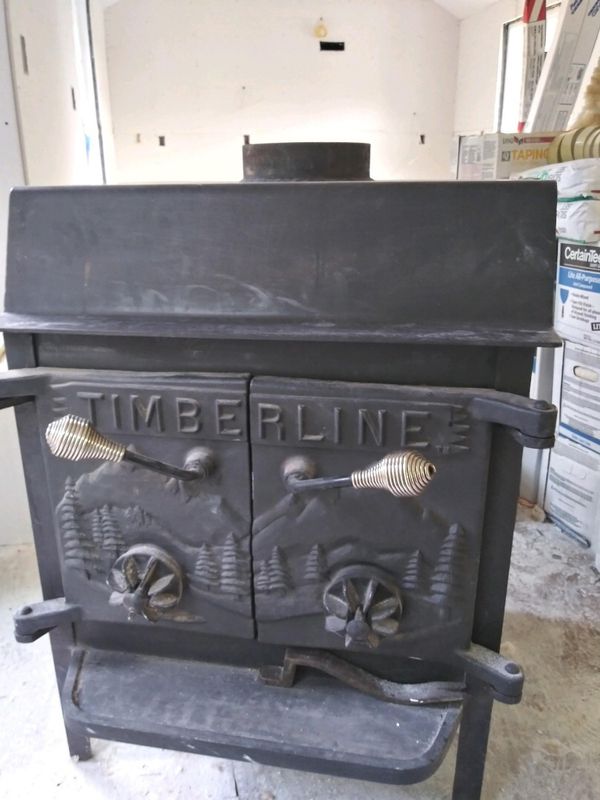
Timberline vintage wood stove for Sale
Related Posts: