My search for the ideal mantel for my brick fireplace began with the aim to accentuate its natural charm and rustic appeal. The previous mantel felt generic and lacked the personality I envisioned for the center of my living area. Brick fireplaces, in my opinion, have a natural warmth and texture that calls for a mantel to match their raw beauty. This discovery spurred a search for several rustic mantel designs, each promising to provide a distinct touch of natural elegance to the fireplace. I was intrigued to see how the appropriate piece of wood might completely transform the fireplace area.
The appeal of repurposed wood for a rustic mantel immediately piqued my interest. The aged surfaces, distinct grain patterns, and underlying history of each piece reflected my admiration for natural materials and timeworn beauty. I imagined a thick beam of reclaimed wood, possibly with visible saw marks or knots, lending authenticity and rustic character to the brick. The concept that this wood was once part of a barn or an old building adds a dimension of history and character to the mantel, elevating it beyond just a decorative shelf.

Exploring different varieties of wood increased my options. I examined the robust nature of oak, with its obvious grain and warm tones, which seemed like a great complement to the brick. The rich, reddish tones of cherry wood also appealed to me, adding a hint of warmth and sophistication while preserving a rustic vibe. Even softer woods, such as pine, with their potential for fascinating textures and knots, offered options for a more aged and informal appearance. Each wood kind appeared to add a unique taste and individuality to the mantel.
The design of the mantel shelf itself became an important factor. I liked how a straight, thick-cut beam highlighted the natural beauty of the wood. I also looked into solutions with living edges, which preserve the tree’s natural curves and flaws while adding a truly organic and unique touch. The concept of including subtle features, like as hand-carved components or basic joinery, appealed to my desire for a handcrafted, real mantel. The shelf’s shape and finish would have a considerable impact on the overall design.

The rustic theme was also reflected in the mantel supports, which may be corbels or simple brackets. I was intrigued to the substantial aspect of hand-hewn wooden corbels, which lend weight and traditional craftsmanship. Simple iron brackets provided a more industrial and minimalist take on the rustic style, offering robust support while not detracting from the wood’s natural beauty. The choice of supports, I realized, could either accentuate the old rustic character or provide a more contemporary edge.
It was also necessary to consider the mantel’s scale and relationship to the brick fireplace. I wanted a mantel that felt robust enough to be a focal point without overwhelming the brickwork. The height above the firebox and total length of the mantel have to be carefully calibrated in order to achieve a harmonic and visually appealing design. A well-proportioned mantel would compliment the fireplace without overshadowing its natural beauty.

The finish applied to the hardwood mantel would add to its rustic appeal. I opted for natural oil treatments or matte sealants to protect the wood while preserving its original grain and feel. Glossy finishes appeared out of sync with the planned rustic style. I also liked the idea of lightly weathering the wood, perhaps with mild sanding or brushing techniques, to give the mantel a timeworn and realistic sense. The finish would be critical to achieving the appropriate amount of rusticity.
Throughout my exploration, I kept coming back to the concept of honesty. I wanted a mantel that felt authentically rustic, as if it had been gathered straight from nature or salvaged from an old structure. Avoiding highly polished or manufactured-looking materials was critical in accomplishing this goal. The defects and natural differences in the wood were not weaknesses, but rather important aspects of its character and beauty. This emphasis on natural, authentic materials was key to my notion of the ideal rustic mantel.

The process of designing a rustic mantel for my brick fireplace was very fulfilling. It helped me connect with the inherent beauty of wood and appreciate the distinct character of recycled materials. The prospect of a solid, timeworn beam adorning my fireplace, giving warmth and visual character to the space, filled me with excitement. I knew that the perfect rustic mantel would not only improve the appearance of my fireplace, but would also bring a touch of natural elegance and timeless appeal to my living space.
Finally, my hunt for the ideal rustic mantel for my brick fireplace was motivated by a desire to create a visually appealing and authentic focal point. The natural textures and warm tones of wood, particularly salvaged timber, appeared to enhance the brick’s raw character. I imagined a mantel that would function as a natural meeting spot, giving character and warmth to my home for years to come. The idea of a truly rustic and distinctive mantle altering my fireplace was extremely appealing.
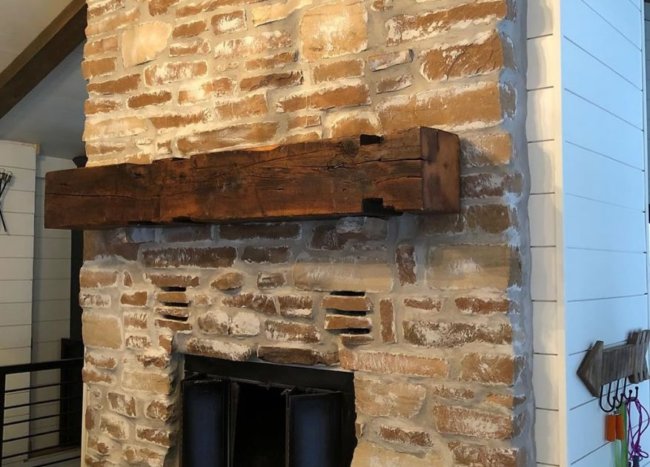
What are some common wood kinds utilized for rustic mantels that compliment brick fireplaces, and what are their properties?
Several wood varieties work well for rustic mantels over brick fires. Reclaimed wood, such as old barn beams or worn boards, has a distinct character due to its age, knots, and color variations. Oak is a robust and durable wood with a noticeable grain that contributes to a rustic appearance. Pine, which is commonly used for its low cost, can be dyed or weathered to create a more rustic appearance, highlighting its knots and natural texture. Cedar has a warm tone and is naturally resistant to decay, making it a practical and artistically pleasing option. The trick is to choose wood with natural blemishes that complement the rustic look.
What are some prevalent design styles for rustic mantels that complement brick fireplaces?
Common rustic mantel designs frequently highlight the natural shape and texture of the wood. Simple, thick-cut beams with minimum contouring highlight the wood’s natural beauty. Live-edge mantels, which retain the tree’s natural curves, provide a really organic and distinctive appearance. Mantels with visible joinery, such as mortise and tenon, demonstrate classic craftsmanship. Distressed finishes, which might involve sanding, scraping, or staining processes to simulate age and wear, add to the rustic charm and match the toughness of brick.

How high above the firebox should a wooden rustic mantel be put for safety, and are there any construction codes to follow?
When placing a wooden mantel above a fireplace, safety is the most important consideration. Most construction rules require a minimum space between combustible objects, such as wood, and the firebox entrance. A conventional rule is to allow at least 12 inches of space for every 6 inches that the mantel protrudes from the wall. To ensure compliance and avoid fire threats, review your local construction codes as well as the manufacturer’s instructions for your fireplace and mantel. Non-combustible materials can be utilized as a buffer if needed.
What are the best ways to clean and preserve a rustic wooden mantel, particularly one with a natural or distressed finish?
Cleaning a rustic wooden mantel usually involves delicate approaches. Regular dusting with a soft cloth is required to eliminate accumulated dust and soot. A slightly damp towel can be used for deeper cleaning, after which the wood should be fully dried. Avoid using harsh chemicals or abrasive cleansers, which may harm the finish or the wood itself. To retain the luster and protection of natural oil finishes on mantels, they may need to be re-oiled regularly. The idea is to clean the mantel without losing its natural character or aged appearance.

What are some common decorations or design ideas for a rustic mantel above a brick fireplace?
Rustic mantels above brick fireplaces are ideal for natural and vintage-inspired design. Consider displaying ancient tools, worn wooden signs, and vintage photographs. Natural items such as pinecones, antlers, and dried flowers can add to the rustic vibe. Simple pottery or stoneware in earthy tones also fits the theme. Avoid extremely ornate or modern items that may conflict with the mantel’s natural appeal. The goal is to create a display that feels genuine and represents the rustic vibe.
Can salvaged wood be used to build a rustic mantel, and if so, what are the specific considerations?
Yes, salvaged wood is a fantastic material for producing an authentic rustic mantel. Its distinct character, which includes antique nail holes, saw marks, and color and texture variations, contributes to its allure and historical significance. When using recycled wood, make sure it’s structurally solid and free of pests and excess moisture. Proper cleaning and sealing are required to safeguard the wood and extend its life. The inherent imperfections of reclaimed wood add to the mantel’s rustic appeal.

fireplace Archives – Run To Radiance
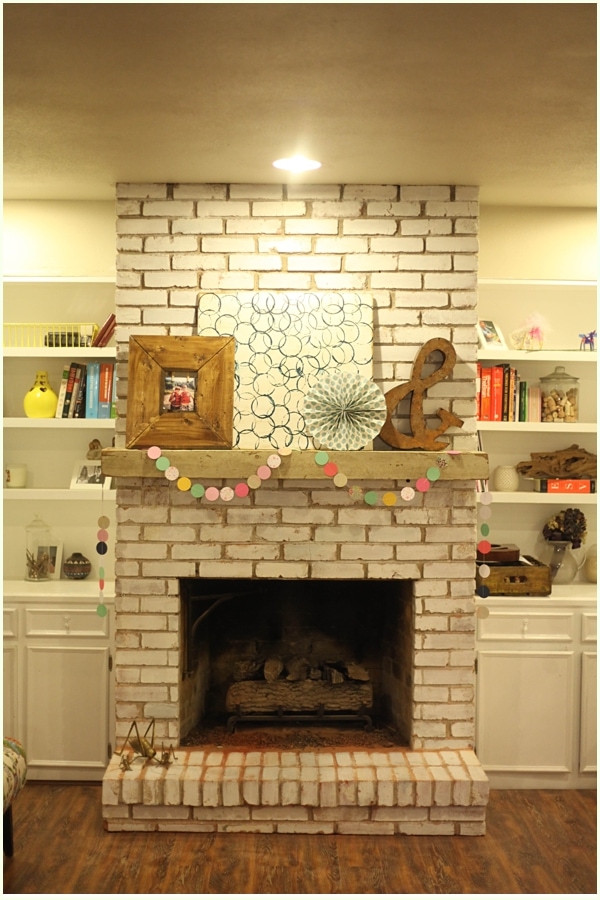
Gorgeous DIY Faux Fireplaces and Mantels

Home-Stained Rustic Fireplace Design – Barron Designs
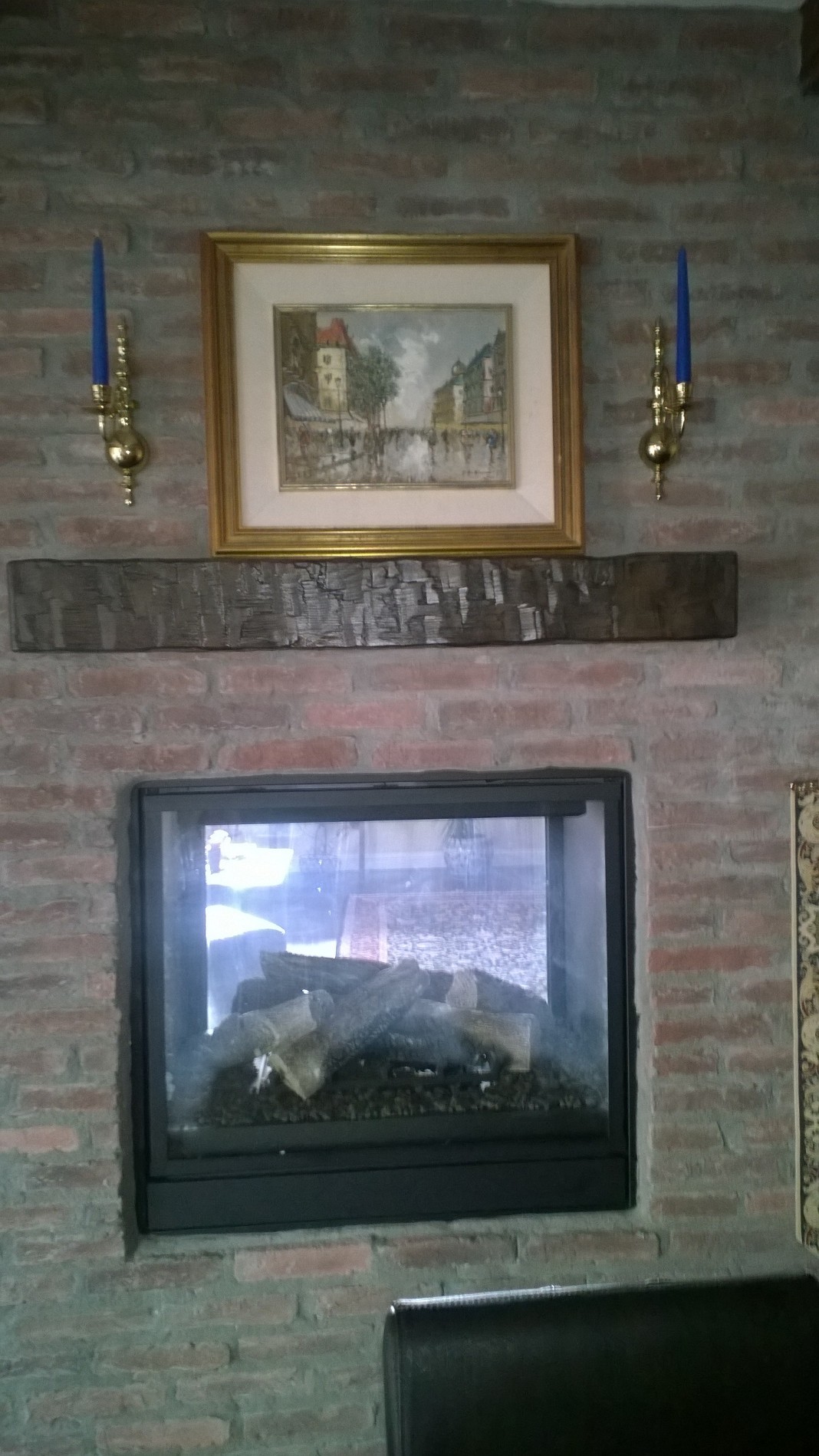
Amazing Whitewashed Fireplace Designs : 38 Amazing Whitewashed Fireplace Designs With B

Related Posts: