Last summer, I decided to build an outdoor fireplace barbecue combination that would become the centerpiece of my backyard entertaining space. After years of using a basic gas grill tucked away in the corner, I wanted something more substantial that could handle both cooking duties and provide warmth for evening gatherings. My research revealed numerous design possibilities, from simple brick constructions to elaborate stone installations with multiple cooking surfaces. The project seemed daunting initially, but I was determined to create the ultimate outdoor cooking and gathering destination for my family and friends.
Planning my outdoor fireplace barbecue required careful consideration of placement, size, and local building codes. I spent weeks measuring my patio area and researching setback requirements from property lines and structures. The dual functionality meant designing separate chambers for the fireplace and barbecue sections while ensuring proper ventilation for both. My local building department required permits for permanent outdoor cooking structures, adding time and cost to the project. Wind patterns, sun exposure, and proximity to seating areas all influenced my final design decisions for optimal functionality and comfort.
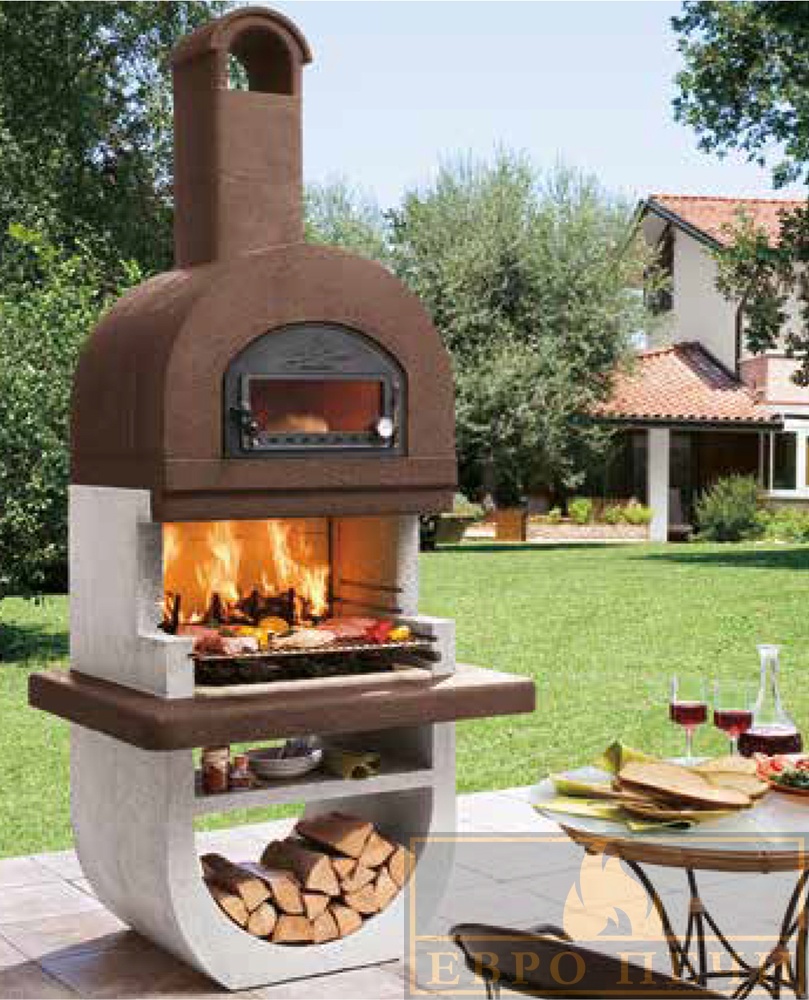
Material selection became a fascinating exploration of durability, aesthetics, and heat resistance properties. Fire bricks for the cooking chamber could withstand extreme temperatures while retaining heat for even cooking. Natural stone veneers provided beautiful exterior finishes that complemented my landscape design. Refractory mortar designed for high-temperature applications ensured joints would remain intact through heating and cooling cycles. Stainless steel components for grates, dampers, and chimney caps offered corrosion resistance in outdoor environments. My material choices balanced performance requirements with budget constraints and visual appeal.
Construction began with excavating and pouring a substantial concrete foundation capable of supporting the massive stone and brick structure. The foundation needed to extend below the frost line in my climate to prevent shifting and cracking during freeze-thaw cycles. Steel reinforcement bars provided additional strength for the heavy masonry construction above. Proper drainage around the foundation prevents water accumulation that could undermine structural integrity. This foundation work took longer than expected, but creating a solid base was essential for the longevity and safety of my outdoor fireplace barbecue combination.
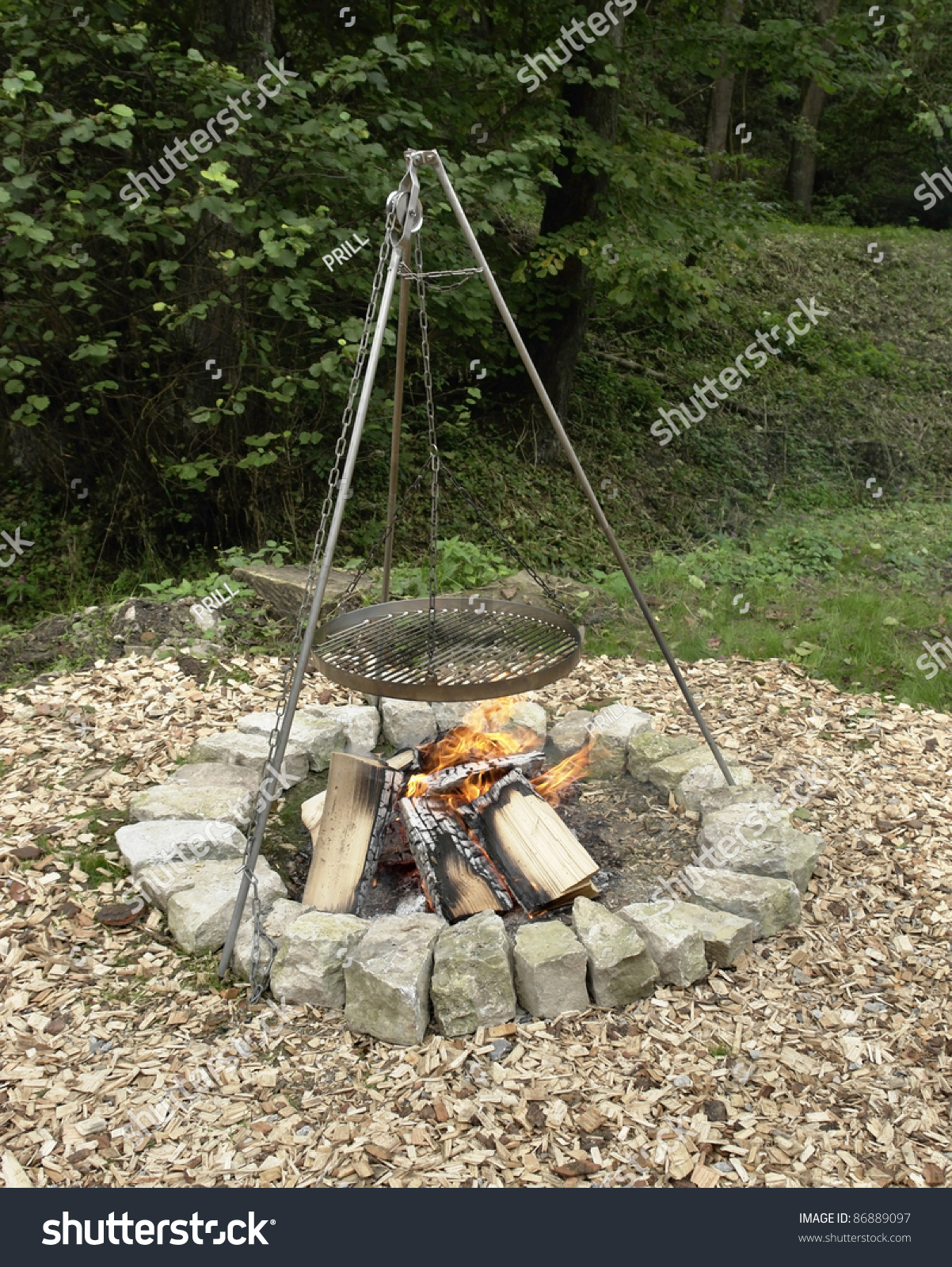
Building the firebox and cooking chamber required precise measurements and careful attention to heat flow dynamics. The fireplace section needed proper proportions between firebox depth, opening height, and chimney dimensions for optimal draft and smoke management. The barbecue chamber required different considerations, with adjustable grates and indirect cooking capabilities. Installing a shared chimney system that could handle smoke from both sections simultaneously presented engineering challenges. I consulted with a mason experienced in outdoor cooking structures to ensure proper functionality and safety compliance.
Installing cooking accessories transformed my basic structure into a versatile outdoor kitchen capable of handling various cooking methods. Adjustable grill grates allow different cooking heights for precise temperature control. A rotisserie attachment enables slow roasting of large cuts of meat. Pizza stone inserts turn the firebox into a wood-fired oven for authentic bread and pizza preparation. Storage compartments keep cooking tools and supplies organized and protected from the weather. These additions expanded my cooking possibilities far beyond simple grilling, creating restaurant-quality capabilities in my backyard setting.

Weather protection became crucial for preserving my investment and ensuring year-round usability of the outdoor fireplace barbecue. A permanent roof structure shields the cooking area from rain while allowing proper ventilation for smoke management. Waterproof covers protect metal components during extended periods of non-use. Proper sealing of masonry joints prevents water infiltration that could cause freeze damage in the winter months. Wind screens help maintain consistent cooking temperatures during breezy conditions. These protective measures extend the life of my outdoor cooking structure while improving performance in various weather conditions.
Safety considerations guided every aspect of my outdoor fireplace barbecue design and construction process. Adequate clearance from combustible materials protects surrounding structures and landscaping from heat damage. Fire extinguisher placement and water source access provide emergency response capabilities. Spark arrestor screens prevent ember escape that could start fires. Proper lighting ensures safe operation during evening cooking sessions. First aid supplies remain easily accessible during all outdoor cooking activities. These safety measures provide peace of mind while enjoying the benefits of outdoor cooking and entertaining around the fireplace.
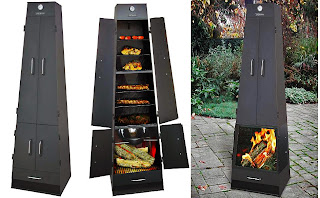
Maintenance routines keep my outdoor fireplace barbecue functioning properly and looking attractive throughout the seasons. Regular cleaning removes grease buildup that could cause flare-ups or attract pests. Annual chimney inspections ensure proper draft and identify potential problems before they become serious issues. Repointing mortar joints maintains structural integrity and prevents water infiltration. Protective coatings on metal components prevent rust and corrosion in outdoor environments. Seasonal storage of removable accessories protects them from weather damage during winter months when outdoor cooking activities decrease significantly.
My completed outdoor fireplace barbecue has transformed my backyard into the neighborhood gathering spot I always envisioned. Summer evenings now feature elaborate dinner parties with multiple courses prepared on different cooking surfaces. The warmth and ambiance of the fireplace extend outdoor entertaining seasons well into fall and winter months. Friends frequently request the recipes for dishes I’ve perfected using wood-fired cooking techniques. The property value increased substantially with this permanent outdoor cooking installation. The combination of functionality, beauty, and entertainment value makes this project one of my most satisfying home improvements.
How much space do I need for an outdoor fireplace barbecue combination?
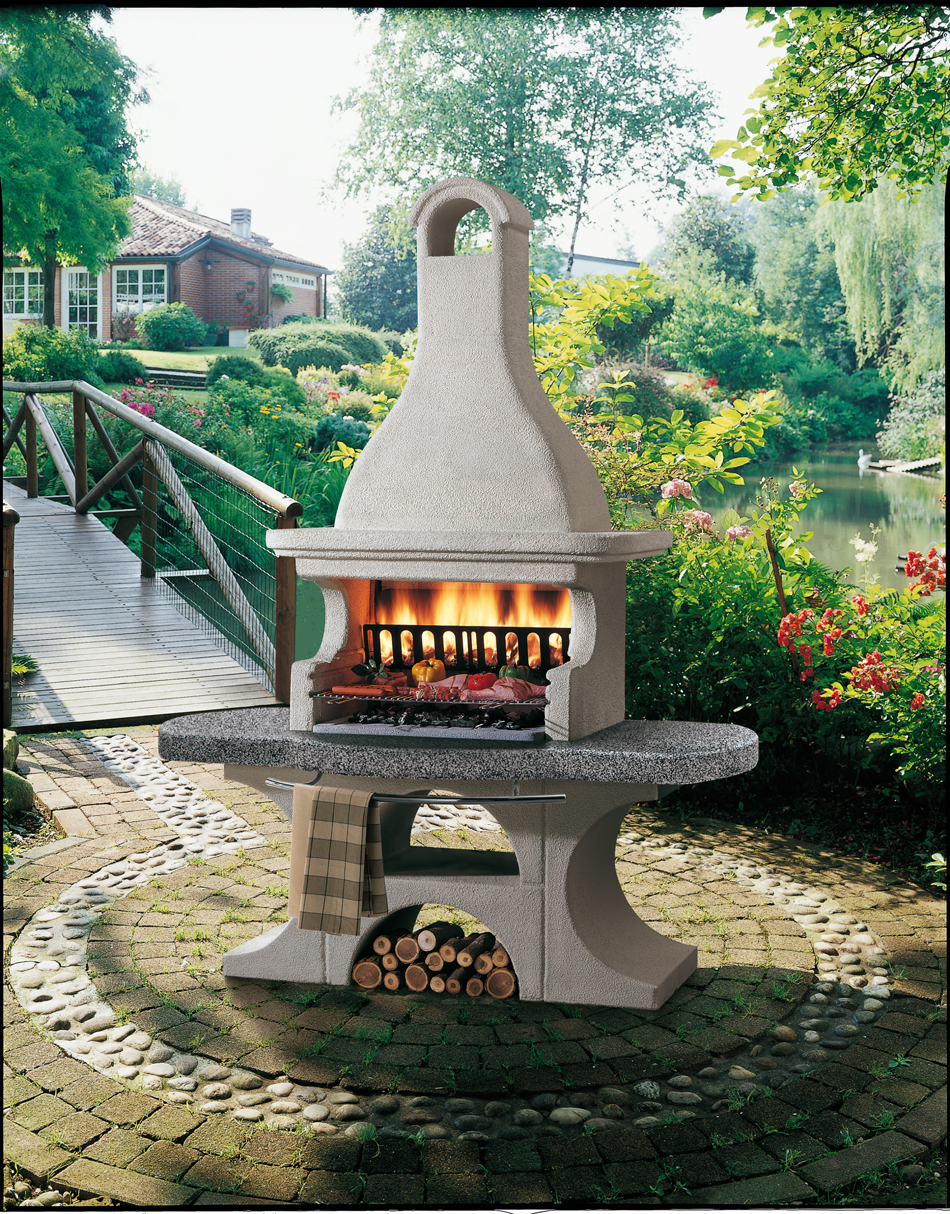
Most outdoor fireplace barbecue combinations require at least 8×10 feet of patio space, though larger designs need more room. My installation occupies roughly 12×8 feet, including workspace and seating areas. Consider clearance requirements from structures, typically 10-15 feet minimum from house walls. Allow additional space for food preparation, storage, and guest seating around the cooking area. Local building codes often specify minimum distances from property lines and combustible materials. Professional design consultation helps optimize space usage while meeting all safety and regulatory requirements for your specific yard.
What permits are required for building an outdoor fireplace barbecue?
Most permanent outdoor cooking structures require building permits from local authorities. My project needed structural, electrical, and gas permits depending on the planned utilities. Some areas classify outdoor fireplaces as recreational fires with different regulations than permanent structures. Homeowner association approval may be required in planned communities. Professional contractors typically handle permit applications as part of their services. Check local building department requirements early in planning stages, as permit processing can take several weeks. Proper permits ensure code compliance and protect your investment value.

Can I use my outdoor fireplace barbecue year-round in cold climates?
Yes, with proper weather protection and safety precautions, outdoor cooking remains enjoyable in cold weather. My structure includes wind screens and overhead coverage for winter comfort. Snow and ice require removal before operation to ensure safe access and proper ventilation. Longer preheating times are needed in cold temperatures for optimal cooking performance. Dress appropriately for weather conditions and maintain clear pathways to prevent slips and falls. Some accessories may need winter storage to prevent freeze damage. Cold-weather cooking creates unique opportunities for hearty meals and cozy gatherings.
What types of fuel work best for outdoor fireplace barbecues?
Hardwoods like oak, hickory, and cherry provide excellent flavor and long burning times for both heating and cooking applications. Fruitwoods add subtle flavors perfect for poultry and pork preparation. Avoid softwoods like pine that create excessive creosote and poor flavors. Seasoned wood with low moisture content burns cleanly and efficiently. Charcoal works well for high-temperature grilling applications. Gas connections provide convenient ignition and temperature control options. I use different fuel types depending on cooking methods and desired flavors. Proper fuel storage keeps materials dry and ready for use.
How do I maintain proper temperature control while cooking?
Temperature control requires understanding airflow, fuel management, and cooking zone placement within your outdoor fireplace barbecue. Adjustable dampers regulate air intake and exhaust for precise heat control. Moving coals or adjusting wood placement creates different temperature zones for various cooking methods. Water pans provide moisture and moderate temperatures for low-and-slow cooking techniques. Thermometers at the grate level give accurate cooking temperature readings. Experience with your specific unit helps develop intuitive heat management skills. Practice with different fuel loads and airflow settings builds expertise for consistent results.
What safety precautions should I follow when using an outdoor fireplace barbecue?
Always maintain proper clearances from combustible materials and never leave fires unattended during operation. Keep fire extinguishers and water sources readily accessible for emergencies. Inspect the chimney and firebox before each use for obstructions or damage. Use proper tools designed for high-temperature outdoor cooking applications. Ensure adequate lighting for safe operation during evening cooking sessions. Never use flammable liquids to start or accelerate fires in outdoor cooking structures. Educate all family members about safe operation procedures and emergency response protocols. Regular maintenance prevents many safety issues from developing.

Grill Gazebo Ideas to Fire Up Your Summer Barbecues

BBQs / Fireplaces

Pizza Ovens Archives – Safe Home Fireplace
Related Posts: