When I set out to find the most efficient electric fireplace for my home, I quickly realized not all models are created equal. After testing several options, I discovered that efficiency depends on multiple factors, including heating technology, thermostat control, and design features. The best units combine effective warmth with minimal energy consumption, providing cozy ambiance without skyrocketing my electricity bill. Modern electric fireplaces have come a long way from simple space heaters with fake flames, now offering realistic fire effects that use LED technology to reduce power draw. My search led me to models that deliver 5,000 BTUs of heat while drawing only 1,500 watts, making them surprisingly economical for zone heating.
The heating element technology makes all the difference in an electric fireplace’s efficiency. I chose a model with a ceramic heating element, which warms up quickly and distributes heat more evenly than traditional coil heaters. Some premium units feature infrared technology that heats objects directly rather than just warming the air, similar to sunlight. This approach feels more natural and prevents the dry air effect common with conventional electric heaters. I was impressed to learn that many efficient models can heat a 400-square-foot area while using less energy than a hair dryer. The combination of fan-forced air and radiant heat in my unit creates comfortable warmth without excessive power consumption.
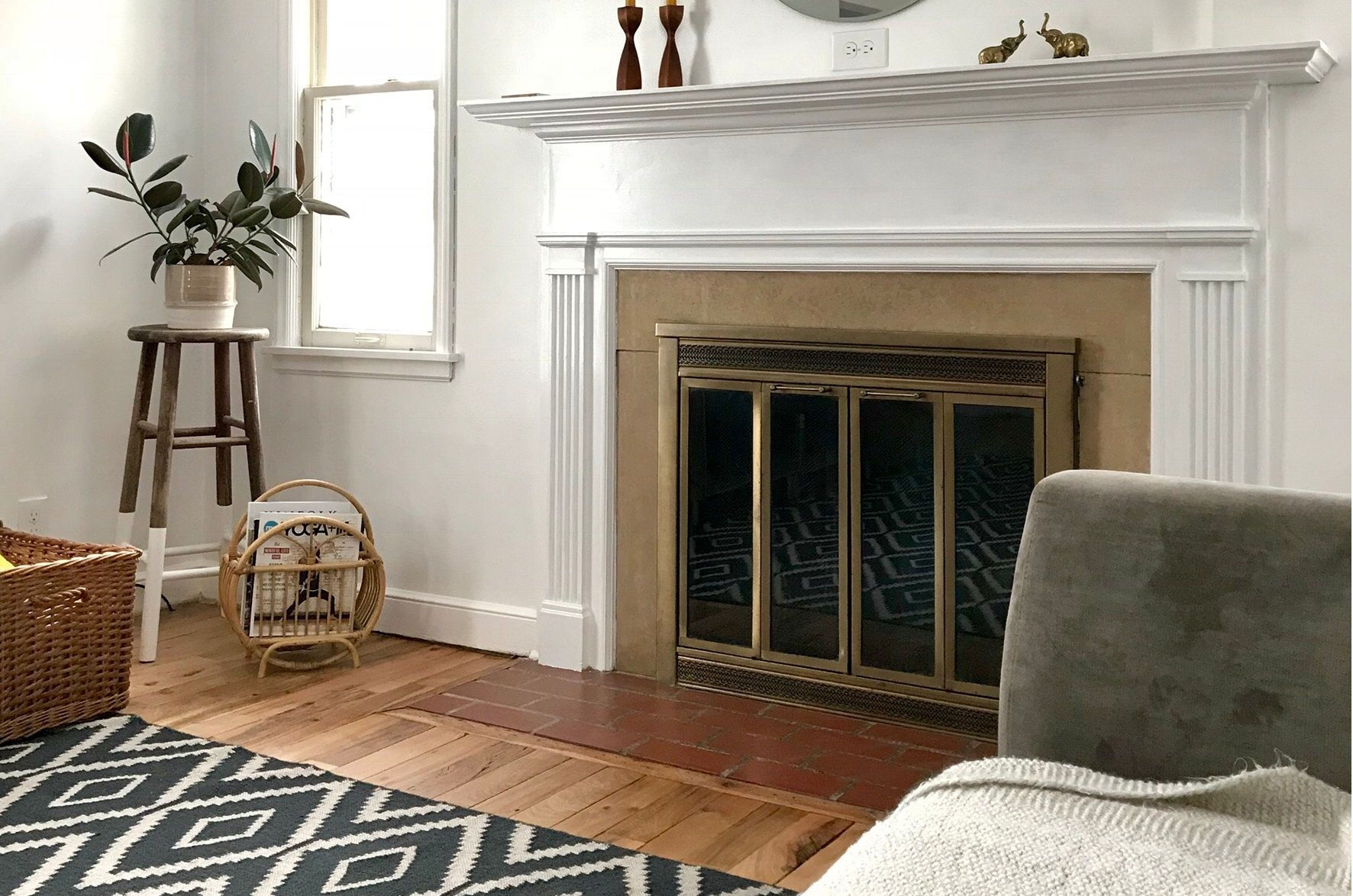
Thermostat controls significantly impact how efficiently an electric fireplace operates. My model maintains set temperatures within one degree, automatically cycling the heater to prevent energy waste. The programmable timer allows me to schedule operation during peak usage hours when I need warmth most. Unlike basic on/off switches, the variable thermostat adjusts heat output gradually as the room approaches the desired temperature. This precision prevents the constant on-off cycling that drains power in less sophisticated models. I’ve found that maintaining a steady 68°F uses far less energy than repeatedly reheating a cooled room from scratch.
Realistic flame effects don’t have to compromise efficiency in modern electric fireplaces. LED technology has revolutionized fire simulation, using a fraction of the energy that older bulb-based systems required. My fireplace’s flames operate independently from the heater, allowing ambiance without heat during warmer months. The adjustable brightness settings let me customize the effect while managing power usage. Some models even include ember bed lighting that creates depth and movement without additional energy draw. I frequently enjoy the visual appeal of flames without activating the heater, appreciating how little electricity these features actually consume.
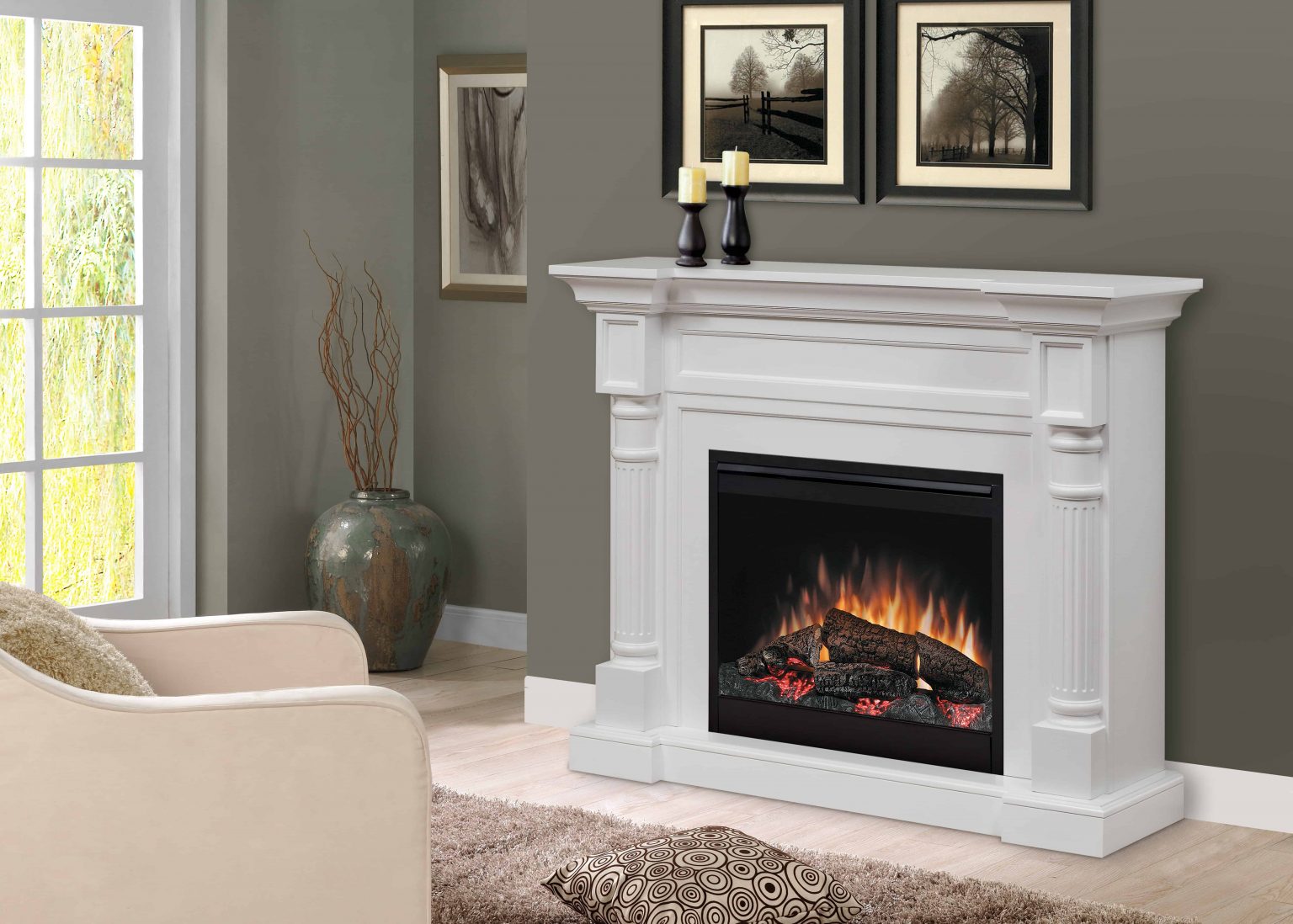
Design elements contribute more to efficiency than I initially realized. My flush-mount wall unit includes built-in insulation that prevents heat loss through the wall cavity. The directional vents allow me to aim warmth exactly where it’s needed rather than heating unused spaces. Glass-fronted models retain heat better than open designs, while still providing a clear view of the flames. I opted for a smaller unit perfectly sized for my living area, avoiding the energy waste of an oversized heater. The clean lines and compact footprint prove that efficient heating doesn’t require bulky, unattractive appliances dominating my decor.
Comparing energy usage between models helped me identify truly efficient options. I tracked kilowatt-hour consumption using a smart plug during my testing phase. The most efficient models delivered consistent warmth while drawing under 1,500 watts on high settings. Energy Star certified units performed noticeably better than non-certified alternatives, though fewer electric fireplaces qualify compared to other appliances. I calculated that running my fireplace for four hours daily adds about $15 to my monthly electric bill during winter, a reasonable trade-off for the comfort and ambiance it provides.
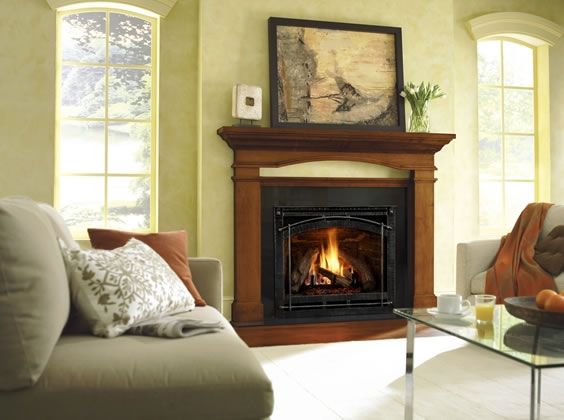
Safety features on efficient electric fireplaces provide peace of mind alongside energy savings. Overheat protection automatically shuts off the unit if internal temperatures rise too high. The cool-touch glass and casing prevent burns, allowing placement in high-traffic areas. My model includes tip-over protection that cuts power if the unit is accidentally knocked over. These safeguards mean I can use the fireplace confidently around children and pets without constant supervision. The absence of actual flames or hot surfaces makes electric models inherently safer than gas or wood alternatives, while still delivering satisfying warmth.
Installation flexibility makes electric fireplaces efficient for zone heating. Unlike central systems that heat entire homes, I can warm only occupied rooms as needed. My wall-mounted unit required no venting, gas lines, or chimney, eliminating the energy losses associated with traditional fireplaces. The plug-in design allows temporary placement wherever heat is most required during different seasons. I’ve rearranged my living space around the fireplace’s efficient heat distribution, creating a cozy seating area that stays warm without overheating the entire house.
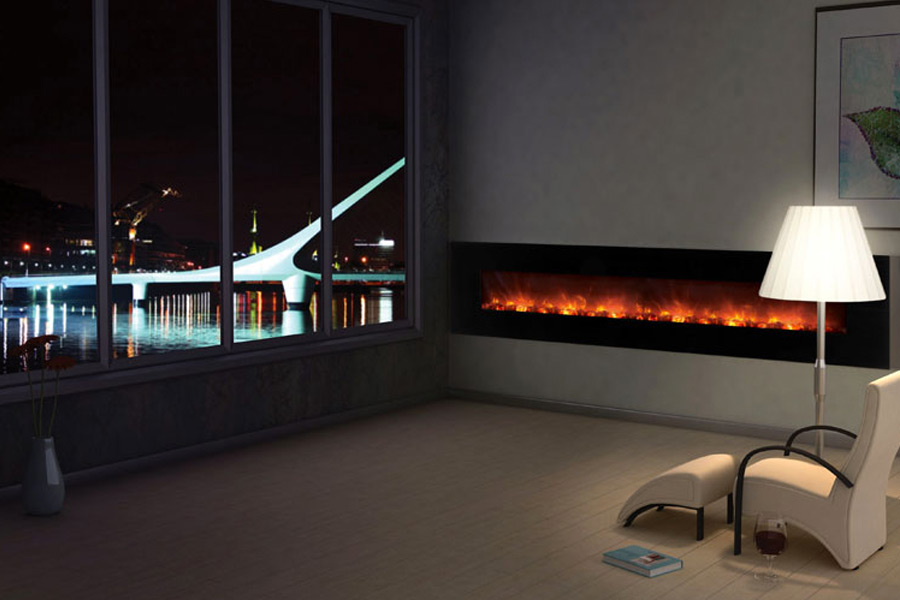
Maintenance requirements are refreshingly minimal compared to other heating options. No ash removal, chimney cleaning, or gas line inspections are needed with my electric fireplace. I simply vacuum the intake vents monthly and wipe down the glass panel as needed. The lack of combustion means no worrying about air quality or ventilation. After two years of regular use, my unit operates as efficiently as installation day, with no degradation in performance. This hassle-free operation allows me to focus on enjoying the warmth rather than maintaining the equipment.
Living with an efficient electric fireplace has changed how I heat my home during colder months. The zone heating approach saves money by allowing me to lower the central thermostat while keeping frequently used spaces comfortably warm. The instant operation provides immediate warmth without waiting for fires to build or furnaces to cycle. I appreciate being able to adjust heat and flame effects separately, customizing both energy use and ambiance. For anyone seeking responsible warmth without sacrificing style or comfort, today’s most efficient electric fireplaces offer an ideal solution.

How much does it cost to run an efficient electric fireplace?
Operating costs depend on your electricity rates and usage patterns. My 1,500-watt unit costs about $0.22 per hour at full power based on my local $0.15/kWh rate. Using the thermostat to maintain temperature rather than continuous high heat reduces this significantly. I average about $15 monthly during winter running it 4 hours daily. Energy Star models can be 10-15% more efficient than standard units. Always check wattage ratings and compare them against your utility costs for accurate estimates.
Can an efficient electric fireplace heat an entire room?
Quality models effectively heat spaces up to 400-500 square feet when properly sized. My unit keeps my 350-square-foot living room comfortable even when the central heat is lowered. Placement matters, avoid drafty areas or open floor plans that disperse warmth. Units with fans distribute heat better than radiant-only models. For larger spaces, look for higher BTU ratings or consider supplemental heating. Electric fireplaces work best for zone heating rather than whole-house solutions.
Do electric fireplaces need special wiring or outlets?
Most plug into standard 120-volt outlets, though larger units may require dedicated 20-amp circuits. My 1,500-watt model runs safely on a shared 15-amp circuit with other low-draw devices. Avoid extension cords, which can overheat. Hardwired installations offer cleaner looks but require professional electrical work. Always check your home’s wiring capacity and the fireplace’s power requirements before purchase. Modern units draw less power than many space heaters while providing better heat distribution.
How do electric fireplace efficiencies compare to gas models?
Electric units convert nearly 100% of energy to heat with no venting losses, while gas fireplaces typically achieve 70-90% efficiency. However, electricity often costs more per BTU than natural gas depending on local rates. Electric models win for installation flexibility and precise temperature control. Gas provides stronger heat output but requires venting and professional installation. My electric fireplace’s convenience and safety features outweighed the slight efficiency advantage of gas in my situation.
Can I use an electric fireplace without the heat?
Yes, most allow flame effects to operate independently. I frequently enjoy the ambiance during warmer months without activating the heater. This uses minimal electricity, often less than 100 watts for LED flame systems. Some models even include different color flame options for decorative use. The ability to separate visual effects from heating function makes electric fireplaces versatile year-round features rather than just winter appliances.
What maintenance do efficient electric fireplaces require?
Routine care is minimal compared to other fireplace types. I vacuum dust from intake vents monthly to maintain airflow and efficiency. The glass front wipes clean with a microfiber cloth. No chimney cleaning, ash removal, or gas line inspections are needed. Every few years, I check for any loose connections or worn components. Quality units can last 10-15 years with basic care. The lack of combustion byproducts means no creosote buildup or air quality concerns associated with wood or gas alternatives.
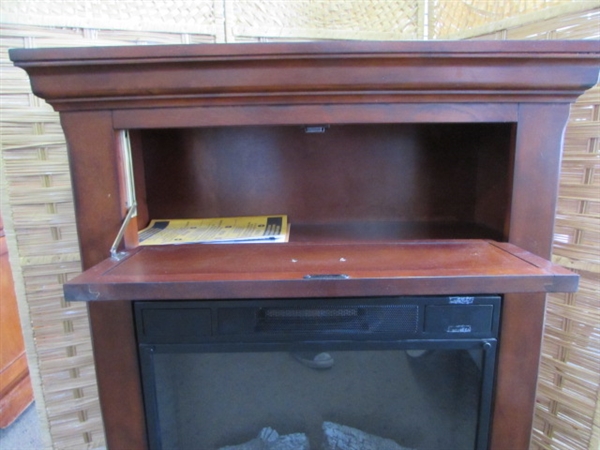
Elite Fireplace – Wood Fireplaces
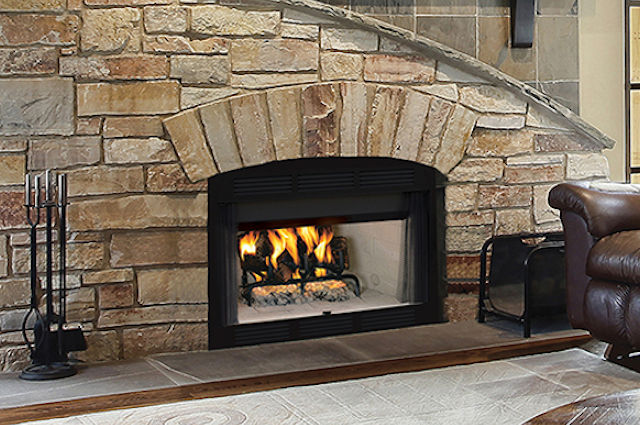
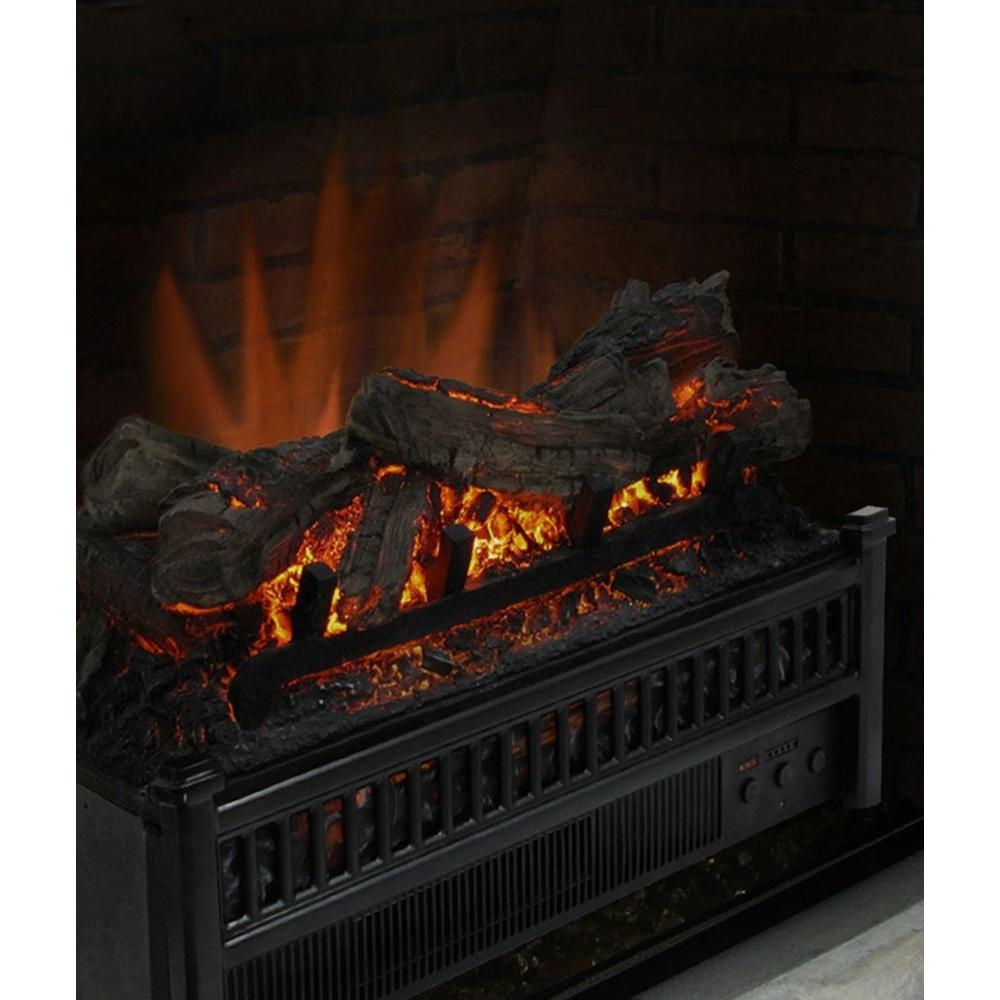
Electric Fireplace Log 23″ Set W/ Heater Fake Wood Burning Pleasant Home Decor
Gallery Linear Built In Electric Fireplace -64″ Woodland Direct

Related Posts:
- Rustic Stone Electric Fireplace
- Vintage Style Electric Fireplace
- Electric Fireplace Mantel DIY
- Stone And Wood Electric Fireplace
- Electric Fireplace With Stone Mantle
- Wall Mounted Electric Fireplace Ideas
- Country Style Electric Fireplace
- Electric Fireplace Stove
- Industrial Electric Fireplace
- Wall Mount Electric Fireplace