Log cabin fireplace screens combine practical function with rustic charm, serving as both a safety barrier and decorative accent. These screens prevent sparks and embers from escaping wood-burning fires while enhancing the cabin’s cozy aesthetic. Typically crafted from wrought iron, steel, or copper, log cabin screens often feature nature-inspired designs like pine trees, wildlife silhouettes, or intricate branch patterns. The sturdy construction withstands high heat, while the mesh paneling allows optimal heat radiation into the room. Whether your cabin leans toward traditional or modern rustic style, the right fireplace screen adds warmth and character to your hearth.
Wrought iron fireplace screens remain a classic choice for log cabins due to their durability and timeless appeal. Blacksmiths often handcraft these screens with scrollwork, lodge motifs, or custom monograms. The heavy-gauge iron provides excellent spark protection while allowing a clear view of the fire. Many wrought iron designs incorporate log holders or tool racks for added functionality. The matte black finish blends seamlessly with stone or wood fireplace surrounds. For a weathered look, some screens feature an antique bronze or rust patina. Wrought iron’s strength ensures the screen lasts for decades, making it a worthwhile investment for frequent fireplace use.

Steel fireplace screens offer a more affordable alternative to wrought iron while maintaining rustic charm. Laser-cut steel panels can replicate intricate forest scenes with precise detail, from leaping deer to towering evergreens. Powder-coated finishes prevent rust and come in various colors like matte black, bronze, or hammered copper. Some steel screens fold for easy storage when not in use, ideal for cabins with limited space. Tempered glass panels may be incorporated into steel frames, providing spark protection without obstructing the fire view. Steel’s lighter weight makes these screens easier to move than solid iron versions while still providing ample heat resistance.
Copper fireplace screens introduce warm metallic tones that complement log cabin interiors beautifully. The natural reddish-gold hue develops a rich patina over time, adding character to the hearth. Many copper screens feature hand-chased designs of wildlife or mountain landscapes, with the metal’s malleability allowing for detailed artistry. Some incorporate brass or iron accents for visual contrast. Copper’s natural heat conductivity helps radiate warmth into the room efficiently. Regular polishing maintains the bright finish, while leaving it untreated creates an appealing vintage look. Copper screens often serve as striking focal points, especially when paired with stone fireplaces or rough-hewn timber mantels.

Freestanding fireplace screens provide flexible protection for larger cabin hearths. These multi-panel designs curve or fold to accommodate various fireplace widths, typically ranging from 48 to 72 inches wide. The hinged panels allow easy access when adding logs or tending the fire. Many freestanding models include side wings that extend protection beyond the fireplace opening. Heavy bases prevent tipping, while heat-resistant handles make repositioning safe. These screens work well with grand stone fireplaces in great rooms, where they contain sparks without obstructing the impressive hearth. Their adjustable nature makes them practical for cabins with irregularly sized fireplaces.
Spark guard screens focus on maximum safety with minimal visual obstruction. These simple yet effective designs feature fine mesh panels in basic geometric shapes—rectangular, arched, or oval. The tightly woven steel mesh blocks even small embers while allowing optimal heat output. Many log cabin owners prefer these understated screens when they want the fireplace itself to be the main attraction. Some models include a flip-down door for easy fire maintenance. The minimalist black frames disappear against dark fireplace interiors, protecting without competing with rustic decor. These no-frills screens prove especially useful in hunting cabins or other utilitarian spaces.

Custom fireplace screens allow log cabin owners to personalize their hearth protection. Local metalworkers can create one-of-a-kind designs featuring family initials, property landmarks, or favorite outdoor scenes. Some artisans incorporate reclaimed materials like vintage tractor parts or antique tools into screen frames. Custom sizing ensures perfect fit for non-standard fireplace openings. While more expensive than mass-produced options, bespoke screens become cherished heirlooms that reflect the cabin’s unique personality. Many craftsmen offer design consultations to help clients translate their vision into functional art that enhances their rustic retreat.
Maintaining log cabin fireplace screens preserves both their appearance and functionality. Regular dusting with a soft brush removes ash buildup from mesh panels. Wrought iron may need occasional paste wax applications to prevent rust in humid environments. Copper screens benefit from periodic polishing unless a natural patina is desired. Inspecting hinges and handles ensures smooth operation, with occasional lubrication preventing stiffness. Storing screens during offseason prevents unnecessary wear in cabins used seasonally. Proper care extends the screen’s lifespan, keeping it looking beautiful while providing reliable spark protection year after year.

Safety considerations for log cabin fireplace screens ensure proper protection. Screens should extend at least 6 inches beyond the fireplace opening on all sides to contain sparks effectively. The mesh must be fine enough to block embers—openings no larger than 1/4 inch are ideal. Sturdy construction prevents sagging or warping from prolonged heat exposure. Non-combustible materials like metal or tempered glass are essential. Screens should always be used with a properly maintained fireplace and never left unattended with active fires. Many insurance providers require certified fireplace screens in vacation cabins, making proper selection both a safety and financial consideration.
In conclusion, log cabin fireplace screens serve as both practical safeguards and decorative enhancements for rustic interiors. From ornate wrought iron to simple mesh guards, options exist for every style and budget. The right screen complements the cabin’s architecture while providing essential fire containment. Quality materials and construction ensure years of reliable service, making the screen a worthwhile investment. Whether chosen for its artistic appeal or functional performance, a well-selected fireplace screen completes the cozy ambiance of a log cabin hearth while keeping the home safe.
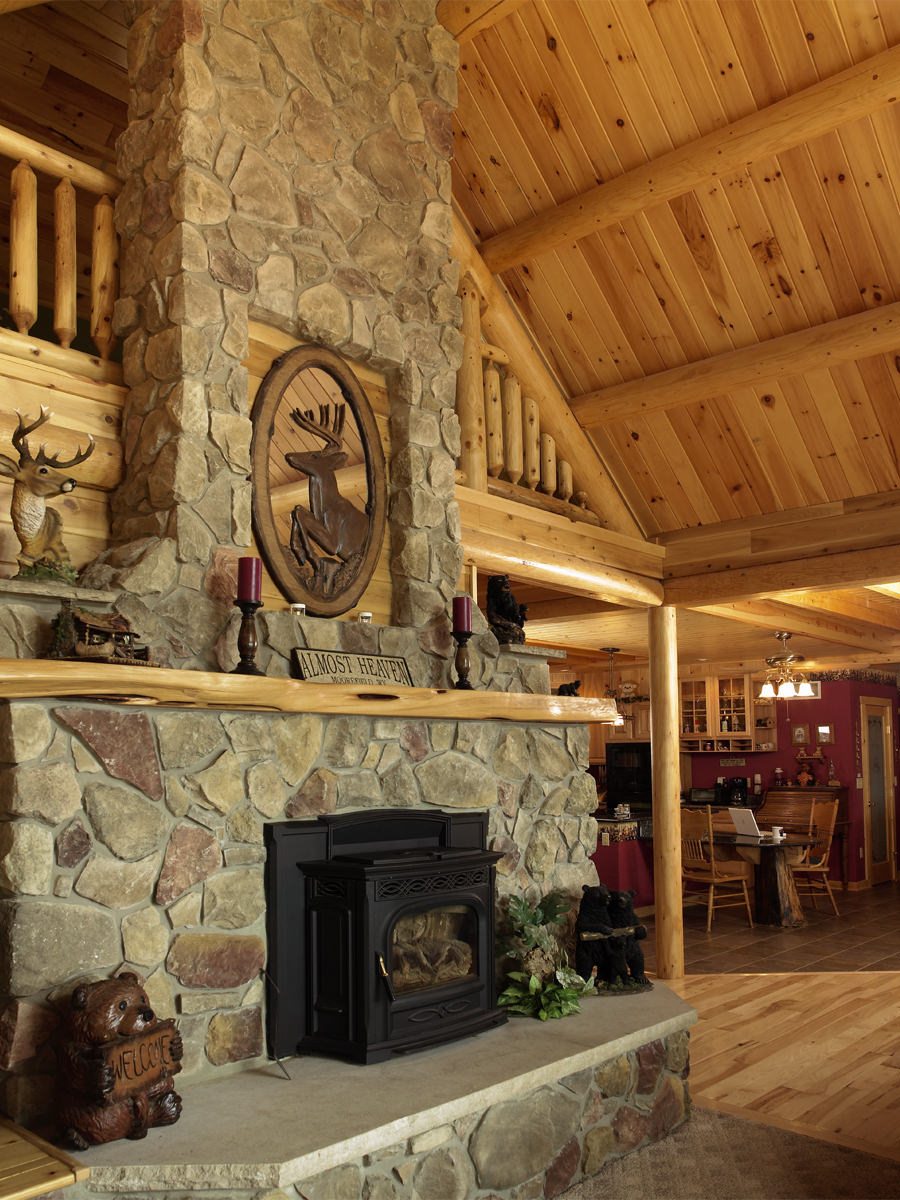
What size fireplace screen do I need for my log cabin?
Measure the width and height of your fireplace opening, then choose a screen that extends at least 6 inches wider on each side. For example, a 36-inch-wide fireplace needs a 48-inch screen. Height should cover at least the upper two-thirds of the opening. Freestanding adjustable screens work well for irregular sizes. Consider clearance for andirons or log holders when measuring depth. Oversized screens provide better spark protection in large stone fireplaces common to cabins.
Can I use a fireplace screen with glass doors?
Yes, many log cabins benefit from using both—glass doors remain closed when the fire is unattended, while the screen adds extra protection when doors are open for enjoying the flames. Ensure the screen fits properly without interfering with door operation. Some combination units integrate both elements seamlessly. Glass doors improve energy efficiency by reducing drafts when the fireplace isn’t in use, while screens allow more heat radiation during active fires.
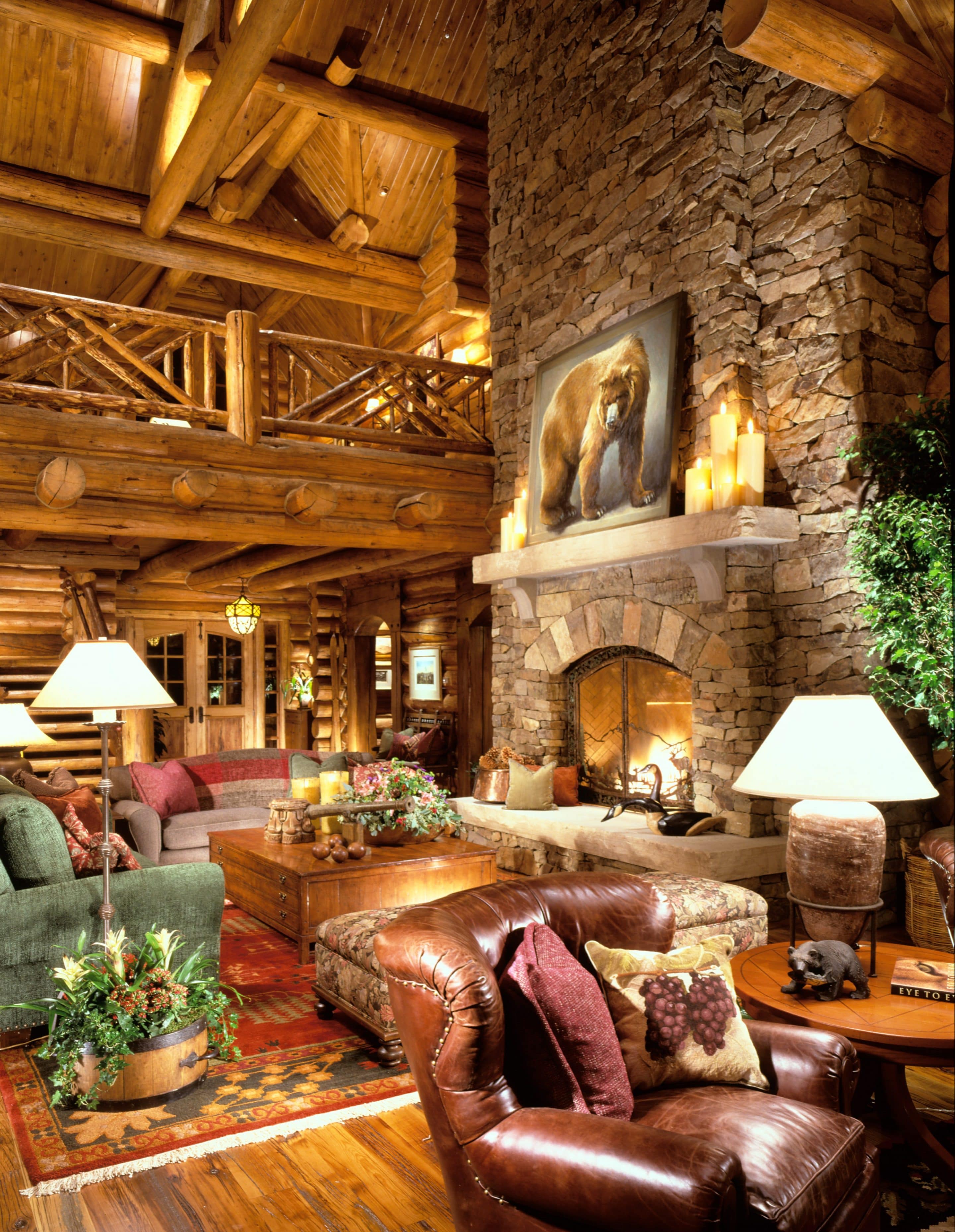
How do I clean soot from my wrought iron fireplace screen?
Use a stiff-bristled brush to remove loose soot, followed by a solution of warm water and mild detergent. Avoid abrasive cleaners that could damage finishes. For stubborn buildup, a paste of baking soda and water gently scrubs without scratching. Rinse thoroughly and dry immediately to prevent rust. Apply car wax to wrought iron after cleaning to protect the surface. Regular cleaning prevents soot from becoming baked on during subsequent fires.
Are copper fireplace screens safe with wood-burning fires?
Copper screens are completely safe for wood-burning fireplaces, as copper withstands high temperatures without degrading. The metal actually helps distribute heat more evenly into the room. However, copper conducts heat rapidly, so the frame may become very hot—use caution when moving the screen after fires. Some copper screens feature heat-resistant handles for this reason. The natural patina that develops over time doesn’t affect performance, only appearance.
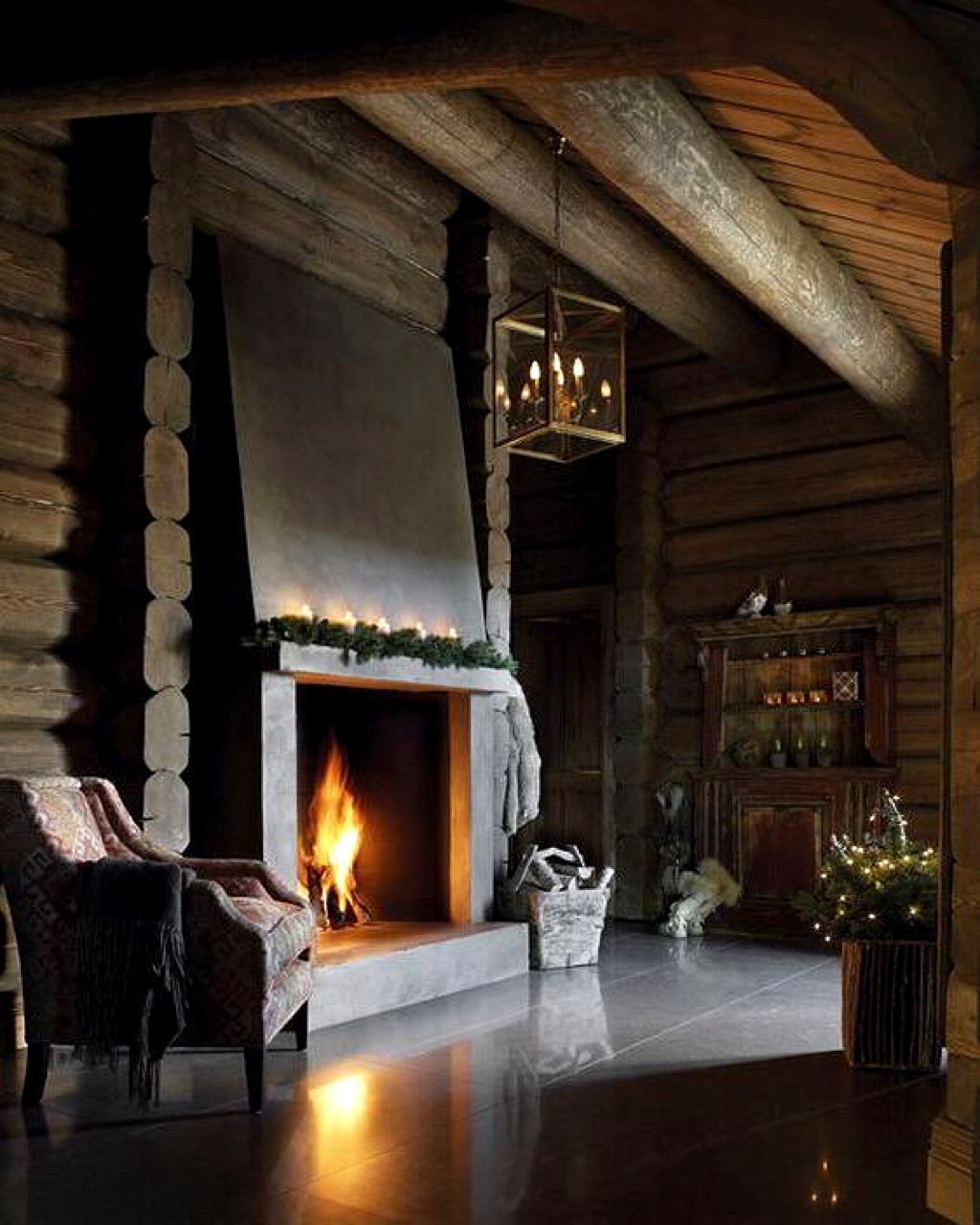
What’s the best material for a cabin fireplace screen?
Wrought iron offers the most durability and traditional appeal for log cabins. Steel provides excellent spark protection at a lower cost. Copper adds warm, rustic elegance but requires more maintenance. All three metals work well—choose based on your budget, desired aesthetics, and willingness to perform upkeep. Avoid screens with plastic components or flimsy mesh that might warp under intense heat. Material thickness indicates quality; look for at least 1/8-inch metal frames.
How do I prevent my fireplace screen from tipping over?
Freestanding screens should have weighted bases or wide stances for stability. Position the screen close enough to the opening that logs can’t roll against it. Some models include wall-mounting brackets for permanent placement. For lightweight screens, adding decorative fireplace tools or log holders on either side can provide extra support. Ensure the screen sits level on your hearthstone—uneven floors in older cabins may require shimming one side slightly. Never lean logs against the screen, as this creates a tipping hazard.
Related Posts: