I built my first flat fireplace insert two years ago, when our traditional wood-burning fireplace became more of a chore than a pleasure. The continuous cleaning, smoke problems, and inadequate heating prompted me to explore modern options. Electric flat inserts piqued my interest with their sleek designs and instant ambiance, all without the hassle of maintenance. The improvement was incredible, transforming our drafty old firebox into an efficient heating source that operates at the flick of a switch, delivering steady warmth during cold evenings.
Shopping for the appropriate flat insert taught me that size specs are more important than I previously believed for both aesthetics and practicality. Measuring the existing firebox measurements precisely avoided expensive return freight costs and installation delays. I noticed that flat inserts come in typical diameters, but custom choices are available for unique holes. The depth requirements differ greatly between models, influencing heat output and visual impact. Choosing units with changeable flame heights and colors improved the ambiance well beyond my initial expectations.

I was startled by the installation difficulties because I had imagined a straightforward plug-and-play experience with my chosen electric flat insert model. Professional installation was required due to electrical requirements and adequate ventilation concerns. The old chimney needs to be evaluated to ensure that it could sustain the weight of the new unit and its installation requirements. Connecting to existing electrical networks necessitated permits and inspections in my area. Gas variants add complexity with fuel line connections and safety certificates, raising installation prices dramatically.
The heat output capabilities exceeded my expectations, effectively warming our 400-square-foot living room during moderate winter weather. Most flat inserts produce 4,000 to 6,000 BTUs, which is comparable to space heaters but more visually appealing. The forced air circulation distributes warmth uniformly around the room, preventing uncomfortable hot patches near the unit. Thermostatic controls maintain desired temperatures automatically, preventing overheating and saving energy. Some types have remote controllers for easy use from across the room.

Flame effects technology has progressed tremendously, resulting in lifelike dancing flames that trick most visitors into thinking we’re burning real wood. LED lighting systems use very little electricity while producing beautiful flame colors ranging from traditional orange to current blue and purple. The flat form makes flames appear bigger and more prominent than standard curved inserts. Multiple flame speed settings allowed me to change the ambiance from soft flickering to more energetic dance effects. Some units incorporate cracking sound effects to enhance the authentic fireplace experience.
Maintenance requirements were minimal when compared to our old wood-burning fireplace, requiring only periodic dusting and bulb replacement. The flat surface design facilitates cleaning with regular home cleansers and microfiber cloths. Electric types eliminate the need for ash removal, chimney cleaning, and wood storage. Annual professional inspection assures peak performance and safety, however most quality equipment last for years. The sealed design minimizes dust gathering inside the machine, ensuring clean functioning throughout its lifespan.

Energy efficiency factors influenced my selection tremendously, especially because growing power bills have a considerable impact on our monthly budget. Electric flat inserts convert nearly all of the electricity consumed into heat, as opposed to wood-burning fireplaces, which lose the majority of their heat up the chimney. Instead of heating the entire house, zone heating allows you to warm only the rooms that are inhabited. Operating expenditures during peak winter consumption range from $20 to $40 a month, which is comparable to running a space heater continuously. Reduced heating expenditures more than make up for the initial investment.
Traditional fireplaces cannot offer the comfort of mind that safety features provide, especially with curious children and pets in our home. Automatic shut-off reduces overheating if vents get clogged or internal components fail. The glass face remains cool to the touch, reducing the risk of burns from inadvertent contact while operating. There are no carbon monoxide risks with electric models, as opposed to gas equivalents, which require constant monitoring. Child locks prevent illegal use, and timer functions ensure secure overnight operation without continual supervision.

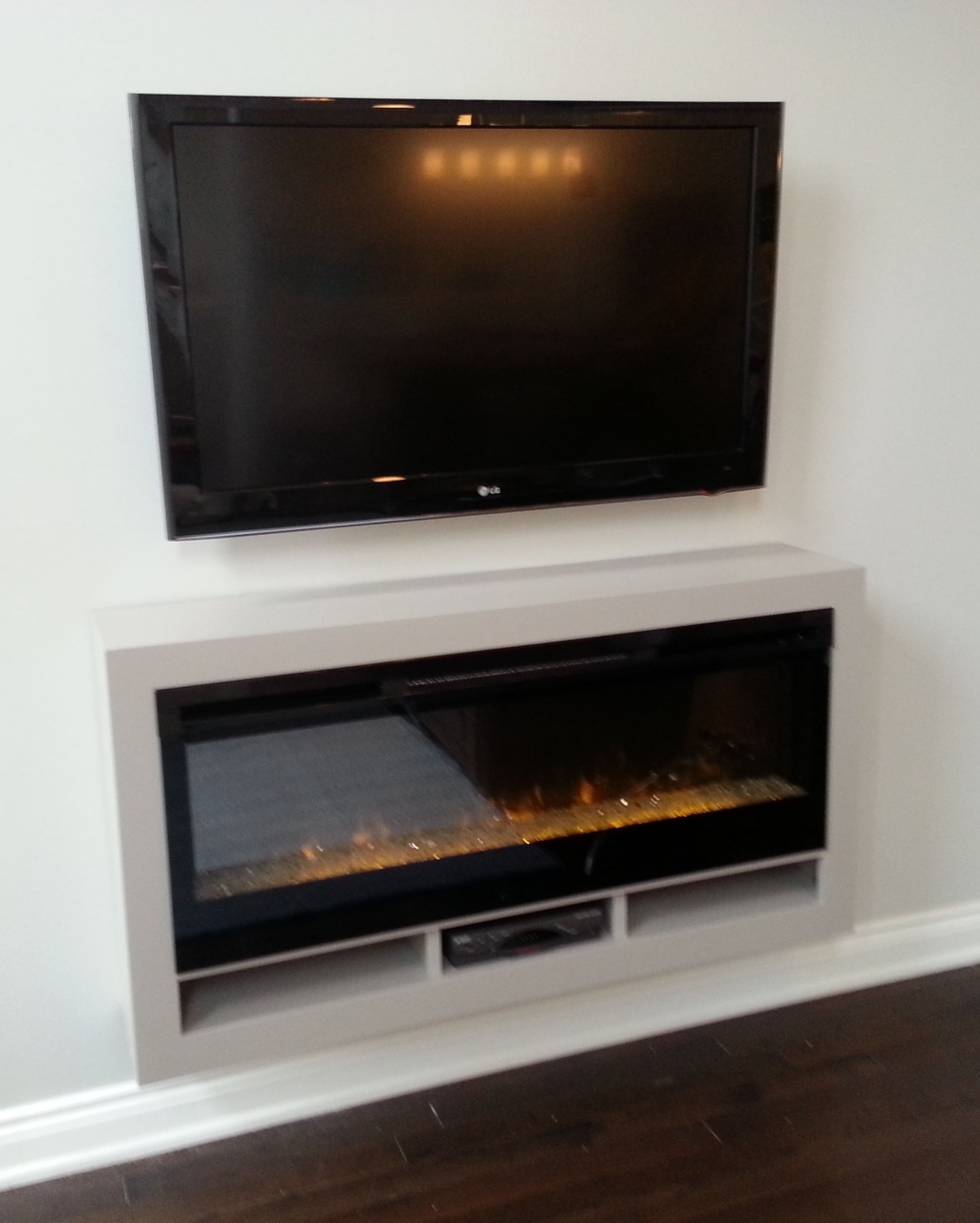
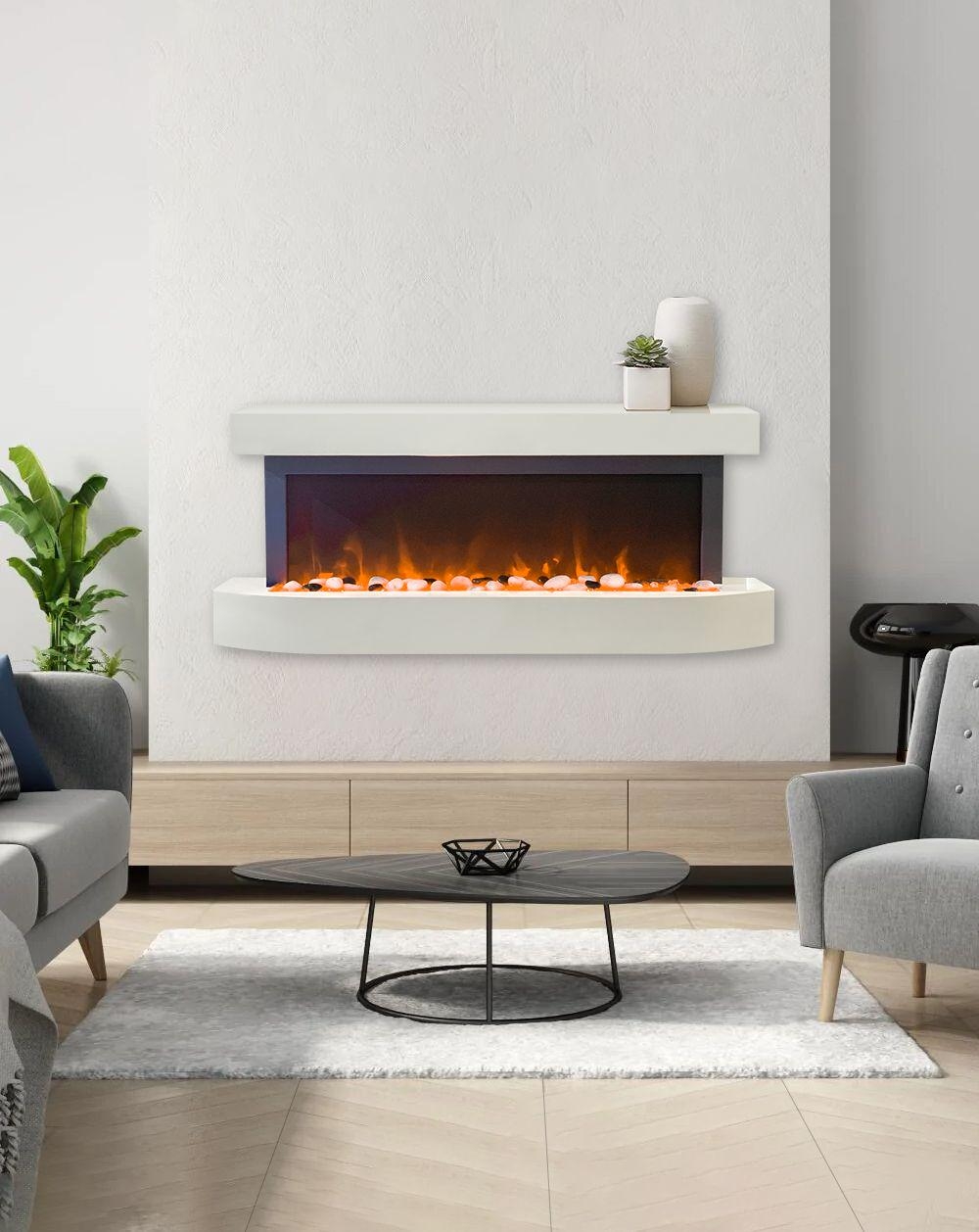
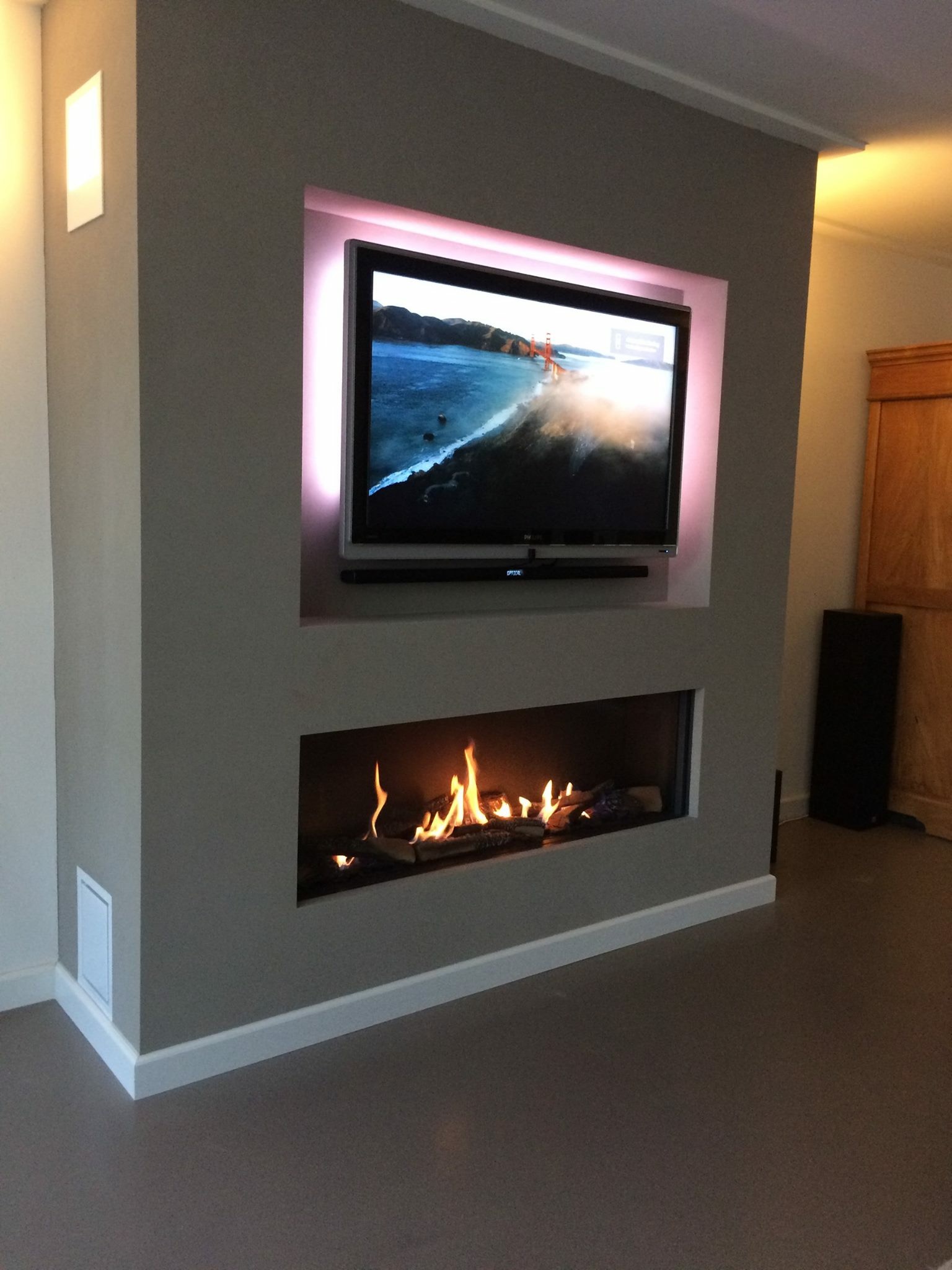
Design adaptability enables for seamless integration with a variety of interior designs, ranging from traditional to ultra-modern. The flat shape complements contemporary wall-mounted installations over built-in entertainment units. Traditional mantels perfectly accommodate flat inserts while keeping traditional fireplace proportions. Multiple finish selections compliment the existing hardware and fixtures throughout the house. LED backlighting causes depth illusions, making flat objects appear more substantial than their profiles indicate.
Living with my flat fireplace insert has greatly improved the comfort and atmosphere of our home, well above my initial expectations. Winter evenings are warm and welcoming, encouraging family gatherings around flickering embers. The quick operation eliminates the need to wait for flames to start or be concerned about embers when leaving home. Guests frequently appreciate the realistic appearance and inquire about the installation specifics. I recommend flat inserts to anyone looking for fireplace ambiance without the conventional maintenance requirements or safety issues that wood-burning units bring.

How much electricity does a flat fireplace insert require?
Most flat inserts use 1,500 watts on high heat settings, similar to space heaters. Flame effects alone consume approximately 20-50 watts, providing ambiance without incurring heating bills. During the winter peak usage, my electricity bill jumped by about $30 per month. Energy-efficient models have thermostats that cycle heating elements to keep temperatures stable while minimizing usage. Operating costs vary according upon local electricity rates and usage trends.
Can I install a flat fireplace insert myself?
Electric types frequently allow for DIY installation if the existing electrical outlets fulfill the requirements. However, I urge expert installation to ensure appropriate mounting, electrical connections, and safety standards. Gas models necessitate licensed technicians for fuel line installations and permits. Some communities demand licenses and inspections regardless of fuel type. Professional installation ensures warranty coverage and optimal performance while avoiding safety hazards.

Do flat fireplace inserts generate adequate heat for large rooms?
Heat output varies by model, but normally ranges between 4,000 and 6,000 BTUs, making it suited for spaces up to 400 square feet. Larger areas may require additional heating under adverse weather conditions. Ceiling height, insulation quality, and window placement all have a substantial impact on heating efficiency. I found my insert to be acceptable for our living area but insufficient for open floor plans. Multiple units can heat greater areas efficiently.
How realistic do flames appear in flat fireplace inserts?
Modern LED technology produces surprisingly realistic flame displays that mislead most onlookers. Beyond the usual orange flames, the authentic image is enhanced by many flame colors and speeds. The flat form allows for broader flame patterns, which are more visible than curved inserts. Some models feature ember bed effects and crackling sounds to enhance realism. However, they cannot fully recreate the erratic movement of real wood-burning flames.
How much maintenance does a flat fireplace insert require?
In comparison to traditional fireplaces, maintenance is low, requiring only periodic dusting and the replacement of LED bulbs on occasion. Standard home cleansers work well on the smooth glass surface. There are no problems about chimney cleaning, ash clearance, or wood storage. Annual professional inspections assure peak performance and safety. Quality units last for years with little maintenance, making them ideal for busy homeowners.
Are flat fireplace inserts safe to use overnight?
Most high-quality inserts contain safety features such as automatic shut-off and overheat prevention to ensure safe operation overnight. Timer functionalities enable for predetermined working times without constant supervision. The cool-touch glass face prevents burns from inadvertent contact. However, I recommend adhering to the manufacturer’s instructions and never leaving any heating device unattended for extended durations. Proper installation and maintenance ensure a safe operation.
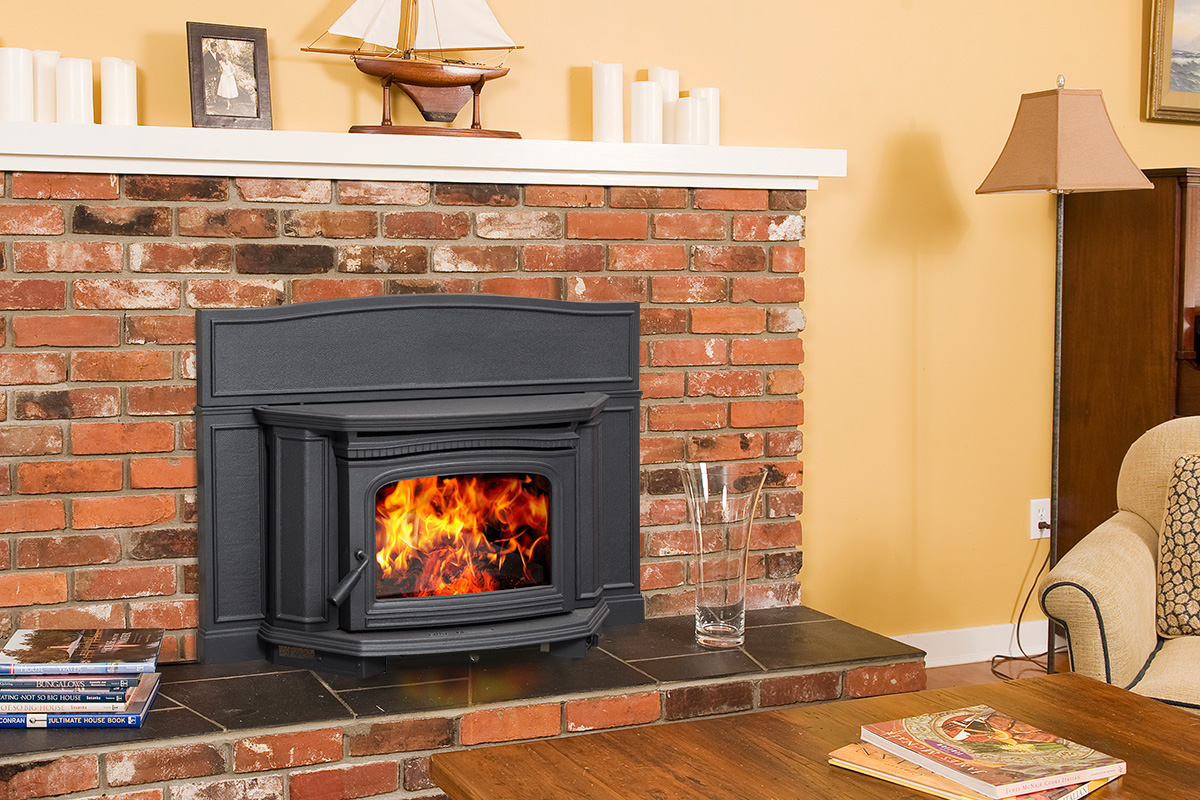
Fireplace Inserts are essentially the same as our freestanding wood stoves, but include a

Wood Burning Inserts – Long Island NY – Beach Stove
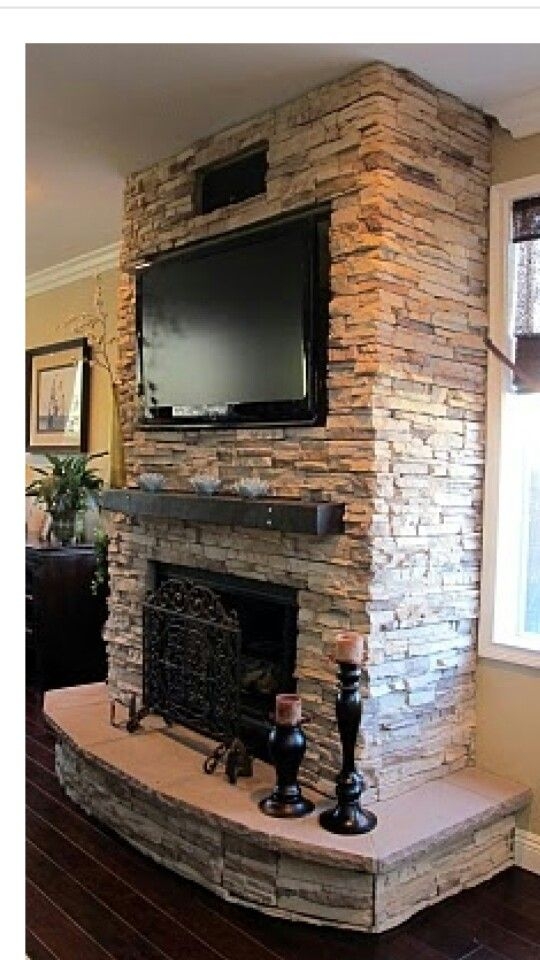
Fake Wall Fireplace – Ideas on Foter
Modore 140 Element4 Direct Vent Gas Fireplace
Related Posts: