When I first started planning my living room renovation, I didn’t realize how important mantel width was to the entire beauty and use of my fireplace. I assumed that any appealing mantel would work well, focusing on design and substance rather than specific measurements. After installing a mantel that appeared oddly proportioned against my fireplace opening, I realized that breadth influences whether a mantel adds or detracts from the overall style of the room. My experience with mantel proportions taught me important lessons about visual balance and how to create focal points that suit their surroundings.
Understanding the Basic Mantel Width Principles
After discovering that my initial option was disproportionate, I made it my top priority to determine the underlying link between mantel width and fireplace opening size. According to traditional design principles, mantels should reach 6 to 12 inches beyond either side of the fireplace opening to achieve good visual proportion. This guideline served as a starting point, but I soon discovered that room size and ceiling height have a major impact on optimal proportions.
My fireplace opening measures 36 inches wide, so I initially chose a 48-inch mantel based on normal standards. However, this breadth seemed too limited in my large living room with 10-foot ceilings. The mantel appeared to be lost against the enormous wall space, failing to provide the dominating presence I hoped for as the main point in my home.
When deciding on the proper mantel width for certain rooms and architectural contexts, I learned that visual weight is just as important as actual proportions. Heavier, more elaborate mantels may appear larger than their real size, whereas sleek, minimalist designs may appear smaller. Understanding this approach allowed me to choose a replacement mantel that had the desired visual impact.
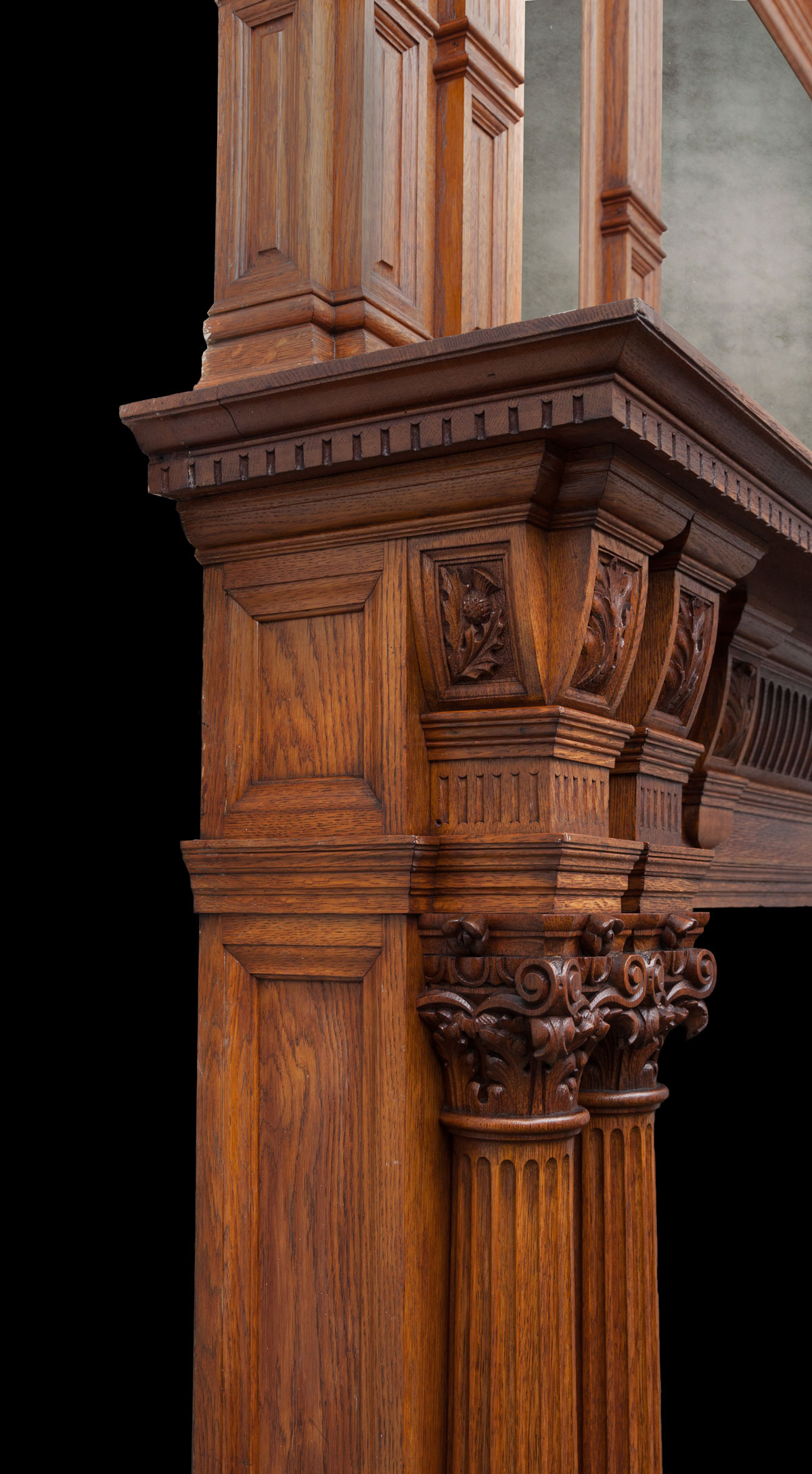
Measuring My Space for Perfect Proportions
Taking thorough measurements of my fireplace wall revealed aspects other than the opening width that influence mantel choosing and overall visual harmony. I measured the whole width of the wall, the height of the ceiling, and the space between nearby windows and doors. These measurements helped me understand how my mantel will interact with the other architectural components in the room.
The relationship between mantel width and wall space became evident when I determined that my mantel should take up around one-third to one-half of the overall wall width for balanced proportions. My 12-foot wall could hold a mantel up to 72 inches broad without dominating the space. This estimate gave me the confidence to choose a larger mantel than I had previously considered.
I made a paper template of my desired mantel proportions and taped it to the wall above the fireplace opening. This visualization tool showed how various widths would seem in my actual area. The technique helped me avoid costly mistakes and choose proportions that worked well with my room’s existing architectural features and furniture combinations.

Considering the Room Scale and Ceiling Height
My 10-foot ceilings necessitated a bigger mantel than conventional 8-foot rooms to ensure proper proportional relationships and keep the mantel from appearing tiny. Taller rooms demand larger mantels to visually center the fireplace and establish suitable scale relationships. I discovered that ceiling height directly determines how broad a mantel should be for best appearance.
The distance between my mantel and ceiling became another important consideration in calculating the right width for my particular architectural environment. With 18 inches of wall space above my planned mantel, I required enough breadth to properly balance this vertical space. A thin mantel would have left an unsightly gap, making the ceiling appear uncomfortably high.
My mantel width decision was also affected by room volume, since my 20×16-foot living room needs a strong focal point to successfully anchor the huge area. Smaller mantels would have been lost against the room’s expansive dimensions. I chose a 60-inch-wide mantel that commands attention while keeping appropriate scale relationships with the surrounding items.
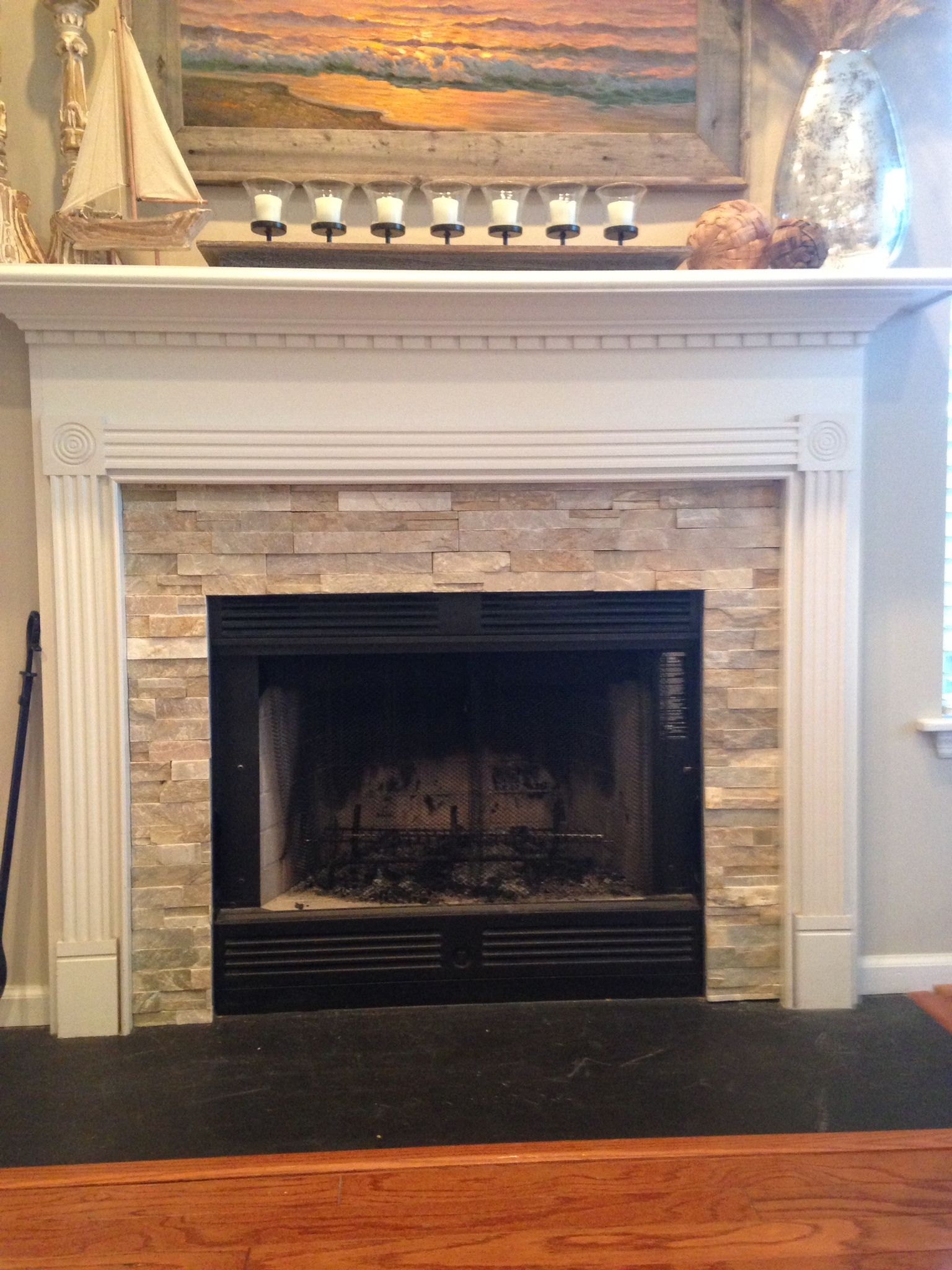
Balancing Function and Aesthetic Appeal
Beyond aesthetic considerations, my mantel width selection was affected by storage and display needs, as I needed enough space for seasonal decorations and family photos. A 60-inch mantel offers ample display space for a variety of arrangements throughout the year. This useful breadth allows for imaginative styling without looking cluttered or confined.
Heat considerations became vital when deciding how far my mantel should extend beyond the fireplace opening to ensure safe operation and avoid damage. Fire rules normally require precise clearances, but I elected to exceed the minimum criteria to provide additional safety margins. The additional width also promotes heat distribution and minimizes focused heating of mantel materials.
Weight distribution throughout the mantel width influences both installation needs and the long-term structural integrity of the mounting mechanism. Wider mantels necessitate more sturdy support systems and careful wall anchoring techniques. I added additional blocking underneath my drywall to safely hold the larger breadth and weight of my chosen mantel.

Installation Challenges for Wider Mantels
Finding suitable wall studs to hold my 60-inch mantel necessitated careful planning and maybe additional reinforcing to assure a stable installation. Standard 16-inch stud spacing did not exactly fit with my mantel mounting points. I put horizontal blocking between studs to create strong mounting surfaces throughout the whole mantel width, ensuring maximum security and stability.
My bigger mantel presented major transportation and movement issues when compared to typical sizes found at most outlets. The 60-inch width barely fit through my front door, requiring two individuals for careful handling during installation. I learnt to arrange delivery routes and seek assistance before acquiring large architectural pieces such as wide mantels.
Electrical issues were more complicated with my larger mantel, as I needed integrated lighting to accent exhibited things throughout the entire width. Running electrical line through the wall needed careful planning to accommodate several light fixtures while avoiding interference with mounting hardware. This integration added complexity but resulted in gorgeous lights for mantel displays.
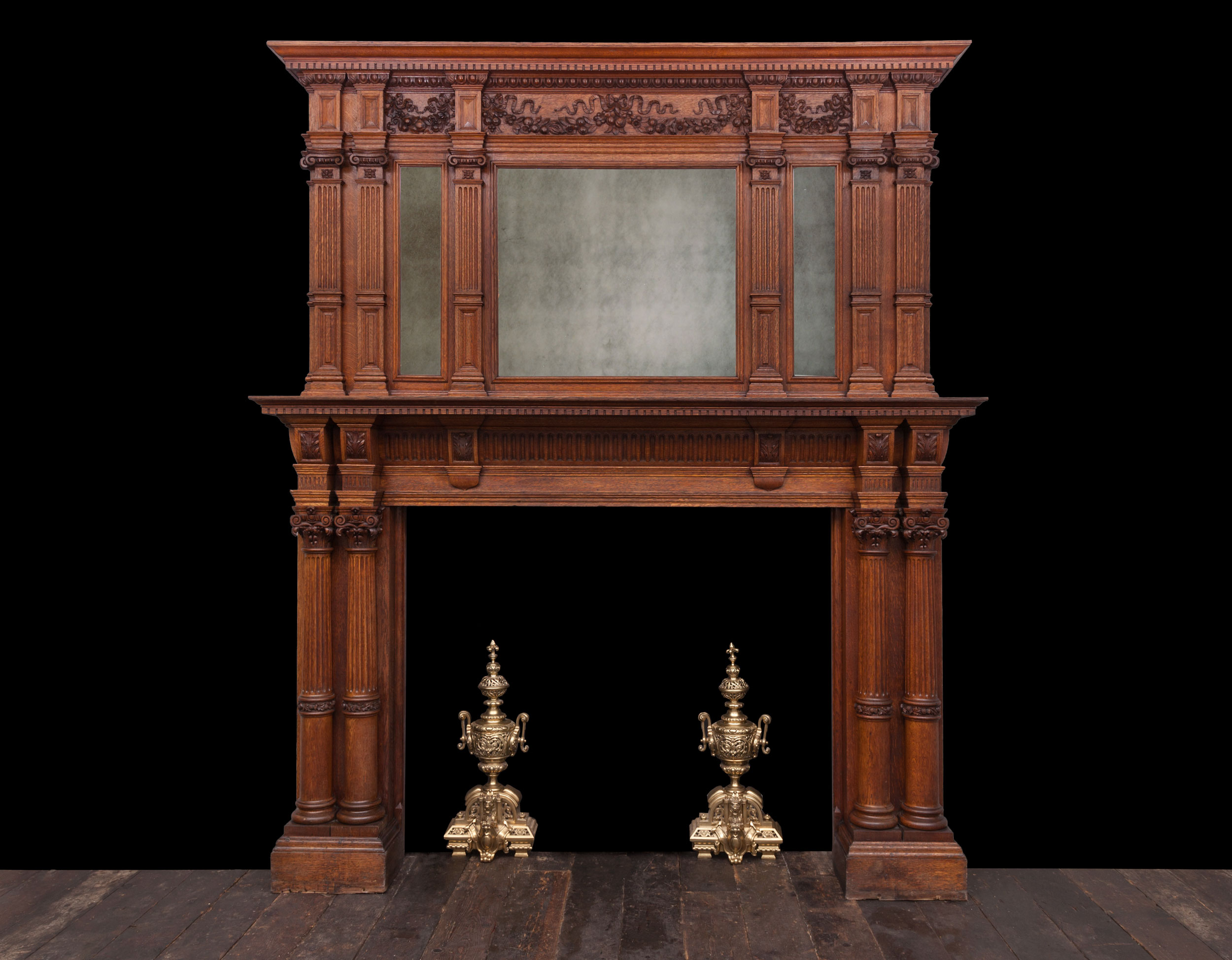
Style and Decorate Wide Mantels
To effectively decorate my 60-inch mantel, I needed to understand how to achieve visual balance throughout the enlarged breadth without appearing congested or sparse. I observed that grouping items in odd numbers and at different heights results in more fascinating layouts than symmetrical designs. The broad width enables several focus areas and seasonal rotation of ornamental pieces.
Proportional scale of decorative elements became critical for wide mantels, since small items can appear lost against the larger surface area. I invested in larger statement pieces and learned how to combine lesser items efficiently to generate visual weight that was appropriate for the mantel’s width. This strategy keeps the mantel from appearing empty or understyled.
Color coordination throughout the entire mantel breadth necessitates careful attention to create coherent appearances that fit my room’s overall design plan. I utilize a constant color scheme to bind the presented products together while allowing for seasonal fluctuations. The large surface offers numerous chances for creative decorating while preserving visual harmony throughout my living area.
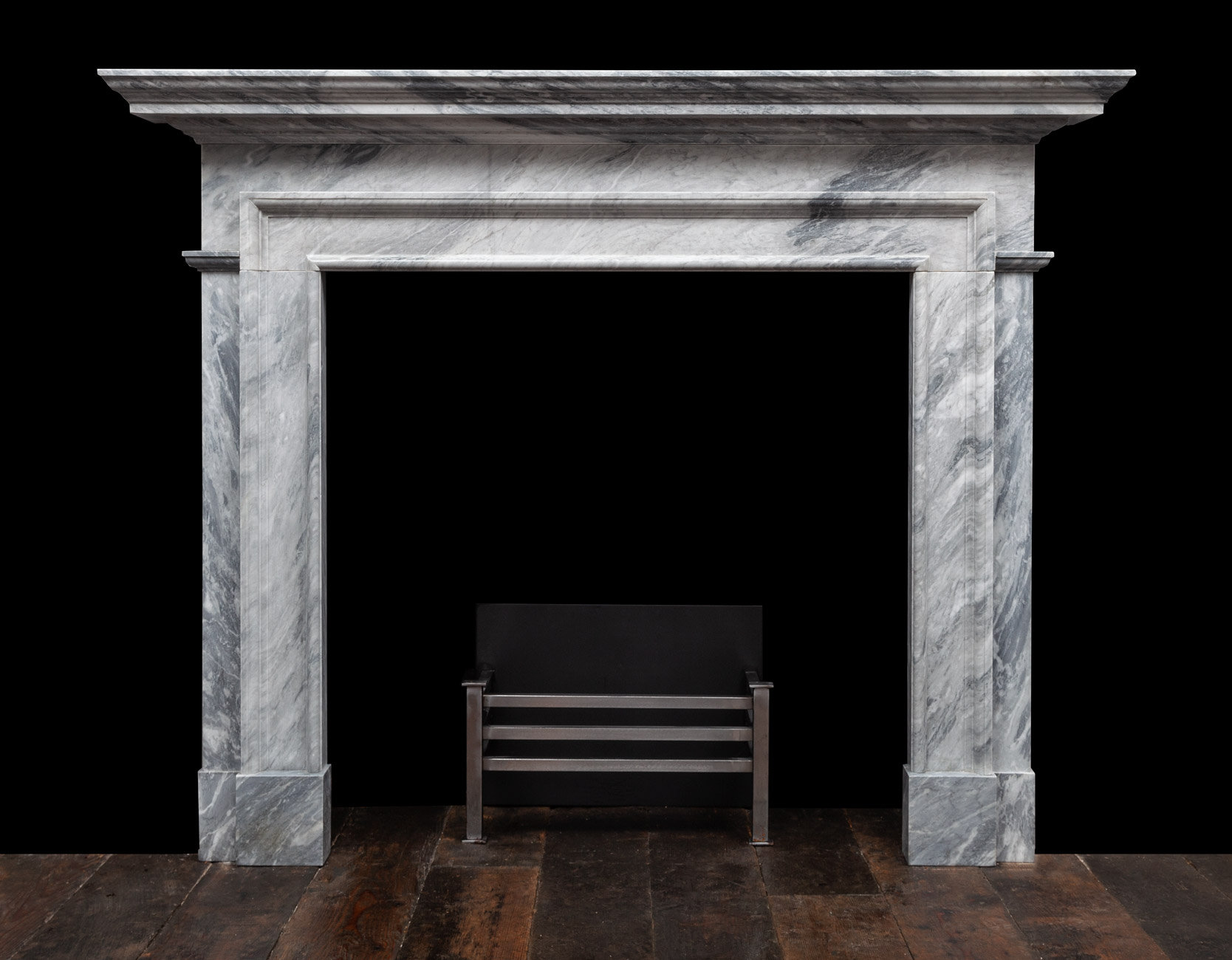
What is the best mantel width for a 30-inch fireplace opening?
For a 30-inch fireplace opening, I recommend a mantel width of 42-54 inches, extending 6-12 inches on each side. Consider your room’s size and ceiling height, since larger areas may require wider mantels for perfect proportion. My experience has shown me that using the one-third to one-half wall width ratio generally yields better results than exact fireplace opening measurements, particularly in large rooms with high ceilings.
Can a mantel be too big for the room?
Yes, mantels can overpower smaller spaces if they are too large for the size. I discovered this firsthand when I considered a 72-inch mantel for my room, which would have dominated the wall excessively. In general, mantels should not exceed half the width of your wall and should provide enough space for other wall features such as artwork or windows. When deciding on width, consider furniture placement and traffic movement.

How do you determine the mantel width for corner fireplaces?
Corner fireplaces demand different width considerations since they are viewed from multiple perspectives and have distinct spatial relationships. I recommend measuring the available wall space on both sides of the corner and choosing a width that is balanced from all angles. Corner mantels should be 20-30% thinner than wall-mounted counterparts to avoid overwhelming the angled installation and preserve suitable proportions.
What structural support is necessary for wide mantels?
Wide mantels require more extensive support than regular ones, with mounting points every 16-24 inches across the width. I added blocking between the wall studs to provide continuous support for my 60-inch mantel. Heavy materials such as solid wood or stone may necessitate steel brackets or skilled engineering assistance. For safe and secure mounting, always follow the manufacturer’s installation requirements as well as local building codes.
Do wide mantels complement modern minimalist designs?
Wide mantels can look great in minimalist designs when they have clear lines and basic profiles rather than elaborate embellishments. I’ve seen wonderful examples of wide, sleek mantels making big horizontal statements to compliment modern architecture. The idea is to use appropriate materials such as steel, concrete, or simple wood designs that emphasize breadth with clean geometry rather than decorative embellishments or intricate molding profiles.
How does mantel width impact heating efficiency?
Wider mantels can actually improve heating efficiency by distributing warm air more evenly across the room, rather than allowing it to rise directly up the chimney. However, mantels that reach too far beyond the fireplace risk trapping heat and causing temperature concerns. I guarantee that my wide mantel extends suitably beyond the aperture while retaining the necessary clearances for safe operation and optimal heat dispersion throughout my living space.
What is the proper fireplace mantel height? – Quora
What is the proper fireplace mantel height?
Fireplace Mantel – Woodworking Talk – Woodworkers Forum

Fireplace Mantel Height?
Related Posts: