When I first explored renovating my fireplace, I had no idea how much impact the brick color might have on the entire area. The conventional red bricks were archaic, but I wasn’t sure what alternatives might work better. After gathering samples and comparing them to my wall colors at various times of day, I realized how radically brick tones can change the ambiance of a room. Cool gray bricks produced a futuristic atmosphere, while warm terracotta added comforting classic charm. I eventually decided on a blended palette of buff and taupe bricks to compliment my neutral decor while offering minor visual appeal. The transition showed me that the color of fireplace brick has a greater impact on lighting, perceived space, and overall beauty than any other architectural aspect.
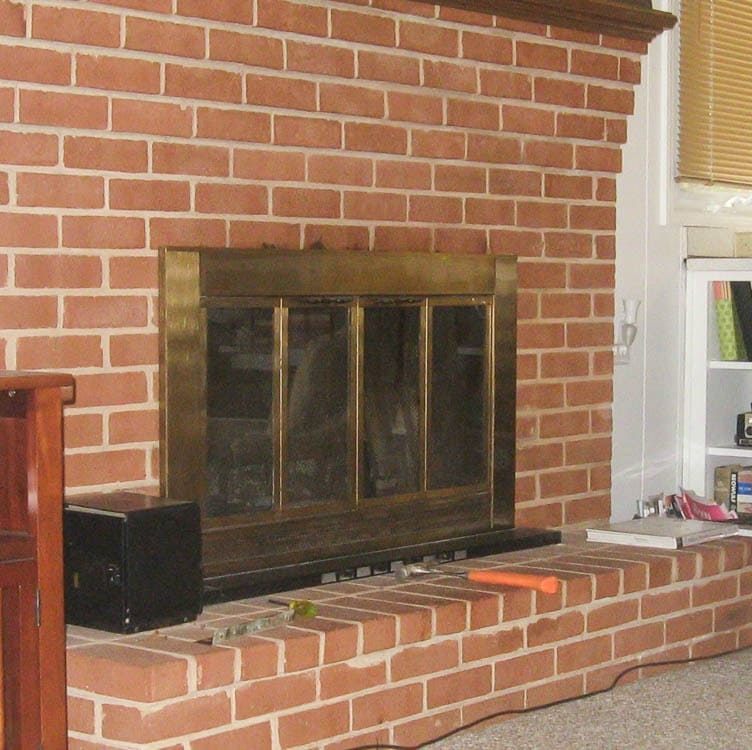
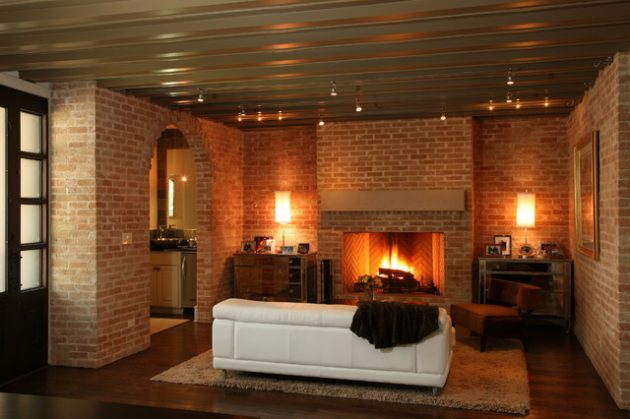
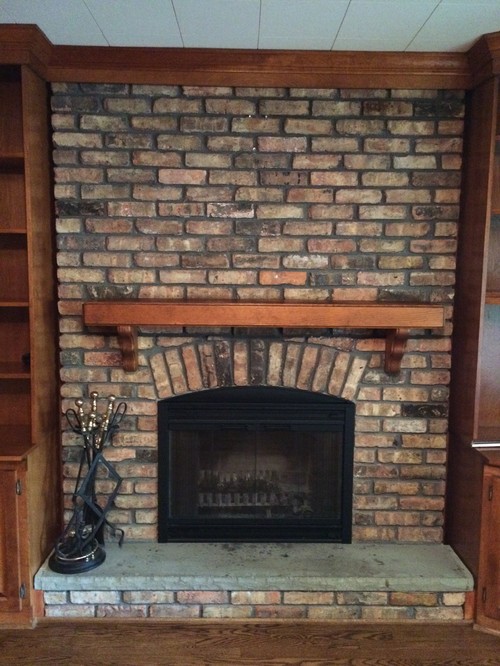
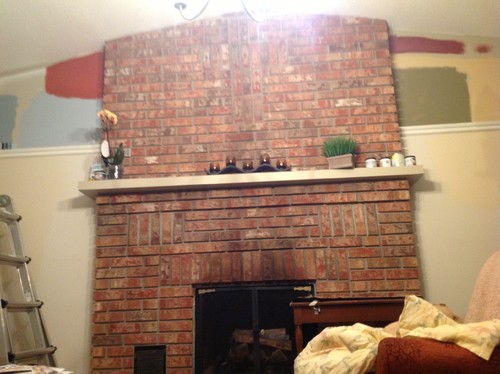
Red brick fireplaces have a traditional allure, but they can overpower a room if not balanced appropriately. I tried with numerous hues, ranging from vivid scarlet to subdued burgundy, to understand their impact. Bright red bricks create the instant focal point, necessitating accompanying decor in bright, contrasting colours. Weathered reds with gray undertones merge better with modern furnishings. When a full replacement is not an option, whitewashing or German schmear procedures might be used to soften harsh reds. My neighbor’s century-old home demonstrated how original red brick develops a lovely patina over time, which I considered when deciding whether to paint or keep my own fireplace.
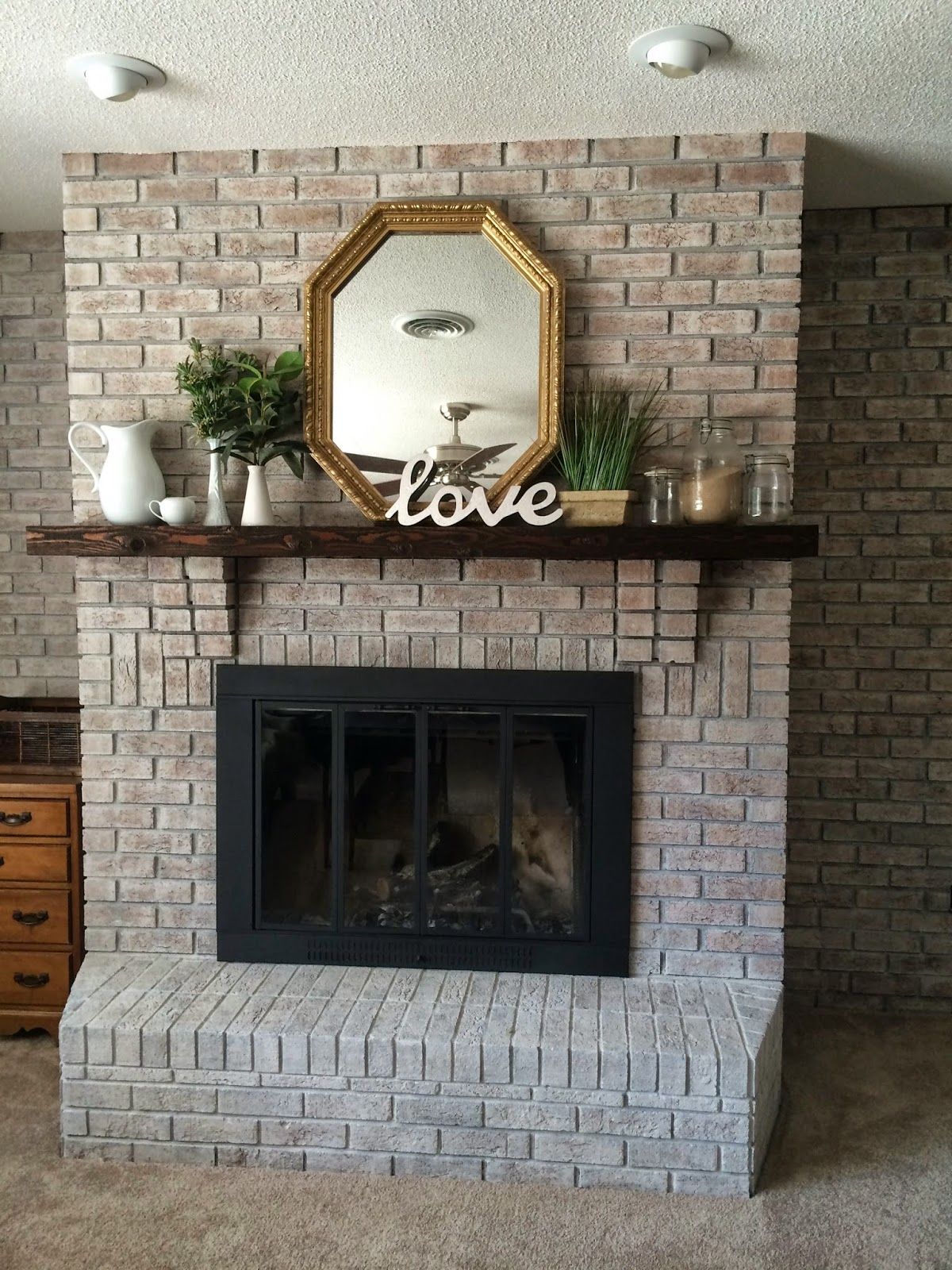
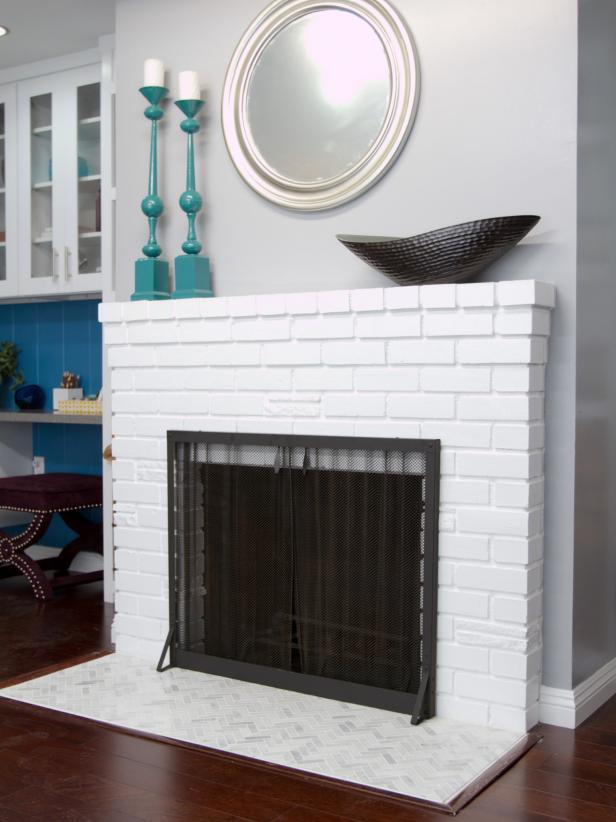
White brick fireplaces provide an airy, bright appearance that brightens up modest spaces. When examining white brick samples, I noted how the light reflected differently throughout the day. Crisp white bricks protected my north-facing living room from seeming dreary, and creamy off-whites brought warmth to a friend’s basement recreation room. The maintenance, however, surprised me because white reveals soot and smoke stains more visibly than darker colors. I decided against pure white for my wood-burning fireplace but liked how it looked in homes with gas inserts. White brick’s clean lines complement modern farmhouse and coastal interior trends, which I adore.
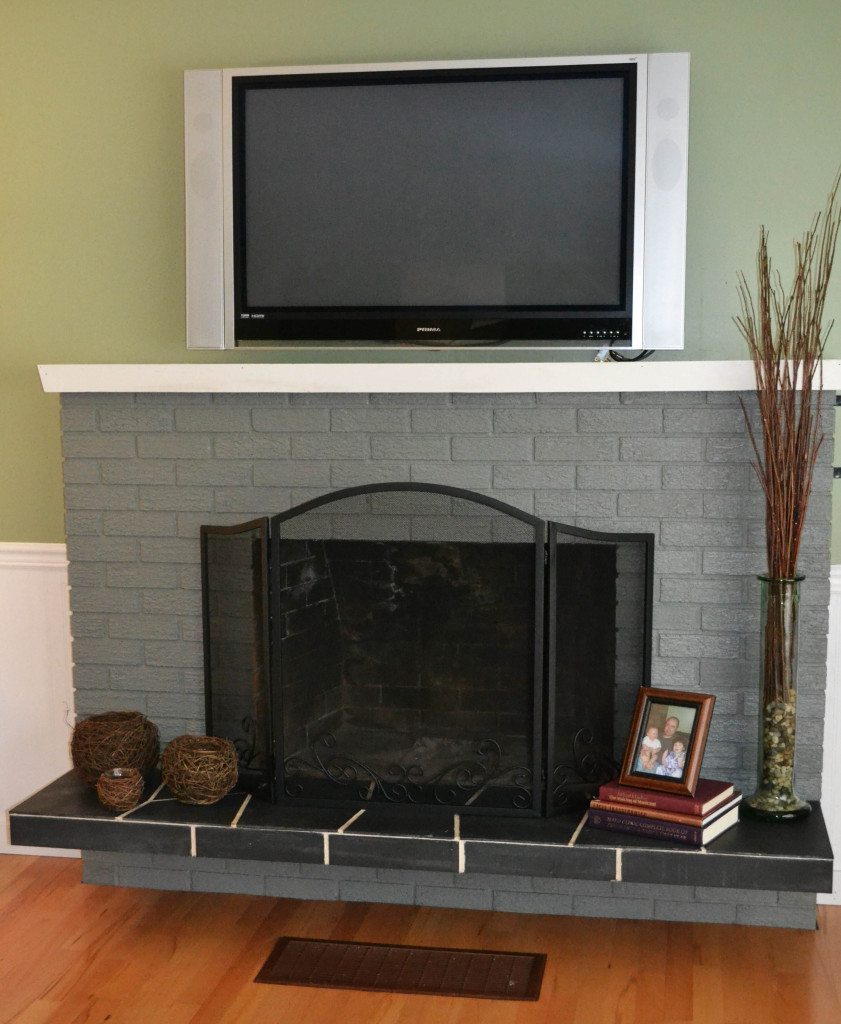
Gray brick fireplaces offer subtle neutrality that adapts to changing décor. Gray bricks are incredibly versatile, ranging from pale silver to deep charcoal. Cool grays suited my stainless steel appliances in the neighboring kitchen, while warmer greige tones coordinated with my wood flooring. I liked how gray brick doesn’t compete with artwork or furnishings in the way that brighter hues can. The mason demonstrated how using different gray bricks in the same fireplace gives subtle dimension without overwhelming pattern. This layered method adds dimension to what could otherwise be a bland, repetitive appearance. Gray’s chameleon-like properties make it my top pick for homeowners who constantly change their color palettes.
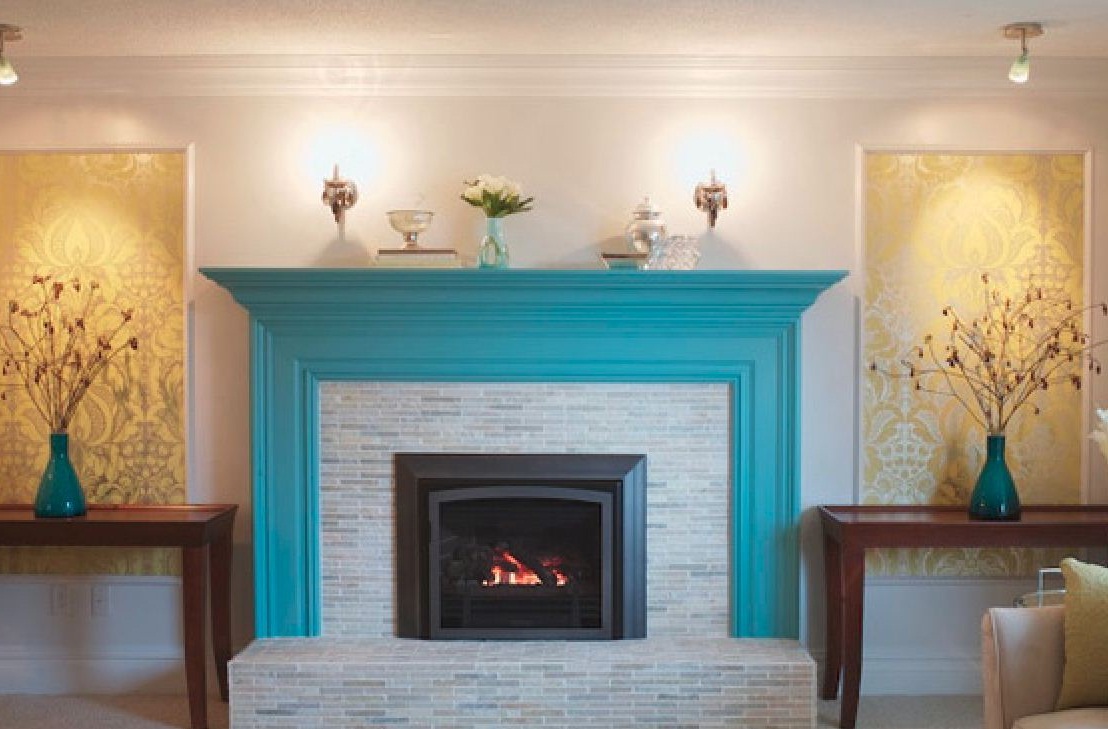
Black brick fireplaces create a big statement, which I initially thought daunting. After seeing a few homes with black brick accents, I realized how well they anchor a room. The idea is to balance the gloom with appropriate illumination and shiny surfaces. Glossy black bricks in a friend’s apartment produced amazing light play, whilst matte black in a rustic cottage absorbed light for warm intimacy. I discovered that black works best when the surrounding walls are light-colored to avoid a cave-like feeling. Though too daring for my historic home, black brick remains an eye-catching option for modern rooms seeking high-contrast sophistication.
Earth tone bricks work well with natural materials and organic decor trends. The taupe, sand, and buff bricks that I examined provided warmth without the intensity of conventional red. These neutral tones blended wonderfully with my wood beams and stone accent wall, providing a harmonious flow. I discovered that earth tones camouflage soot and ash better than light colors, which is beneficial for wood-burning fireplaces. The mason illustrated how different earth-toned bricks used in the same installation imitate actual geological layers. This approach gives my fireplace an artisan feel while being neutrally versatile. Earth tones have been my preferred option for homeowners seeking modest differentiation without overwhelming presence.
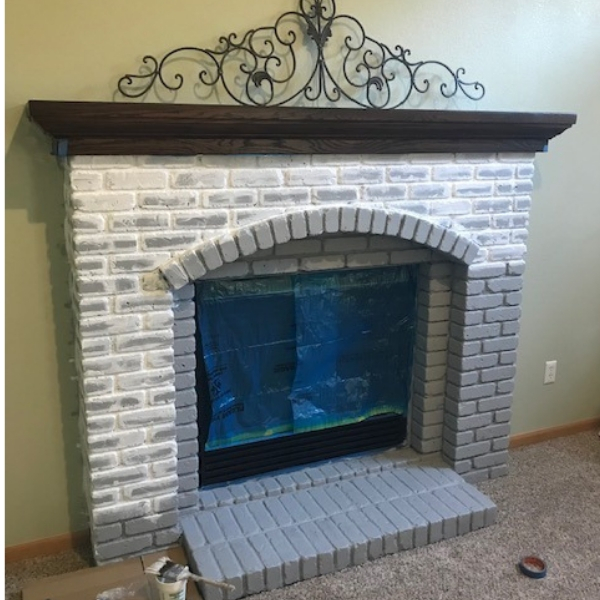
Painted brick fireplaces allow you greater color versatility, but they must be carefully considered. Before deciding to paint, I tried different treatments on sample bricks to see how they affected the texture and appearance. Solid paint hides the brick’s inherent character, whereas whitewash or limewash treatments keep some variance. I favored a German schmear application, which enabled the underlying brick color to show through the mortar-heavy layer. Proper preparation is required for the process, which may include thorough cleaning and, in some cases, a bonding primer. While painted brick allows for future color changes, the decision feels more definitive than simply swapping out design elements. I saved this choice for dated brick that couldn’t be recovered by washing or staining alone.
Glazed brick fireplaces add a pop of color and are simple to keep clean. The ceramic-coated bricks I saw in a showroom came in a variety of brilliant colors, from emerald green to cobalt blue, and all had a protective glossy sheen. While the glazed choices were too bright for my taste, they did show how color can convert a fireplace into artwork. More subdued glazed bricks in metallic treatments added sophistication without overwhelming color. The non-porous surface is stain resistant and easy to clean, making it excellent for families with children or those who entertain frequently. Though more expensive than ordinary brick, glazed variations add a particular flavor to design-forward settings. I admired them in modern homes where the fireplace is used as a sculptural focus.

Mixing brick colors results in unique looks that typical palettes cannot duplicate. The mason who built my fireplace combined three complementary colors in a seemingly random arrangement to provide depth. We used darker bricks near the fireplace to reduce soot visibility, and lighter tones further up to reflect light. This procedure needed considerable planning but resulted in a unique feature. Friends accomplished similar results by combining new and reused bricks for an eclectic look. The method is especially effective for homeowners seeking individual style without using bold colors or odd materials. My mixed-tone fireplace is constantly complimented for its handcrafted quality.
The final decision on fireplace brick color is influenced by your home’s architecture, lighting, and personal preferences. What began as a daunting decision became into an exciting design challenge after I grasped how color effects perception. Samples viewed at various times of day avoided costly mistakes, while long-term décor planning ensured ageless appeal. My taupe and buff brick fireplace now acts as a subtle anchor in the room, complementing rather than competing with the other components. For anyone facing this issue, I advocate looking beyond traditional red to find colors that actually complement your area and lifestyle.
What effect does brick color have on heat absorption in a fireplace?
Darker brick tones absorb and radiate heat more efficiently than lighter colors. When both burn evenly, my friend’s black brick fireplace feels noticeably warmer than mine. However, new fireplaces with adequate insulation reduce practical differences. Lighter bricks may have more visible soot markings around the firebox. If your fireplace is largely cosmetic, consider heat reflection, as dark bricks in sunny rooms can make the space uncomfortably warm.
Is it possible to modify the brick color without replacing the fireplace?
There are several ways to change the color of bricks without removing them completely. I tested staining on sample bricks, and it penetrates rather than coatings like paint. Limewashing gives a worn, translucent appearance, whilst German schmear provides more coverage. If the issue is discoloration, professional cleaning can restore the original brick color. For dramatic alterations, brick veneers or tile overlays provide new surfaces over old structures. Each choice has unique durability and maintenance requirements.
What brick hues are suitable for wood-burning fireplaces?
Terracotta, warm gray, and brown are the best mid-tone earthy hues for hiding soot around fireboxes. My taupe bricks disguise ash better than white and reflect more light than black. Avoid using glossy finishes near flames because they reveal more smoke residue. Some homeowners utilize darker brick around the fireplace opening and lighter tones elsewhere. With wood fires, regular cleaning helps to keep the beauty of any brick.
How do you select a brick color for a historic home?
Researching original brickwork from your home’s era provides genuine inspiration. Following the removal of previous paint, I matched the fireplace in my 1920s cottage to the existing exterior brick. Local historical societies frequently provide resources for period-appropriate materials. If the original brick is damaged, modern copies can replicate the appearance of old brick. Preserving or reproducing ancient mortar hues is also essential for appropriate repair.
Which is the most timeless fireplace brick color?
Neutral earth tones like as buff, warm grey, and soft white have proven to be the most flexible in my experience. These tones are more adaptable to decor alterations than bright colors. My blended taupe bricks have already worked with three distinct wall colors. Traditional red brick remains iconic, but often dominates color schemes over more subtle ones. When making your selection, keep your long-term design goals in mind, rather than merely current trends.
How does brick color affect room lighting?
Light-colored bricks reflect ambient light, enhancing rooms significantly. My pale taupe fireplace makes my north-facing living room feel brighter. Dark bricks absorb light, producing a pleasant atmosphere but necessitating additional artificial lighting. Glossy brick surfaces enhance light effects, whilst matte finishes produce softer diffusion. Test samples at various times to see how color interacts with the natural light in your environment.

Orange fireplace. Paint fireplace, Painted fireplace mantels, Painted brick fireplaces

How to update brick fireplace with paint
White Painted Brick Fireplace With Herringbone Tile Hearth
Which color with red brick fireplace?
Related Posts: