When I first walked into our 1920s farmhouse, the living room felt incomplete despite its soaring ceilings and original hardwood floors. The fireplace sat there like a blank canvas, begging for character and warmth that only the right mantel could provide. After months of Pinterest scrolling and hardware store visits, I learned that creating the perfect farmhouse mantel isn’t just about following trends; it’s about understanding your space and honoring the authentic charm that makes farmhouse style so enduring and beloved.
My journey started with reclaimed barn wood, which seemed like the obvious choice for authentic farmhouse appeal. I sourced weathered chestnut beams from a local salvage yard, each piece telling its own story through nail holes and natural patina. The key was finding pieces with the right proportions for my 8-foot ceiling height. I learned that mantel depth matters tremendously, settling on an 8-inch deep shelf that provides enough space for seasonal decorations without overwhelming the room’s scale or blocking the natural light from nearby windows.

The installation process taught me more about structural support than I ever expected to learn. My original plan for a simple floating mantel quickly evolved when I realized the weight of solid reclaimed wood required serious anchoring. Working with a carpenter friend, we located the wall studs and installed a hidden cleat system that distributes weight evenly across multiple attachment points. This invisible support method maintains the clean, floating appearance while ensuring the mantel can safely hold holiday stockings, heavy pottery, and seasonal greenery displays.
Color choice became surprisingly complex once I started considering how the mantel would interact with my existing decor. While I initially envisioned keeping the natural wood finish, I ultimately decided on a soft weathered gray stain that complements my white shiplap walls and vintage brass fixtures. This choice allows the wood grain to show through while creating a more cohesive look with my neutral color palette. The subtle gray undertones bridge the gap between rustic authenticity and modern farmhouse sophistication.

Styling my new mantel became an ongoing creative project that changes with each season. My base layer consists of items that rarely move: a large vintage clock as an anchor piece, two matching lanterns for symmetry, and a collection of old books with worn leather covers. These permanent elements provide structure for seasonal additions like fresh eucalyptus branches, small potted herbs, mason jar arrangements, or holiday garland. The key is maintaining visual balance while allowing personality to shine through carefully chosen accessories.
I discovered that mantel proportions dramatically affect the entire room’s visual weight and flow. My 6-foot wide mantel shelf sits 54 inches from the floor, creating perfect proportions for my 9-foot ceiling height. The supporting corbels extend 12 inches down the wall, providing architectural interest without overwhelming the space. These measurements create a golden ratio that feels naturally pleasing to the eye and maintains the room’s comfortable, inviting atmosphere that defines great farmhouse design.

The surrounding elements required just as much consideration as the mantel itself. I added board and batten wainscoting below the mantel to create visual continuity with the home’s original millwork. Above the mantel, I hung a large vintage-style mirror that reflects light from the opposite windows, making the entire space feel brighter and more open. The mirror’s simple wooden frame echoes the mantel’s finish, creating a cohesive look that doesn’t compete for attention but rather enhances the overall design.
Maintenance has proven refreshingly simple compared to more ornate mantel designs. The sealed wood finish resists dust and moisture, requiring only occasional cleaning with a microfiber cloth and gentle wood cleaner. Seasonal styling changes give me opportunities to inspect the mounting hardware and ensure everything remains secure. The natural variations in the reclaimed wood actually help hide minor scratches or dings that occur during decoration changes, making this a practical choice for busy family life.
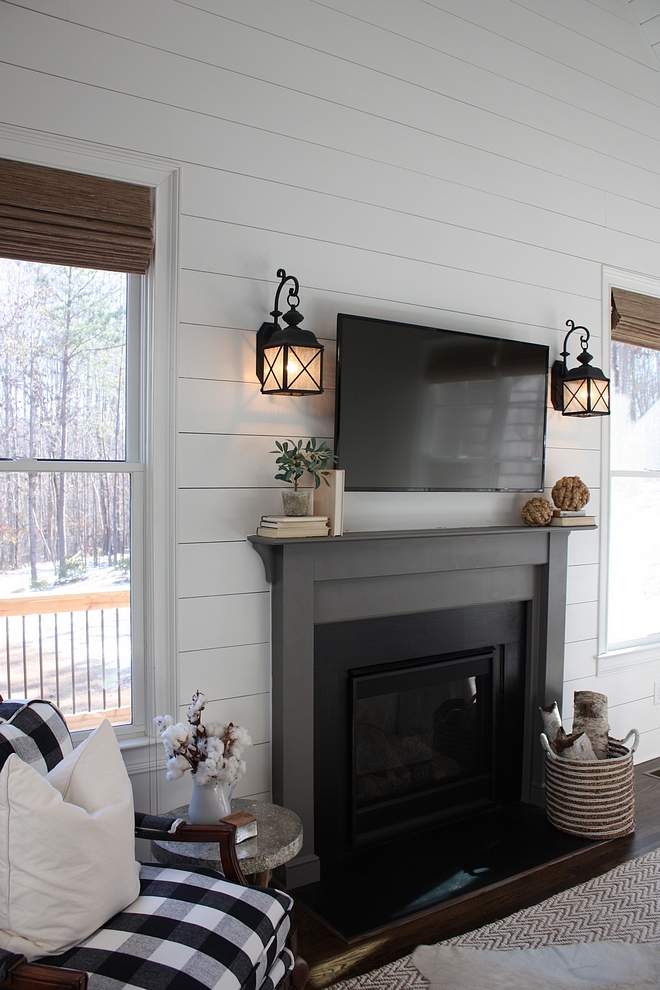
The lighting around my mantel created opportunities for both functional and ambient illumination. I installed picture lights above the mantel to highlight artwork and create warm evening ambiance. Small battery-operated LED lights tucked behind garland during holidays add magical sparkle without requiring additional electrical work. The lanterns hold pillar candles that provide gorgeous flickering light during dinner parties, though I always use LED candles for safety when the fireplace is in operation.
After living with my farmhouse mantel for two years now, I can confidently say it has become the heart of our home. Friends gravitate toward the fireplace during gatherings, children leave drawings propped against the mantel after school, and I find myself naturally arranging fresh flowers there each week. The combination of authentic materials, thoughtful proportions, and personal styling has created exactly the warm, welcoming focal point I envisioned when we first bought this house. It proves that sometimes the simplest designs create the most lasting impact.
How do I choose the right size mantel for my fireplace opening?
I learned that mantel width should extend 6-12 inches beyond each side of the fireplace opening for proper visual balance. My fireplace opening is 42 inches wide, so my 6-foot mantel provides perfect proportions. For depth, I recommend 6-10 inches, depending on your ceiling height and room size. Taller ceilings can handle deeper mantels, while lower ceilings look better with shallower profiles that don’t overwhelm the space.
What’s the best way to find authentic reclaimed wood for a farmhouse mantel?
I had great success with local salvage yards, barn demolition companies, and antique architectural dealers. Facebook Marketplace often has people selling reclaimed beams from property renovations. The key is inspecting for structural integrity, checking for pest damage, and ensuring the wood hasn’t been treated with harmful chemicals. Expect to pay more for quality pieces, but authentic patina and character are worth the investment for true farmhouse appeal.

Should I hire a professional for mantel installation, or is this a DIY project?
While I’m fairly handy, I consulted a carpenter for the structural support system. Heavy reclaimed wood mantels require proper wall anchoring and weight distribution that goes beyond simple bracket installation. I handled the finishing and styling myself, but having professional guidance on the mounting hardware gave me confidence that the mantel would safely support decorative items and seasonal displays without compromising wall integrity.
How do I style a farmhouse mantel without making it look cluttered?
My rule is the triangle principle: arrange items in odd numbers with varying heights to create visual triangles. I use large anchor pieces like clocks or mirrors, medium items like lanterns or vases, and small accents like candles or books. Leave plenty of negative space, and stick to a cohesive color palette. I change seasonal elements while keeping core pieces constant, which maintains visual stability while allowing for creative expression.

What finish works best for farmhouse mantels in terms of both style and durability?
I chose a weathered gray stain with polyurethane topcoat for protection against moisture and wear. Natural oil finishes look authentic but require more maintenance. Paint in soft whites, creams, or grays works well for a more refined farmhouse look. Whatever finish you choose, proper sealing is crucial since mantels face heat, humidity, and frequent handling during decoration changes. Test finishes on scrap wood first to ensure you love the result.
How much should I budget for a quality farmhouse mantel project?
My reclaimed wood cost $300, hardware and installation supplies ran $150, and professional consultation was $200, totaling around $650. Simple pine or poplar mantels can cost $200-400, while premium reclaimed materials might run $500-1000. Factor in professional installation if needed, which typically adds $300-600. The investment is worthwhile considering how much impact a well-designed mantel has on your entire living space’s character and value.

Rustic fireplace! Rustic fireplaces, Fireplace remodel, Diy fireplace

DIY Farmhouse Fireplace – Liz Marie Blog

Fall mantel decor ideas you don’t want to miss – Farmhousehub
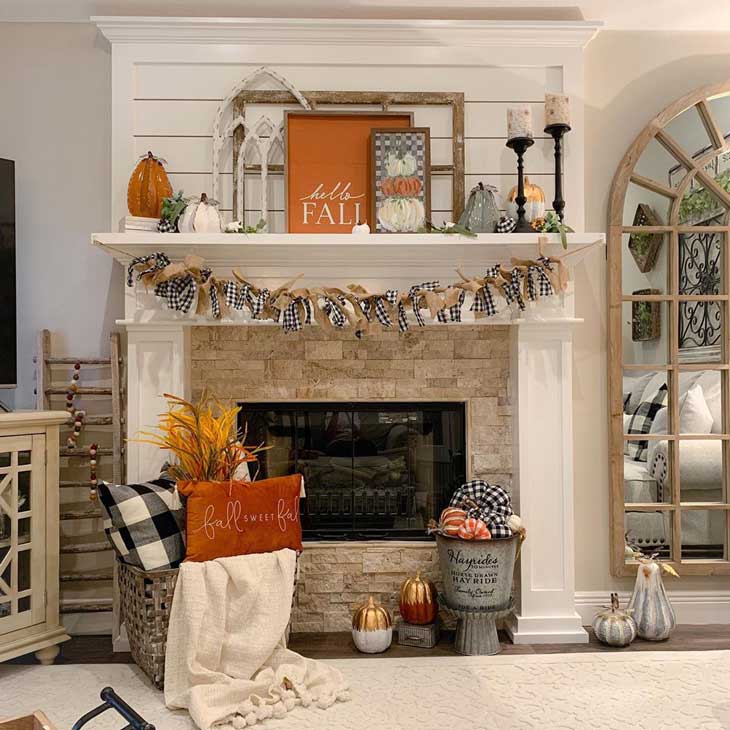
Rustic Farmhouse Living Room Decor Ideas for Your Home
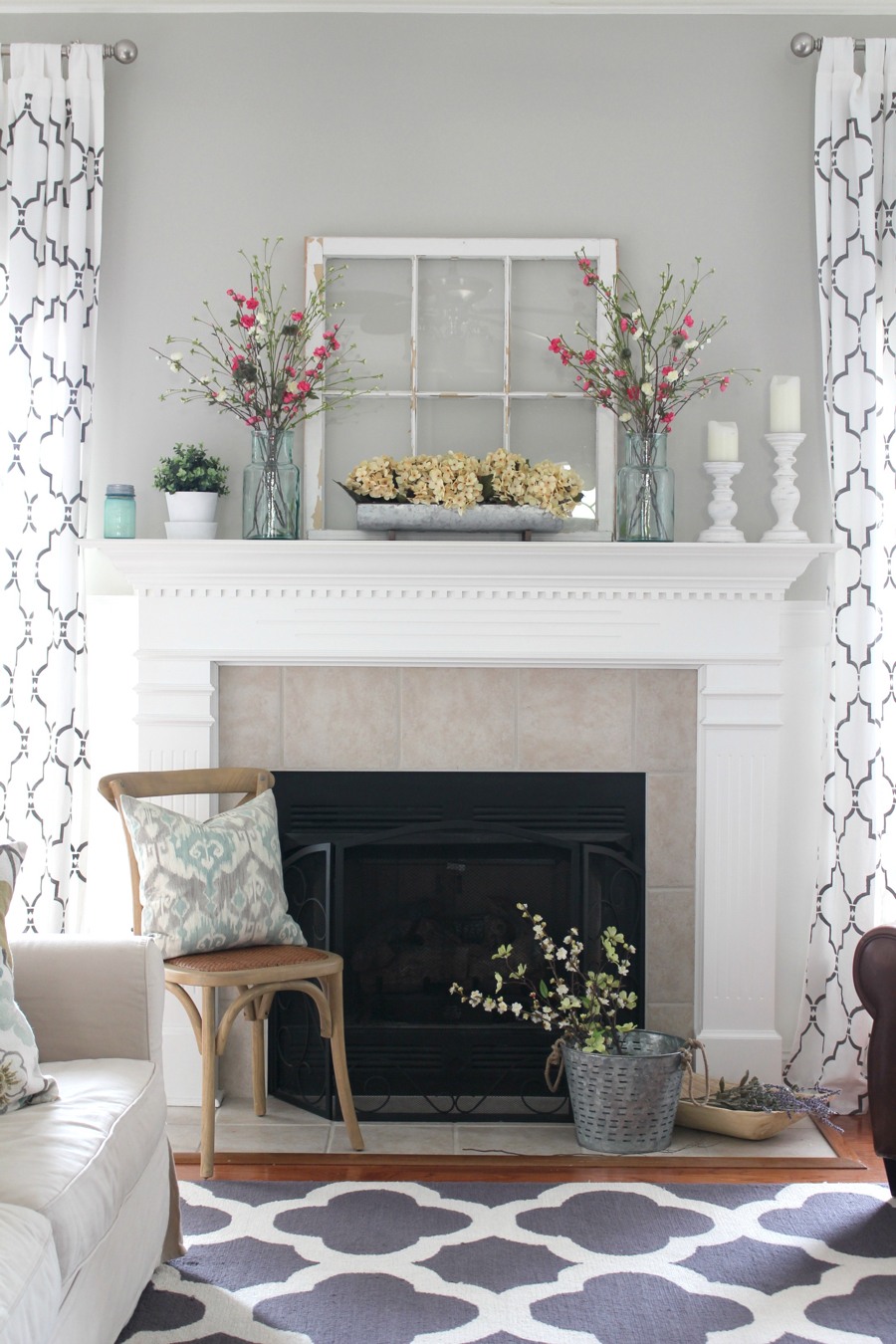
Inspiring and Lovely – Fireplace Mantels images on Pinterest Fire places, Fireplace

Living Room Farmhouse fireplace mantels, Fireplace mantel decor, Farm house living room

Painted brick, wood mantel and shiplap. Minus the hid-a-tv. Grandmothers mirror will look much

Related Posts: