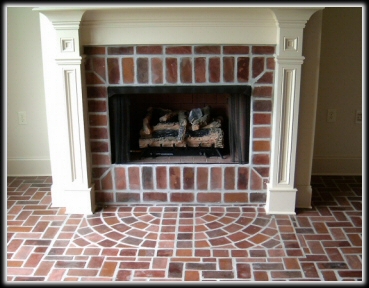
My living room always felt a bit unfinished, a key element missing to truly make it the cozy heart of my home. The existing brick fireplace, while structurally sound, felt dated and didn’t quite align with my evolving personal style. Its reddish hue and somewhat traditional design seemed out of sync with the lighter, more contemporary aesthetic I was aiming for. I began to envision a fireplace remodel, a transformation that would not only update its appearance but also enhance its role as a focal point in the room. This sparked a journey of research and planning, exploring various design options and material choices to breathe new life into this central feature. I knew this project had the potential to significantly alter the entire ambiance of my living space.
As I started to explore different remodel ideas, I considered a range of approaches. One option was to simply paint the existing brick. This seemed like a relatively cost-effective and straightforward way to change the color and offer a fresh look. I looked at numerous examples of painted brick fireplaces, noting how a coat of white or a soft gray could instantly modernize the space. However, I also wondered about the long-term maintenance of painted brick and whether it would truly achieve the textural change I was also seeking. Another avenue I considered was adding a new surround and mantel, perhaps incorporating wood or stone elements to create a different feel. This approach offered more opportunity for stylistic variation and could introduce new materials to the existing brick.
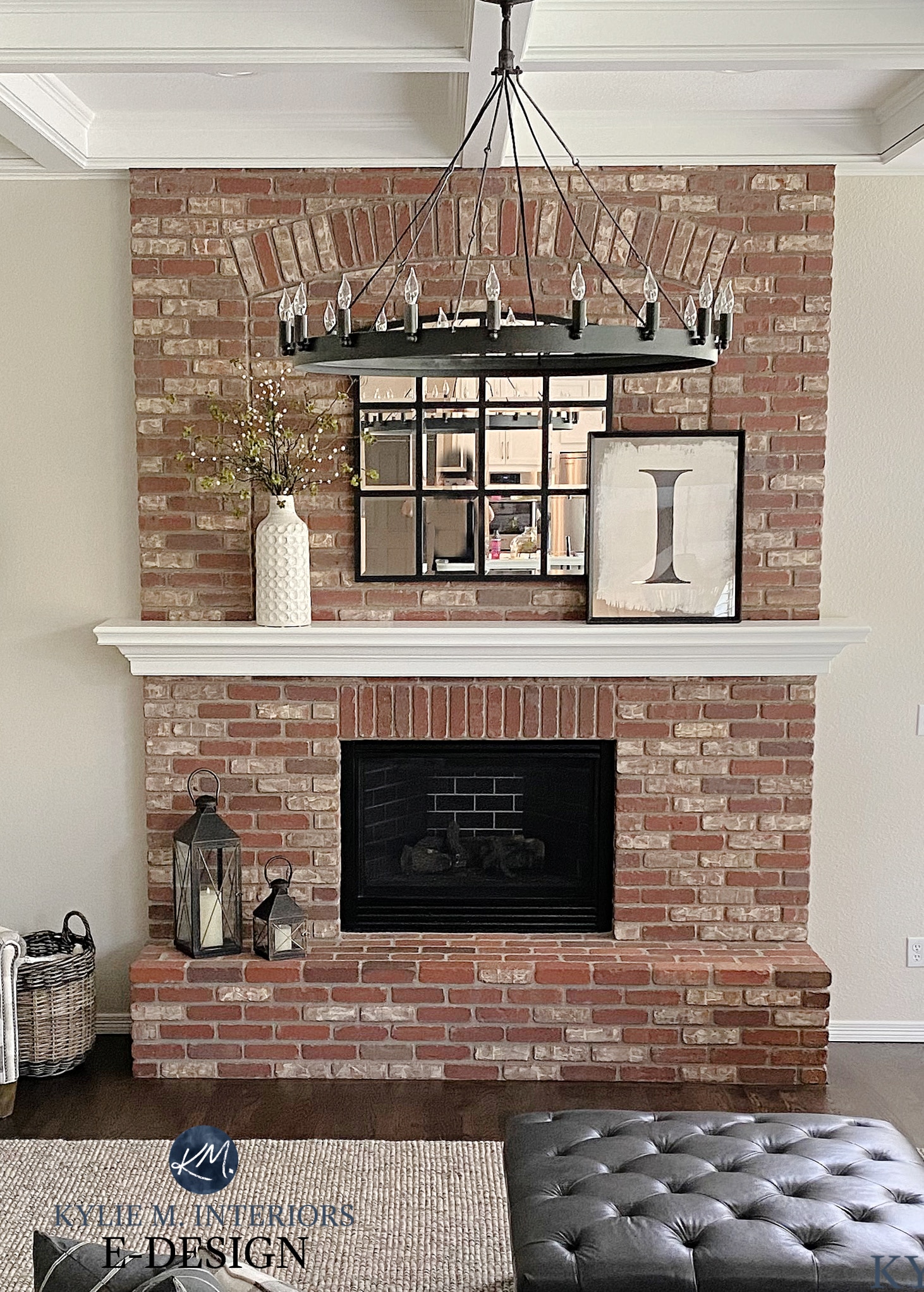
The idea of completely refacing the brick also captured my attention. This involved covering the existing brick with a new material, such as tile, stone veneer, or even a thin layer of concrete. This option seemed like it could offer the most dramatic transformation, allowing me to completely alter the texture and color of the fireplace. I spent time looking at various fireplace refacing projects, admiring how different materials could create vastly different styles, from sleek and modern to rustic and charming. The sheer variety of materials available was inspiring, yet also a bit overwhelming as I tried to narrow down what would best suit my space and my personal taste.
Among the refacing options, the idea of using stone veneer particularly appealed to me. Stone veneer offered the look and feel of natural stone but was significantly lighter and often more cost-effective. I liked the texture and natural variations in color that stone could bring, adding a sense of warmth and earthiness to the room. I explored different types of stone veneer, from stacked stone to ledgestone, each offering a unique visual impact. I imagined a stone-faced fireplace becoming a beautiful and inviting focal point, adding a touch of natural elegance to my living space. The relative ease of installation compared to full-thickness stone was also a point in its favor.

Another intriguing possibility was tiling the fireplace. Tile offered a vast array of colors, patterns, and textures, allowing for a high degree of customization. I considered everything from large format tiles for a sleek, contemporary look to smaller mosaic tiles for a more intricate and artistic feel. The durability and ease of cleaning of tile also made it a practical choice for a fireplace surround. I envisioned a beautifully tiled fireplace adding a unique design element to the room, perhaps incorporating a bold color or an interesting geometric pattern to make a real statement. The versatility of tile seemed to offer endless possibilities for creative expression.
Throughout my research, the importance of the mantel became increasingly clear. The mantel serves not only as a decorative shelf but also as a visual anchor for the fireplace. I considered various mantel materials, including wood, stone, and even reclaimed timber, each offering a different aesthetic. A rustic wooden beam mantel could add warmth and character to a stone-faced fireplace, while a sleek stone mantel could complement a more contemporary design. I realized that the mantel was an integral part of the overall fireplace design and would play a significant role in defining its style.
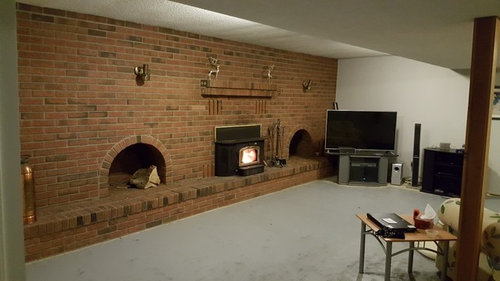
Beyond just the aesthetics, I also thought about the functionality of the fireplace. While the existing fireplace was wood-burning, I briefly considered converting it to gas for ease of use. However, I ultimately decided to keep the traditional wood-burning aspect, as I enjoyed the ambiance and the crackling sound of a real fire. This decision influenced some of my material choices, ensuring that any new surround or mantel would be appropriate for a wood-burning fireplace and meet safety standards regarding heat resistance and non-combustible materials near the firebox opening.
The process of gathering inspiration was crucial. I spent hours looking at home decor magazines, browsing online design websites, and even visiting showrooms to see different fireplace materials and styles in person. This visual research helped me to refine my own preferences and identify specific elements that I liked. I started to create a mental image of my ideal fireplace, combining elements from different sources to create a design that felt uniquely my own. This period of exploration was invaluable in helping me solidify my vision for the remodel.

As I moved closer to making a final decision, I considered the budget for the project. Remodeling a fireplace can range in cost depending on the materials chosen and the complexity of the work involved. I obtained quotes for different options, including painting, adding a surround, and refacing with stone veneer and tile. This helped me to understand the financial implications of each choice and to ensure that my design aspirations aligned with my budget. I realized that careful planning and material selection were key to achieving a beautiful remodel without overspending.
Ultimately, I decided to reface my brick fireplace with a light-colored stone veneer and install a rustic wooden beam mantel. This combination felt like the perfect balance of modern and natural, offering the updated look I desired while retaining a sense of warmth and character. The stone veneer would provide a textured focal point, and the wooden mantel would add a touch of rustic charm. I felt confident that this remodel would transform my living room, creating the cozy and inviting heart of my home that I had always envisioned. The journey of planning and envisioning this change had been exciting, and I looked forward to seeing the final result.

My brick fireplace looks outdated. What are some relatively simple ways to update its appearance without a major overhaul?
If your brick fireplace feels dated, a few straightforward options can offer a significant refresh without a complete remodel. Painting the brick is a popular and relatively inexpensive way to instantly change its color and create a more modern look. Consider a light neutral color like white or gray for a contemporary feel. Another simple update involves focusing on the mantel. Replacing an old or plain mantel with a more stylish option, perhaps made of wood or reclaimed timber, can dramatically alter the fireplace’s character. Updating the fireplace screen or adding new decorative accessories on the mantel can also contribute to a more current aesthetic.
I’m considering refacing my brick fireplace. What are some popular material choices, and what are their general characteristics?
Refacing a brick fireplace offers a great opportunity for a significant style change. Popular material choices include stone veneer, which provides the look of natural stone at a lighter weight and often lower cost, offering textures from stacked stone to ledgestone. Tile is another versatile option, available in countless colors, patterns, and sizes, allowing for sleek modern designs or intricate artistic expressions. Concrete veneer offers a more industrial or minimalist aesthetic. Each material has its own unique visual appeal, durability, and installation requirements, so considering these factors along with your desired style is important.

What are the pros and cons of painting a brick fireplace versus refacing it with a new material?
Painting a brick fireplace is a cost-effective and relatively easy way to change its color and offer a fresh look. It can instantly modernize a dated fireplace. However, paint can chip or require touch-ups over time, and it doesn’t change the texture of the brick. Refacing, on the other hand, offers a more dramatic transformation, allowing you to completely alter the texture and color by using materials like stone, tile, or concrete veneer. While refacing typically involves a higher cost and more extensive work, it provides a more significant and often longer-lasting change to the fireplace’s aesthetic.
How important is the mantel in a fireplace remodel, and what are some material options to consider?
The mantel is a crucial element in a fireplace remodel, serving as both a decorative shelf and a visual anchor for the entire fireplace design. It plays a significant role in defining the style and character of the fireplace. Material options for mantels are diverse. Wood mantels, especially those made from reclaimed timber, can add warmth and rustic charm. Stone mantels offer a more traditional or elegant feel. Metal mantels can contribute to an industrial or contemporary look. The choice of mantel material should complement the fireplace surround and the overall style of the room.

I have a wood-burning fireplace. Are there any specific material considerations for the remodel to ensure safety?
Yes, safety is paramount when remodeling a wood-burning fireplace. Any materials used for the surround or mantel near the firebox opening must be non-combustible or installed with appropriate clearances to prevent fire hazards. Stone, brick, tile, and metal are common non-combustible materials suitable for the area directly around the firebox. Wood mantels should be installed at a safe distance above the firebox opening, as specified by local building codes and the fireplace manufacturer’s guidelines. It’s always best to consult with a qualified professional to ensure that your remodel meets all safety regulations.
What is a typical budget range for a brick fireplace remodel, and what factors can influence the cost?
The budget for a brick fireplace remodel can vary significantly depending on the scope of the project and the materials chosen. A simple paint job might cost a few hundred dollars, while adding a new mantel could range from a few hundred to several thousand dollars depending on the material and complexity. Refacing with stone veneer or tile can cost anywhere from $1,000 to $5,000 or more, depending on the material cost, the size of the fireplace, and labor fees if you hire professionals. Factors influencing the cost include the type and amount of materials used, the complexity of the design, whether you hire professional installers, and any structural modifications that might be necessary. Obtaining multiple quotes from contractors can help you get a better understanding of the potential costs involved.

Stone fireplace surround, Brick fireplace makeover, Fireplace remodel

Brick wall fireplace
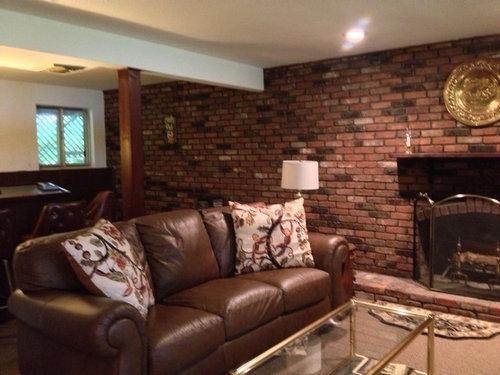
Fireplace TV ideas Stone veneer fireplace, Fireplace wall, Stacked

best images about our house on Pinterest Victorian door, Pallet walls and Raised beds

Help needed for brick wall and fireplace
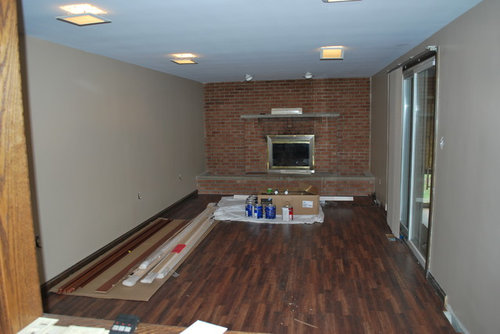
Brick Laminate Picture: Brick Fireplace Surrounds
Related Posts: