My obsession with vintage brass fireplace screens began during a weekend antique shop crawl through small towns in Vermont. Tucked between dusty furniture and forgotten collectibles, I spotted a tarnished brass screen with intricate mesh panels and ornate scrollwork that stopped me in my tracks. The dealer wanted $85 for what looked like a neglected piece, but something about its proportions and craftsmanship spoke to me. That impulse purchase transformed my living room and launched a passion for hunting down authentic vintage brass screens that continues to this day.
The restoration process taught me more about brass care than I ever expected to learn. My first screen arrived home looking like it hadn’t been cleaned in decades, with tarnish so heavy the brass appeared almost black in places. I spent hours researching proper cleaning techniques, discovering that vintage brass requires gentle methods to preserve original patina while removing harmful corrosion. Commercial brass cleaners proved too harsh, so I settled on a mixture of lemon juice and baking soda, applied with soft cloths and plenty of patience.
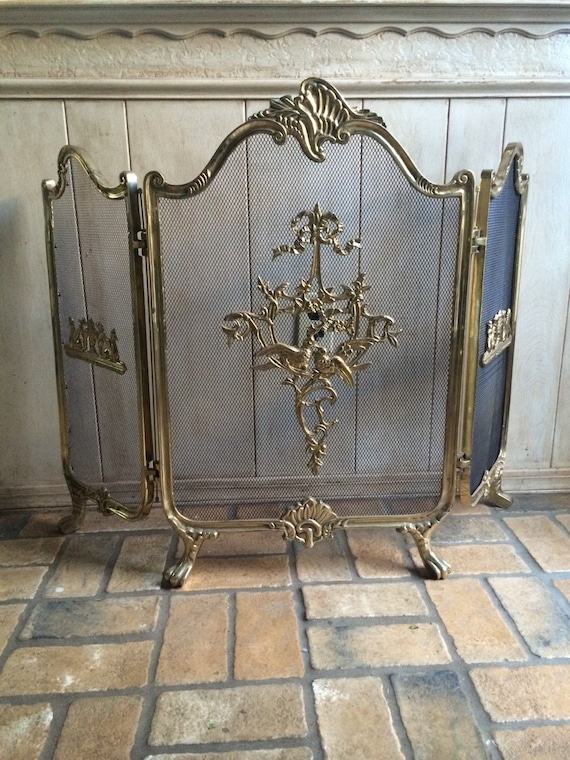
What surprised me most was how dramatically the right screen could change the entire character of my fireplace. Before finding my vintage brass screen, I’d used a basic black iron model that served its functional purpose but added nothing to the room’s aesthetic. The warm golden tones of restored brass complement my traditional furniture and Persian rug perfectly, creating a cohesive look that feels both elegant and lived-in. The screen became a focal point that draws the eye even when the fireplace isn’t in use.
Hunting for authentic vintage screens became an addictive treasure hunt that took me through estate sales, antique malls, and online marketplaces. I learned to spot reproductions from across a room by examining construction details, hinge mechanisms, and mesh patterns. Genuine vintage screens often feature hand-forged elements, irregular patination, and slight imperfections that modern manufacturing can’t replicate. The thrill of discovering an underpriced gem hidden among less desirable items never gets old.
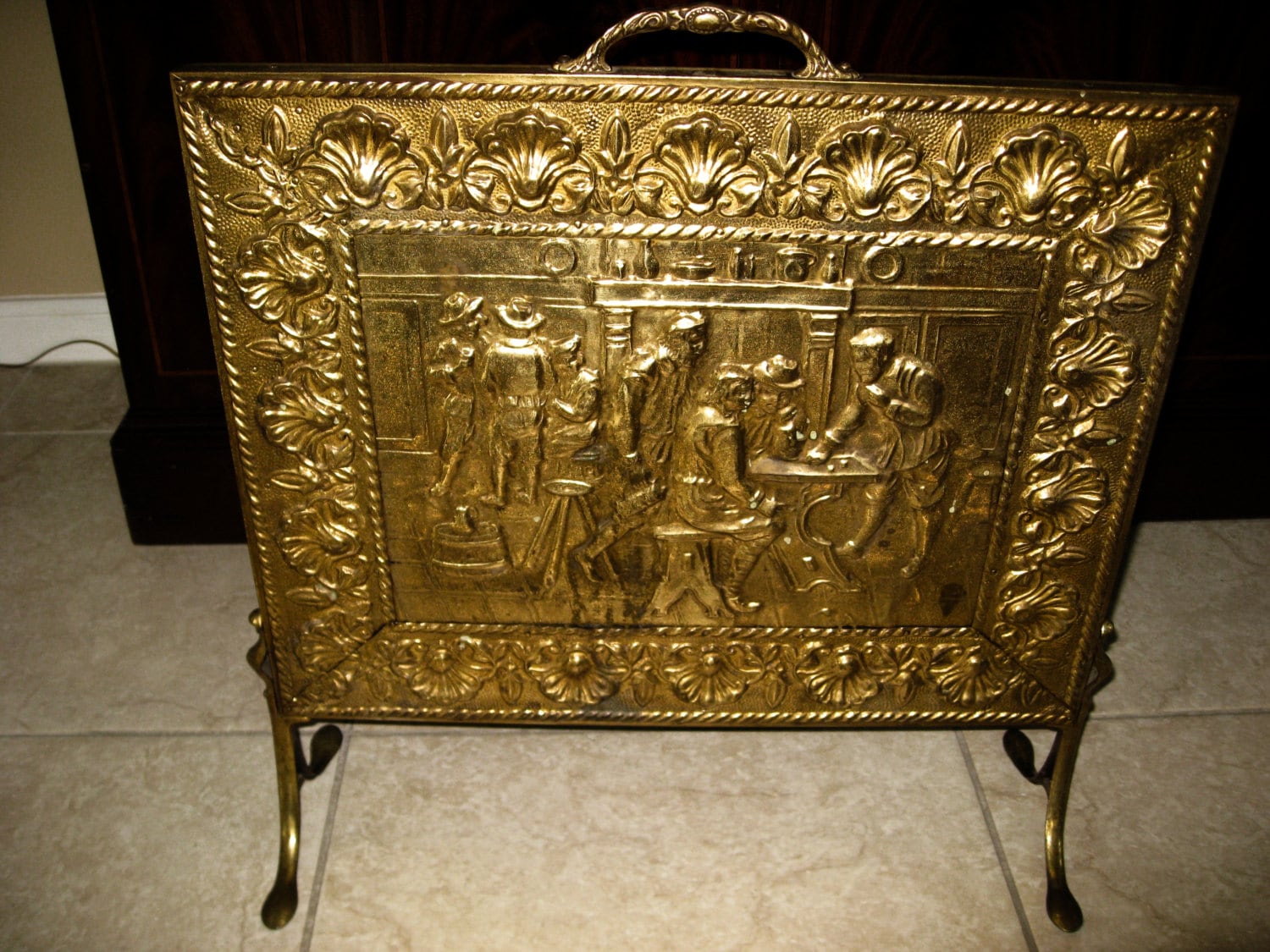
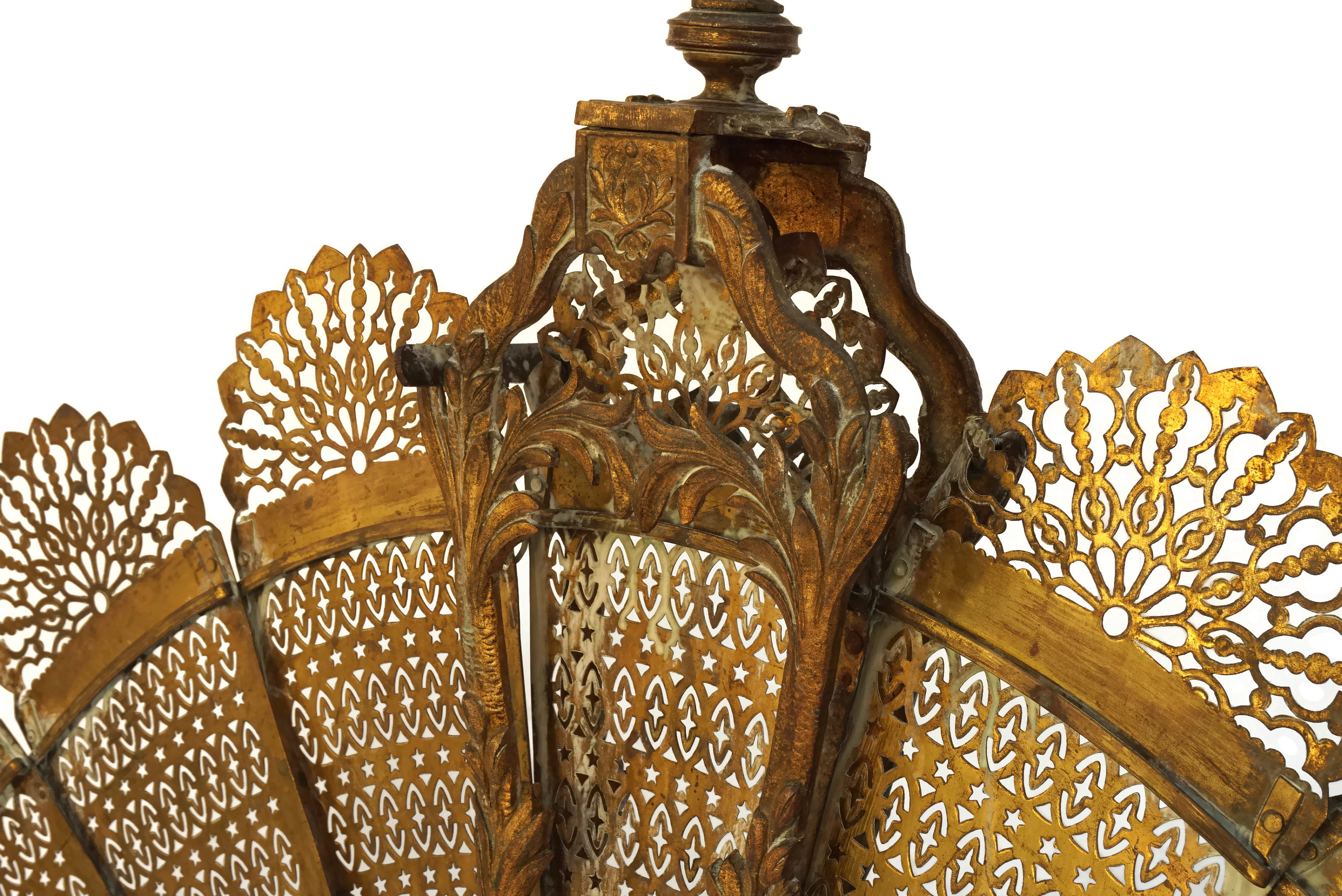
The variety of vintage brass screen styles available constantly amazes me during my searches. I’ve encountered everything from simple three-panel folding screens to elaborate standing models with decorative finials and mesh patterns. Some feature glass panels for added spark protection, while others incorporate tooled leather or fabric elements. Each style reflects the design trends and manufacturing techniques of its era, from Art Deco geometric patterns to Victorian ornate flourishes that tell stories about changing home decor preferences.
Functionality considerations became important as I started using vintage screens regularly. While some antique screens are purely decorative, others provide excellent ember protection and heat circulation. I learned to check mesh density, panel stability, and hinge mechanisms before purchasing. The best vintage screens strike a perfect balance between safety and aesthetics, with fine mesh that contains sparks while allowing proper airflow for efficient burning and optimal heat distribution.
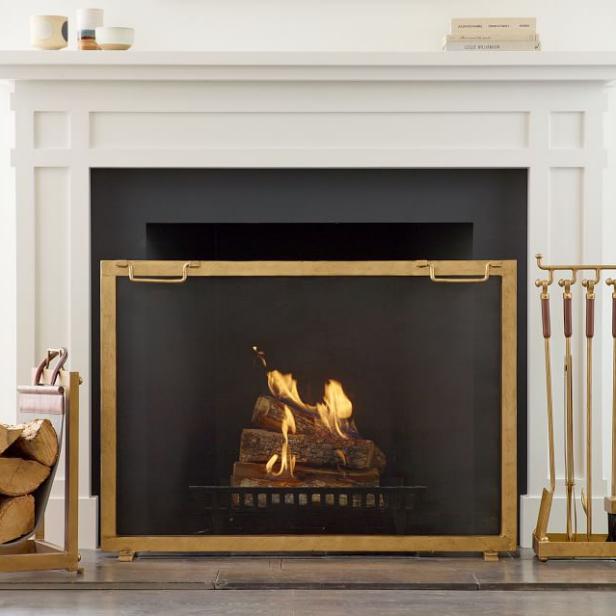
Restoration challenges varied dramatically depending on each screen’s condition and previous care. Simple tarnish removal might take an afternoon, while severely corroded pieces required multiple cleaning sessions and occasional professional intervention. I’ve learned to accept certain imperfections as character marks rather than flaws, particularly small dents, scratches, or slight color variations that add to the piece’s authentic vintage appeal. The goal is preservation rather than returning to factory-new condition.
The investment aspect surprised me as I became more serious about collecting vintage brass screens. Quality pieces have appreciated significantly over the past decade, with exceptional examples commanding prices that rival new custom screens. I’ve learned to recognize markers of value: maker’s marks, unusual designs, pristine condition, and provenance documentation. While I started buying screens purely for personal use, several have become valuable assets that could easily fund future purchases.
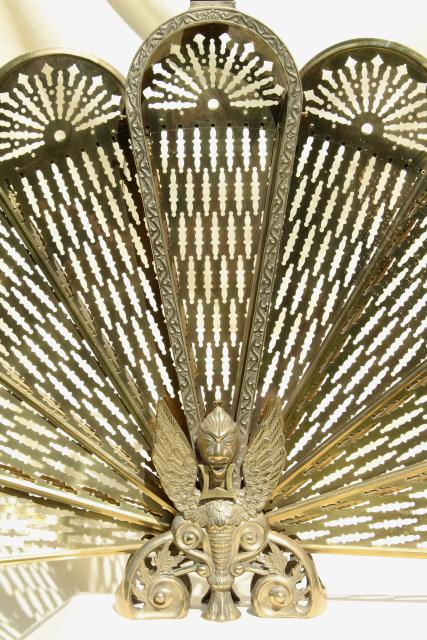
Seasonal storage and maintenance became routine once I owned multiple screens for different occasions. During summer months, I clean and store screens carefully to prevent tarnishing and mechanical wear. I’ve developed a system using acid-free tissue paper and climate-controlled storage that preserves brass finish and prevents mesh damage. This attention to preservation ensures my collection maintains both its beauty and value over time.
After five years of collecting and using vintage brass fireplace screens, I can say they’ve enriched both my home’s aesthetic and my appreciation for traditional craftsmanship. Each piece represents hours of skilled metalwork and attention to detail that’s increasingly rare in modern manufacturing. Beyond their practical function, these screens connect me to previous generations who valued both utility and beauty in their home furnishings. The warmth they add to my living space extends far beyond the physical heat from the fireplace itself.

How can I tell if a brass fireplace screen is genuinely vintage or a modern reproduction?
After examining hundreds of screens, I look for several key indicators. Genuine vintage pieces often have hand-forged elements with slight irregularities, patination patterns that develop naturally over decades, and construction techniques that predate modern manufacturing. Hinges, joints, and mesh attachment methods reveal the most about age. Reproductions tend to have uniform finishes, machine-perfect symmetry, and modern hardware. Weight is another clue; vintage screens are often heavier due to thicker brass construction.
What’s the best way to restore a heavily tarnished vintage brass fireplace screen?
I’ve found gentle methods work best to preserve original character while removing harmful corrosion. Start with warm soapy water to remove surface dirt, then use lemon juice and baking soda paste for moderate tarnish. For heavy oxidation, commercial brass cleaners can be used sparingly, followed immediately by a neutralizing rinse. Avoid abrasive materials that can scratch the surface. Work in small sections, and accept that some patina adds character. Professional restoration may be needed for severely damaged pieces.
Are vintage brass fireplace screens safe to use, or are they just decorative pieces?
Most vintage screens I’ve used provide excellent fire safety when properly maintained. Check mesh integrity, ensure panels fit securely, and verify that hinges operate smoothly. Fine mesh density is crucial for spark containment. Some antique screens were designed more for aesthetics than safety, so evaluate each piece individually. I’ve never had safety issues with properly functioning vintage screens, and they often provide better ember protection than basic modern alternatives due to superior construction quality.
What should I expect to pay for a quality vintage brass fireplace screen?
Prices vary widely based on condition, style, and rarity. I’ve found decent examples starting around $75-150 at estate sales and antique shops. Exceptional pieces from known makers or featuring unique designs can cost $300-800 or more. Online prices tend to be higher than local finds. Condition significantly affects value; screens needing major restoration should be priced accordingly. I’ve learned that paying more for better condition usually costs less than buying cheap and restoring it professionally.

How do I properly maintain and store vintage brass screens during off-seasons?
Seasonal maintenance is crucial for preserving both beauty and value. Before storage, I clean thoroughly with appropriate brass cleaner and dry completely to prevent corrosion. A light coating of clear wax protects during storage. I wrap screens in acid-free tissue paper and store them in climate-controlled areas away from humidity extremes. During the use season, regular dusting and occasional cleaning maintain the appearance. Proper storage prevents the deep tarnishing that requires aggressive restoration methods.
Where are the best places to find authentic vintage brass fireplace screens?
Estate sales have been my most productive hunting ground, especially in older neighborhoods with traditional homes. Antique malls and shops offer more selection but higher prices. Online marketplaces provide access to distant sellers but require careful photo analysis and good return policies. Architectural salvage yards occasionally have exceptional pieces. I’ve had luck at church rummage sales and moving sales. The key is developing relationships with dealers who understand your interests and can alert you to new acquisitions.
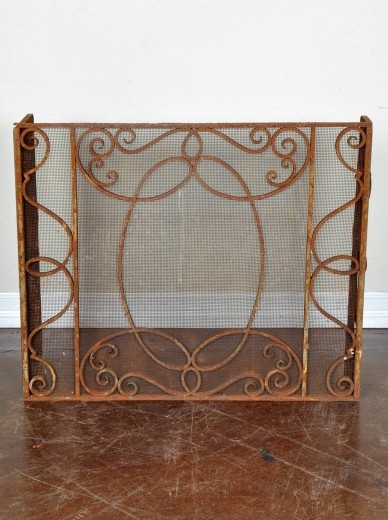
Antique Brass Fireplace Screen / Edwardian Brass Fire Screen / Etsy

No Shop Available
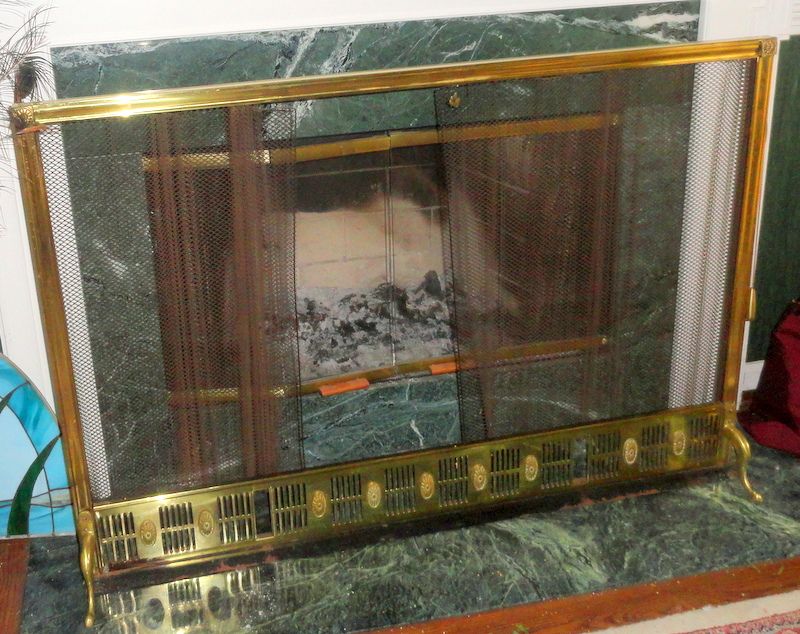
Antique fireplace Screen
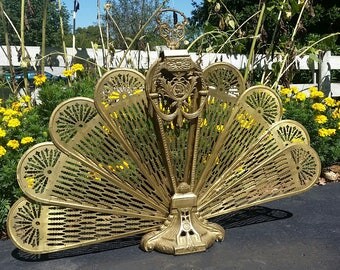
1970s Glass and Brass Fireplace Screen
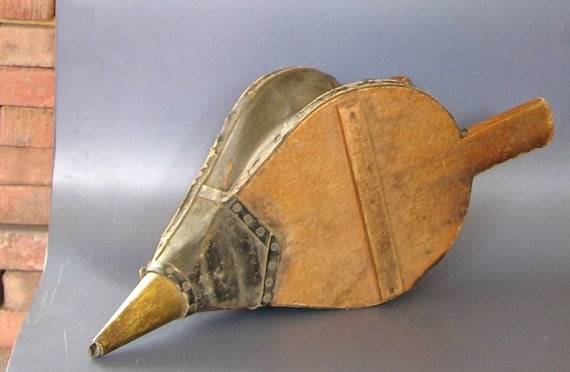
Antique Fireplace Bellows Wood Leather Brass Vintage
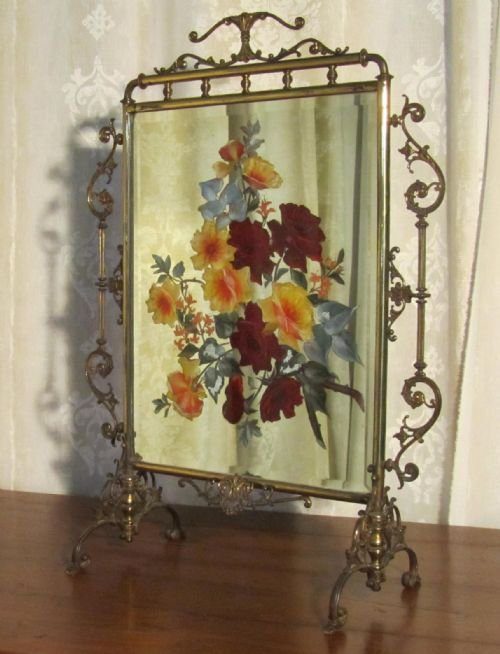
Antiques Atlas – A Victorian Brass Painted Mirror Fire Screen
Antique English brass candle fire screen

Related Posts: