I never expected to fall in love with an antique fireplace, but when I first laid eyes on the ornate Victorian mantelpiece in that dusty estate sale, something stirred within me. The carved mahogany details spoke of craftsmanship from a bygone era, while the cast iron surround bore the patina of countless winters. I knew immediately that this weathered beauty would become the centerpiece of my living room, though I had no idea how transformative the journey would be for both my home and my understanding of historical preservation combined with modern convenience.
The process of restoring my 1880s fireplace taught me patience I never knew I possessed. Each layer of paint removal revealed intricate woodwork that previous owners had carelessly covered. I spent weekends with fine brushes and chemical strippers, carefully coaxing decades of neglect away from the original finish. The marble hearth required professional attention, but watching the craftsman breathe life back into those veined stones felt like witnessing magic. Every scratch and imperfection told a story, and I found myself becoming the guardian of those tales, preserving them for future generations to appreciate.

Installing an electric insert seemed almost sacrilegious at first, like putting modern plumbing in a medieval castle. However, my research revealed that many homeowners face similar dilemmas when balancing historical authenticity with practical needs. The beauty of electric inserts lies in their ability to provide ambiance without compromising the structural integrity of antique fireplaces. Unlike gas or wood-burning options, electric units require no venting modifications, chimney repairs, or extensive renovations that might damage irreplaceable architectural elements. This flexibility made my decision easier.
Shopping for the right electric insert became an education in itself. I discovered that not all units are created equal, especially when fitting them into antique openings. Modern fireplaces have standardized dimensions, but my Victorian beauty had unique measurements that required careful consideration. I measured the depth, width, and height multiple times, accounting for the slight irregularities that come with hand-built masonry from the 1800s. The insert needed to complement the ornate surroundings without overwhelming them, creating harmony between old and new technologies.

The installation day arrived with both excitement and anxiety coursing through my veins. Watching the electrician carefully position the insert within my restored fireplace felt like the final piece of a complex puzzle falling into place. The unit fit perfectly, its realistic flame effects dancing behind tempered glass that reflected the surrounding antique details. When we first powered it on, the warm glow illuminated the carved mantelpiece in ways I had only imagined. The transformation was complete, yet the fireplace retained every ounce of its historical character and charm.
Living with my antique fireplace and electric insert has exceeded every expectation I harbored during the restoration process. The convenience of instant warmth at the touch of a button contrasts beautifully with the timeless elegance of the surrounding architecture. I no longer worry about chimney maintenance, ash cleanup, or carbon monoxide concerns that plague traditional wood-burning fireplaces. Instead, I focus on enjoying the ambiance while knowing that my heating costs remain reasonable. The thermostat control allows me to heat specific rooms efficiently, making my entire home more comfortable during colder months.

Guests consistently comment on the seamless integration between antique charm and modern functionality that my fireplace represents. Many assume the flames are real until I demonstrate the remote control features, which never fails to amaze them. The realistic logs and ember bed create an authentic appearance that honors the fireplace’s historical origins while embracing contemporary convenience. I have hosted countless gatherings where friends gather around the hearth, sharing stories just as families did generations ago. The electric insert maintains that magical focal point while eliminating safety concerns about sparks or smoke.
Maintenance has proven refreshingly simple compared to traditional fireplace upkeep that once intimidated me greatly. Monthly dusting of the glass front and occasional cleaning of the decorative logs keeps everything looking pristine. The electric components require minimal attention, unlike chimneys that demand annual inspections and cleaning. I appreciate not dealing with creosote buildup, bird nests, or weather-related damage that plague conventional fireplaces. This low maintenance approach allows me to spend more time enjoying my restored masterpiece rather than constantly maintaining it throughout changing seasons.
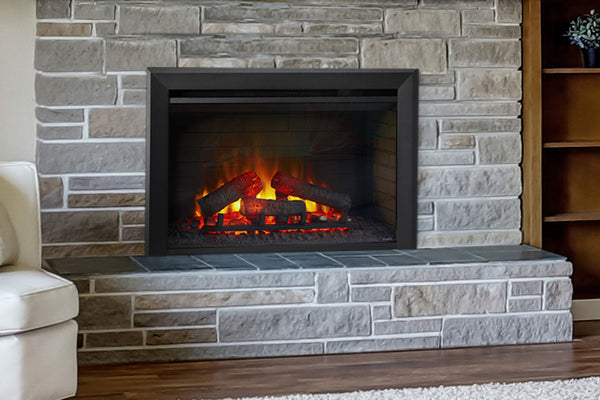
The energy efficiency of my electric insert surprises many people who assume antique fireplaces are inherently wasteful. Modern electric units convert nearly all consumed electricity into heat, unlike wood-burning fireplaces that lose most heat through the chimney. I can heat my living room and adjacent dining area for less than the cost of running a hair dryer, while the zone heating capability reduces my overall utility bills. The programmable thermostat ensures optimal comfort without energy waste, making this combination both environmentally conscious and economically practical for long-term use.
Reflecting on this journey from discovery to daily enjoyment, I realize that blending historical preservation with modern technology requires thoughtful consideration rather than compromise. My antique fireplace maintains its authentic character while serving contemporary needs through careful integration of electric heating technology. This experience taught me that respecting the past does not mean sacrificing present comfort or future efficiency. The key lies in finding solutions that honor original craftsmanship while embracing innovations that enhance functionality without diminishing aesthetic value or historical significance.

How do I determine if my antique fireplace is suitable for an electric insert?
The key factors include measuring your fireplace opening dimensions, checking electrical requirements, and assessing structural condition. Most antique fireplaces work well with electric inserts because they require no venting modifications or chimney connections. Measure width, height, and depth carefully, as vintage openings often have non-standard dimensions. Ensure nearby electrical outlets can handle the insert’s power requirements, typically 120V or 240V, depending on heating capacity. Inspect the firebox for structural damage, loose bricks, or deteriorating mortar that might need repair before installation.
What are the main advantages of choosing electric over gas or wood for antique fireplaces?
Electric inserts offer several benefits for antique fireplaces, including no chimney requirements, easier installation, and zero emissions. Unlike gas units that need venting and professional installation, electric models simply plug into standard outlets. They produce no carbon monoxide, smoke, or combustion byproducts that could damage delicate antique materials. Electric inserts also eliminate concerns about chimney condition, animal intrusion, or weather-related issues. The realistic flame effects provide ambiance without the mess, maintenance, or safety risks associated with traditional fuel sources.

How much does it typically cost to install an electric insert in an antique fireplace?
Installation costs vary widely based on fireplace condition, electrical requirements, and insert quality, typically ranging from $500 to $3,000 total. The electric insert itself costs between $200 and $1,500, depending on features like remote control, thermostat, and realistic flame technology. Professional installation adds $300 to $800, though many homeowners handle simple plug-in models themselves. Additional costs might include electrical work if new outlets are needed, fireplace restoration, or custom fitting for unusual dimensions. This represents significant savings compared to gas installation or chimney restoration required for wood burning.
Can electric inserts provide enough heat for large rooms or whole-house heating?
Most electric fireplace inserts effectively heat 300 to 500 square feet, making them excellent supplemental heating sources rather than primary systems. Higher-end models with 240V connections can heat larger spaces up to 1,000 square feet comfortably. The efficiency comes from zone heating, allowing you to warm frequently used areas while reducing overall heating costs. Many users find that electric inserts significantly reduce their heating bills by providing targeted warmth. For whole-house heating, consider multiple units or use the insert to supplement your existing HVAC system during moderate weather conditions.

How realistic do modern electric flame effects look compared to real fire?
Today’s premium electric inserts feature surprisingly realistic flame effects using LED technology, mirrors, and rotating elements that closely mimic real fire movement. High-quality models include glowing logs, ember beds, and flames that dance and flicker naturally, creating a convincing visual appeal. Some units offer multiple flame colors and intensity settings for customization. While purists might notice differences under close inspection, most observers find the effects quite convincing, especially in dimmed room lighting. The realism has improved dramatically over older models, making electric inserts a viable option for those wanting an authentic ambiance.
What ongoing maintenance does an antique fireplace with electric insert require?
Maintenance requirements are minimal compared to traditional fireplaces, focusing primarily on cleaning and occasional component checks. Monthly tasks include wiping down the glass front, dusting decorative logs and ember beds, and checking remote control batteries. The antique mantelpiece and surround need regular dusting and occasional wood polish or stone treatment as appropriate. Annually, inspect electrical connections, vacuum internal components if accessible, and check for any loose fittings. Unlike wood or gas fireplaces, there are no chimney cleanings, ash removal, or fuel supply concerns, making maintenance straightforward.

25.1875-in Black Electric Fireplace Insert
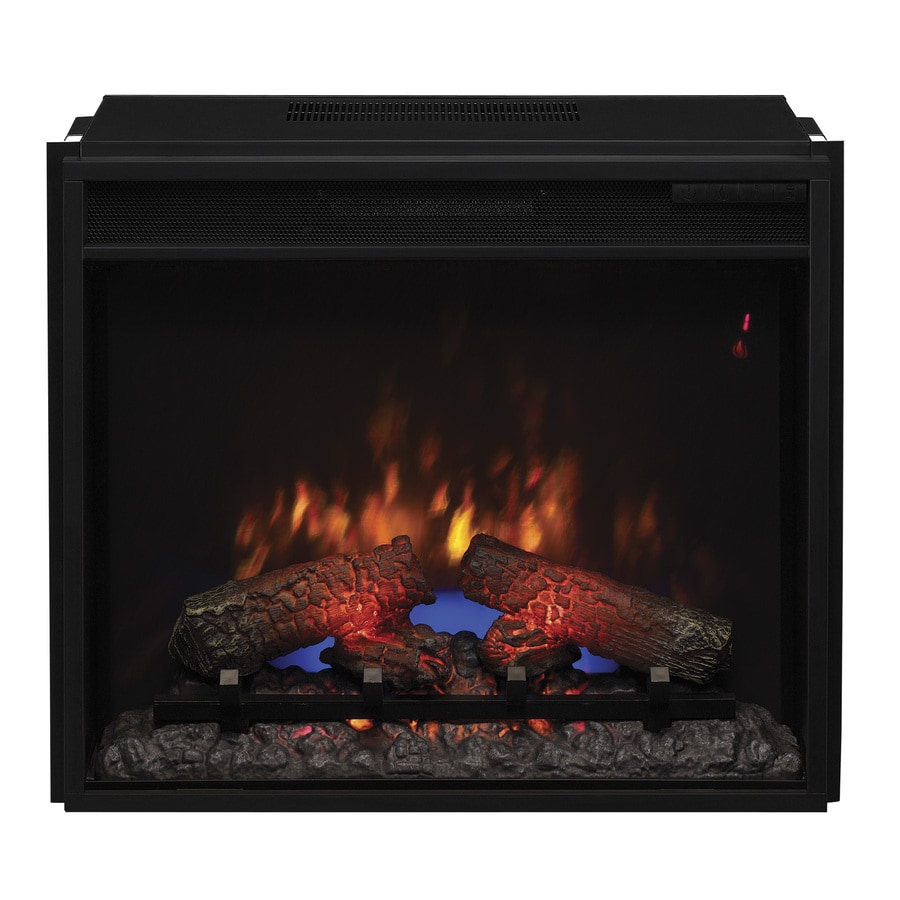
42″ Hughes Electric Fireplace

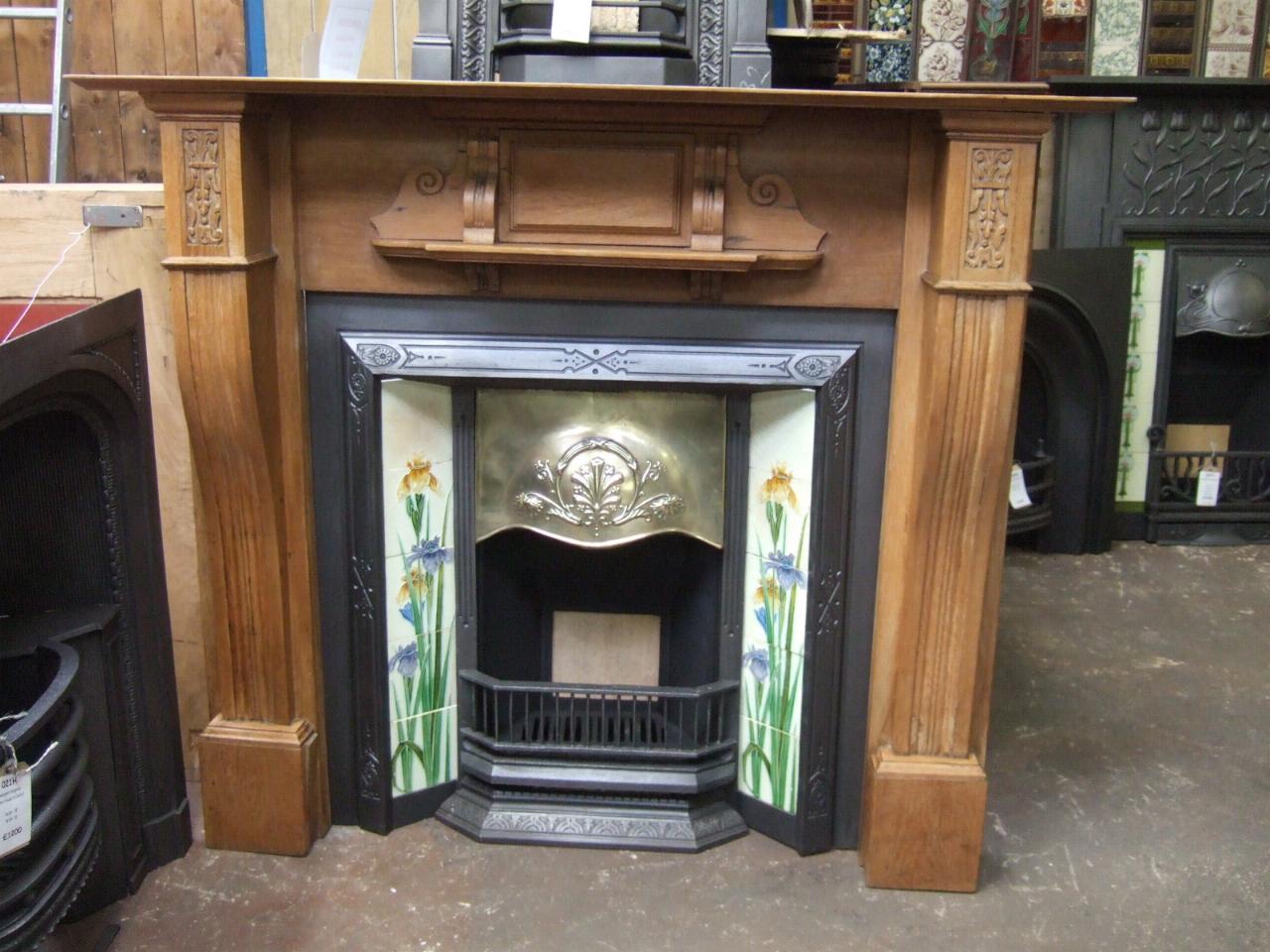
Cast Iron Fireplace Insert: Because I want a Victorian fireplace and I am slowly (ok rapidly

Classic Flame 36″ Electric Fireplace Insert & Reviews Wayfair
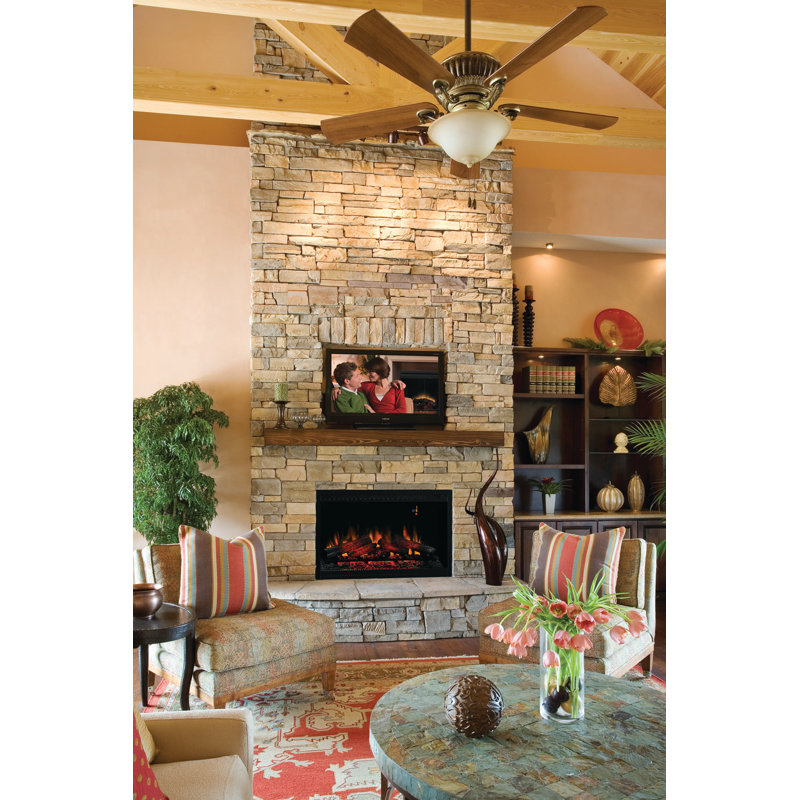
Victorian Oak Fireplace Surround – Cambridge – F125WS – Antique Fireplace Co
Related Posts: