When I first walked into our 1920s farmhouse, the living room felt cold and lifeless despite its charming hardwood floors and vintage windows. Something was missing, and I knew exactly what it was: a proper fireplace. The room had great bones, beautiful crown molding, and those gorgeous tall windows that let in streams of natural light, but it lacked a focal point that would anchor the space and create the cozy atmosphere I craved. After months of research, countless Pinterest boards, and several conversations with contractors, I decided on a classic brick fireplace that would become the soul of our home and honor its historical character.
I’ll admit, the decision wasn’t easy. Modern gas inserts and sleek stone surrounds were tempting, especially when I saw how quickly they could be installed. But there’s something timeless about brick that speaks to the farmhouse aesthetic in a way that contemporary materials simply cannot match. The texture tells a story, the warmth it radiates feels genuine and honest, and the way it ages gracefully means it only gets better with time. Every chip, every subtle color variation, every weathered edge adds to its character. I wanted something that looked like it had always been there, not a recent addition trying too hard to fit in with the home’s authentic 1920s charm.
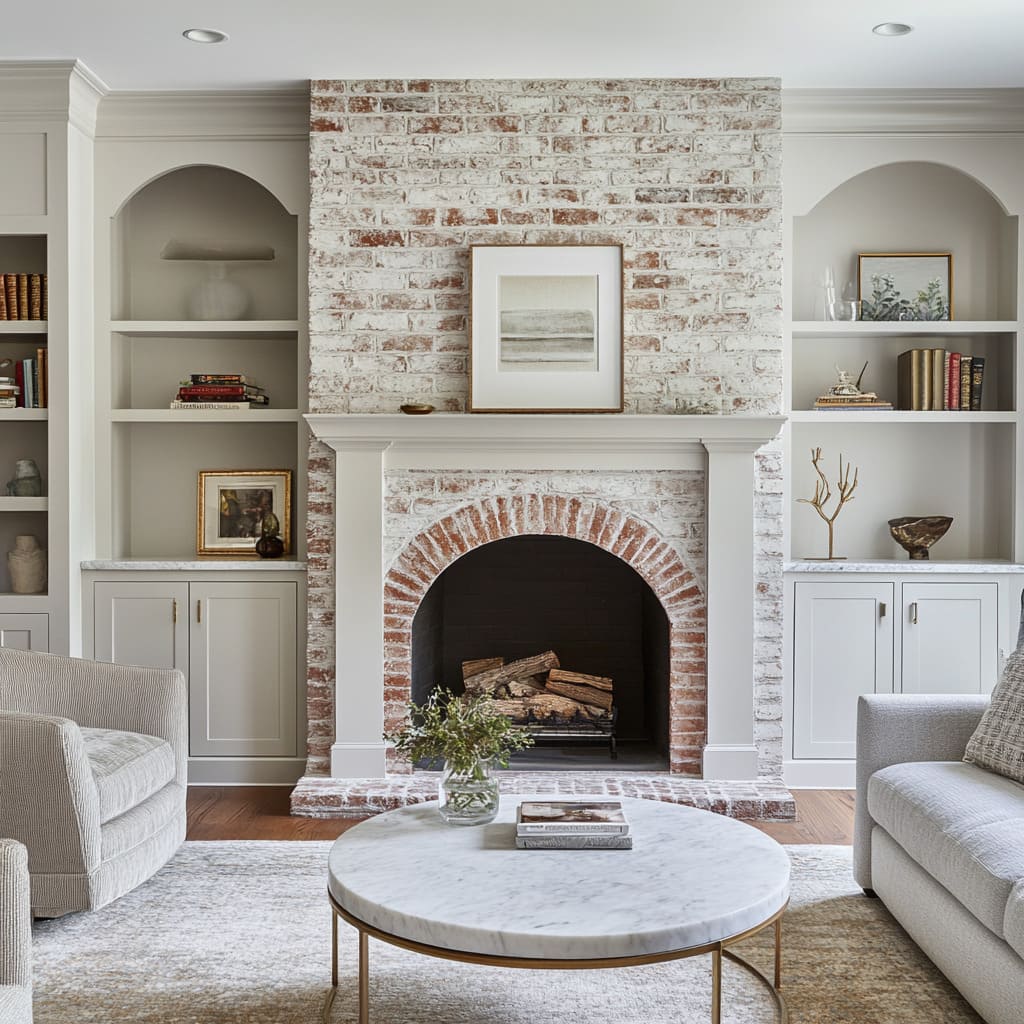
The installation process taught me more about home construction than I ever expected to learn. We discovered that the original house plans showed a chimney that had been removed decades earlier, which explained the mysterious concrete pad in the basement. We had to reinforce the floor joists, install proper footings, and navigate the complexities of chimney placement while working around existing plumbing and electrical systems.
My contractor, a third-generation mason named Frank, whose grandfather had built chimneys in the same neighborhood, walked me through every decision with patience and expertise. He explained how different brick types would affect both appearance and performance, sharing stories of fireplaces that had lasted over a century while pointing out modern shortcuts that would fail within decades. Ultimately, he guided me toward a reclaimed Chicago brick that had incredible character and a proven track record of durability.
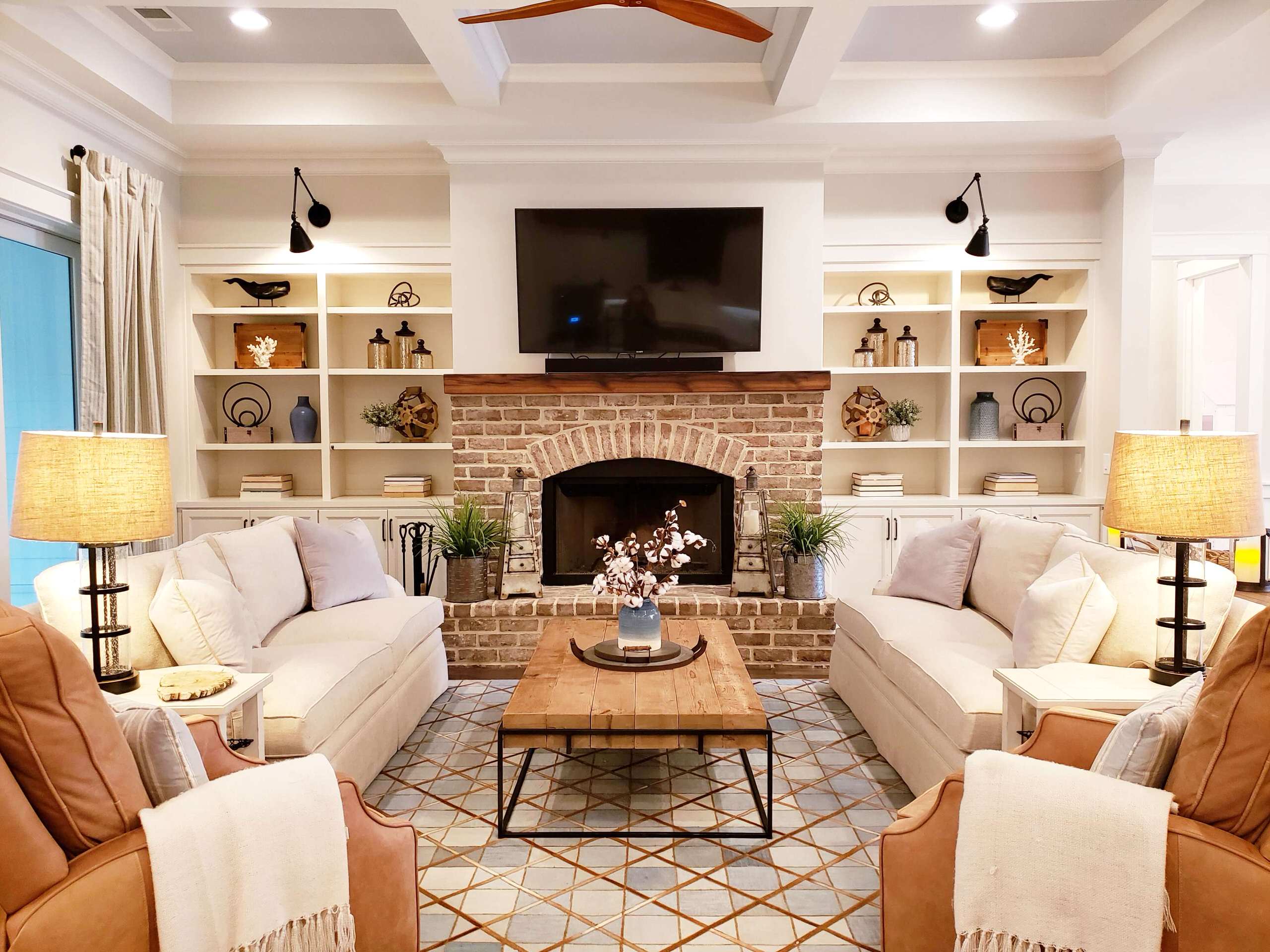
Choosing the right mortar color proved surprisingly crucial to the overall aesthetic. I initially underestimated how much the mortar would impact the fireplace’s final appearance, but Frank showed me samples from previous projects that demonstrated the dramatic difference mortar color makes. I sampled at least eight different shades, creating small test patches on sample boards that I could hold up against the brick in different lighting conditions throughout the day.
We settled on a warm gray that complemented the brick’s natural variations without competing with them. Too white looked stark and modern, making the fireplace appear newly constructed rather than authentically aged. Meanwhile, darker options made the entire structure feel heavy and imposing, overwhelming the room’s proportions. The middle ground we chose created that perfect farmhouse balance, neither too pristine nor too rustic, allowing the brick’s natural beauty to shine while maintaining the mortar’s supportive role.

The hearth design required careful consideration of both function and style, balancing safety requirements with the visual proportions of the room. We extended it eighteen inches into the room and added a raised edge for safety, following local fire codes while creating an aesthetically pleasing foundation for the entire structure. I spent hours debating whether to use contrasting materials like stone or tile, which would have been easier to clean, but ultimately opted for matching brick to maintain consistency throughout the design.
This decision proved wise when furniture placement became important later. The extended hearth naturally provides extra seating during family gatherings and creates a natural boundary that helps organize the room’s layout. The raised edge, while primarily a safety feature to prevent embers from escaping, also adds visual weight that grounds the fireplace and makes it feel substantial rather than merely decorative.

Building the surround and mantel became a weekend project that stretched into three weekends, teaching me patience and precision in equal measure. I chose reclaimed barn wood from a 1890s dairy barn that was being demolished about thirty miles from our house, wood that echoed our home’s agricultural history and added authentic character that money simply cannot buy. The wood’s weathered patina, complete with original nail holes, saw marks, and gentle warping, told stories of decades spent protecting livestock from harsh Midwest winters.
Each board was unique, requiring careful selection and placement to create a cohesive design that honored the wood’s natural imperfections. Mounting it securely to the brick required special masonry anchors and what felt like endless measuring, leveling, and adjusting. Frank taught me the importance of patience when working with reclaimed materials. You cannot force authentic character; you have to work with what nature and time have provided.

The first fire was magical in a way that exceeded all my expectations. As flames danced against the brick backdrop, casting flickering shadows across the rustic mantel and weathered wood, the entire room transformed from a pleasant but ordinary living space into something that felt alive with warmth and character. The brick absorbed and radiated heat in a way that central heating simply cannot match, creating zones of cozy comfort that drew people naturally toward the fireplace.
I understood then why fireplaces have remained home centerpieces for centuries, transcending changes in heating technology and home design trends. They create gathering spaces that feel fundamentally different from other rooms, places where conversations flow more naturally, where people linger longer, and where the simple act of tending a fire connects us to something primal and comforting. That first evening, as my family gathered around the hearth with hot chocolate and board games, I knew every hour of planning and construction had been worthwhile.

Maintenance has been surprisingly manageable, much less demanding than I initially feared based on stories from friends with older fireplaces. Annual chimney cleaning and inspection by a certified professional is essential, and I’ve learned to recognize potential issues like white staining on the exterior brick or unusual odors that might indicate problems before they become expensive repairs. The brick itself requires minimal care beyond what any homeowner should expect; occasional repointing every decade or so keeps the mortar joints healthy and weather-tight.
I brush away soot buildup from the firebox monthly during the burning season, inspect the damper for proper operation, and have developed a routine that takes less than thirty minutes but gives me confidence that everything is functioning safely. Frank taught me to look for subtle signs like rust stains or loose mortar that could indicate moisture problems, knowledge that has helped me stay ahead of any major issues.

Decorating around the fireplace presented delightful challenges that evolved with the seasons and my growing confidence in the space. The brick’s natural texture and earthy tones provide a beautiful, neutral backdrop for seasonal displays, from autumn’s rich gourds and colorful leaves to winter’s evergreen garlands and twinkling lights. I’ve discovered through trial and error that simple, uncluttered arrangements work best, allowing the fireplace itself to remain the star while adding subtle touches that enhance rather than compete with its natural beauty.
The reclaimed wood mantel has become a gallery for family photos, vintage books with weathered spines, and a few carefully chosen antiques that complement the farmhouse aesthetic. Brass candlesticks from my grandmother, a vintage clock that still keeps perfect time, and seasonal greenery complete the look without overwhelming the space or detracting from the fireplace’s architectural presence.

Looking back three years later, I can’t imagine our home without this fireplace, and I’m amazed at how completely it has transformed not just the room but our family’s daily rhythms and traditions. It’s become the natural gathering spot for family game nights, quiet reading sessions on Sunday afternoons, and holiday celebrations that feel more meaningful somehow when centered around the warm glow of a real fire. Friends and guests gravitate toward it naturally, often ending up sitting on the floor or perched on the hearth’s edge, even when comfortable seating is available elsewhere.
There’s something magnetic about a working fireplace that draws people in and encourages the kind of relaxed conversation that builds lasting relationships. The investment in a proper brick fireplace has paid dividends in comfort, ambiance, and home value that go far beyond dollars and cents, creating a focal point that makes our house feel like a true home and giving us a gathering place that will serve our family for generations to come.

How long does a brick fireplace installation typically take?
From start to finish, mine took about six weeks, including permitting and inspections. The actual construction was completed in ten working days, but weather delays and material delivery extended the timeline. The most time-consuming part was waiting for the mortar to cure properly between stages. I recommend planning for at least a month, especially if structural modifications are needed, like we required for proper foundation support.
What’s the maintenance schedule for a brick fireplace?
I have my chimney professionally cleaned and inspected annually before the first use of the season. Monthly, I brush away soot buildup from the firebox and check for loose mortar. Every few years, I inspect the exterior chimney and repoint any deteriorating joints. The brick itself is incredibly low maintenance; occasional washing with mild detergent keeps it looking fresh. Overall, it requires less upkeep than I initially expected.

How much should I budget for a complete brick fireplace installation?
My project cost around $8,000, including materials, labor, and permits. This covered structural reinforcement, chimney construction, reclaimed brick, and custom mantel. Costs vary significantly based on complexity and location. A basic installation might run $5,000, while elaborate designs can exceed $15,000. I found that investing in quality materials and skilled craftsmanship paid off in both appearance and long-term durability.
Can I install a brick fireplace in a home that doesn’t currently have one?
Absolutely, though it requires careful planning and often structural modifications. We needed to reinforce floor joists and create proper footings for the weight. The biggest considerations are chimney placement, clearances to combustible materials, and local building codes. I strongly recommend consulting with a structural engineer and an experienced mason. The complexity varies greatly depending on your home’s construction and desired location.

What type of brick works best for farmhouse-style fireplaces?
I chose reclaimed Chicago brick for its weathered character and warm color variations. Red clay bricks with natural imperfections create an authentic farmhouse appeal. Avoid perfectly uniform, modern bricks that look too pristine. Used brick from demolished buildings often has the best character, though it costs more. Wire-cut bricks with rough textures also work well. The key is finding a brick that looks like it has history and patina.
Does a brick fireplace significantly increase home value?
In my area, the appraiser estimated it added about 70% of the installation cost to our home’s value. Beyond financial return, the lifestyle benefits are substantial. It’s become our home’s focal point and primary gathering space. Real estate agents tell me fireplaces remain highly desirable features, especially in traditional-style homes. The brick construction suggests permanence and quality that buyers appreciate, making it a worthwhile long-term investment.
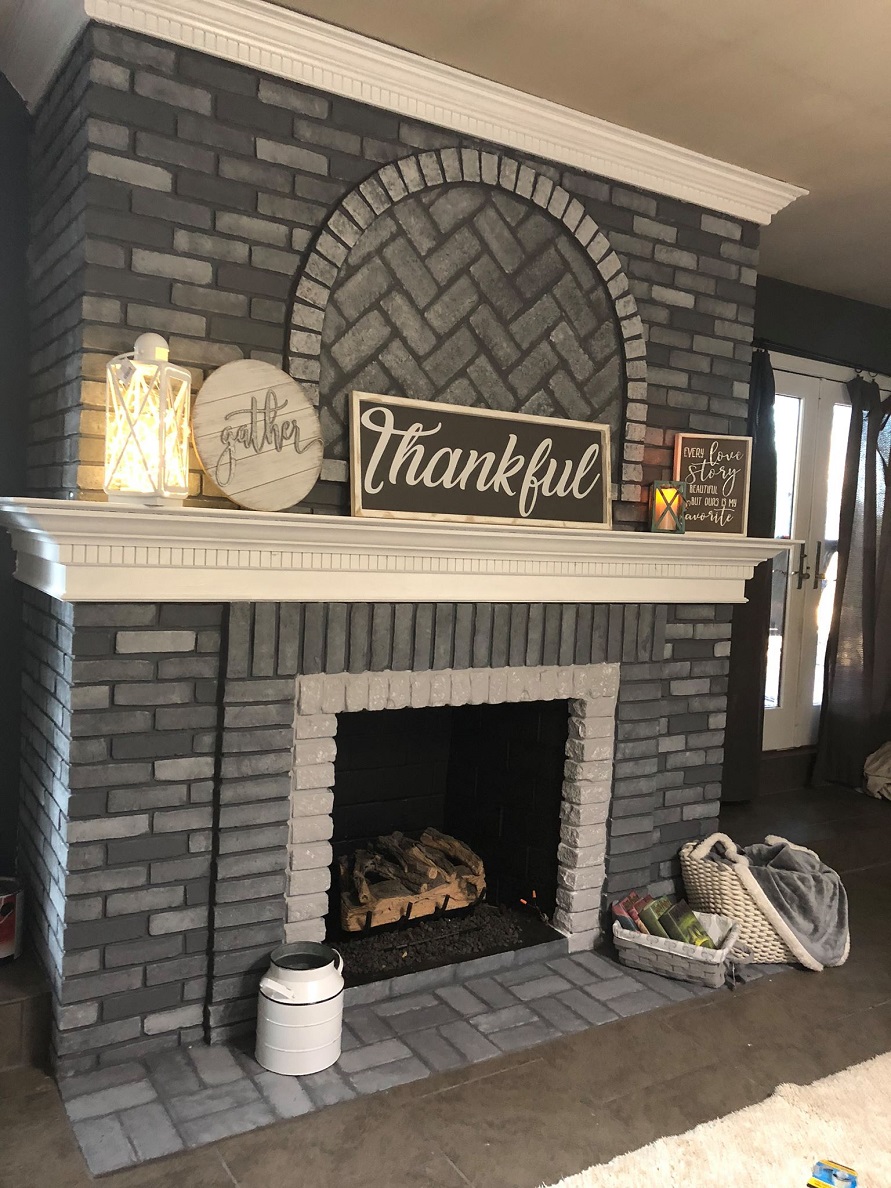
Brick Fireplace Farmhouse Style

Related Posts: