I stumbled upon my first retro fireplace screen at an estate sale four years ago, tucked behind boxes in a dusty garage. The brass finish had tarnished, but the distinctive sunburst design immediately caught my eye. Something about those geometric patterns and the mid-century modern aesthetic spoke to me. After bringing it home and restoring it, I realized this functional piece could be so much more than just a safety barrier. It became the statement piece that finally pulled my entire living room together.
My journey into retro fireplace screens started purely out of necessity. I had just moved into a 1960s ranch house with an original brick fireplace that desperately needed updating without losing its vintage charm. Modern screens felt too sleek and cold for the space, while traditional ornate designs clashed with the home’s clean lines and period architecture. I wanted something that honored the era while providing practical protection from sparks and embers.
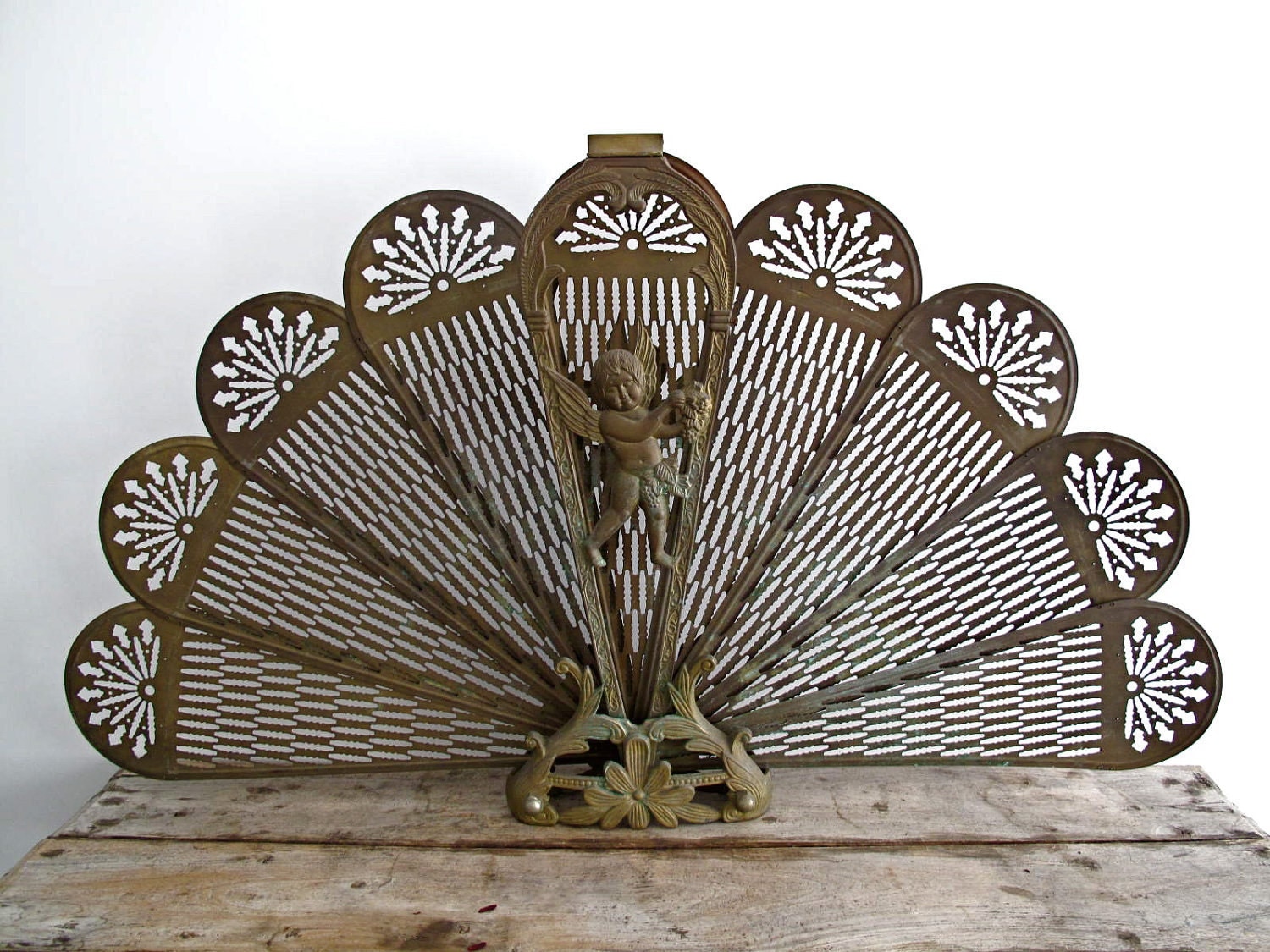
What fascinates me most about retro screens is their incredible variety of designs. From atomic starbursts to angular geometric patterns, peacock motifs to abstract shapes, each screen tells a story about the era’s optimism and design innovation. I’ve collected three different screens over the years, rotating them seasonally. My favorite feature is brass rods arranged in a radiating pattern that creates stunning shadows when firelight flickers behind them. The interplay of light and metalwork turns an ordinary evening into something special.
Finding authentic retro screens requires patience and a good eye. I’ve scoured estate sales, antique shops, online marketplaces, and even architectural salvage yards. The hunt itself has become enjoyable, connecting me with other enthusiasts and learning about manufacturing techniques from the 1950s through the 1970s. Some of my best finds came from unexpected places, a thrift store donation pile, a neighbor’s garage cleanout, even a local theater that was renovating. Reproductions exist, but authentic pieces have a weight and finish quality that’s hard to replicate.
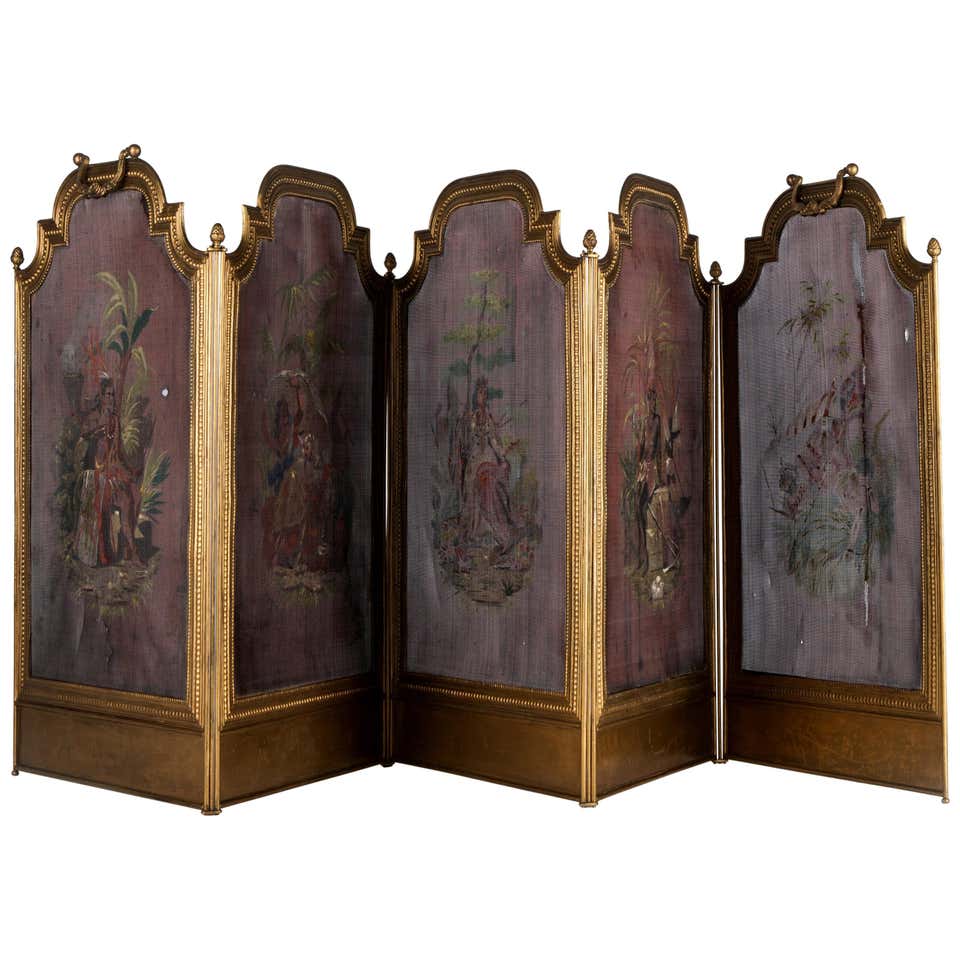
Restoration became an unexpected hobby as I learned to bring these pieces back to life. My first screen required complete refinishing. I stripped the tarnished brass, removed rust spots, and reapplied protective coating. The mesh backing needed replacement on another find. Online tutorials and vintage hardware forums taught me techniques for preserving original patinas while ensuring structural integrity. There’s something deeply satisfying about rescuing these design artifacts and giving them renewed purpose in my home.
The functional benefits surprised me as much as the aesthetic ones. These screens are incredibly sturdy, built during an era when manufacturers prioritized durability over cost-cutting. The heavy-gauge metals and solid construction mean they stand firmly without tipping, crucial when you have pets or kids around. The mesh or perforated metal designs effectively catch sparks while allowing heat to radiate into the room. Mine has withstood countless fires without warping or showing significant wear.
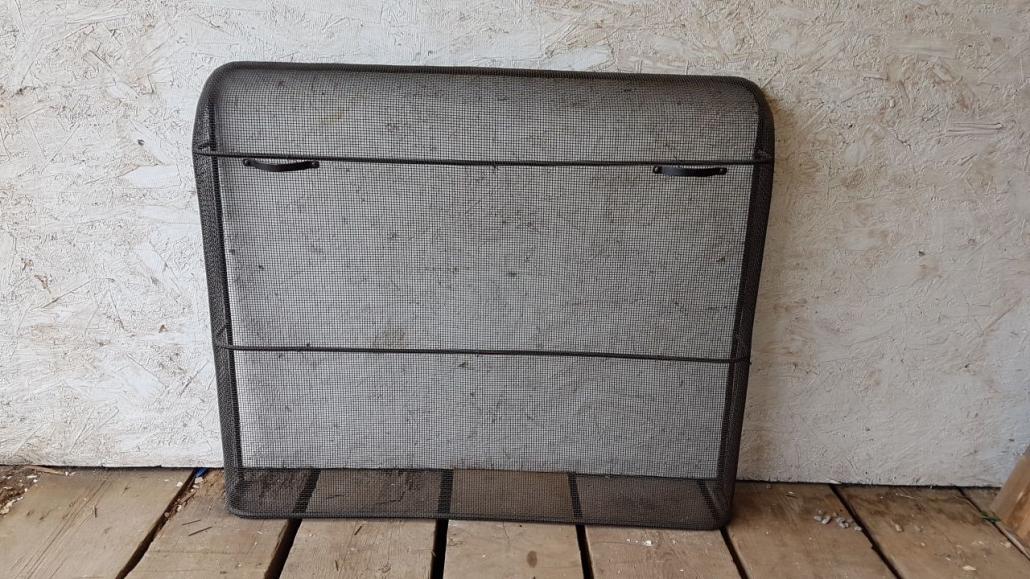
Styling a retro screen goes beyond just placing it in front of the fireplace. I’ve learned to treat it as functional art that anchors the room’s design. During summer months when the fireplace isn’t in use, the screen becomes a sculptural element that adds visual interest. I’ve arranged it with vintage fire tools, positioned potted plants nearby, and even used it as a backdrop for displaying ceramics. The versatility means it earns its keep year-round, not just during heating season.
The conversation-starting power of a distinctive retro screen shouldn’t be underestimated. Guests invariably comment on mine, asking where I found it and sharing memories of similar pieces from their childhood homes. These screens evoke nostalgia while feeling fresh and current in today’s mid-century modern revival. Younger visitors appreciate the vintage aesthetic, while older guests enjoy the trip down memory lane. It’s become a connecting point that bridges generations.

Maintaining retro screens is straightforward once you understand the materials. I dust mine weekly during active fireplace season and give it a thorough cleaning quarterly. Brass and copper pieces benefit from occasional polishing, though I’ve grown to love the natural patina that develops over time. Iron screens need rust prevention, which I manage with protective sprays and keeping moisture away. The key is gentle care that preserves the original character while preventing deterioration.
Reflecting on my experience with retro fireplace screens, I realize they represent more than just home decor. They’re tangible connections to an era of bold design thinking and optimistic creativity. Every time I light a fire and watch the shadows dance through those geometric patterns, I feel grateful for the craftspeople who created these pieces decades ago. The combination of beauty, functionality, and history makes retro screens one of my most cherished home elements, and I can’t imagine my fireplace without one.

Where can I find authentic retro fireplace screens and how do I know if they’re genuine?
I’ve had the best luck at estate sales, antique malls, and online marketplaces like Etsy and eBay. Authentic pieces typically have substantial weight from heavy gauge metals and show appropriate wear patterns for their age. Look for manufacturer marks or stamps, though many weren’t marked. The construction quality is usually superior to reproductions, with welded joints rather than screws or rivets. I’ve learned to check photos carefully and ask sellers about dimensions and weight before purchasing online.
What should I expect to pay for a quality vintage retro fireplace screen?
Prices vary wildly based on condition, rarity, and design complexity. I’ve found basic screens for $40-75 at thrift stores, while pristine examples of sought-after designs can reach $300-500 at antique shops. My favorite sunburst screen cost $120 at an estate sale and needed $50 in restoration supplies. Mid-range authentic pieces typically run $100-200. Reproductions cost $80-250 but lack the craftsmanship of originals. Rare designer pieces or exceptional condition examples command premium prices among collectors.

Can I safely use a vintage retro screen with my modern fireplace?
Absolutely, as long as the screen is structurally sound and appropriately sized. I had a fireplace professional inspect my first vintage screen before using it to ensure the mesh wasn’t compromised and the frame was stable. The screen should be tall enough to contain sparks and wide enough to cover the entire opening. Check that the metal hasn’t deteriorated and the mesh hasn’t developed holes. Vintage screens often exceed modern safety standards because they were built so substantially.
How do I restore a tarnished or rusty retro fireplace screen without damaging its value?
I learned to be cautious with restoration; overdoing it can harm both appearance and value. For brass or copper, I use gentle metal polish applied with soft cloths, testing in inconspicuous areas first. Many collectors prefer natural patina, so I clean without stripping all age markers. For rust on iron screens, I use fine steel wool and rust converter, then apply heat-resistant protective coating. If a piece has significant historical or monetary value, I consult professional restorers before attempting repairs.
What’s the difference between a retro screen and modern reproductions?
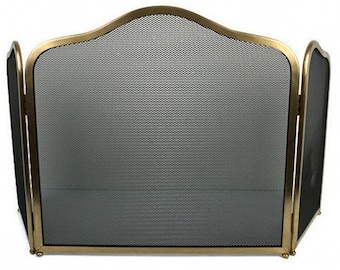
The differences become obvious once you handle both. Authentic retro screens have heavier gauge metals, more substantial construction, and better quality finishes that have aged naturally over decades. The designs often reflect genuine period aesthetics rather than stylized interpretations. I can feel the difference in weight and stability. Reproductions sometimes use thinner materials and simpler construction methods. However, good reproductions can work well if authenticity isn’t your priority; they’re often more affordable and readily available in specific sizes.
How do I incorporate a retro fireplace screen into a room that isn’t fully mid-century styled?
Retro screens work surprisingly well in eclectic spaces. I’ve successfully mixed mine with traditional and contemporary elements. The key is treating the screen as an intentional statement piece rather than trying to match everything perfectly. I pair my geometric brass screen with modern furniture and vintage accessories, creating interesting visual tension. The screen’s sculptural quality lets it stand alone as functional art. Consider your room’s color palette and choose screen finishes that complement existing metals and tones for cohesive integration.
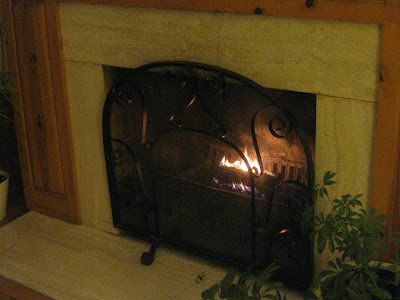
Antique Fireplace Screen
Modern Fireplace Ideas – Best Contemporary Fireplaces

Over Mantel Tv Cabinetry Tv over fireplace, Fireplace shelves, Home fireplace

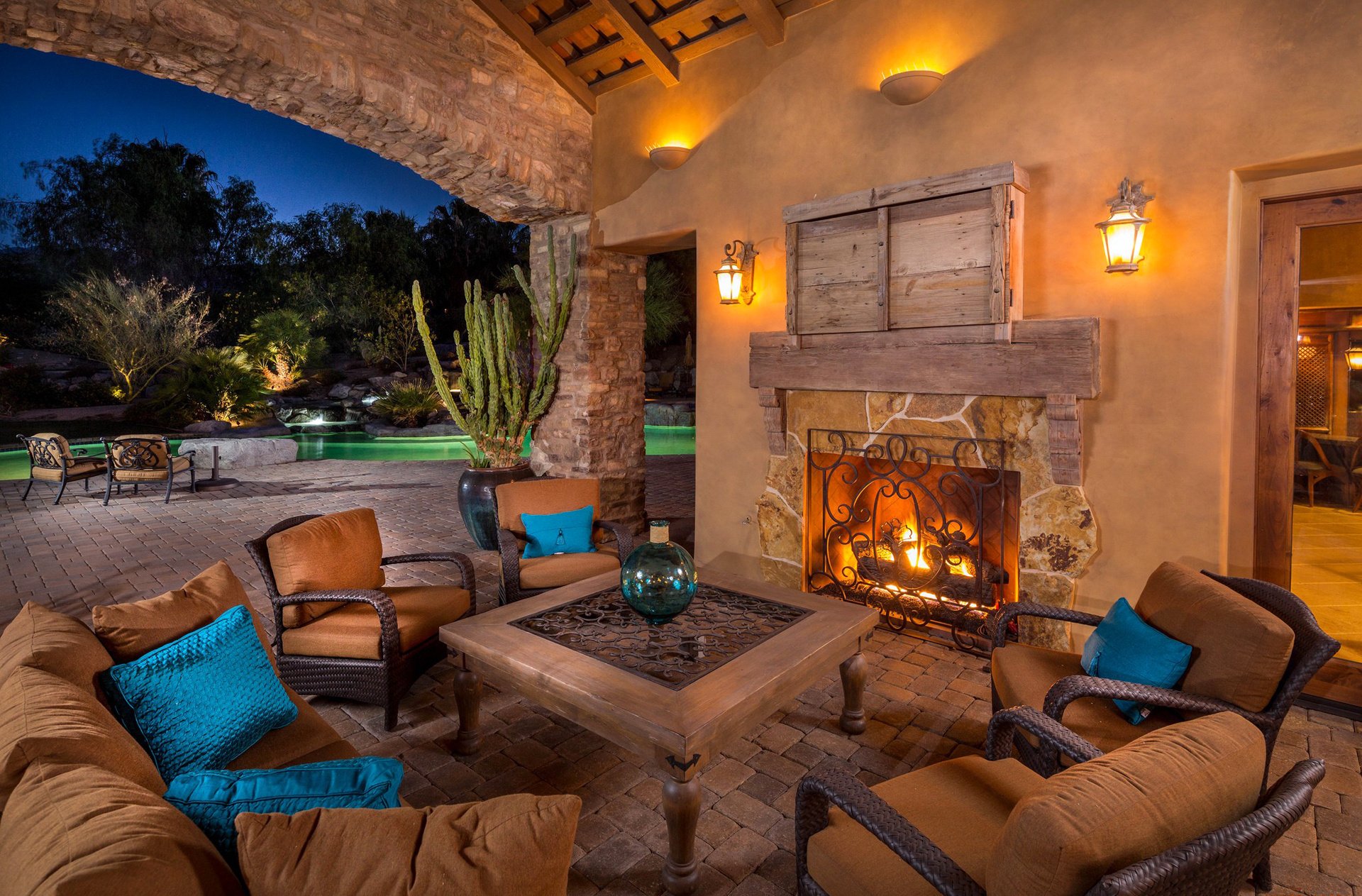
porch, Patio, Evening, Fireplace, Chair, Interior, Design Wallpapers HD / Desktop and Mobile
Related Posts: