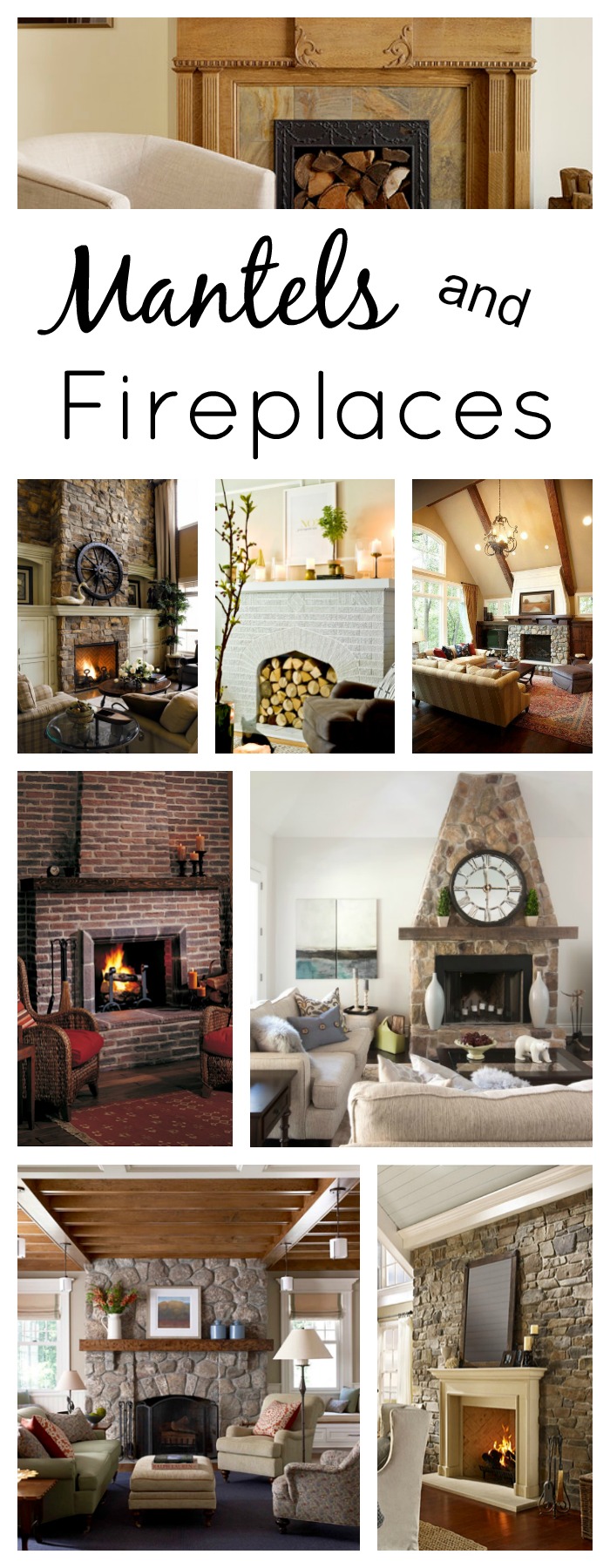
I’ll never forget the first time I stepped into an old farmhouse with a genuine country fireplace mantel. There was something magical about the weathered wood, the simple lines, and the way it anchored the entire room. That moment sparked my obsession with country mantels, and over the years, I’ve learned that these aren’t just decorative pieces; they’re the soul of a home. A country fireplace mantel tells a story through its imperfections, its honest construction, and its unpretentious beauty that modern designs can’t quite replicate.
When I started searching for the perfect country mantel for my own home, I quickly discovered that authentic country style goes far beyond rustic trends. The real charm comes from understanding traditional craftsmanship and the materials that were actually used in historic country homes. I spent months visiting antique shops, salvage yards, and even old barns scheduled for demolition. What I learned is that genuine country mantels were built from local hardwoods like oak, pine, or maple, chosen for their availability rather than fashion. The simple truth is that country families built what they could afford with what they had nearby.

Installing my first reclaimed wood mantel was a turning point in how I understood home design. I chose a beam from a 1890s tobacco barn, complete with mortise holes and saw marks that told stories of its previous life. The installation process taught me patience and respect for the material. Unlike modern mantels that come with precise mounting hardware, working with authentic reclaimed wood means accommodating warping, splits, and irregular dimensions. I had to custom-build the mounting system, carefully supporting the beam’s weight while preserving its character. Every imperfection became something I cherished rather than corrected.
The color palette of country mantels has always fascinated me because it reflects the practical nature of rural life. When I painted my second mantel, I researched historical paint colors and discovered that early country homes used milk paint in earthy tones, soft whites, faded blues, and muted greens. These colors came from natural pigments mixed right on the farm. I tried my hand at mixing traditional milk paint, and the depth of color it created was nothing like modern latex. The way it settled into the wood grain and aged with a soft patina taught me why country mantels in original colors have such warmth and authenticity.

Decorating a country mantel has become one of my favorite seasonal rituals. I’ve learned that the key is restraint and authenticity, letting each piece breathe rather than crowding the space. In spring, I display ironstone pitchers with fresh branches. Summer brings simple crocks filled with garden flowers. Fall means dried hydrangeas, small pumpkins, and vintage wooden bowls. Winter is for evergreen branches, old books, and candlesticks with real wax drips. I avoid anything too coordinated or obviously store-bought. The beauty comes from collected pieces that look like they’ve been in the family for generations, even if I found them last month at an estate sale.
One lesson I learned the hard way involves proper mantel proportions and room scale. My first attempt at creating a country mantel look involved a beam that was far too small for my fireplace opening. It looked lost and insignificant, completely failing to create the grounding presence a country mantel should provide. I discovered that traditional country mantels were often quite substantial, typically six to eight inches deep and extending well beyond the fireplace opening on both sides. The height above the firebox matters too. I follow the old rule of positioning the mantel shelf at least twelve inches above the opening, which provides proper clearance and creates better visual balance.

The difference between genuine country style and manufactured rustic design became clear to me after visiting countless historic homes. Real country mantels weren’t distressed or artificially aged, they earned their character through decades of use. I watched a furniture maker deliberately beat new wood with chains and tools to create fake wear patterns, and it struck me how different that looked from authentic patina. Now I can spot the difference immediately. True age creates soft edges, darkened corners where hands touched the wood, subtle variations in color from smoke and sunlight, and worn areas that make logical sense based on how people actually used the mantel.
Maintaining a country mantel requires a gentle approach that preserves rather than refreshes its character. I clean mine with nothing more than a barely damp cloth and occasionally treat the wood with a simple beeswax polish I make myself. I’ve seen people ruin beautiful old mantels by over-cleaning or applying modern polyurethane finishes that create an artificial sheen completely at odds with country aesthetics. The wood should look touchable and warm, not glossy. I also check the mounting brackets annually since the wood expands and contracts with seasonal humidity changes, which can loosen connections over time.

Finding authentic materials for a country mantel project takes persistence, but the search itself has become part of what I love about this process. I’ve pulled beams from century-old barns, bought mantels from architectural salvage companies, and even commissioned a craftsman to build a new mantel using traditional joinery techniques. Each source offers different advantages. Salvaged mantels come with instant history but may need structural repairs. Reclaimed beams give you flexibility in design but require significant woodworking skills. New mantels built in traditional styles offer structural reliability while still capturing authentic proportions and joinery methods.
Living with a country fireplace mantel has changed how I think about my home’s character and the pace of decorating. I no longer chase trends or feel pressured to update my look every season. Instead, I add pieces slowly, choosing items that feel right rather than filling space quickly. My mantel has become a reflection of my life, displaying inherited candlesticks from my grandmother, pottery I bought on a trip to North Carolina, and books I actually read. It’s taught me that true country style isn’t about perfection or coordination, it’s about authenticity, history, and creating a home that feels genuinely lived in and deeply loved.

What’s the best wood type for an authentic country fireplace mantel?
From my experience, oak and pine are the most authentic choices for country mantels since they were readily available to rural builders. Oak offers incredible durability and develops a beautiful honey patina over time, while pine has that softer, more rustic appearance with prominent grain patterns and knots. I personally prefer reclaimed barn wood because it already has decades of character built in. Whatever wood you choose, make sure it’s properly dried and aged to prevent warping after installation.
How do I know if a reclaimed mantel is structurally sound enough to use?
I always inspect reclaimed wood carefully before purchasing. Look for active insect damage like fresh sawdust or holes, serious splits that run through the entire beam, or areas of rot and soft wood. Minor cracks and checks are normal and add character, but the wood should feel solid when you tap it. I once passed on a gorgeous beam because it had powder post beetle damage. Have a structural engineer or experienced carpenter evaluate it if you’re unsure, especially for load-bearing applications.

Can I create an authentic country mantel look with new materials?
Absolutely, and I’ve done this myself when reclaimed materials weren’t available or affordable. The key is choosing simple designs with traditional proportions and avoiding overly distressed finishes that look artificial. I worked with a local craftsman who built a mantel using new rough-sawn lumber and traditional mortise and tenon joinery. We used milk paint and let it naturally wear over time rather than artificially aging it. The result looks genuine because the construction methods and proportions are historically accurate.
What’s the ideal depth and projection for a country-style mantel?
Through trial and error, I’ve learned that country mantels should be substantial, typically between six and ten inches deep. The projection beyond the fireplace opening on each side should be at least six inches, though I prefer eight to twelve inches for better proportion. My current mantel is eight inches deep and extends ten inches past the firebox on each side, which creates that strong, grounding presence characteristic of authentic country design. Deeper mantels also provide more practical display space for seasonal decorations.

How should I treat and finish a country fireplace mantel?
I keep my finishing approach simple and natural to maintain an authentic country character. For raw wood, I use a penetrating oil finish or homemade beeswax polish that enhances the grain without creating shine. If painting, traditional milk paint in period colors looks most authentic and ages beautifully. I avoid polyurethane and other modern glossy finishes completely; they look wrong on country pieces. The wood should feel warm and slightly textured to the touch, not slick or plastic-like. Less is definitely more when finishing country mantels.
What are the most common mistakes people make with country mantel design?
The biggest mistake I see is over-decorating with too many matchy-matchy accessories that look obviously store-bought. Country style requires restraint and authenticity. Another common error is choosing a mantel that’s too small or delicate for the fireplace opening; it needs to feel substantial. I’ve also seen people artificially distress new wood in ways that don’t reflect actual wear patterns. Finally, painting every country mantel white has become trendy, but historic country homes used varied colors. Trust your instincts and build collections slowly rather than styling everything at once.

Decorating Country fireplace, Home fireplace, Home

Design Idea: Contemporary Rustic Fireplace Contemporary fireplace mantels, Fireplace mantel

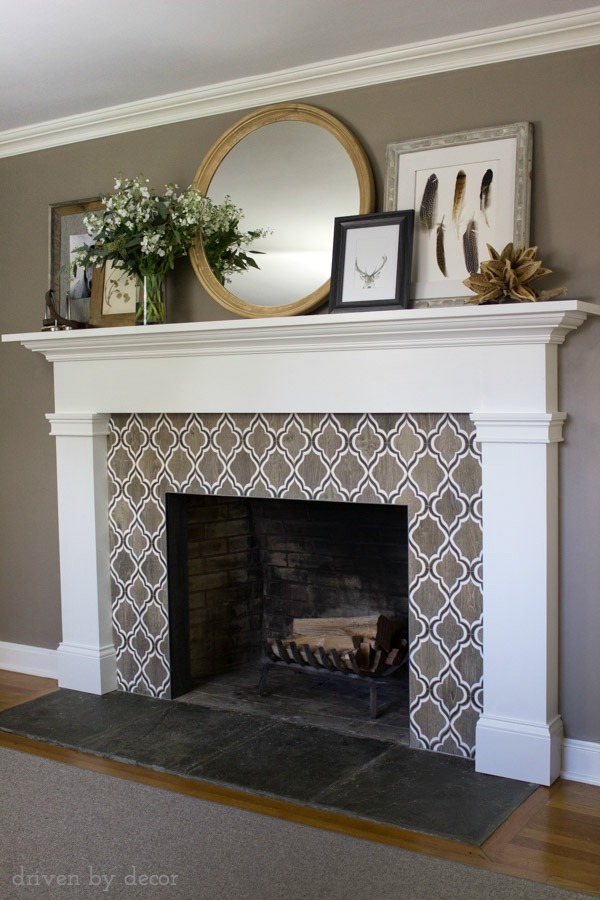
Our New Fireplace! Driven by Decor
Indoor Fireplace Ideas

Antique Victorian Fireplace Surround Mantel Ornate Painted White Shabby Chic Fireplace

ADD FIRE TO THE FIREPLACE AREA WITH MESMERIZING DECORATION IDEAS.. – Godfather Style
Mid century modern fireplace and mantel. Mid century modern fireplace makeover, Modern

Victorian cast iron fireplace surround Antique Vintage Excellent condition Cast iron fireplace

Related Posts: