I fell in love with Art Deco brick fireplaces the moment I saw one in a historic home tour. The bold geometric patterns and streamlined symmetry create a striking focal point that blends vintage charm with modern appeal. Unlike traditional brick fireplaces, Art Deco versions feature precise, often colorful brick arrangements that form zigzags, chevrons, or stepped designs. My own 1930s home came with an original Deco fireplace that needed restoration, and uncovering its hidden beauty became a passion project. The way the bricks create visual movement while maintaining structural simplicity exemplifies why this style remains iconic nearly a century later.
Restoring my Art Deco brick fireplace taught me how these designs balance artistry with functionality. The original builders used contrasting brick colors to emphasize geometric patterns, often incorporating black or cream bricks among the standard red. I discovered the mortar joints were intentionally recessed to create shadow lines that enhance the dimensional effects. The fireplace surround typically extends to the ceiling in clean vertical lines, sometimes accented with decorative tile insets. What appears simple at first glance reveals incredible craftsmanship upon closer inspection. My fireplace’s subtle curve at the top corners shows how Art Deco softened strict geometry with gentle flourishes. These thoughtful details make each original Deco fireplace a unique work of architectural art.

Choosing the right design elements was crucial when I repaired my Art Deco fireplace. I matched original bricks by visiting salvage yards specializing in period materials. For missing decorative tiles, I found reproductions that perfectly complemented the existing color palette. The restoration required a mason familiar with historic techniques to replicate the precise mortar work. We carefully cleaned each brick with a gentle solution to preserve the aged patina rather than making it look artificially new. I opted to highlight rather than conceal the fireplace’s honest wear, as the slight imperfections tell its story. The result honors the original design while accommodating modern heating efficiency standards.
The color scheme of an Art Deco brick fireplace creates its distinctive personality. Many original examples use a monochromatic palette of warm red bricks with black accents. Others incorporate cream, buff, or even glazed colored bricks in geometric arrangements. I chose to emphasize my fireplace’s black accent bricks that form dramatic zigzag patterns. The contrast makes the design pop while maintaining an elegant restraint typical of the period. Some Deco fireplaces feature colorful tile hearths in emerald green, cobalt blue, or gold that provide brilliant accents. I kept my hearth simple with black slate that grounds the vibrant brickwork without competing.

Styling my Art Deco fireplace became an enjoyable exercise in period-appropriate decor. I selected a streamlined iron fire screen with geometric cutouts that echo the brick patterns. A single bold piece of artwork above the mantel follows the “less is more” Deco philosophy. For holidays, I decorate with simple metallic accents rather than cluttered arrangements. The fireplace’s strong visual presence means it needs little embellishment to make an impact. I often arrange a few carefully chosen Art Deco reproduction vases or bookends on the mantel. The key is letting the architecture shine while adding just enough accessories to enhance without overwhelming.
Living with an Art Deco brick fireplace has given me new appreciation for its functional design. The wide hearth provides useful surface space while maintaining clean lines. The deep firebox holds substantial logs yet appears sleek rather than bulky. The brick’s thermal mass radiates heat efficiently long after the fire burns down. Every element serves both aesthetic and practical purposes, a hallmark of good Art Deco design. I find myself using the fireplace more frequently because it’s such a pleasure to interact with. The thoughtful proportions make building and tending fires easier than in more ornate antique fireplaces.

Maintaining my Art Deco brick fireplace is simpler than I initially expected. Regular dusting with a soft brush keeps the brick and mortar looking fresh. I occasionally use a damp cloth on soot marks, being careful not to oversaturate the porous brick. The original iron damper needed lubrication to operate smoothly again. For the brick, I applied a breathable masonry sealer that protects without creating a shiny modern finish. The tiles clean easily with mild soap and water. Unlike painted surfaces that chip or wallpapers that peel, the brick and tile have maintained their beauty with minimal intervention. This durability is one reason so many original Deco fireplaces survive in excellent condition.
Comparing my Art Deco fireplace to other styles highlights its unique appeal. Unlike rustic stone fireplaces, it offers precision and sophistication. Compared to ornate Victorian surrounds, it feels refreshingly modern and uncluttered. The geometric patterns provide visual interest without the maintenance challenges of intricate carvings. While mid-century modern fireplaces share some simplicity, they lack the Deco period’s distinctive decorative flair. My fireplace bridges the gap between vintage character and contemporary taste better than any other style I’ve considered. Friends often comment how it feels both historic and surprisingly current.
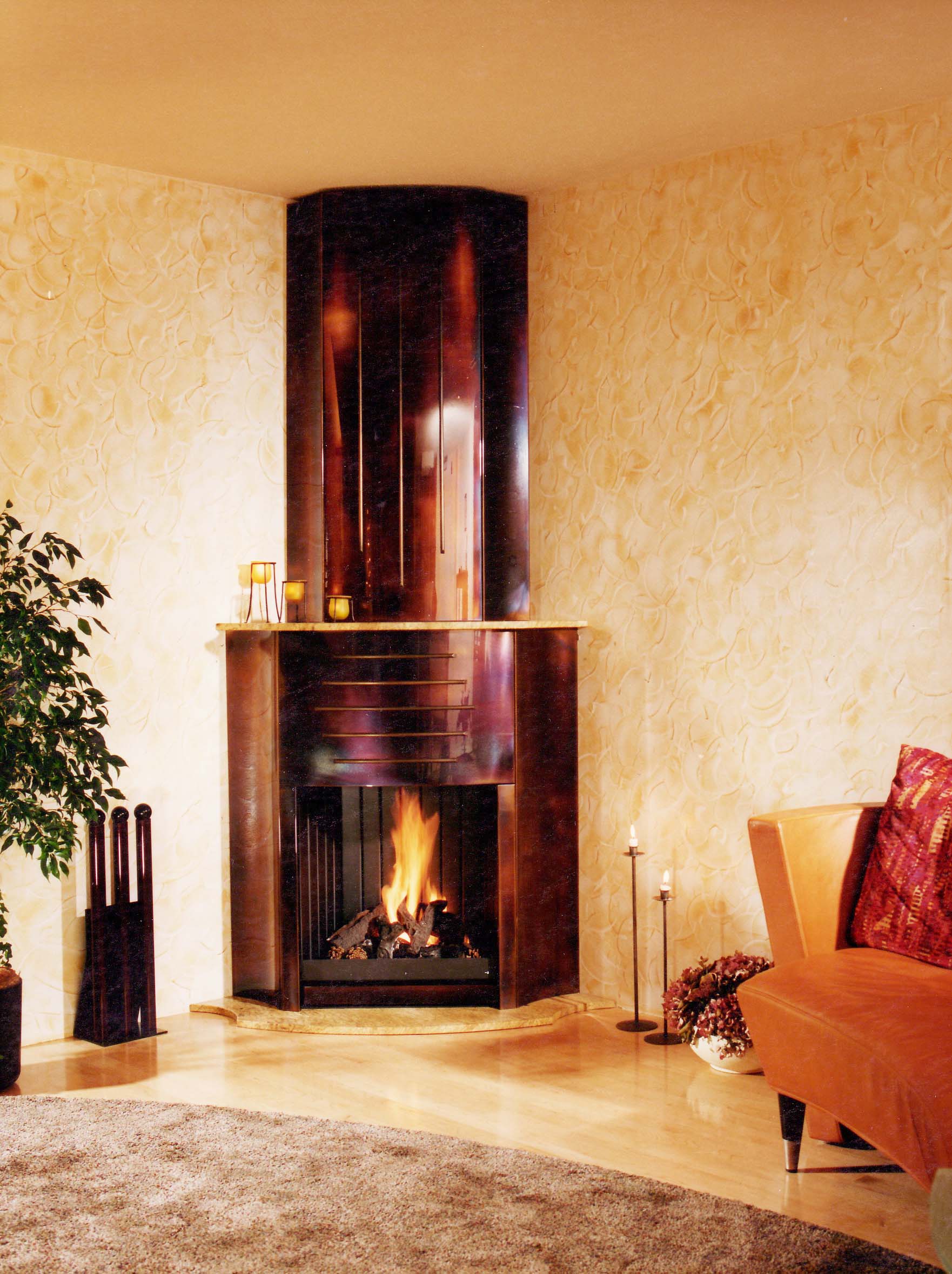
The historical significance of Art Deco fireplaces adds to their charm. Originating in the 1920s-30s, these fireplaces reflected the era’s optimism and technological progress. The geometric designs paralleled skyscraper architecture and industrial advancements. My fireplace likely represented modernity and luxury when first installed. Recognizing this context makes me appreciate it as more than just a heating source. It’s a tangible connection to an innovative design movement that transformed architecture worldwide. Preserving these elements honors craftsmanship that might otherwise disappear from homes.
Having lived with my restored Art Deco brick fireplace for several years, I can’t imagine my home without it. The character it adds transcends trends, remaining relevant through changing decor styles. It serves as a daily reminder of thoughtful design that balances form and function beautifully. The fireplace has become my favorite spot to relax, its dancing flames accentuating the geometric brick patterns. What began as a restoration project became a cherished connection to design history. The fireplace doesn’t just warm my home, it elevates everyday moments with its timeless elegance.

How can I identify an original Art Deco brick fireplace?
Look for distinctive geometric brick patterns like zigzags, chevrons, or stepped designs. Original Art Deco fireplaces often use contrasting brick colors to emphasize these shapes. The surround typically extends vertically with clean lines, sometimes incorporating decorative tiles. Recessed mortar joints create shadow lines that enhance the dimensional effect. Many feature curved corners or streamlined hearths. Check architectural details throughout your home, as Art Deco fireplaces were usually part of a cohesive design scheme. Mine was identifiable by its black accent bricks forming precise diagonal patterns.
Can I create an Art Deco look with a modern brick fireplace?
Absolutely, you can adapt Art Deco principles to new construction. Use brick in two or three contrasting colors arranged in geometric patterns. Consider adding black mortar for dramatic shadow lines. Incorporate decorative tiles with period-appropriate motifs like sunbursts or zigzags. Keep lines clean and symmetrical, avoiding ornate detailing. A stepped or tiered design above the firebox mimics classic Deco architecture. I’ve seen stunning contemporary interpretations using brick veneer that capture the spirit while meeting modern building codes.

What’s the best way to clean an original Art Deco brick fireplace?
Start with gentle dry brushing to remove loose soot and dust. For deeper cleaning, use a mild detergent solution and soft brush, working in small sections. Avoid harsh chemicals or pressure washing that could damage historic mortar. Test any cleaner on an inconspicuous area first. I use a special masonry sponge for soot stains, rinsing frequently. Protect any decorative tiles with painter’s tape before cleaning. Afterward, consider applying a breathable masonry sealer to protect without altering the appearance. Always work gently to preserve the original surface.
Are Art Deco brick fireplaces energy efficient?
Original designs prioritize aesthetics over efficiency, but you can improve performance. Adding a properly sized insert boosts heat output while preserving the decorative surround. Ensure the damper seals tightly when closed. I installed heat-resistant glass doors that reduce drafts when the fireplace isn’t in use. The brick’s thermal mass helps radiate heat, especially if you build fires against the back wall. While not as efficient as modern systems, my restored fireplace provides sufficient warmth for my medium-sized room when used properly.

What mantel styles complement an Art Deco brick fireplace?
Simple, geometric mantels work best. I chose a streamlined oak shelf with subtle stepped ends that echo the brick patterns. Blackened steel or chrome mantels capture the machine-age Deco aesthetic. Some originals had built-in geometric surrounds without separate mantels. Avoid ornate carved wood that clashes with the Deco simplicity. My friend used a cantilevered marble slab that looks stunning. The key is keeping lines clean and letting the brickwork remain the star. Minimalist decor on the mantel maintains the period-appropriate look.
How can I update my Art Deco fireplace without losing its character?
Consider repointing with historically accurate mortar if joints are deteriorating. Subtle lighting above the fireplace can highlight the brick patterns at night. I added discreet LED strips that accentuate the geometric designs. For a fresh look, you might paint surrounding walls in period-appropriate colors like pale green or peach. Replace missing tiles with accurate reproductions rather than removing all the originals. My most impactful update was restoring the original iron fireplace tools that complete the period look. Always preserve key features while making functional improvements.
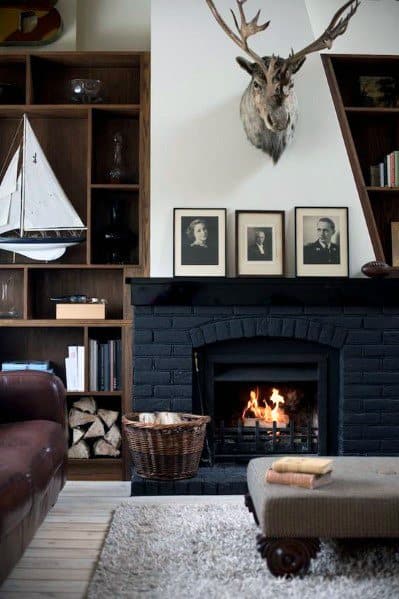
How to paint a brick fireplace

ART DECO FIREPLACE on Pinterest

Art deco fireplace, Deco wall and Kitchen cupboards

Tiled Art Nouveau fireplace – Fire grate
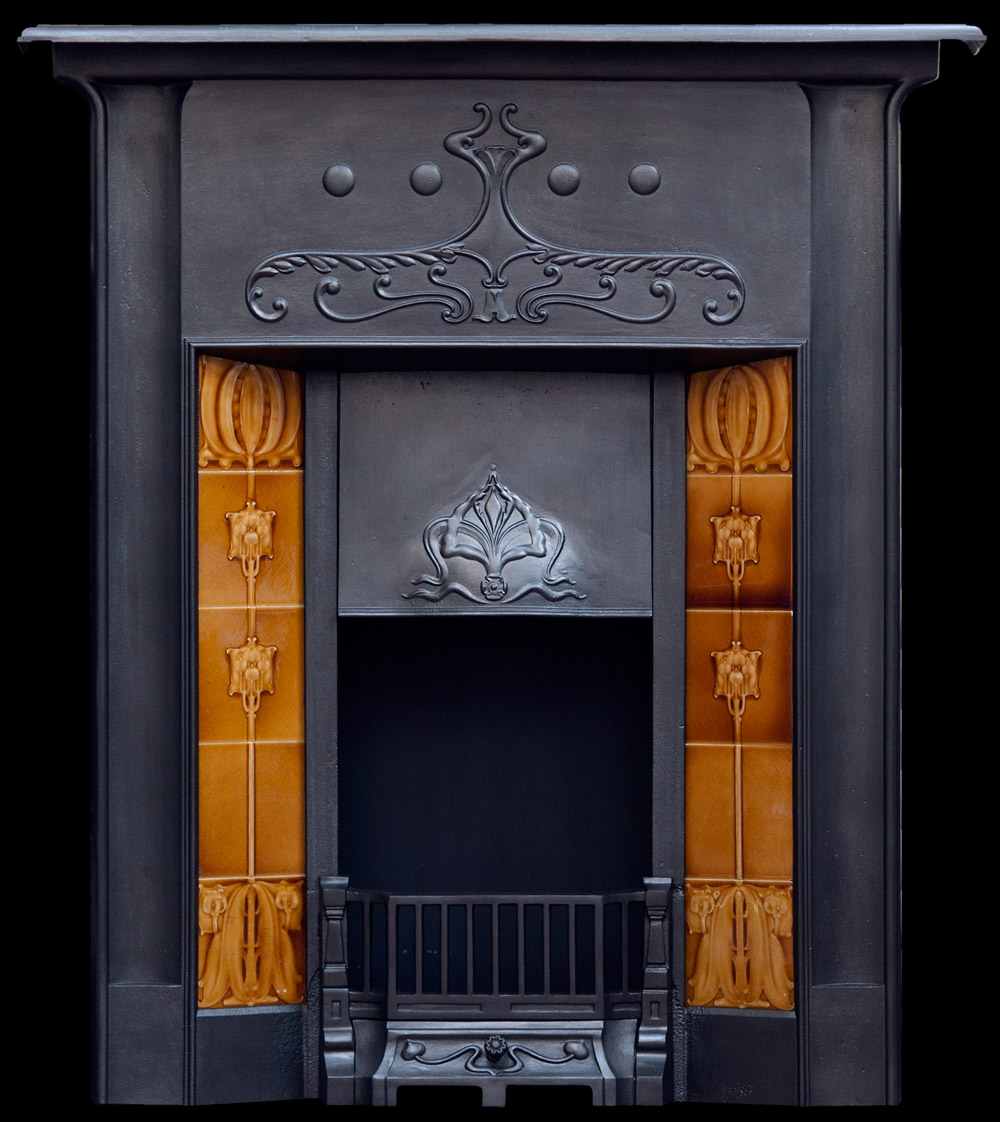
Art Nouveau Fireplaces on Pinterest Arts & crafts, Fireplace tiles and

DIY Fireplace Makeover Marble Black #Fireplacedecorating Modern fireplace, Fireplace surrounds

New reproduction Art Deco Streamline Moderne fires & fireplaces & fire surrounds in plaster

Related Posts: