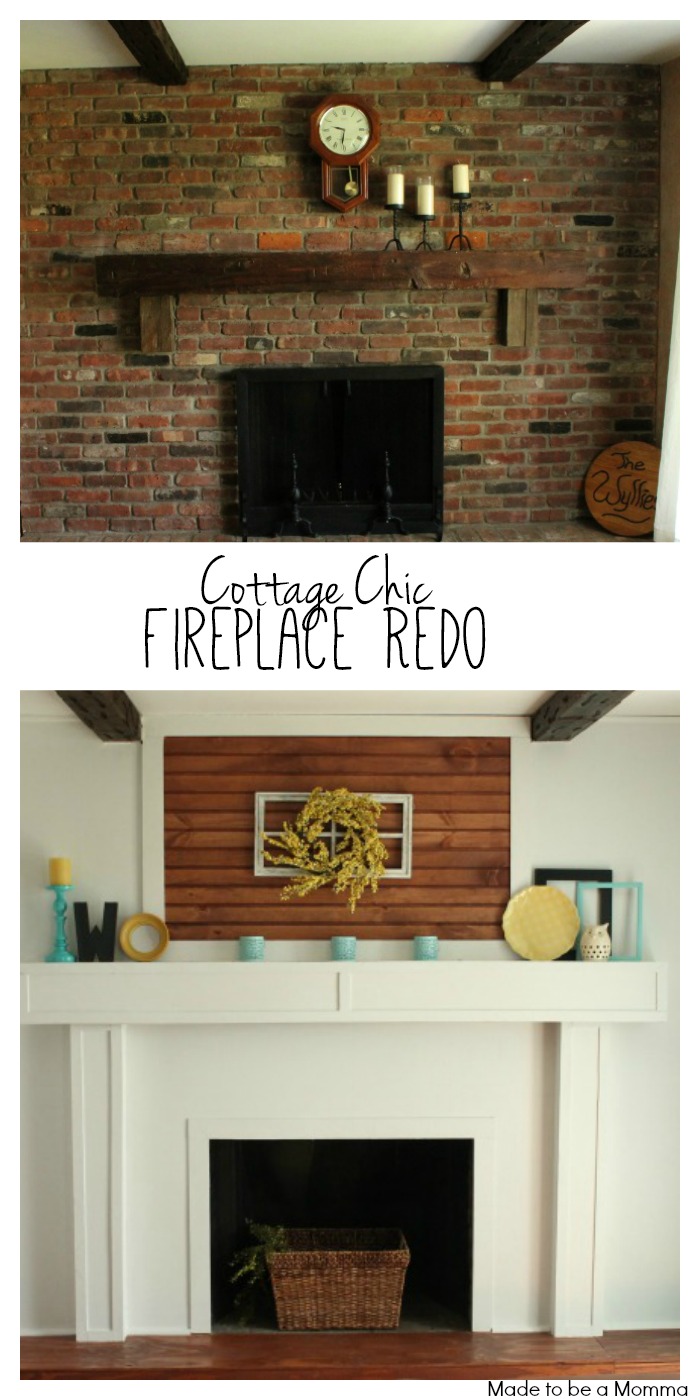
My eyes was frequently drawn to our red brick fireplace, which felt both outdated and out of step with my changing home style. While it had a certain rustic appeal, its overwhelming crimson and old design no longer suited my goal for a more modern and updated living room. The idea of renovating the fireplace became a recurring thought, a project with the potential to completely transform the room. I began to investigate various ways to update its appearance, ranging from minor cosmetic adjustments to major structural alterations. The possibility of revitalizing this central element was extremely intriguing.
One of the first options I investigated was to just paint the masonry. This seems to be a simple and inexpensive solution to rapidly change the prevailing color of the fireplace. I experimented with a variety of paint colors, from crisp whites and soft greys for a clean, contemporary look to warmer, more muted tones for a subtle update. The concept of a painted brick fireplace provided a blank canvas, allowing me to effortlessly combine it with my existing decor and achieve a more coherent effect across the area. The simplicity of this method was quite appealing.

Another idea that attracted my curiosity was to add whitewash or limewash to the brick. These procedures involve diluting paint or lime with water before applying it to the brick surface, enabling some of the red tones and texture to shine through. This will lessen the starkness of the red brick while also providing a sense of rustic charm and a lighter, more airy vibe. I imagined a whitewashed fireplace that exuded a comfortable and friendly atmosphere, merging in with a more cottage-inspired or farmhouse design.
For a more dramatic alteration, I contemplated installing a new mantel. The current mantel was rather basic, and replacing it with a more substantial or stylistically different one might dramatically change the entire aspect of the fireplace. I considered everything from rustic wooden beams to sleek, modern shelving, thinking how each design would look against the red brick, whether painted or left as is. A new mantel seems to be an important component in reinventing the fireplace’s character.

Facing the brick itself provided opportunity for change. I investigated the option of putting a thin coating of stone veneer or tile to the existing brick. This would totally conceal the red brick while also allowing me to experiment with various textures and color palettes. Natural stone veneers in earthy tones were available, as well as sleek, contemporary tiles in a variety of sizes and finishes. This method provided a full makeover, allowing for a considerable stylistic shift.
I also contemplated replacing the hearth, which is the non-combustible region at the foot of the fireplace. The existing brick hearth felt quite monolithic in comparison to the rest of the fireplace. I considered replacing it with a different material, such as slate, stone, or a contrasting tile. A new hearth could give a visual break while also adding more texture and interest to the overall fireplace design. This element seems to be a subtle yet effective method to freshen the look.

Even minor cosmetic modifications can make a difference. Updating the fireplace screen, toolset, and any decorative objects on the mantel can help to create a more coherent and up-to-date look. Replacing outmoded brass elements with more modern matte black or brushed nickel hardware could also discreetly update the fireplace’s design. These minor modifications, while not affecting the brick itself, could lead to a big overall improvement.
Throughout my research, I weighed the expense and work associated with each alternative. Painting was the most cost-effective and straightforward DIY activity. Applying veneers or tiles, or changing the hearth, would probably necessitate additional time, skill, and possibly professional assistance. Balancing my intended objective with the practical limits of budget and time was a critical decision-making step.

My ideas for renovating the red brick fireplace grew as I studied the numerous options. I understood that the trick was to achieve a coherent design that complemented the rest of my home’s decor. Whether it was with paint, whitewash, a new mantel, or a total refacing, the goal was to change the fireplace from a dated element to a stylish focal point that I could genuinely appreciate. The ability to alter this prominent feature had enormous promise for improving the entire atmosphere of my living area.
Ultimately, deciding how to restore my red brick fireplace came down to striking the appropriate mix between aesthetic change, practicality, and cost. The process of examining various choices allowed me to see the fireplace in a new perspective, no longer as an antiquated piece, but as an opportunity to inject new flair and character into my home. I was excited to start the chosen project and see how it would transform the heart of my living room, producing a fireplace that felt both modern and inviting.

What are some relatively simple and cost-effective ways to refurbish a red brick fireplace without making major structural changes?
Painting the brick is an inexpensive and simple approach to change its color and general appearance. Applying a whitewash or limewash treatment can neutralize the crimson tones while giving a rustic touch. Updating the mantel with a new style or finish can also dramatically change the appearance of the fireplace. Replacing obsolete hardware, such as the screen or toolset, with more modern options might provide a modest but significant upgrade without requiring major effort.
What are the concerns and stages for painting a red brick fireplace, and what sort of paint is suggested?
Before painting, clean the brick well to remove soot, dust, and grease. To guarantee appropriate paint adhesion, apply a masonry primer. Use a high-quality, heat-resistant paint intended for masonry or fireplaces, such as latex or acrylic paint. Using a brush or roller, apply thin, even layers, allowing each to dry completely before proceeding to the next coat. Proper ventilation is necessary during the painting process.
What is the difference between whitewashing and limewashing a brick fireplace, and what aesthetic do they achieve?
Whitewashing is often done by diluting latex paint with water to create a semi-transparent wash that enables some of the brick’s color and texture to show through, resulting in a softer, more worn appearance. Limewashing is a process that uses a mixture of slaked lime and water to create a permeable surface with a chalky, matte appearance that varies in opacity based on the number of applications applied, typically providing a more rustic or European feel.
If I want to entirely modify the appearance of my red brick fireplace, what are some refacing options?
Refacing options include putting a thin stone veneer, which has the appearance and texture of genuine stone and comes in a variety of styles and hues. Tile is another adaptable alternative that comes in a variety of materials, sizes, and finishes, providing for a wide range of design options, from modern to traditional. Brick veneer can also be used to change the design or color of bricks. These procedures require gluing the new material to the existing brick surface.

What are some options for renovating the hearth of a red brick fireplace to provide a more coherent or contrasting look?
The hearth can be modified by placing new tiles in a different color, pattern, or material, such as slate, granite, or ceramic. Replacing the brick fireplace with a solid piece of stone might result in a more substantial and elegant appearance. Raising the hearth level or increasing its size can also change the fireplace’s dimensions and appearance. When deciding on hearth materials and patterns, keep your entire style in mind.
Are there any potential safety problems or building codes to consider while renovating a red brick fireplace, particularly if structural alterations or new materials are involved?
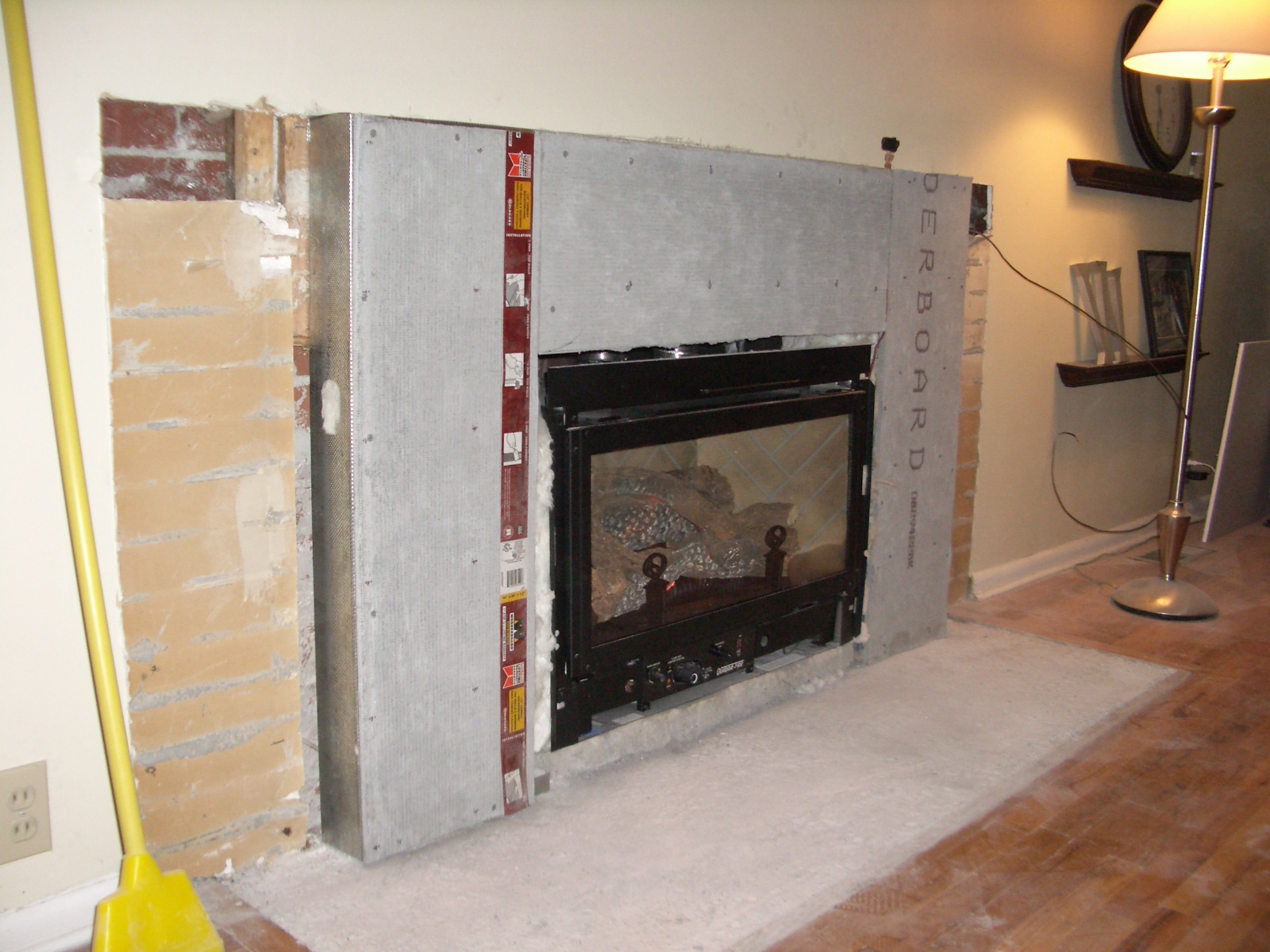
Safety is critical. Ensure that any new materials utilized around the firebox are non-combustible or have adequate heat resistance ratings. If you’re changing the mantel or hearth, make sure they fulfill local building regulations for clearances from the fire opening. If you are unclear about structural alterations or material compatibility, always speak with a competent professional to guarantee safety and code compliance.

I would so love to redo this UGLY fireplace made of brick
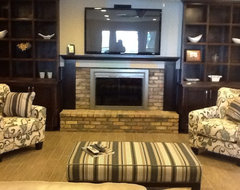
Brick Laminate Picture: Brick Fireplace Makeover

Fireplace redo
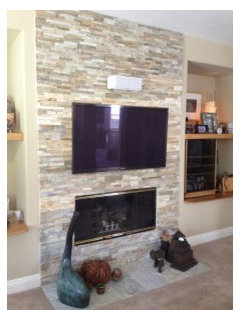
Fireplace Paint Kit Lighten Brighten Old Brick Fireplaces in 2020 Painted brick fireplaces

DIY-How to paint old red brick fireplace to look like stone. Vacuum first to remove debris. Wipe

family room ideas with fireplace and shiplap Rustic farmhouse fireplace

The Project Spot: Fireplace Redo
Related Posts: