When I first moved into my century-old farmhouse, the massive stone fireplace was both a blessing and a curse. Sure, it looked magnificent with its hand-hewn mantel and charred brick interior, but heating efficiency? That was practically nonexistent. Most of the heat went straight up the chimney, leaving me shivering despite burning through cord after cord of expensive firewood. That’s when I discovered wood stove fireplace inserts, and honestly, it changed everything about how I heat my home.
I’ll admit, I was skeptical at first. The idea of retrofitting a modern wood stove into my traditional fireplace seemed almost sacrilegious. But after doing my research and talking to several neighbors who had made the switch, I realized that a fireplace insert could give me the best of both options: the ambiance of a real fire with the heating efficiency of a proper wood stove. The insert would sit inside my existing firebox, connected to a liner that runs up through my chimney, creating a much more controlled and efficient burning system.

The installation process was more involved than I initially expected, but working with a certified technician made all the difference. First, we had to measure my firebox dimensions carefully to ensure proper fit and clearance. Then came the chimney inspection, which revealed some minor repairs needed before we could install the liner. I learned that most inserts require a full stainless steel liner running from the stove to the chimney top, which maintains proper draft and prevents dangerous creosote buildup in the old masonry.
Choosing the right insert took considerable research on my part. I needed to balance heating capacity with the size of my living space, which is about 1,800 square feet of open-concept design. Too small, and I wouldn’t get adequate heat distribution. Too large, and I’d be opening windows in January. I ultimately selected a medium-sized cast iron insert rated for up to 2,000 square feet, with a large viewing window that preserves the visual appeal of my original fireplace opening.

The difference in heating efficiency blew me away from the very first fire. Where my open fireplace might have provided 10-15% efficiency, my new insert delivers around 75-80% efficiency. This means I’m using roughly one-third the amount of firewood to heat the same space, which has saved me hundreds of dollars each heating season. The heat output is consistent and controllable through air intake adjustments, allowing me to maintain comfortable temperatures throughout the evening and even into the next morning with overnight burns.
One aspect I didn’t fully appreciate beforehand was how much cleaner burning the insert would be compared to my old open fireplace. The secondary combustion system burns the smoke and gases that would normally escape up the chimney, resulting in much less creosote formation and far fewer emissions. My neighbors have commented on how they rarely see smoke coming from my chimney now, even when I have a roaring fire going. This cleaner burning also means less maintenance and safer operation overall.
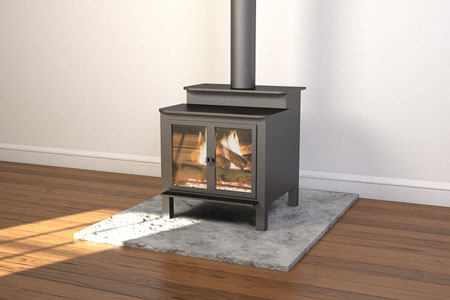
The learning curve for operating my insert efficiently took a few weeks to master. Unlike throwing logs on an open fire and walking away, proper insert operation requires attention to air controls, loading techniques, and timing. I learned to build smaller, hotter fires rather than large, smoldering ones. Loading the firebox with properly seasoned hardwood, arranging the logs for optimal airflow, and adjusting the primary and secondary air controls became second nature after a month of regular use.
Maintenance has proven much simpler than I anticipated. Monthly cleaning of the glass doors with specialized cleaner keeps the viewing area crystal clear. Annual chimney cleaning by a professional service ensures safe operation and optimal draft. The ash pan system makes cleanup far easier than shoveling ashes from an open fireplace, though I still let everything cool completely before handling. Inspecting the door gaskets and testing the latch mechanism each season helps maintain the airtight seal that’s crucial for efficient operation.

The aesthetic impact surprised me in the best possible way. Rather than detracting from my fireplace’s traditional charm, the insert actually enhanced it. The large glass front provides an unobstructed view of the flames, and the cast iron construction complements the rustic stone surround beautifully. When the fire is burning, guests often don’t realize they’re looking at an insert rather than a traditional fireplace until I mention it. The gentle hum of the circulation fan is barely noticeable and effectively distributes warm air throughout the room.
Looking back after three years of use, installing a wood stove fireplace insert ranks among the best home improvements I’ve ever made. My heating costs have dropped significantly, my home stays warmer and more comfortable, and I still get to enjoy the crackling ambiance of a real wood fire. If you’re dealing with an inefficient open fireplace and considering your options, I can’t recommend exploring fireplace inserts highly enough. The combination of efficiency, safety, and maintained aesthetics makes it an ideal solution for many homeowners.

How much can I expect to save on heating costs with a wood stove insert?
In my experience, the savings have been substantial. I’ve cut my firewood usage by about two-thirds while heating the same space more effectively. My annual heating costs dropped by roughly 60% compared to relying on my old open fireplace. The exact savings depend on your local wood prices, home size, and how often you use the insert, but most people see significant reductions in their heating bills within the first season.
Is installation something I can handle myself, or do I need a professional?
I strongly recommend using a certified professional for installation. While some aspects might seem straightforward, proper chimney liner installation, clearance measurements, and safety inspections require expertise. My installer also handled the necessary permits and final inspections. The peace of mind knowing everything was installed correctly and safely was worth every penny of the installation cost.

How often does a wood stove insert need maintenance and cleaning?
Based on my routine, I clean the glass monthly during heating season and empty the ash pan every few weeks. Annual professional chimney cleaning and inspection are essential for safe operation. I also check door gaskets and hinges at the start of each season. Overall, maintenance is minimal compared to the benefits, and much easier than maintaining an open fireplace system.
Will an insert work with my existing chimney, or do I need major modifications?
Most existing chimneys can accommodate inserts, but you’ll likely need a full stainless steel liner installed from the insert to the chimney top. My installer inspected the chimney structure, repaired some minor mortar issues, and installed the liner system. Some very old or damaged chimneys might need more extensive work, but a professional evaluation will determine what’s needed for your specific situation.

How do I know what size insert I need for my space?
Sizing depends on your heating area, insulation quality, ceiling height, and home layout. I worked with my dealer to calculate the BTU requirements for my 1,800 square foot space. Generally, you want an insert rated for slightly more than your square footage to ensure adequate heating capacity. Oversizing can lead to overheating issues, while undersizing won’t provide sufficient warmth.
What’s the difference in ambiance compared to a traditional open fireplace?
Honestly, I think the ambiance is actually better with my insert. The large glass front provides an unobstructed view of the flames, and the fire burns more consistently and controllably. You still get the crackling sounds and dancing flames, but without the smoke and heat loss issues. The gentle circulation fan distributes warmth evenly, creating a more comfortable environment for enjoying the fire.

Fireplaces Models, Wood insert and Stove

Wood burning stoves, Fire places and Wood stoves

Fireplace, Stove, Insert Installations and Surround Renovations – Sierra Hearth and Home
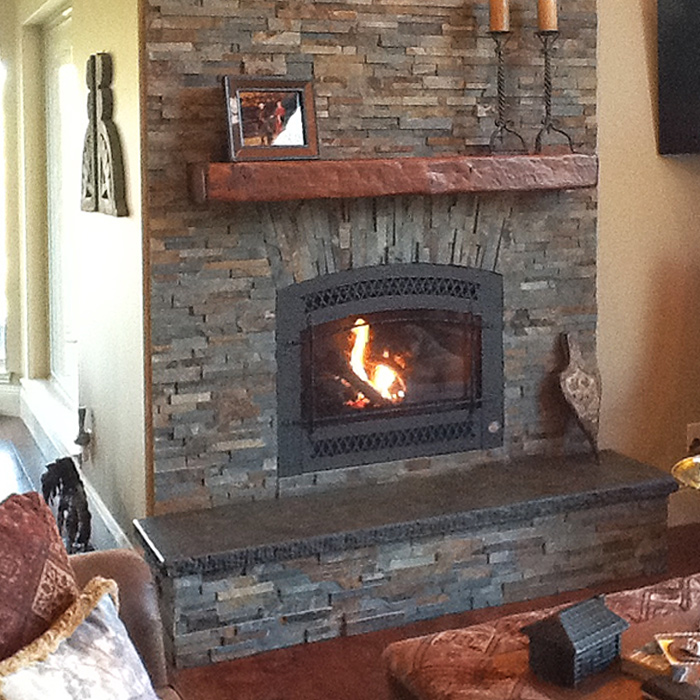
Inset TV above fireplace Stone fireplace designs, Home fireplace, Stacked stone fireplaces

open middle of room wood stove circular Dream Home Pinterest Stove, Fireplaces and Curves

Related Posts: