When I inherited my grandmother’s 1940s Tudor-style home, the living room felt awkwardly arranged despite its generous size and beautiful hardwood floors. The furniture seemed to float aimlessly in the space, lacking any natural focal point or sense of purpose. That’s when I discovered the remnants of what had once been a corner fireplace, hidden behind decades of renovations and a built-in bookshelf.
The original chimney structure was still intact, and traces of the hearth remained beneath layers of carpet and subflooring. After consulting with a restoration specialist who confirmed the feasibility of bringing it back to life, I embarked on a journey to restore this forgotten architectural gem that would transform not just the room’s layout but the entire character of our family gatherings.

The decision to restore rather than modernize felt right from the beginning, honoring both my grandmother’s memory and the home’s authentic 1940s character. Vintage corner fireplaces have a unique charm that modern installations simply cannot replicate, with their angled placement creating intimate seating arrangements that encourage conversation and connection. The original design featured beautiful Art Deco-inspired tilework and a carved wooden mantel that reflected the era’s attention to craftsmanship and detail.
I spent months researching period-appropriate materials and techniques, poring over architectural magazines from the 1940s and consulting with craftspeople who specialized in historical restorations. The goal was not just to create a functional fireplace but to resurrect a piece of history that would serve as a bridge between past and present, connecting our family’s future memories with the generations who had gathered around this same hearth decades earlier.

Finding the right restoration team proved more challenging than I had anticipated, requiring patience and persistence to locate craftspeople with both the skills and passion for historical accuracy. Most contractors wanted to install a modern gas insert and call it finished, but I was determined to restore the original wood-burning functionality while meeting current safety codes. After interviewing six different teams, I found Marcus, a master mason whose grandfather had built similar fireplaces during the post-war housing boom. He understood the nuances of 1940s construction techniques and had access to period-appropriate materials, including reclaimed brick and vintage tile that matched the original design.
Marcus explained how corner fireplaces of this era were engineered differently than traditional wall-mounted units, with unique flue angles and heat distribution patterns that required specialized knowledge to restore properly. His enthusiasm for the project matched my own, and together we developed a restoration plan that would honor the fireplace’s original design while incorporating modern safety features.

The demolition phase revealed both pleasant surprises and unexpected challenges that tested our resolve and creativity. Beneath layers of drywall and modern updates, we discovered that much of the original stonework was in remarkable condition, protected by the bookshelf that had covered it for thirty years. The Art Deco tilework, while covered in paint and adhesive residue, was largely intact and more beautiful than I had dared to hope.
However, we also uncovered water damage from a long-ago roof leak that had compromised some of the structural elements, requiring careful repair and reinforcement. The original damper mechanism had seized completely, and decades of debris had accumulated in the chimney, necessitating a complete cleaning and inspection. Marcus approached each challenge with patience and problem-solving skills, often suggesting creative solutions that preserved original materials while ensuring the fireplace would function safely and efficiently for years to come.
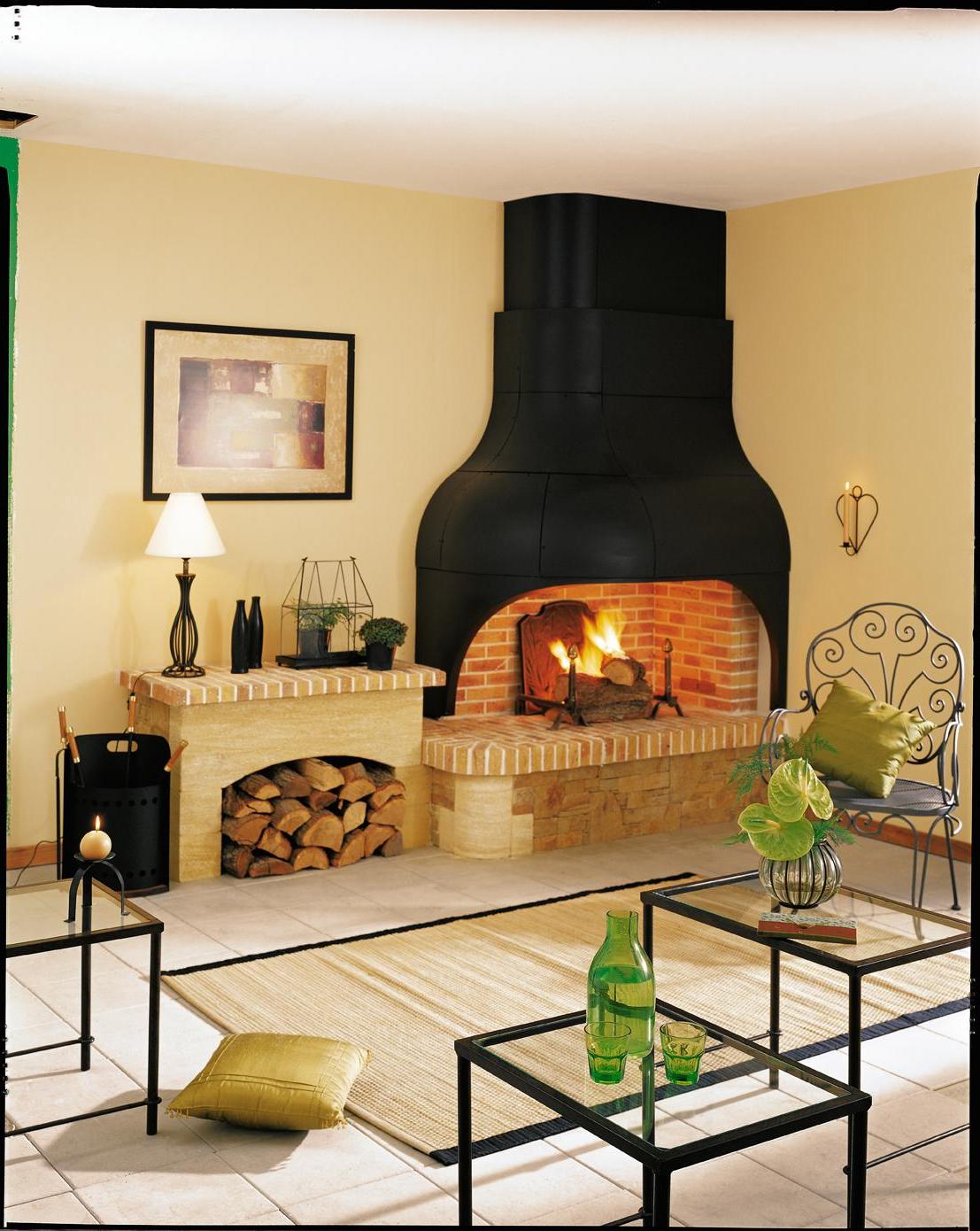
Sourcing authentic materials became an adventure in itself, taking me to architectural salvage yards, antique shops, and online marketplaces across three states. The search for period-appropriate replacement tiles led me to a retired ceramicist in Ohio who still had unused inventory from a 1940s tile manufacturer, tiles that perfectly matched the geometric patterns and glaze colors of the originals. Finding the right type of firebrick required consulting with a specialty supplier who understood the specific heat-resistant properties needed for the unique angles of a corner installation.
Even the mortar had to be carefully matched, using a lime-based mixture that would complement the original construction while providing modern durability. The wooden mantel required restoration by a furniture specialist who painstakingly removed decades of paint layers to reveal the beautiful oak grain underneath, then applied period-appropriate stain and finish that matched the home’s other original woodwork. Each material decision was guided by historical accuracy and quality, ensuring that the restored fireplace would look and function as it had in its original glory.

The installation process stretched over six weeks, with each phase requiring careful coordination between different specialists and trades. Rebuilding the firebox involved precise angles and measurements to ensure proper draft and heat reflection, skills that Marcus had honed over decades of working with vintage designs. The tile installation required extraordinary patience, as each piece had to be hand-cut and fitted to accommodate the corner configuration and any irregularities in the underlying structure.
Restoring the mantel required multiple trips back to the woodworker as we fine-tuned the fit and finish to achieve seamless integration with the surrounding architecture. The chimney work involved installing a new liner while preserving the exterior brickwork that contributed to the home’s street appeal. Throughout the process, I learned to appreciate the craftsmanship of the original builders, whose attention to detail and quality construction had allowed this fireplace to survive decades of neglect and still serve as the foundation for a beautiful restoration.

The first fire was an emotional moment that connected me to generations of family memories I had only heard about in stories. As flames flickered against the restored tilework and cast warm light across the carved mantel, I could imagine my grandmother hosting holiday gatherings in this same spot, my grandfather reading his evening paper in the corner chair, and countless family conversations that had unfolded in the fireplace’s warm glow. The corner placement created an intimate seating area that naturally encouraged people to gather closer together, fostering the kind of face-to-face interaction that seems increasingly rare in our digital age.
The restored fireplace had become more than a heating source or architectural feature; it was a time machine that brought the past alive while creating new opportunities for connection and tradition. That first evening, as my own children roasted marshmallows and shared stories around the fire, I knew that this restoration had preserved something precious that would continue to bring families together for generations to come.
Living with a vintage corner fireplace has taught me valuable lessons about maintenance, seasonal preparation, and the rhythms of traditional home heating. Unlike modern gas fireplaces that operate at the flip of a switch, this authentic wood-burning unit requires planning, preparation, and a deeper connection to the heating process. I’ve learned to recognize different wood types and their burning characteristics, to properly season and store firewood, and to read the subtle signs that indicate when cleaning or maintenance is needed.
The corner location provides excellent heat distribution to multiple seating areas but requires thoughtful furniture arrangement to maximize both warmth and conversation flow. Regular maintenance includes monthly cleaning during burning season, annual chimney inspections, and periodic repointing of the stonework to ensure weather protection. The investment in time and attention has been rewarded with reliable performance and the deep satisfaction that comes from maintaining a piece of family history with my own hands.

Decorating around a vintage corner fireplace presents unique opportunities and challenges that differ significantly from traditional wall-mounted units. The angled placement creates interesting sight lines and allows the fireplace to serve as a room’s focal point while leaving wall space free for other uses. I’ve discovered that the corner location works beautifully with both formal and casual furniture arrangements, allowing for intimate conversation areas that feel cozy without being cramped.
The restored Art Deco tilework provides a stunning backdrop that complements both period antiques and carefully chosen contemporary pieces. Seasonal decorating takes on special meaning when you’re working with authentic historical elements; each holiday display feels like a continuation of traditions that began decades ago. The mantel has become a gallery for family photographs, vintage collectibles, and seasonal arrangements that change throughout the year but always respect the fireplace’s historical character and architectural integrity.

Three years after completing the restoration, this vintage corner fireplace has exceeded every expectation and become the beating heart of our home. It has transformed not just the room’s functionality but our family’s daily routines and social patterns, creating natural gathering points for everything from homework help to holiday celebrations. Friends and visitors consistently comment on the fireplace’s unique character and the cozy atmosphere it creates, often spending entire evenings clustered around its warmth, discussing everything from current events to childhood memories.
The restoration has also proven to be a wise financial investment, significantly increasing the home’s value while providing irreplaceable historical authenticity that modern installations cannot match. Most importantly, it has preserved a piece of family history and architectural heritage for future generations, ensuring that the craftsmanship and character of the 1940s will continue to enrich lives and create memories for years to come. The journey from hidden remnant to restored centerpiece has taught me that some things are worth preserving, not just for their beauty or function, but for their ability to connect us to our past while enriching our present.

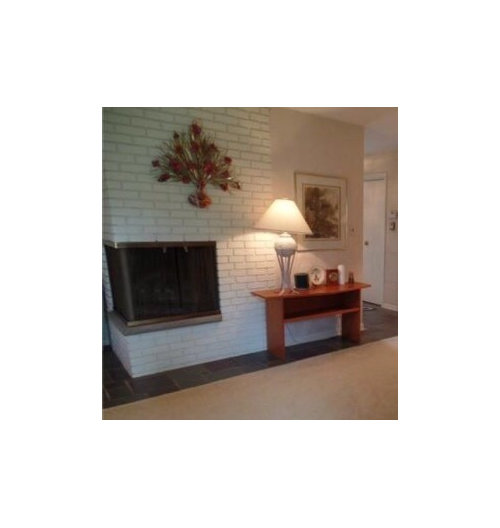
Updating the look of a 1960 corner fireplace
Vintage Finds
Related Posts: