I discovered the magic of round outdoor fireplaces during a camping trip where our group naturally gathered in a perfect circle around the campfire. This organic arrangement sparked an idea that eventually transformed my backyard into the neighborhood’s favorite gathering spot. Unlike traditional rectangular fire features that create formal seating arrangements, round fireplaces encourage intimate conversations and equal participation from all guests. When I finally installed my round outdoor fireplace three years ago, it instantly became the heart of every outdoor gathering. The 360-degree warmth distribution and unobstructed views from every angle create an inviting atmosphere that draws people together naturally.
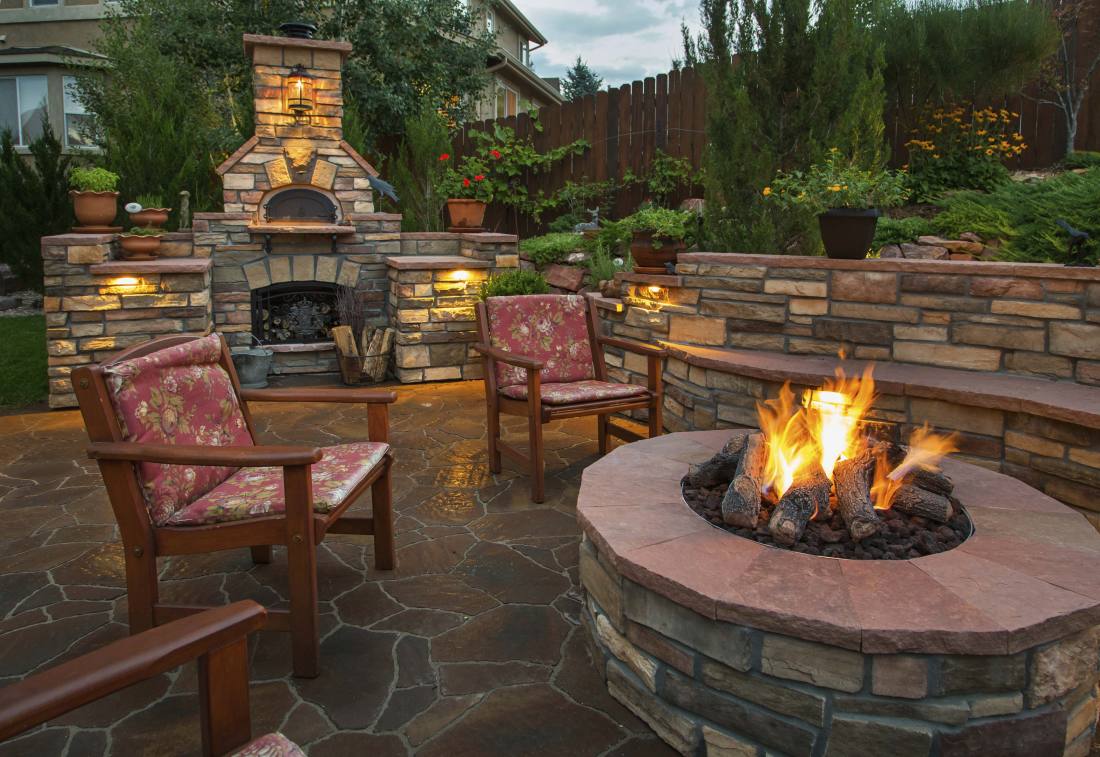
Design versatility has made round outdoor fireplaces my top recommendation for homeowners seeking functional and beautiful focal points in their outdoor spaces. I’ve seen everything from rustic stone circles that blend seamlessly into natural landscapes to sleek modern designs featuring polished concrete and steel accents. My own choice was a natural fieldstone construction that complements my garden’s organic aesthetic while providing substantial heat output for year-round use. The circular shape works equally well with contemporary patio furniture or traditional outdoor dining sets. This adaptability means your investment will remain stylish through changing decor trends and seasonal updates, making it an excellent long-term addition to any outdoor space.
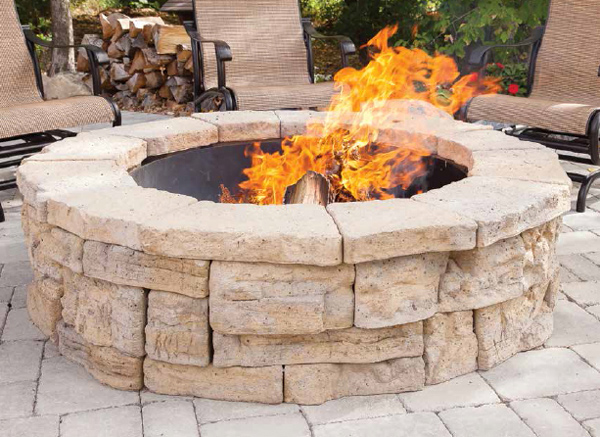
Construction materials for round outdoor fireplaces offer distinct advantages and aesthetic possibilities that I’ve explored through various projects and installations. Natural stone provides timeless beauty and excellent heat retention that keeps the area warm long after fires die down. Steel and metal constructions heat quickly and create striking modern appearances that complement contemporary home designs. Brick offers classic charm with easy maintenance and consistent availability for repairs or expansions. I chose local fieldstone for its natural appearance and superior durability in my climate. Each material requires different installation techniques and maintenance approaches, so consider your local weather conditions, available maintenance time, and desired aesthetic when making selections.
Safety considerations dominated my planning process when designing my round outdoor fireplace installation to ensure years of worry-free enjoyment. Proper clearance distances from structures, plants, and seating areas are critical for preventing accidents and fire hazards during use. I installed my fireplace at least fifteen feet from my house and ten feet from any overhanging branches or flammable structures. Wind direction patterns in my yard influenced the final placement to prevent smoke from blowing toward seating areas or neighboring properties. A reliable water source and fire extinguisher remain readily accessible during every use. Local fire codes and homeowner association rules may restrict placement, size, or usage, so research thoroughly before beginning construction.

Installation complexity varies significantly depending on your chosen design, local regulations, and site conditions that affect both cost and timeline considerations. Simple above-ground metal rings require minimal site preparation and can be installed in a weekend by capable DIY enthusiasts. Permanent stone or brick constructions need proper foundations, drainage systems, and often professional masonry work for optimal safety and longevity. My installation required utility marking, excavation, gravel foundation preparation, and skilled stonework that took two weeks to complete properly. Gas-fed versions add complexity with underground line installation and professional connections required for safety compliance. Consider these factors when budgeting both time and money for your project.
Fuel options for round outdoor fireplaces include wood, natural gas, and propane, each offering distinct advantages depending on your preferences and circumstances. Wood provides authentic crackling sounds and aromatic smoke that many people associate with perfect outdoor fire experiences. Natural gas offers convenient operation without wood storage or ash cleanup hassles, though installation costs more initially. Propane systems provide portability and independence from utility connections while maintaining clean-burning convenience. I chose wood for the traditional experience and lower operating costs, though I sometimes miss the instant ignition convenience of gas systems. Consider your usage patterns, maintenance preferences, and local fuel availability when selecting the best option for your situation.

Seating arrangements around round fireplaces require thoughtful planning to maximize comfort, conversation, and heat distribution for optimal guest experiences. I learned that maintaining consistent distances from the fire ensures everyone receives equal warmth without some guests feeling left out or uncomfortable. Built-in stone or concrete benches create permanent seating that can’t be rearranged inappropriately, though they lack cushioning for extended comfort. Moveable outdoor furniture offers flexibility for different group sizes and activities but requires storage during harsh weather. I use a combination approach with built-in stone seating supplemented by comfortable outdoor chairs that can be added or removed as needed for different occasions.
Maintenance requirements for round outdoor fireplaces depend heavily on construction materials and fuel types, but all require regular attention for safe operation. Wood-burning units need ash removal after each use and periodic cleaning of fire bowls to prevent buildup that could affect drainage. Stone and masonry construction requires annual inspection for cracks, loose mortar, or weather damage that could compromise structural integrity. Metal components may need refinishing or rust treatment depending on your local climate conditions. I perform monthly inspections during active seasons and address small issues immediately before they become expensive problems. Proper covers protect the fireplace during extended periods of non-use, extending lifespan significantly.

Entertainment possibilities expand dramatically when you have a reliable round outdoor fireplace as the centerpiece of your outdoor living space design. I’ve hosted everything from intimate dinner parties to large family reunions around my fireplace, and it accommodates different group dynamics beautifully. The circular design encourages conversation and creates natural gathering spaces that work for both formal entertaining and casual socializing. Children love roasting marshmallows and telling stories around the fire, while adults appreciate the relaxing atmosphere for evening conversations. The extended outdoor season provided by reliable warmth has increased my property’s usable space significantly, making the investment worthwhile from both lifestyle and financial perspectives.
My experience with round outdoor fireplaces has convinced me they represent one of the best investments for enhancing outdoor living and property value simultaneously. The combination of functional heating, attractive design, and social benefits creates compelling value that extends far beyond simple fire features. Whether you choose a simple steel ring for casual use or invest in elaborate stone construction for formal entertaining, round fireplaces provide years of enjoyment and memorable experiences. The key is careful planning of placement, materials, and safety features that ensure optimal performance and longevity. Take time to research local regulations, consider your entertainment style, and choose quality materials that will provide decades of reliable service in your outdoor space.

What size round outdoor fireplace works best for my space?
Size selection depends on your available space, intended group size, and heat output requirements for comfortable outdoor entertaining throughout different seasons. Smaller fireplaces ranging 30-36 inches in diameter work well for intimate gatherings of 4-6 people and fit comfortably in compact patio areas. Medium sizes of 42-48 inches accommodate 8-10 people comfortably while providing substantial heat output for larger spaces. Large fireplaces exceeding 60 inches create dramatic focal points for extensive outdoor areas and can warm groups of 15-20 people effectively. Consider seating arrangements, clearance requirements, and proportional aesthetics when selecting appropriate sizing for your specific outdoor environment.
How much does it cost to install a round outdoor fireplace?
Installation costs vary dramatically based on materials, size, fuel type, and site preparation requirements, ranging from $500 for simple DIY metal rings to $15,000+ for elaborate custom stone constructions. Basic above-ground metal fire rings cost $200-800 plus minimal installation expenses for capable DIY enthusiasts. Permanent stone or brick constructions require professional installation costing $3,000-8,000, including materials and labor for standard designs. Gas-fed systems add $1,000-3,000 for underground line installation and professional connections required for safety compliance. Site preparation, permits, and utilities location can add substantial additional costs depending on your specific property conditions and local requirements.
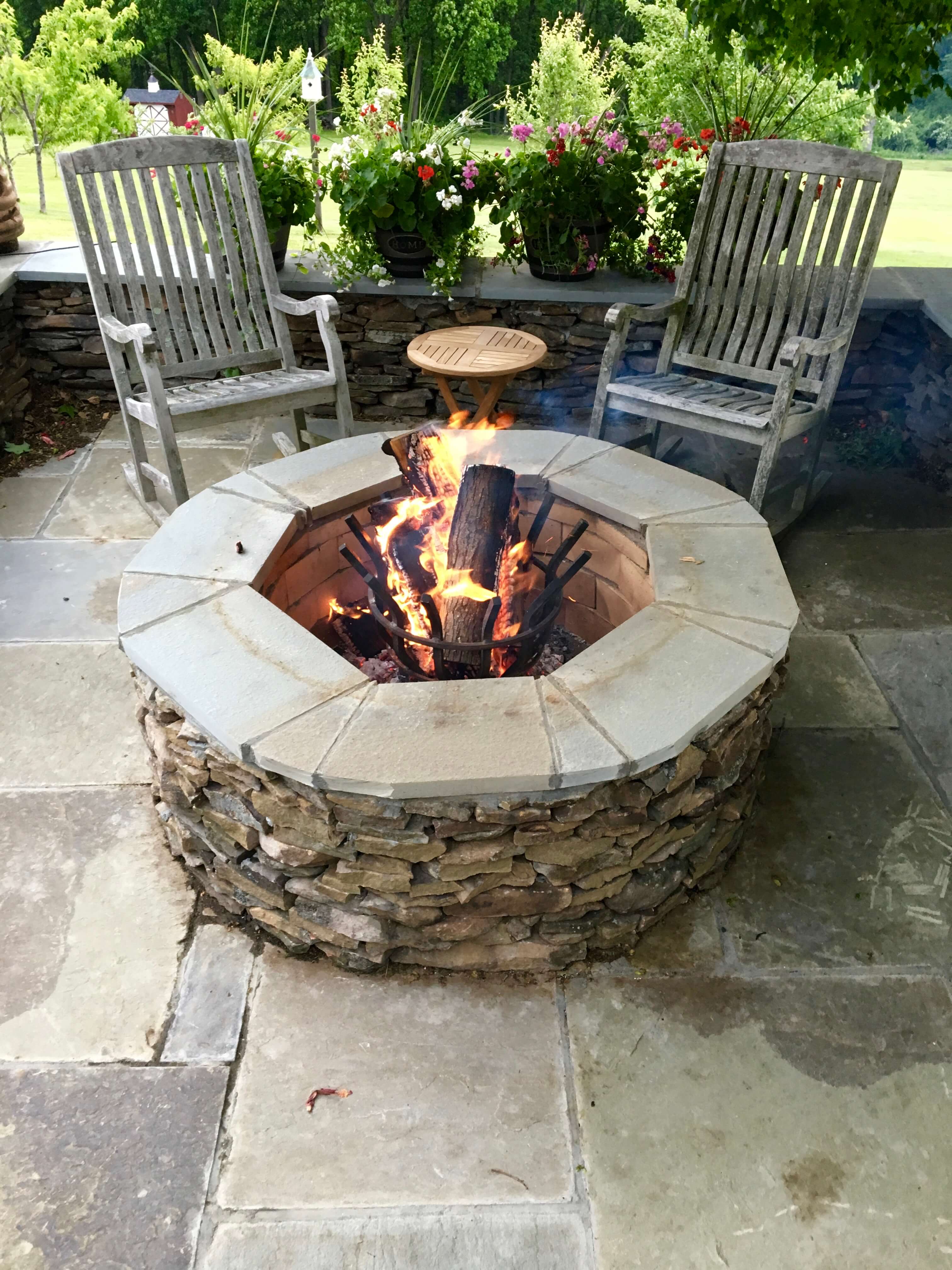
Do I need permits for a round outdoor fireplace installation?
Permit requirements vary significantly by location, installation type, and local fire safety regulations that govern outdoor fire features in residential areas. Many jurisdictions require permits for permanent installations, gas connections, or structures exceeding certain size thresholds that affect property setbacks. Temporary or portable fire features typically don’t require permits but may still be subject to usage restrictions during fire danger periods. I always recommend checking with local building departments and fire marshals before beginning any fireplace project to ensure compliance with current regulations. HOA rules may also restrict outdoor fire features regardless of municipal permits, so verify all applicable requirements before purchasing materials.
What’s the best fuel type for round outdoor fireplaces?
Fuel selection depends on your priorities regarding convenience, authenticity, operating costs, and maintenance preferences for long-term outdoor fireplace enjoyment. Wood provides traditional crackling sounds and aromatic smoke that many consider essential to authentic fire experiences, though it requires storage space and ash cleanup. Natural gas offers instant ignition and clean burning without storage or cleanup hassles, but requires professional installation and higher initial costs. Propane combines gas convenience with portability and independence from utility connections, though ongoing fuel costs can be substantial. Consider your usage frequency, maintenance tolerance, and local fuel availability when choosing the optimal option for your specific situation.
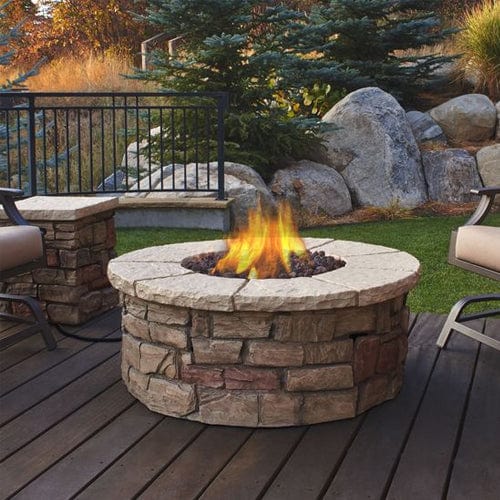
How do I maintain my round outdoor fireplace properly?
Maintenance requirements depend on construction materials and fuel types, but generally include regular cleaning, inspection, and weather protection for optimal performance and longevity. Wood-burning units require ash removal after each use and periodic deep cleaning of fire bowls to maintain proper drainage and appearance. Stone and masonry construction needs annual inspection for cracks, loose mortar, or weather damage that could compromise structural integrity or safety. Metal components may require periodic refinishing or rust treatment, depending on your local climate exposure. I recommend monthly inspections during active seasons and immediate attention to small issues before they become expensive problems requiring professional repair.
Can I use my round outdoor fireplace year-round?
Year-round usage depends on your local climate conditions, fireplace construction type, and personal comfort preferences during different seasons throughout the year. Well-built permanent installations can operate safely in most weather conditions, though extreme wind or precipitation may require temporary usage suspension for safety reasons. Portable units may need seasonal storage in harsh climates to prevent weather damage and extend operational lifespan. I use my stone fireplace from early spring through late fall, avoiding only the most severe winter weather when ice or heavy snow creates safety concerns. Consider wind patterns, precipitation frequency, and temperature extremes when planning usage schedules for your specific geographic location.
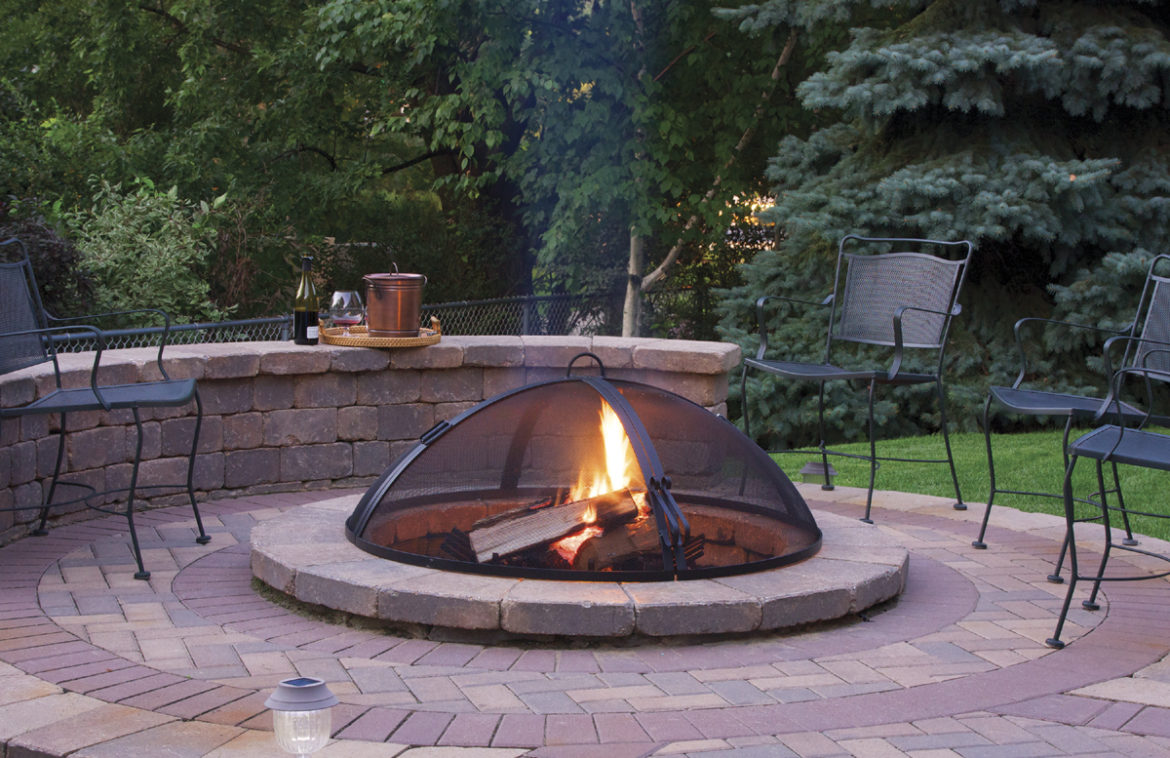
Tiled round fireplace
Related Posts: